Ultimate Winter Home Maintenance Guide: Keep Your Home Safe and Comfortable

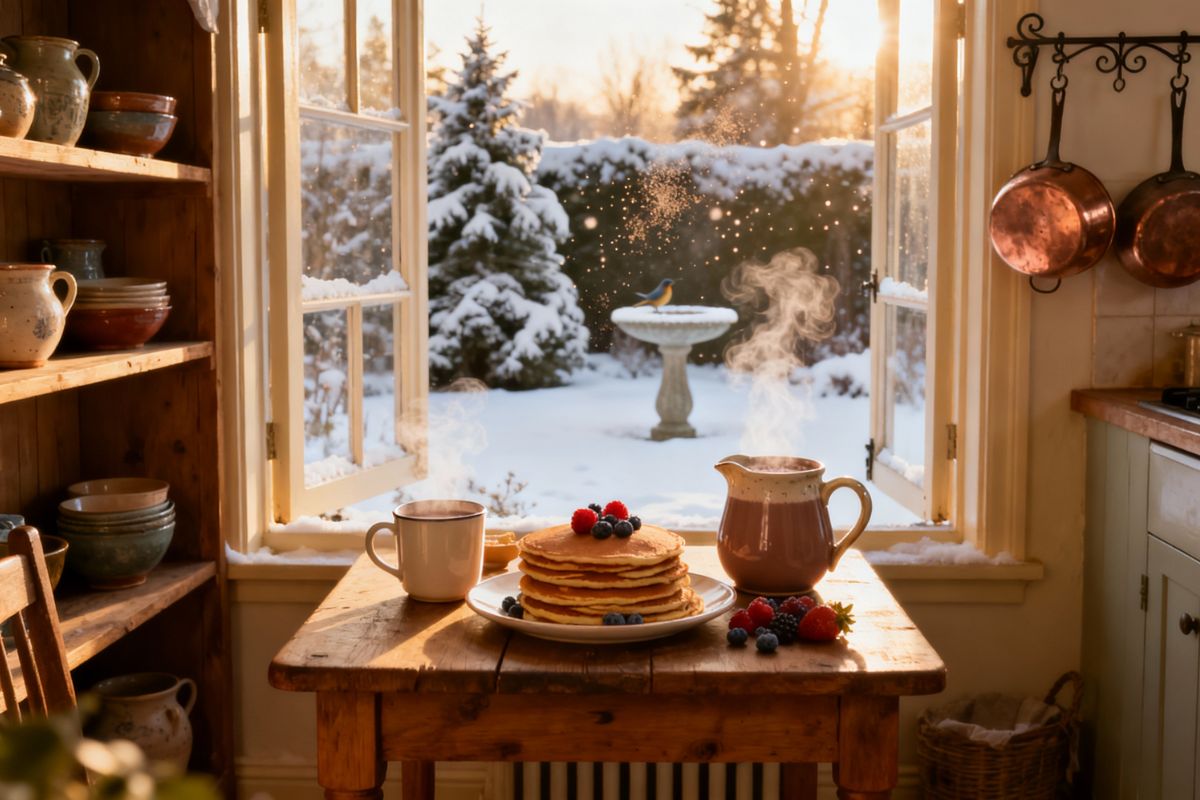
As winter approaches, it's vital to guarantee your home is prepared for the colder months ahead. From inspecting your heating system to sealing drafts, there are several essential tasks you need to tackle. Taking these proactive steps can help you avoid costly repairs and keep your living space cozy. But where should you start, and what specific checks are most important? Let’s explore the key areas to focus on for a smooth winter shift.
- Inspect and maintain your heating system for efficiency, changing air filters regularly to improve airflow and reduce energy costs.
- Seal drafts around windows and doors with stoppers, and consider thermal curtains for added insulation and comfort.
- Winterize plumbing by insulating exposed pipes and letting faucets drip during extreme cold to prevent freezing.
- Conduct a thorough roof inspection, clean gutters, and address any damage to prevent winter-related issues.
- Test smoke and carbon monoxide detectors monthly and prepare an emergency kit with essential supplies for winter safety.
Inspect and Service Your Heating System for Winter Readiness
As the temperatures begin to drop, it’s essential to guarantee your heating system is ready to keep you warm and comfortable throughout the winter months.
Start by inspecting your system for any signs of wear or damage. A professional service can enhance heating efficiency, ensuring your home heats evenly and effectively.
Don’t overlook the importance of changing air filters, as clean filters improve airflow and reduce energy costs.
If your system's outdated, consider system upgrades to newer, more efficient models that could save you money long-term.
Regular maintenance can also extend the lifespan of your heating system, keeping it reliable when you need it most.
Prioritize this inspection, and you’ll enjoy a cozy winter season.
Seal Drafts and Insulate Your Home Against the Cold
To keep your home warm and energy-efficient during winter, sealing drafts and insulating your space is essential.
Start by identifying drafty areas around windows and doors. Consider using draft stoppers to block cold air from sneaking in. These simple yet effective tools can greatly improve your comfort.
Next, invest in thermal curtains for your windows. They not only enhance your decor but also provide an extra layer of insulation, keeping the cold at bay.
Don’t forget to check your attic and basement for gaps, sealing them with foam or caulk.
.jpg)
Winterize Your Plumbing to Prevent Freezing
When temperatures drop, protecting your plumbing becomes essential to prevent costly repairs from frozen pipes.
Start by applying pipe insulation to any exposed pipes in unheated areas, like basements and crawlspaces. This simple step helps maintain a warmer temperature around your plumbing.
Next, guarantee faucet protection by letting your faucets drip slightly during extreme cold. This relieves pressure in the pipes and reduces the chance of freezing.
Don't forget to disconnect and drain outdoor hoses, as well.
If you’re going away for an extended period, consider shutting off the main water supply and draining the system entirely.
Inspect and Clean Your Roof and Gutters for Winter Readiness
Before the snow starts to fall, inspecting and cleaning your roof and gutters is essential for winter readiness.
Begin with a thorough roof inspection to identify any missing shingles, cracks, or signs of damage. These issues can lead to leaks or further deterioration during winter storms.
Next, focus on gutter cleaning. Remove leaves, twigs, and debris to guarantee proper drainage. Clogged gutters can cause ice dams, which may damage your roof and siding.
Use a sturdy ladder and wear gloves for safety while you work. If you’re uncomfortable doing this yourself, consider hiring a professional.
Taking these steps now will help protect your home from winter’s harsh elements and save you from costly repairs later.
If you’re maintaining a commercial property in NSW—especially near Newcastle, the South Coast, New England, or the Mid North Coast—it’s worth speaking with experts in commercial roofing Newcastle who can manage inspections, repairs, maintenance, and guttering at scale; see Affinity Roofing’s commercial services page.
How to Test Your Smoke and Carbon Monoxide Detectors?
After ensuring your roof and gutters are ready for winter, it’s time to turn your attention to another critical aspect of home safety: testing your smoke and carbon monoxide detectors.
Start by pressing the test button on each detector; if you hear a beeping sound, it’s working. If not, replace the batteries and try again. Regular detector testing is essential—aim for at least once a month.
Also, check the expiration dates; most detectors need replacing every 10 years. Don't forget to clean them from dust and debris, which can hinder performance.
These safety reminders can save lives, ensuring your home stays safe and comfortable throughout the winter months.
.jpg)
Get Your Winter Supplies and Emergency Kits Ready
As winter approaches, it's vital to gather your winter supplies and emergency kits to guarantee you're prepared for any unexpected situations.
Start by creating an emergency kit checklist that includes items like a flashlight, batteries, first aid supplies, non-perishable food, and bottled water. Don’t forget blankets and warm clothing in case of power outages.
For winter supply essentials, stock up on items like ice melt, a sturdy shovel, and a snow brush for your vehicle.
Keep your heating system serviced and have an alternative heat source ready, just in case.
By preparing these supplies now, you’ll make sure you stay safe and comfortable during the cold months ahead.
Don’t wait until the last minute—get organized today!
Prepare Your Outdoor Spaces for Winter Weather
To guarantee your outdoor spaces can withstand winter weather, start by evaluating your yard and garden. Remove any dead plants and debris that could trap moisture and create hazards.
Next, make certain your outdoor lighting is functional and bright, as shorter days mean you'll need visibility for safety and security. Check bulbs and replace any that are burnt out.
As snow begins to fall, have a snow removal plan in place; consider investing in a snow blower if you have a large driveway or walkway. Keep shovels and ice melt accessible to tackle snow accumulation promptly.
Schedule a Cleaning and Inspection for Your Chimney
Since a clean chimney is vital for safe and efficient heating, scheduling a cleaning and inspection should be a priority before winter sets in.
Hiring a professional chimney sweep guarantees that your chimney is free from soot, creosote, and blockages that can lead to dangerous fires.
During the flue inspection, the technician will check for cracks or damage that could compromise your heating system’s safety.
This preventative maintenance not only protects your home but also improves heating efficiency, saving you money on energy bills.
Don’t wait until it’s too late—set up your appointment now to enjoy a cozy, worry-free winter.
Keeping your chimney in top shape is a significant step in your winter home maintenance plan.
.jpg)
Review Your Winter Coverage Insurance Policy
With your chimney cleaned and inspected, it's time to guarantee your home is fully protected this winter.
Start by reviewing your winter coverage insurance policy. Check the policy details to confirm you have adequate protection against winter-related damages, such as snow, ice, and freezing temperatures.
Understand what your insurance covers—does it include roof collapse, frozen pipes, or damage from ice dams? If you’re unsure, reach out to your insurance agent for clarification.
They can guide you in evaluating your current coverage and suggest adjustments if necessary. Being proactive now can save you from costly repairs later.
Make sure your home is secure so you can enjoy the cozy winter months without worry.
Create Your Winter Maintenance Checklist for Ongoing Tasks
Creating a winter maintenance checklist can help you stay organized and guarantee your home remains in top shape throughout the season.
Start by checking your indoor humidity levels; keeping it between 30-50% can prevent mold and maintain comfort. Don’t forget to inspect your heating system, ensuring it’s working efficiently.
Next, look at your windows and doors for drafts. Sealing any leaks will save you money on heating bills.
Also, remember to rotate your seasonal decor. Updating your home’s aesthetics can boost your mood during those long winter months.
Finally, schedule regular checks of your smoke and carbon monoxide detectors.
With this checklist, you’ll keep your home safe, cozy, and inviting all winter long.
Conclusion
By taking these winter maintenance steps, you’re setting yourself up for a cozy and secure season. Regularly checking your heating system, sealing drafts, and winterizing your plumbing can save you from costly repairs and discomfort. Don’t forget to prep your outdoor spaces and review your insurance policy for peace of mind. With your maintenance checklist in hand, you’ll tackle the winter months confidently, ensuring your home remains a warm refuge against the chill. Stay safe and comfortable!


.svg)