
Moving Across the Country? Here's How to Ship Your Car in 2026

.jpg)
Moving a car more than a few hundred miles rarely makes sense to drive yourself once you factor in fuel, lodging, wear, and lost time. That is why vehicle transport services have become a standard part of relocations, online car purchases, seasonal migrations, and military moves. The process is straightforward once you understand who does what, how prices are set, and where the real risks sit. Here is what an informed shipper should know in 2026.
What vehicle transport services actually do
Most companies you find online are brokers, not the trucks themselves. A broker takes your order, prices it against current market conditions, and posts it to a national load board where vetted carriers (the people who own and drive the multi-car haulers) accept the job. A smaller number of companies operate their own fleets. Neither model is inherently better, but the distinction matters: a broker's value lies in the size and quality of its carrier network and how carefully it screens drivers, while a carrier gives you direct control over the truck.
This structure explains why quotes for the same route can vary. Rates move weekly with fuel, seasonal demand, and how many trucks are running a given lane. Reputable providers treat a quote as a live market price rather than a fixed number, and most keep a quote valid for only about a week.
Open vs. enclosed transport
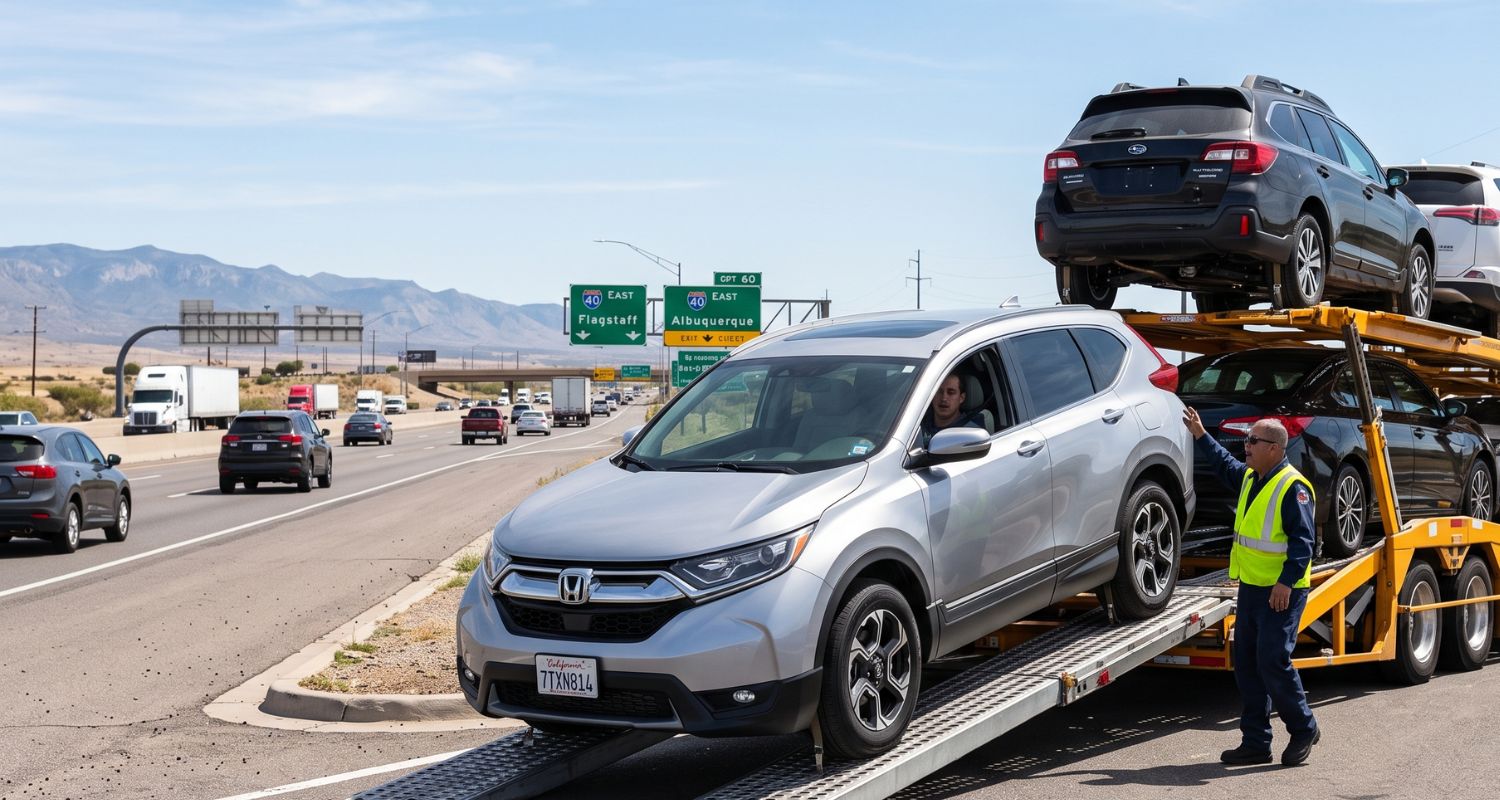
Open transport is the default. Your vehicle rides on a two-level trailer alongside several others, exposed to weather and road debris but perfectly safe for everyday cars. Dealerships and rental fleets use it because it is efficient and widely available. According to RoadRunner Auto Transport shipment data updated in August 2026, open carriers handle roughly 93 percent of U.S. shipments and averaged $1,205 in 2026, making it both the most common and most affordable option.
Enclosed transport puts your car inside a covered trailer that carries fewer vehicles. It costs meaningfully more, typically 30 to 60 percent above open transport (RoadRunner's 2026 data puts the enclosed average at $1,804, roughly a 50 percent premium), and is worth it for classics, exotics, luxury models, and low-clearance cars where paint and finish are part of the value. Enclosed carriers are fewer in number, so pickup windows can take longer to line up. For a daily driver, the premium is usually not justified.
Door-to-door vs. terminal-to-terminal
Door-to-door service means the driver picks up and delivers as close to your address as the truck can safely and legally reach. It is what most people want and what most residential moves use. Terminal-to-terminal, where you drop off and collect at a depot, can be cheaper but adds legwork, and the gap has narrowed. In the 2026 market the price difference has shrunk considerably, which often makes door-to-door the more sensible choice for a household move.
What drives the price
Distance is the biggest factor, but the per-mile rate falls as the trip gets longer. Short hauls under 500 miles run higher per mile because the driver's fixed overhead does not shrink; long-haul routes over 1,500 miles spread costs across more miles. RoadRunner Auto Transport reports a 2026 national average of $1,215 to ship a car, at a median rate of $1.23 per mile over a median distance of 987 miles, with most door-to-door shipments landing between $700 and $1,500.
Several other variables move the number:
- Vehicle size and weight. SUVs and pickups take more space and fuel; RoadRunner's 2026 data shows a pickup truck averages about $279 more than a sedan.
- Condition. A non-running vehicle needs winch loading and typically costs an extra $150 to $300.
- Transport type. Enclosed adds the roughly 50 percent premium noted above.
- Season. Late spring through summer is peak moving season, and the fall snowbird rush south (followed by the spring return north) tightens capacity and pushes rates up 10 to 25 percent on affected lanes.
- Flexibility. A relaxed pickup window of a few days can trim roughly 10 to 20 percent off the cost.
- Fuel. Carrier costs ride on diesel, which has been elevated in 2026. The EIA reported a U.S. national average on-highway diesel price of $5.652 per gallon for the week of August 24, 2026, up 19.8 cents in a single week and $1.944 above the same week a year earlier. When diesel climbs, transport quotes follow.
How the process works, start to finish
Once you book, the provider dispatches your order and assigns a carrier, usually within a few days. The driver calls ahead to confirm a pickup window. At pickup, you and the driver perform a joint inspection and record the car's condition on the Bill of Lading (BOL). The truck then runs its route, picking up and dropping off other vehicles along the way, before the driver contacts you again to schedule delivery.
Transit time tracks distance. Short moves under 500 miles often arrive in one to three days; mid-range routes take three to seven; and coast-to-coast shipments generally run 7 to 14 days once the car is on the truck. Add a day or two for dispatch. Rural addresses and winter weather can extend the window.
Insurance and the Bill of Lading
Your vehicle is covered under the carrier's cargo insurance from pickup to delivery. Open carriers commonly carry cargo coverage in the range of $100,000 to $150,000; enclosed carriers usually carry higher limits, which is one reason high-value owners pay for them. Before you hand over the keys, ask for the carrier's certificate of insurance and confirm the coverage is enough for your vehicle.
The BOL is the single most important document in the transaction. It records the vehicle's condition at pickup and again at delivery, and it is the evidence an insurer relies on if you file a claim. Wash the car beforehand so existing chips and scratches are visible, note every flaw on the form, and take your own dated photos from all angles. At delivery, inspect the car in good light and compare it against the pickup record before you sign. Signing a clean BOL when new damage exists makes a later claim very hard to win. Keep your copy for at least a year.
Choosing a provider without getting burned
The most common scam is the lowball quote: a price set deliberately low to win the booking, then raised after your car is already loaded. Protect yourself with a few checks. Verify the company's MC and USDOT numbers in the FMCSA's public system and review its safety and complaint record. Read reviews across independent platforms rather than trusting a single testimonial page.
Be wary of any operator demanding a large deposit by wire or app before a driver is assigned, and treat a quote far below the rest with suspicion. Financial footing matters too: under 49 CFR 387.307, effective January 16, 2026, brokers and freight forwarders must keep $75,000 in financial security (a BMC-84 bond or BMC-85 trust), and if that falls short and is not replenished within seven days, the FMCSA now suspends operating authority.
Because the quality of your experience comes down to the carrier network behind the booking, it pays to work with an established vehicle transportation provider that vets its drivers, confirms insurance, and offers door-to-door coverage rather than the cheapest name in the search results. A payment model with nothing due upfront is a reasonable green flag too, since it aligns the company's incentives with actually delivering your car.
A few practical tips
Book one to two weeks ahead for a standard move, and longer during peak season. Leave about a quarter tank of fuel: enough to load and unload, but not so much that it adds weight. Remove toll transponders so you are not billed as the truck crosses plazas, disable the alarm, and take out or secure roof racks and loose accessories. Personal items are generally allowed up to about 100 pounds in the trunk, but they are not covered by cargo insurance, so keep anything valuable with you.
Vehicle transport is a logistics service, not a luxury, and the shippers who come out ahead are the ones who understand the pricing, document the condition, and vet the company before the truck ever shows up.


.svg)



.jpg)