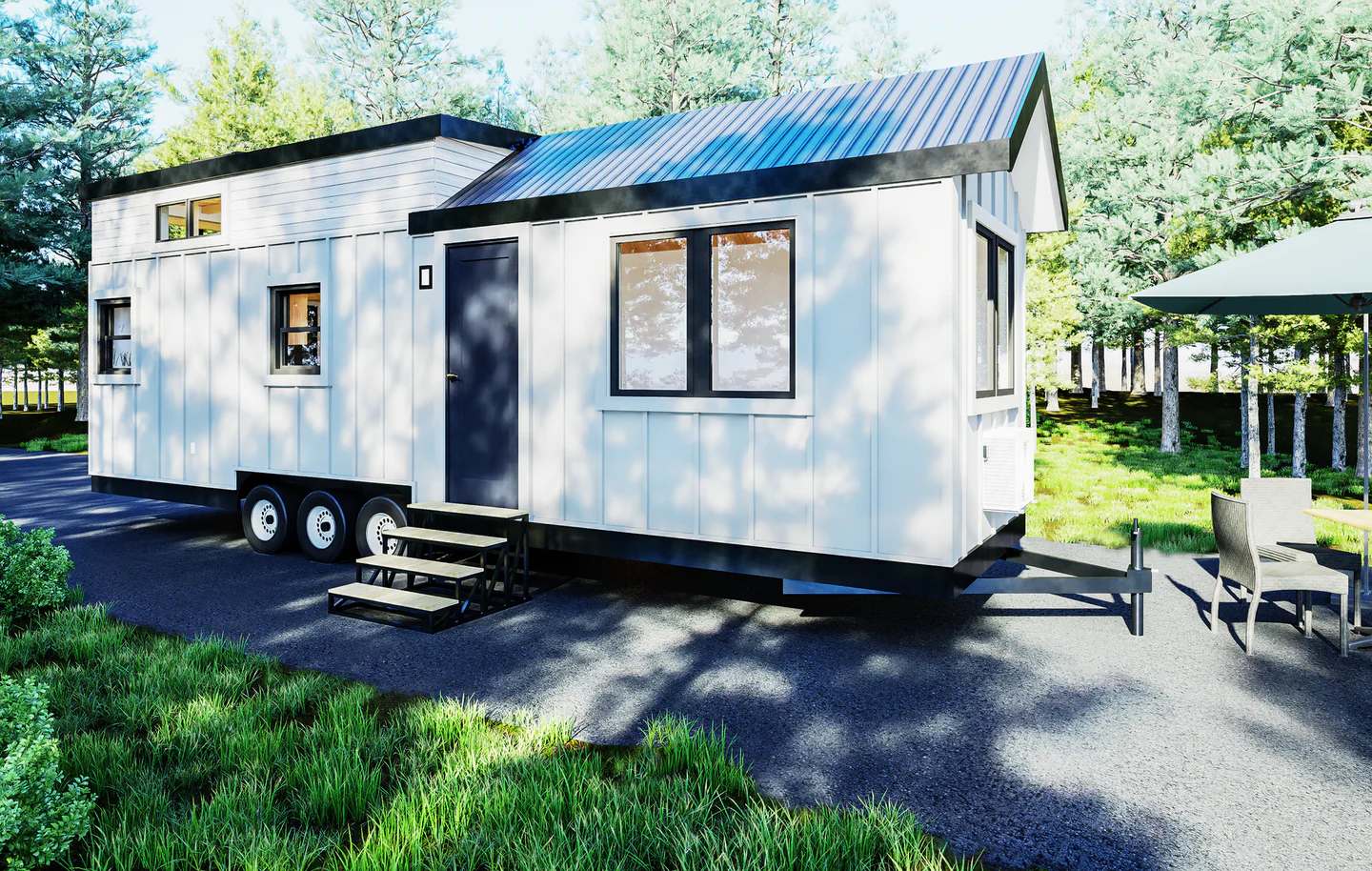
What a Backyard ADU Really Costs: A Budget Guide for Small-Home Builders


Image Source: elementsdnb.com
Small-home builders tend to be careful with money. You count square feet, argue over a few inches of storage, and know exactly what a good window costs. Then you start planning a backyard accessory dwelling unit, or ADU, and the budget stops behaving. The structure is only part of the bill. Permits, utility connections, soils work and site restoration can add tens of thousands of dollars before anyone moves in.
This guide walks through where the money goes on a backyard ADU, using San Diego as the reference market. Prices there are among the highest in the country, so the percentages and the planning logic carry over even if your local numbers are lower.
Start With the Type of ADU You Are Building
The single biggest cost driver is the type of unit. A unit carved out of space you already own is a different project from a new building on bare ground. In San Diego, the typical ranges look like this:
Junior ADU: roughly $80,000 to $150,000
A junior ADU, or JADU, is a unit of up to 500 square feet created inside the walls of an existing home, usually from a bedroom or part of the ground floor. Because no new structure goes up, it is the least expensive path.
Garage conversion: roughly $100,000 to $200,000
Turning a garage into a dwelling reuses the slab, walls and roof. The cost comes from insulation, new plumbing and electrical, a code-compliant egress and the finishes that make a garage feel like a home.
Attached ADU: roughly $150,000 to $300,000
An attached unit is an addition that shares at least one wall with the main house. These typically run 400 to 800 square feet and need more structural and design work than a conversion.
Detached ADU: roughly $200,000 to $450,000 or more
A standalone backyard unit offers the most privacy, the strongest rental potential and the most design freedom, but it also carries the highest price. Cost per square foot for detached units in San Diego commonly runs $300 to $600, depending on finish level and site conditions. Larger units of 800 to 1,200 square feet with high-end finishes or difficult sites sit at the top of the range.
If you want a deeper breakdown by unit type, our how much an ADU costs in San Diego guide covers each category with current pricing.

The Costs That Never Show Up in the Construction Quote
Small-home builders often budget by square foot and stop there. With an ADU, the surrounding costs are large enough to deserve their own line items.
Permit fees
City permit fees in San Diego County commonly run $6,500 to $15,000 depending on the size and type of unit, the jurisdiction and whether the lot needs a soils report or special inspections. Every city sets its own fee schedule, so a quote from one town tells you little about the next.
School impact fees
For ADUs over 500 square feet, school impact fees apply in most San Diego County jurisdictions and typically run $4,000 to $8,000. They are easy to overlook early on and painful to discover late.
Utility connections
If the unit needs a new water meter or an upgraded sewer connection, utility fees can add $5,000 to $20,000. The spread is wide because the real number depends on how far the unit sits from existing lines and what the local utility requires.
Soils report and survey
Many lots, especially hillside properties, need geotechnical and survey work. Budget about $2,000 to $5,000.
Landscaping, furnishing and the quiet extras
Restoring the yard after construction commonly costs $3,000 to $10,000. If you plan to rent the unit furnished, add another $5,000 to $20,000. Your assessed property value will rise once the unit is built, so the property tax bill goes up too, and if you live in an HOA community you should read the covenants before drawing anything.
What State Rules Do for Your Budget
Some of the best cost control happens at the policy level. California has spent years limiting how much local governments can obstruct backyard homes, and the state housing department publishes the rules and technical guidance in one place. The California Department of Housing and Community Development maintains an ADU handbook that explains the statewide standards cities must follow.
Two practical effects matter for small-home builders. First, state law generally allows ADUs to be reviewed through a streamlined, non-discretionary process, which cuts the guesswork and delay that used to inflate soft costs. Second, impact fees are reduced or waived for the smallest units, which makes a compact design more than an aesthetic choice. A tight footprint can lower the fees you pay as well as the amount of material you buy. Always confirm the current rules with your local planning department, since cities adopt their own ordinances within the state framework.

How Long the Budget Has to Last
Time is money on a construction loan, so the schedule belongs in the budget. A realistic San Diego timeline looks like this: design and plans take 4 to 8 weeks, permit approval takes 8 to 16 weeks depending on the city, and construction takes 12 to 24 weeks. Altogether the project runs six to twelve months from first sketch to move-in.
Permit review is the least predictable stretch, so builders who start early and submit complete drawings tend to save the most time. A design-build approach, where one team handles drawings and construction, shortens the gap because permitting starts sooner and fewer surprises appear between the plans and the site.
Will the Numbers Pay Off?
For most owners the answer depends on rent and patience. A well-built detached ADU in a desirable San Diego County neighborhood can bring in about $1,800 to $3,500 a month depending on size, location and finish level. At those rents, a $250,000 investment can pay for itself in roughly 8 to 12 years, while also adding value to the property.
The phrase that matters is well-built. A unit that cuts corners on design, materials or permits costs more over time through maintenance, difficulty finding tenants and complications at resale. Cheap decisions made in the first month often become the most expensive ones by year five.
Five Ways to Keep an ADU Budget Honest
1. Price the whole project, not just the building
Add permits, impact fees, utilities, soils work and landscaping to the construction number before you decide whether the project works.
2. Choose the unit type that fits your lot
A garage conversion or an attached unit may deliver most of what you want for far less than a detached build. Let the site and the budget choose the type, not the other way around.
3. Design small on purpose
Every square foot costs hundreds of dollars, and units under certain thresholds can avoid some fees. Built-in storage, shared walls with plumbing and efficient layouts do more for the budget than premium finishes do.
4. Get a site-specific estimate
Be wary of numbers quoted over the phone for a lot nobody has visited. Slope, soil, access and existing utilities change the price too much for a generic figure to mean anything.
5. Keep a contingency
Setting aside a cushion for unforeseen site conditions is standard practice. The first shovel often finds something the survey did not.
The Bottom Line
A backyard ADU is a serious investment, and the price on the construction contract is only part of it. Builders who plan for permits, fees, utilities and time up front tend to finish on budget and end up with a unit that performs for decades. Start with the unit type, add every soft cost to the spreadsheet, and confirm local rules before the first drawing. The small-home mindset of making every square foot count is exactly what keeps an ADU project affordable.
About the Author
Elements Design & Build is a design-build remodeling firm based in San Diego, California, specializing in room additions, ADUs, and full home renovations from concept through construction.