
What Buyers Should Look for During a Plumbing Inspection

.jpg)
Buying a property is exciting, but it is also one of the biggest financial commitments most people make. While buyers often focus on location, layout and cosmetic condition, the plumbing system can have a significant impact on future costs and day-to-day comfort.
A fresh coat of paint may conceal water damage. A recently renovated bathroom may still have poor pipework behind the walls. Even an apparently minor leak can point to wider problems, including corrosion, drainage defects or inadequate water pressure.
A thorough plumbing inspection helps you understand what you are really buying. It can also give you useful leverage before contracts are exchanged. Here are the main areas buyers should examine.
Start with the visible plumbing fixtures
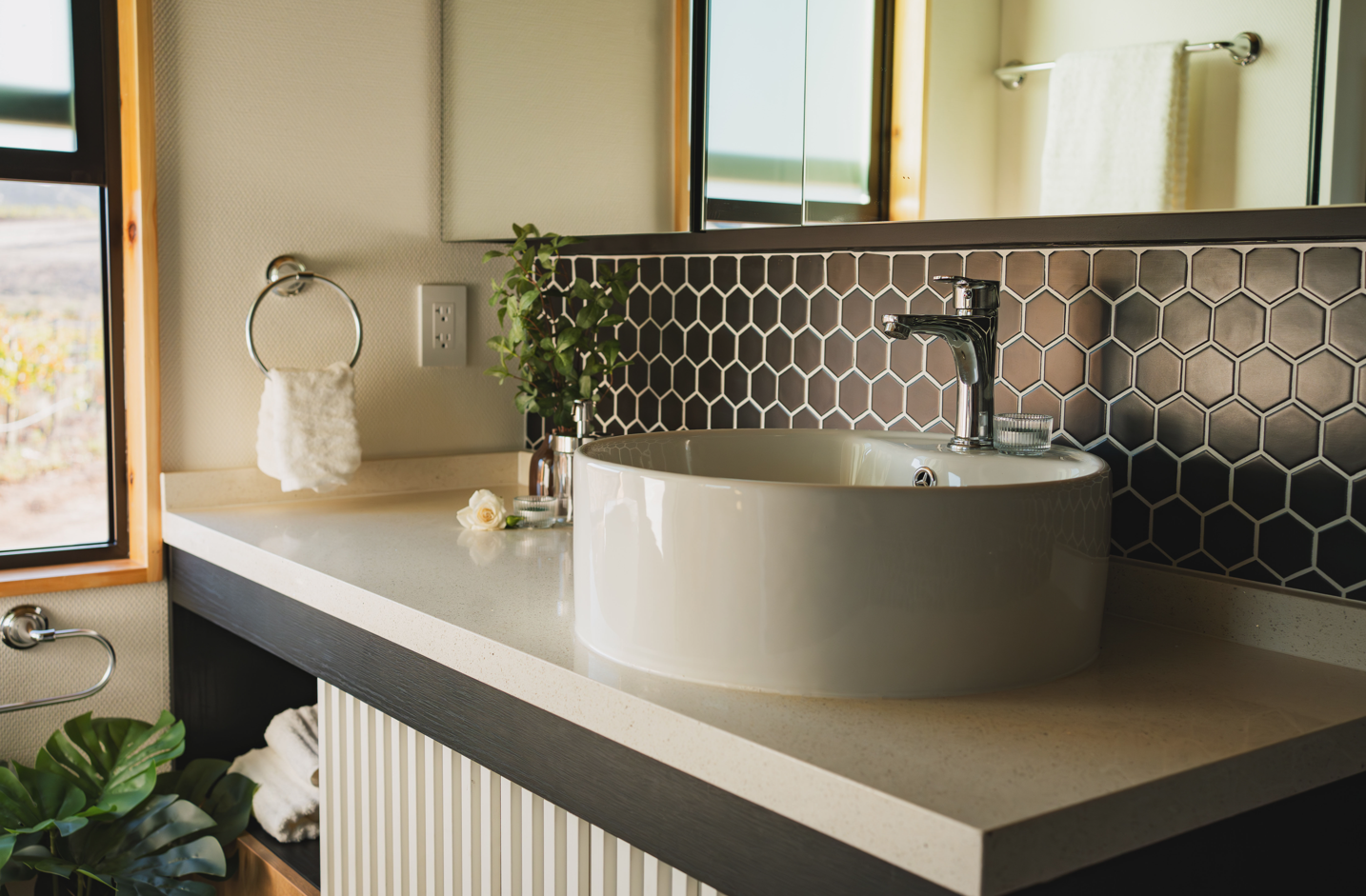
The inspection should begin with the components you can see and access easily. Run every tap, including those in bathrooms, the kitchen, utility areas and outdoor spaces. Pay attention to how quickly water flows, whether it reaches a consistent temperature and whether the pressure changes when more than one outlet is used.
Look underneath sinks and basins for:
- Dampness, staining or mould
- Corroded isolation valves
- Drips around pipe joints and traps
- Swollen or damaged cabinetry
- Temporary repairs involving tape, sealant or containers
A small amount of moisture may seem unimportant, but leaks often worsen gradually. Water damage inside cupboards or around flooring can also indicate that a problem has been present for some time.
Flush every toilet and check that it refills properly. Listen for continuous running water, unusual noises or delayed flushing. Inspect the base of the toilet for movement or staining, as these may suggest a failed seal or damage beneath the flooring.
Assess water pressure and drainage
Water pressure is easy to overlook during a quick viewing, particularly if only one tap is tested. However, weak pressure can affect showers, baths, washing machines and combination boilers. Ask whether the property has a mains-fed system, a storage tank or a pump, as each arrangement has different maintenance requirements.
Drainage deserves equal attention. Run taps for several minutes and observe how quickly sinks and baths empty. Slow drainage may be caused by a simple blockage, but it can also indicate poorly designed pipework, damaged underground drains or a more serious restriction.
Look and listen for warning signs such as gurgling, foul smells or water rising in an adjacent fixture. These symptoms can suggest ventilation or drainage problems that are not immediately visible.
Where possible, check external inspection chambers and gullies. Standing water, unpleasant odours or signs of overflow may indicate blocked or damaged drainage. Buyers should be particularly cautious if drainage issues appear alongside damp patches, subsidence or unusually lush vegetation in one area of the garden.
Investigate the age and condition of the pipework
The age of the property can provide useful clues, but it should not be treated as a complete diagnosis. Older homes may contain galvanised steel, lead or ageing copper pipework. Lead supply pipes are a particular concern because of the potential health implications and the possibility that replacement may be needed.
Modern properties are not automatically problem-free. Plastic pipes can be poorly installed, inadequately supported or damaged by freezing conditions. Recent extensions and conversions also deserve close attention, especially where new plumbing has been connected to older systems.
Ask the seller, estate agent or surveyor whether records are available for:
- Previous leaks or insurance claims
- Boiler servicing and replacement
- Plumbing alterations or renovations
- Drain repairs or CCTV surveys
- Water treatment or pressure problems
Documentation does not replace an inspection, but it can reveal patterns. A property with several historic leak repairs may require more detailed investigation than one with a clear maintenance record.
Examine the boiler and hot water system
A plumbing inspection should include the boiler and hot water arrangements, although specialist gas-related work must be carried out by an appropriately qualified engineer. Check the boiler’s age, service history and condition. A boiler approaching the end of its expected lifespan may not be defective, but buyers should budget realistically for eventual replacement.
Ask whether the property has a combi boiler, hot water cylinder or traditional tank system. Each has different advantages and potential vulnerabilities. Look for signs of corrosion, leaking discharge pipes, pressure problems or staining around the cylinder and associated valves.
The boiler display may show fault codes, but the absence of a warning does not prove that the system is operating efficiently. A service record is far more useful than a quick visual check. Buyers should also confirm that any installation or conversion work was completed with the relevant certification.
For a broader understanding of what to examine before making a decision, this guide to professional plumbing inspection advice offers a useful reference point, particularly when a standard home survey has not covered the plumbing in sufficient detail.
Check for hidden leaks and damp-related damage
Some of the most expensive plumbing problems are concealed behind walls, beneath floors or under external paving. An inspection should therefore consider evidence rather than relying only on visible fixtures.
Look for:
- Peeling paint or bubbling plaster near bathrooms and kitchens
- Discoloured ceilings below wet rooms
- Warped flooring or lifted tiles
- Musty smells in cupboards and enclosed spaces
- Fresh patching that appears inconsistent with surrounding surfaces
- Unexplained damp readings on a survey
The source of damp is not always plumbing. It may come from condensation, defective gutters, rising damp or penetrating moisture. That is why diagnosis matters. Replacing a visible fitting without identifying the underlying cause can leave the real problem untouched.
In some cases, moisture meters, thermal imaging or targeted access may be appropriate. These tools should be used by someone who understands their limitations; an unusual reading is an indication for further investigation, not definitive proof of a leak.
.jpg)
Understand the likely cost and urgency
Not every defect should derail a purchase. A worn tap washer, stiff valve or minor blockage may be straightforward to resolve. More serious issues include persistent leaks, damaged drainage, obsolete materials, inadequate water pressure and plumbing that has been installed without proper support or ventilation.
Ask for problems to be grouped into three categories:
- Immediate risks, such as active leaks, unsafe discharge arrangements or severe drainage failure.
- Short-term repairs, including corroded fittings or deteriorating pipework.
- Future expenditure, such as boiler replacement or a full supply pipe upgrade.
Obtain written estimates where possible. This prevents vague concerns from becoming either unnecessary alarm or costly surprises. It also gives you a stronger basis for negotiating the purchase price or asking the seller to complete essential repairs before completion.
Treat the inspection as a decision-making tool
A plumbing inspection is not about expecting a property to be perfect. Most homes have maintenance needs, and some are entirely manageable. The objective is to understand the condition of the system, identify risks and make an informed financial decision.
Arrange the inspection early enough to act on the findings. If access is restricted, ask why and request a further visit where appropriate. A careful inspection, supported by maintenance records and realistic cost estimates, can turn hidden uncertainty into useful information.
Before committing to a property, remember that what is behind the walls and beneath the floors may matter just as much as what is on display.


.svg)


.jpg)