
The Return of Natural Finishes: Why Eco-Friendly Paints Are Taking Over Modern Home Design

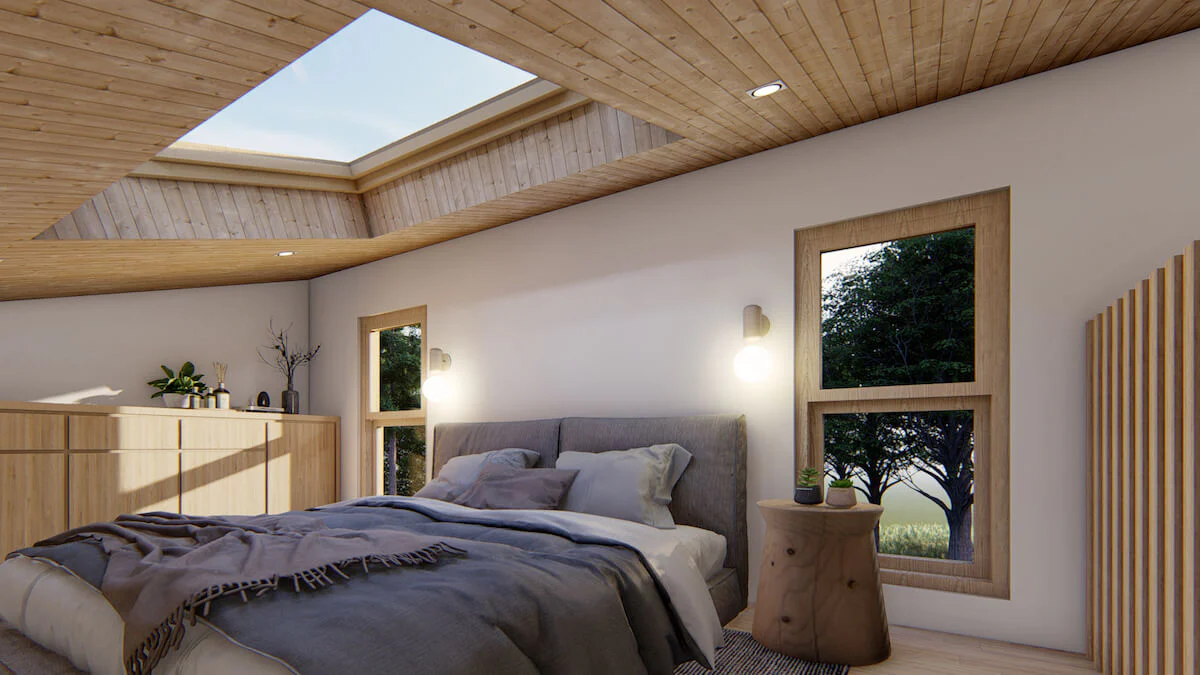
Over the past decade, homeowners, designers, and builders have been steadily shifting their mindset toward healthier, more sustainable living environments. What once felt like a niche interest—natural paints, renewable materials, toxin-free finishes—has now become a defining element of modern design. As people spend more time working, relaxing, and raising families inside their homes, the materials used within those walls matter more than ever. This has opened the door to a renewed appreciation for natural finishes and eco-friendly paints, marking a meaningful return to simplicity, safety, and authenticity in interior spaces.
Today, the design community broadly recognizes the role that air quality, material sourcing, and environmental responsibility play in long-term well-being. Organizations that influence industry standards, along with sustainability-focused architects and builders, continue to emphasize the importance of low-VOC and biodegradable finishes. As a result, natural paints are not just trending—they are becoming a practical, trusted choice for modern homes seeking a balance of style, performance, and environmental respect.
Why Natural Finishes Are Gaining Momentum
The renewed interest in natural finishes stems from a combination of health awareness, environmental responsibility, and aesthetic preference. Many homeowners are becoming more intentional about what goes into their living spaces. In practice, this means looking beyond conventional paint formulas that often contain synthetic binders, preservatives, and chemical additives.
Eco-friendly paints offer an alternative built on minimal processing and plant- or mineral-based ingredients. These options provide a finish that feels timeless, breathable, and inherently connected to traditional craftsmanship. Designers often praise these paints for the way they interact with light, creating soft, organic textures rather than the flat uniformity common in synthetic paints.
Equally important is the growing understanding of how interior choices affect indoor air quality. Leading health and building organizations consistently recommend reducing exposure to volatile organic compounds (VOCs), which can accumulate indoors. Natural paints, many of which contain little to no VOCs, align neatly with these recommendations and help create healthier indoor environments without compromising color or durability.
The Appeal of Materials With a Story
One reason natural finishes are capturing modern attention is that they offer more than color coverage—they offer character. Whether derived from minerals, plant oils, or lime, these paints evoke a sense of craftsmanship and tradition that synthetic alternatives often lack. Homeowners are increasingly seeking finishes that feel lived-in, warm, and intentional rather than glossy or overly manufactured.
Clay and lime paints, for example, provide earthy depth and texture that is difficult to replicate with conventional options. Milk paint, another traditional finish, has re-emerged as a favorite for its matte surface, velvety appearance, and compatibility with wood furniture and cabinetry. When homeowners explore natural choices like real milk paint, they are often drawn to the way these materials highlight the grain, texture, and organic qualities of the surfaces beneath them.
In a design world where people crave authenticity, these finishes offer a connection to the natural environment that feels grounding and serene. They bring depth, history, and soul into contemporary spaces—qualities that align strongly with today’s movement toward “slow design” and mindful living.
Health and Sustainability as Key Drivers
While aesthetics play a major role, the surge in eco-friendly paint use also reflects a broader shift toward responsible homebuilding and renovation. Many architects and contractors now incorporate sustainability guidelines into their workflows as part of creating energy-efficient, healthier living environments.
Natural paints often utilize ingredients that are biodegradable, renewable, and minimally processed. Their production tends to generate fewer environmental impacts, and their composition avoids many of the synthetic compounds that contribute to indoor pollutants. This aligns with the priorities of environmentally conscious homeowners who want their design choices to support both personal health and planetary wellbeing.
As people become more educated about long-term exposure to indoor pollutants, there is growing trust in products with ingredient transparency. Eco-friendly paint brands commonly disclose their formulas more clearly than conventional manufacturers, which helps consumers make informed decisions and feel confident about what they are introducing into their homes.
How Natural Paints Support Modern Design Trends
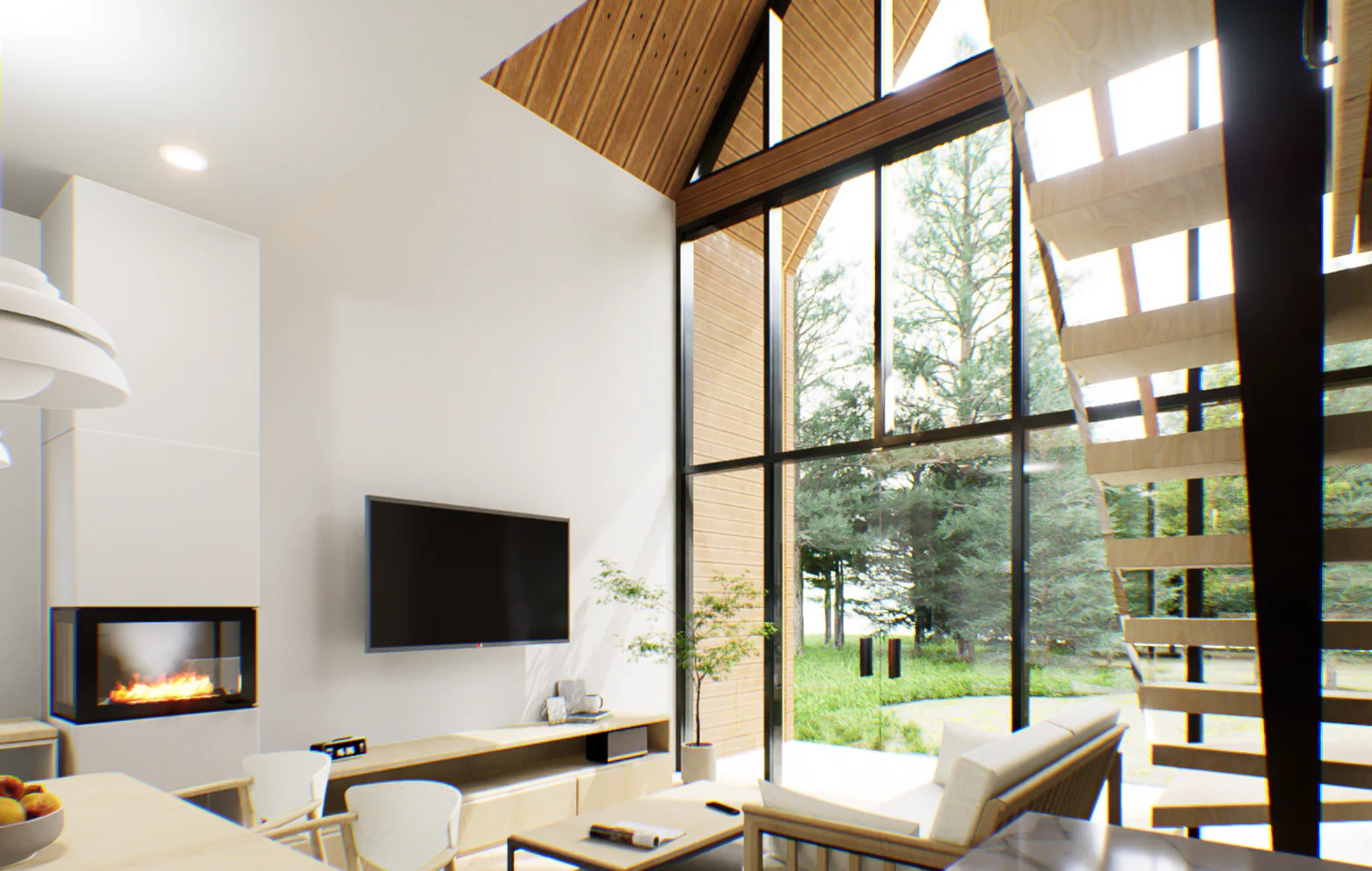
Beyond sustainability, natural paints complement some of the most influential interior design trends shaping homes today. The rise of minimalist, Scandinavian, and Japandi styles has created a strong preference for finishes that emphasize calmness, texture, and softness. Natural paints provide subtle tonal variation and a matte, tactile finish that enhances these design philosophies rather than overpowering them.
Additionally, the biophilic design movement—which encourages stronger visual and material connections to nature—is perfectly aligned with eco-friendly paint choices. The colors often found in natural paint palettes draw inspiration from earth, stone, plant life, and sky, creating interiors that feel restorative and balanced.
Modern homeowners are also embracing handmade craftsmanship and artisanal details. Natural finishes, by their very nature, tend to produce slight variations in color and texture that give rooms a sense of uniqueness and personality. This irregularity is not seen as a flaw but as a welcome reminder that the materials come from the earth, not a factory line.
Choosing Eco-Friendly Paints for Your Next Project
For homeowners considering a shift to natural finishes, the transition can be both practical and inspiring. Many eco-friendly paints apply similarly to conventional formulas, making them accessible for DIY projects and professional renovations alike. They often pair well with wood, plaster, concrete, and other natural materials commonly used in modern interiors.
Before choosing a product, it’s helpful to assess the intended use, desired finish, and long-term maintenance preferences. Some natural paints excel in breathable wall applications, while others are ideal for furniture, cabinetry, or accent features. Consulting with experienced designers or suppliers can provide added clarity and ensure the finish supports both the functional and aesthetic goals of the space.
Conclusion: A Thoughtful Shift Toward Better Living
The return of natural finishes is more than a design trend—it reflects a broader cultural movement toward mindful living and responsible material choices. As homeowners continue to prioritize health, sustainability, and authentic beauty, eco-friendly paints are expected to remain a prominent part of interior design for years to come.
By embracing finishes that are gentle on the environment, supportive of indoor wellbeing, and visually rich, modern homes can achieve a balance that feels both contemporary and enduring. Natural paints do more than color a wall; they shape how we experience and connect with the spaces we inhabit.


.svg)


.jpg)