
Why More Homeowners in Phoenix Are Downsizing to Tiny Homes

.jpg)
Across Phoenix, a growing number of homeowners are making a deliberate shift away from large suburban houses and toward tiny homes. This trend isn’t driven by novelty or aesthetics alone. It’s a practical response to housing costs, lifestyle changes, and a reassessment of what people actually need to live comfortably in the desert Southwest.
Tiny homes in Phoenix represent a blend of financial strategy, climate awareness, and personal freedom. For many residents, downsizing is less about sacrifice and more about control.
Housing Costs Are Forcing Smarter Decisions
Phoenix has experienced rapid home price growth over the past decade. While prices have cooled slightly from their peak, affordability remains a major concern for homeowners looking ahead to retirement, career changes, or reduced income.
According to Redfin, the median home sale price in Phoenix was approximately $435,000 in early 2024, well above what many residents paid just a few years ago.
For homeowners sitting on significant equity, downsizing to a tiny home offers a way to unlock value while dramatically lowering monthly expenses.
Tiny Homes Align Well With Phoenix’s Climate
Phoenix’s climate plays a major role in the tiny home movement. Smaller living spaces are easier and cheaper to cool, especially during extreme summer heat. Energy efficiency matters more when air conditioning is a necessity for much of the year.
Tiny homes often incorporate:
- High-performance insulation
- Solar panel integration
- Efficient HVAC systems
- Passive cooling design
Reducing square footage directly reduces energy demand, which is particularly appealing in a region where utility costs can spike seasonally.
Maintenance and Upkeep Are Major Pain Points
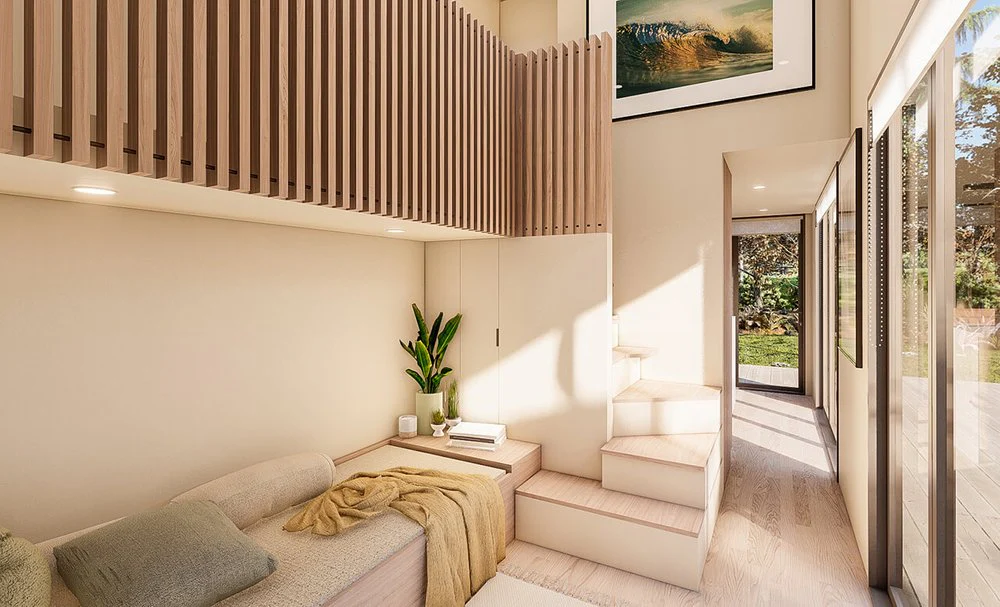
Large homes come with ongoing maintenance demands: roofing, landscaping, plumbing, exterior repairs, and constant cleaning. For many homeowners, especially empty nesters or retirees, these responsibilities feel increasingly unnecessary.
Tiny homes simplify upkeep. Fewer systems mean fewer failures, and smaller spaces are easier to maintain without outside help. This shift allows homeowners to redirect time and money toward travel, hobbies, or savings instead of repairs.
Lifestyle Flexibility Is a Major Draw
Downsizing isn’t always about staying in one place. Many Phoenix homeowners are drawn to tiny homes because of the flexibility they offer.
Some choose:
- Tiny homes on private land
- Community-based tiny home developments
- Mobile tiny homes that allow relocation
This flexibility appeals to people who want to stay connected to Arizona while remaining open to seasonal travel or future moves.
Equity Unlocking Without the Stress of Traditional Selling
Transitioning from a traditional home to a tiny home requires liquidity. Many homeowners want to sell efficiently without long listing timelines, repairs, or market uncertainty.
Working with cash home buyers in Phoenix allows sellers to convert home equity into capital quickly, and homeowners looking to make that transition can learn more here. This approach is especially useful for homeowners who want to avoid renovation costs or coordinate timing precisely.
Selling efficiently reduces friction during downsizing and keeps the focus on the next chapter rather than the sale process itself.
.webp)
Zoning and Legal Considerations Are Improving
Historically, zoning restrictions made tiny homes difficult to place legally. Phoenix and surrounding areas have begun adapting to demand by updating regulations around accessory dwelling units (ADUs), lot sizes, and permanent tiny home placement.
While regulations still vary by neighborhood, progress has made tiny home living more accessible than it was even five years ago. Homeowners who research zoning early tend to have smoother transitions.
Financial Predictability Matters More Than Size
One of the most compelling reasons Phoenix homeowners choose tiny homes is predictability. Fixed costs are lower, variable expenses are easier to manage, and financial planning becomes simpler.
Lower property taxes, reduced insurance premiums, and minimal utility bills create breathing room in household budgets. This stability is especially appealing in times of economic uncertainty.
Downsizing Is Often About Values, Not Space
For many people, the decision to move into a tiny home reflects a shift in priorities. Less emphasis on square footage and more on quality of life.
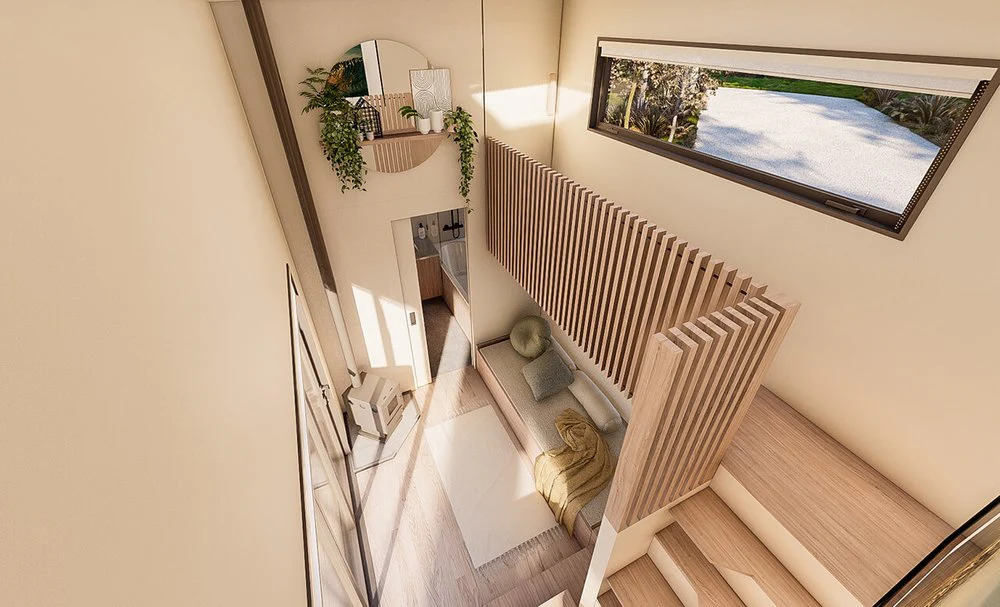
Tiny homes encourage intentional living. Storage is planned. Purchases are thoughtful. Space is used purposefully. This mindset resonates with homeowners who want simplicity rather than excess.
Tiny Homes as a Long-Term Strategy
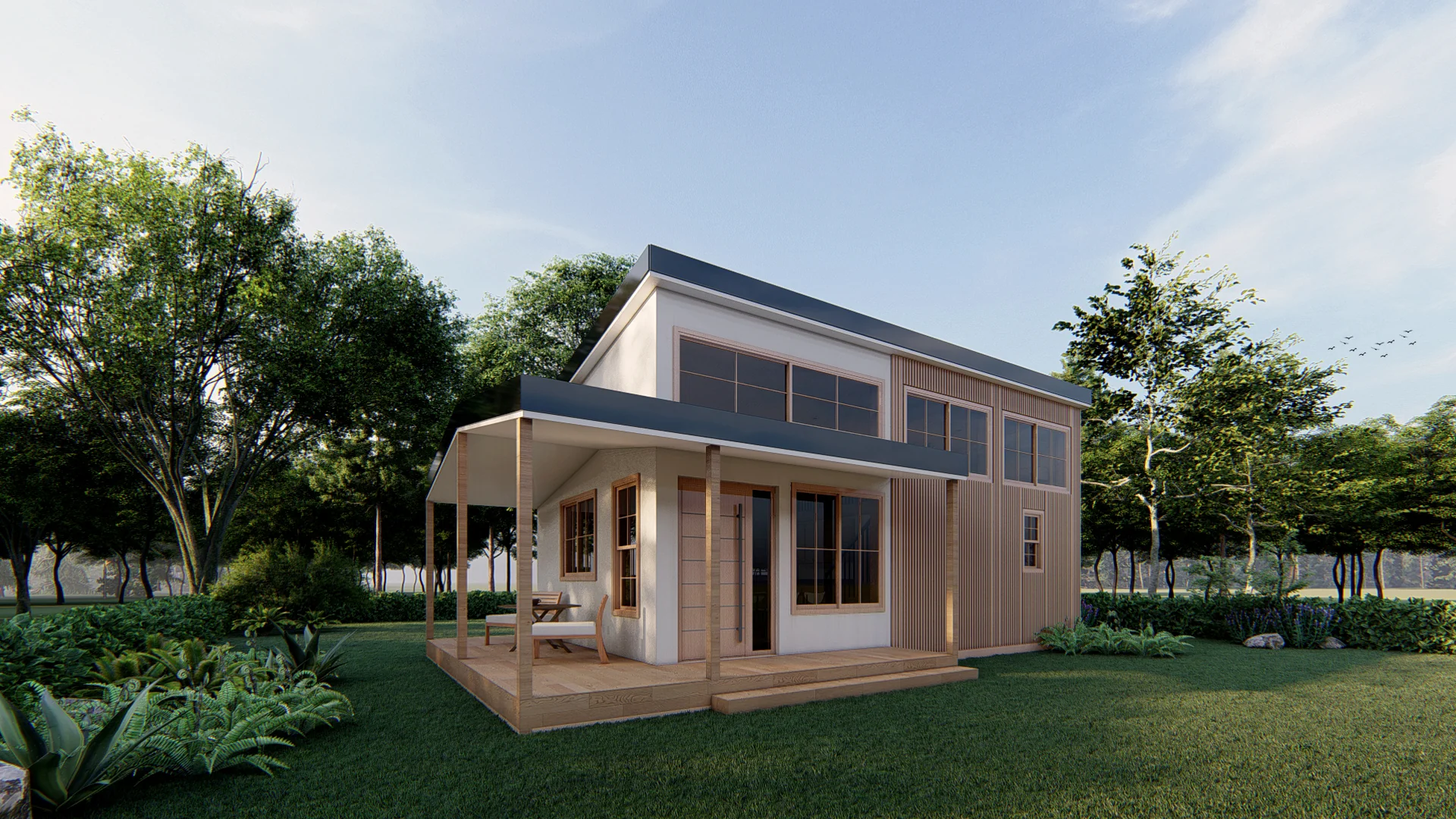
Tiny homes aren’t just a short-term solution. For many Phoenix residents, they’re a long-term housing strategy that supports aging in place, financial independence, and environmental responsibility.
By downsizing deliberately, homeowners can reduce risk while preserving lifestyle flexibility.
Final Thoughts
The rise of tiny homes in Phoenix isn’t a passing trend. It’s a response to real pressures—housing costs, climate challenges, and changing lifestyles. For homeowners with equity, downsizing offers a way to simplify life without giving up comfort or control.
As zoning improves and acceptance grows, tiny homes are becoming a practical, sustainable option for people who want more freedom and fewer obligations. In Phoenix, smaller living is increasingly seen not as a compromise, but as a smart choice.


.svg)
.jpg)
.jpg)