
How Tiny Homes Are Reshaping the North American Real Estate Market

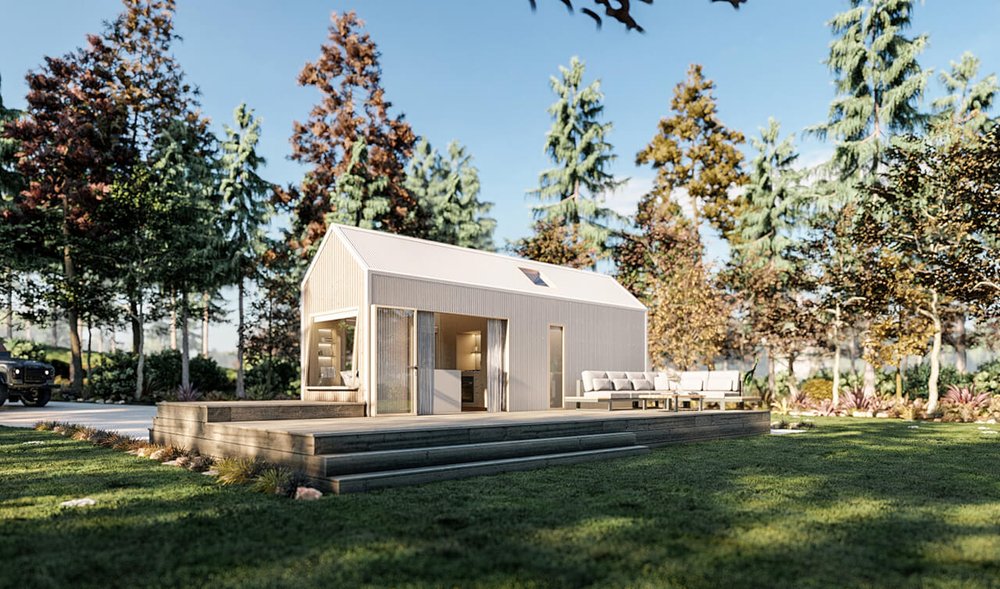
Tiny homes have evolved from a niche architectural curiosity into a meaningful influence on segments of the North American real estate market. Over the past decade, economic pressures, shifting lifestyle priorities, and environmental awareness have prompted many buyers and downsizers to reconsider how much space they truly need. Rather than viewing housing purely as a measure of square footage, a growing number of individuals are evaluating homes based on functionality, long-term affordability, and adaptability.
As housing affordability challenges continue in many regions, buyers are exploring alternative options that align with their financial goals. Tiny homes offer one pathway toward ownership with lower upfront costs and simplified ongoing expenses. Individuals navigating this emerging market segment often consult a top real estate agent in your area to better understand zoning laws, land considerations, and long term resale potential specific to small-scale housing. Because tiny homes intersect with traditional property regulations in unique ways, informed research plays an important role in making confident decisions.
Affordability Challenges Driving Demand
Affordability is one of the strongest forces shaping housing trends across North America. In many metropolitan areas, rising home prices and interest rates have made traditional entry-level homes increasingly difficult to purchase. Downsizers, including retirees and empty nesters, are also reexamining whether maintaining a large property remains practical or financially efficient.
Tiny homes respond directly to these pressures. Their smaller footprint typically results in a lower purchase price compared to conventional single-family houses. While costs vary widely based on materials, customization, and location, smaller homes generally require fewer building materials and less labour to construct.
Financial advantages often include:
- Lower overall purchase price
- Reduced mortgage requirements when applicable
- Smaller property tax obligations in some jurisdictions
- Lower monthly utility expenses
- Decreased maintenance and repair costs
For buyers seeking to reduce debt or improve cash flow, these financial factors can create meaningful flexibility. During economic uncertainty, simplified housing expenses can also contribute to long-term stability.
Minimalist Living and Lifestyle Shifts
The appeal of tiny homes extends beyond affordability. Cultural shifts toward minimalism and intentional living have influenced housing decisions. Many buyers are prioritizing functionality over excess space. A smaller home encourages thoughtful organization and reduces the accumulation of unnecessary belongings.
Remote work flexibility has further accelerated this trend. With more professionals working from home, the necessity of living close to urban employment centers has diminished for some households. Buyers may choose to relocate to more affordable regions where land costs are lower and housing regulations are more accommodating to compact living arrangements.
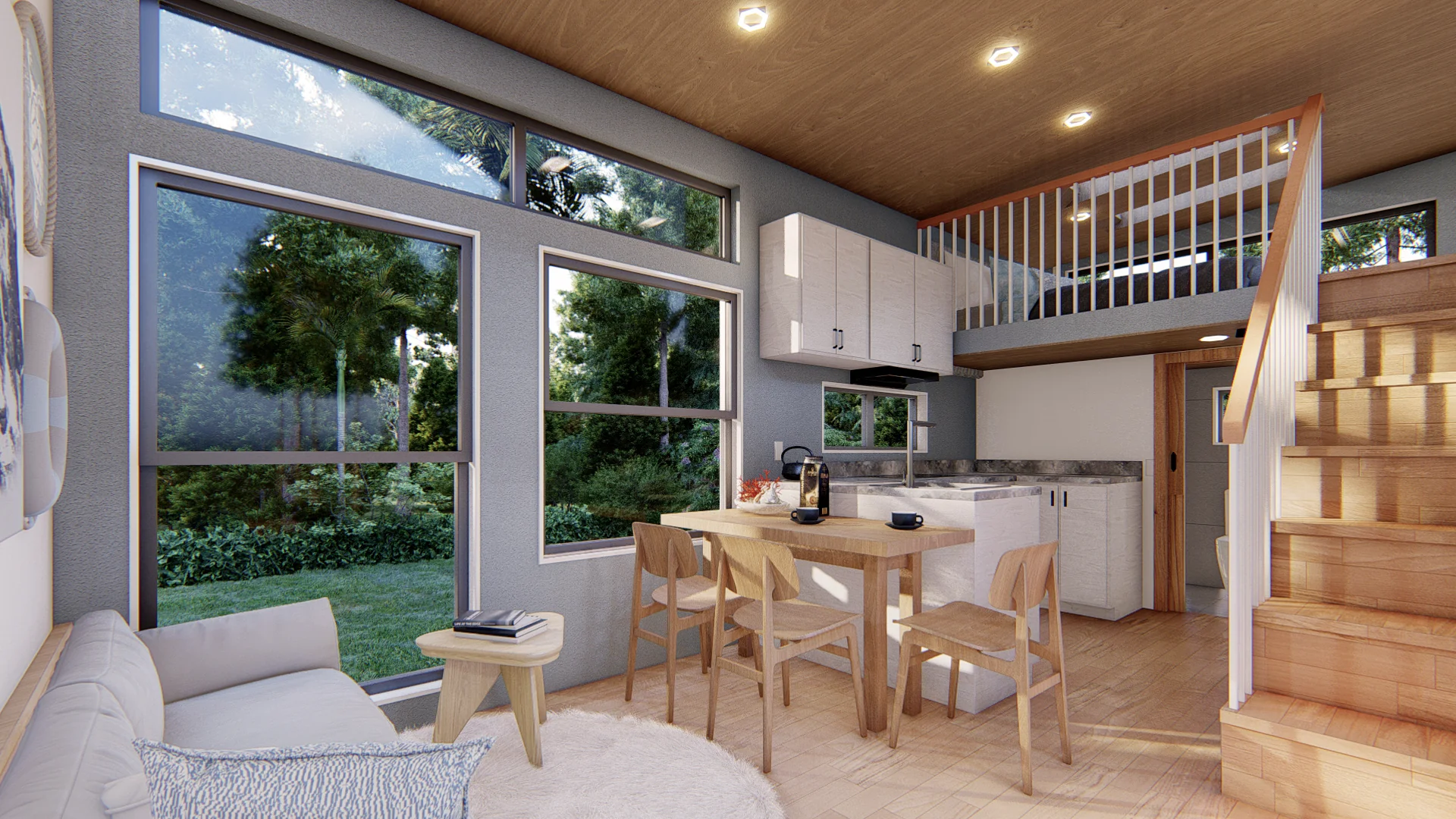
Tiny homes often incorporate creative storage solutions, built-in furniture, and adaptable layouts. While space is limited, well-designed interiors can maximize usability. Buyers considering this lifestyle should carefully evaluate how daily routines will adapt to smaller surroundings.
Financial Considerations Beyond the Purchase Price
Tiny homes can offer cost benefits beyond initial acquisition. Heating and cooling expenses are typically lower due to reduced square footage. Efficient insulation and compact layouts allow temperature regulation with less energy consumption.
Long-term financial considerations often include:
- Lower electricity and heating fuel usage
- Reduced landscaping and exterior upkeep costs
- Simplified cleaning and maintenance routines
- Potential eligibility for energy-efficient upgrades
However, financing structures can differ from traditional homes. Tiny houses built on permanent foundations and compliant with local building codes may qualify for conventional mortgages. Mobile units or structures classified as personal property may require alternative financing arrangements. Buyers should carefully review lending requirements before proceeding.
Insurance costs may also vary depending on foundation type, mobility classification, and land ownership status. Evaluating these factors early can help avoid unexpected expenses.
Zoning Regulations and Land Ownership
One of the most important aspects of purchasing a tiny home involves understanding zoning laws. Not all municipalities permit tiny homes as primary residences. Minimum square footage requirements, foundation rules, and local building codes can influence what is legally acceptable.
Before purchasing, buyers should research:
- Local minimum dwelling size regulations
- Foundation and structural compliance requirements
- Accessory dwelling unit policies
- Utility connection standards
- Land use and placement restrictions
Land ownership is another critical factor. Some buyers place tiny homes on privately owned land, while others join established tiny home communities. Leasing land may reduce upfront costs but can influence long-term stability and resale value. Ownership of land generally provides more control but requires a thorough evaluation of septic systems, water access, road connectivity, and municipal permits.
Because zoning policies vary significantly between provinces, states, and municipalities, localized knowledge is essential.
Resale Potential and Market Demand
Resale value is often a concern among buyers entering the tiny home market. Demand varies depending on region, regulatory flexibility, and buyer demographics. In areas facing significant affordability constraints, interest in smaller housing may remain strong. In markets with abundant large home inventory and limited zoning allowances, resale could be more challenging.
Market demand for tiny homes tends to align with:
- High traditional home prices
- Growing remote work populations
- Regions supportive of accessory dwelling units
- Buyers prioritizing sustainable living
Understanding local acceptance and market saturation levels can help buyers evaluate long-term potential. As housing needs evolve, diversified housing options may become increasingly normalized.
Addressing Common Misconceptions
Despite rising popularity, misconceptions about tiny homes persist. Some assume that compact living automatically leads to discomfort. In practice, well-designed layouts can offer efficient and pleasant living environments.
Another misconception is that tiny homes are only temporary solutions. While they may not suit every household configuration, many individuals and couples choose small living arrangements as long-term residences. Lifestyle compatibility is the determining factor.
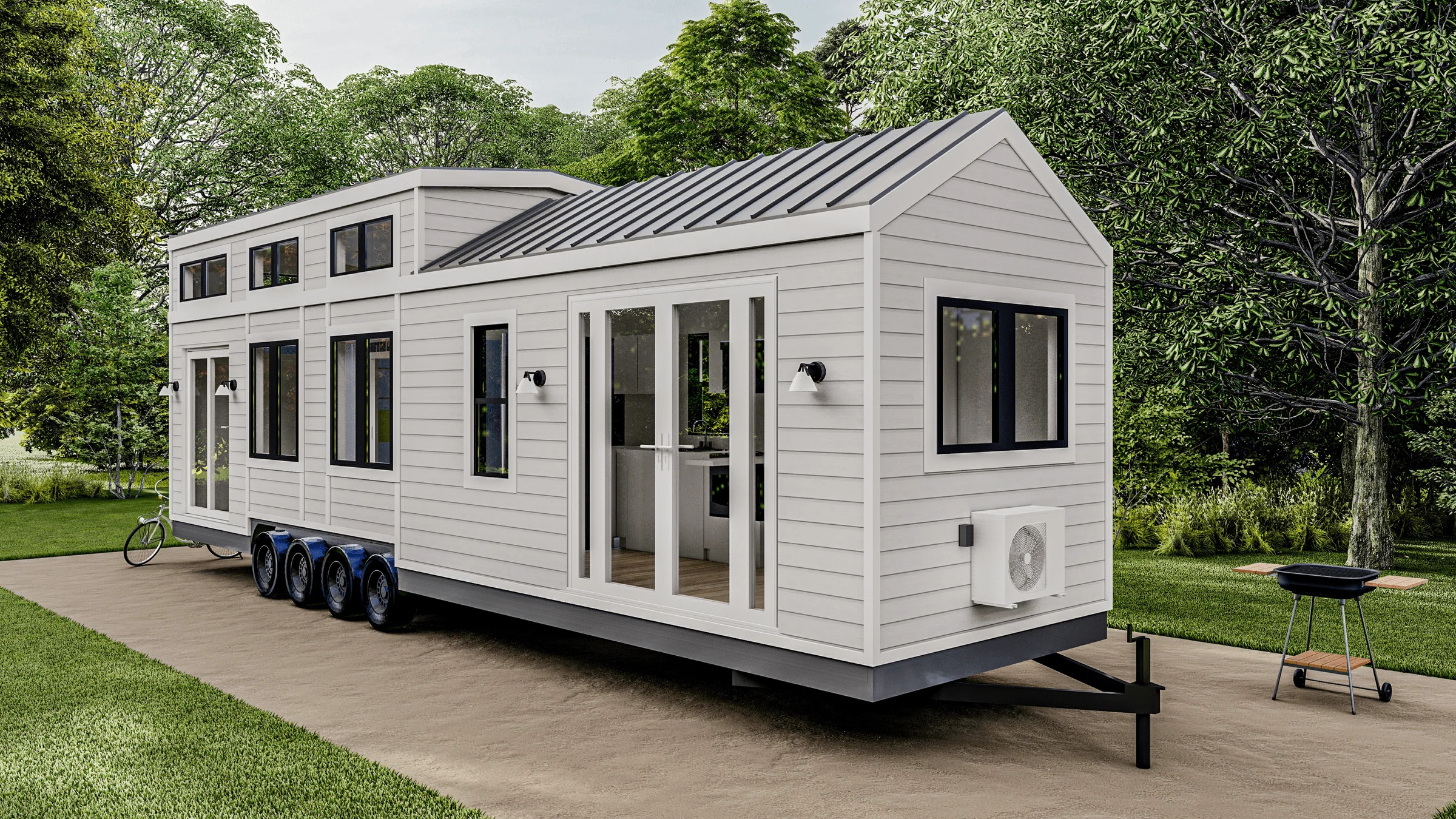
Mobility is also frequently misunderstood. Some tiny homes are built on trailers and designed to move, while others are permanently affixed to foundations. Mobility may introduce additional regulatory and transportation considerations that buyers should evaluate carefully.
Lifestyle Compatibility and Storage Planning
Transitioning to a tiny home requires careful reflection. Downsizers moving from larger properties must consider how they will manage belongings and adjust daily routines.
Buyers should evaluate:
- Storage capacity for clothing and personal items
- Workspace requirements for remote employment
- Kitchen functionality for meal preparation
- Guest accommodation needs
- Privacy considerations within compact layouts
Creative storage design can significantly influence comfort. Vertical shelving, under-stair compartments, and multi-functional furniture are common features that maximize space efficiency.
Natural light and ventilation are equally important. Adequate window placement and thoughtful design can prevent smaller interiors from feeling confined.
Sustainability and Environmental Impact
Sustainability is another motivating factor behind the tiny home movement. Smaller dwellings often require fewer raw materials for construction. Lower energy consumption reduces environmental impact over time.
Many tiny homes incorporate:
- Energy-efficient appliances
- High-performance insulation
- Solar power integration
- Water conservation systems
While environmental benefits can be meaningful, outcomes depend on construction quality and maintenance practices. Buyers interested in sustainability should verify insulation standards, window ratings, and appliance efficiency levels.
Market Trends Influencing the Future
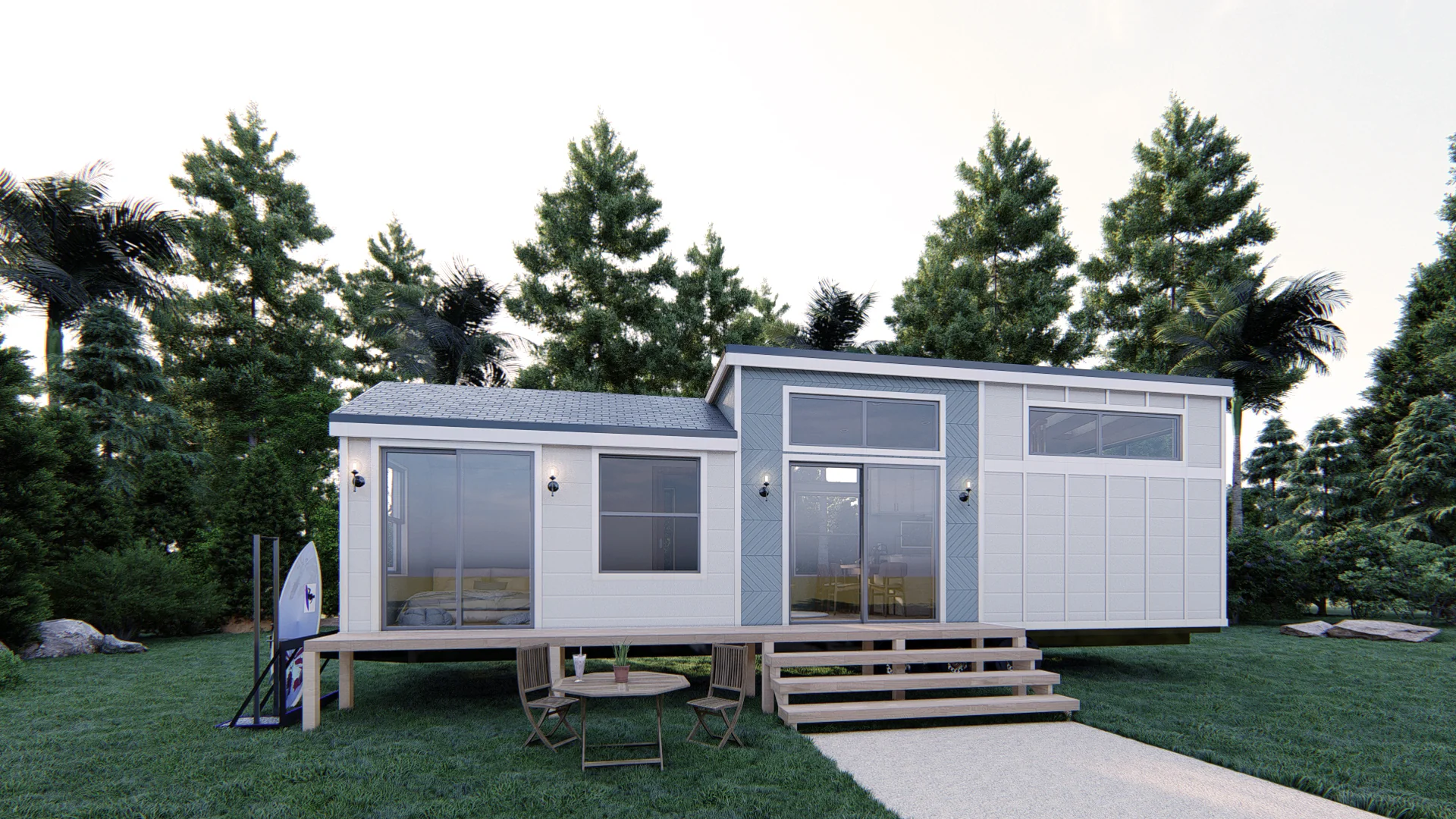
Tiny homes are contributing to broader discussions about housing diversification. Urban planners and policymakers are increasingly exploring how alternative housing models can address inventory shortages without extensive large-scale development.
Accessory dwelling units, compact residential communities, and flexible zoning models reflect growing interest in adaptable housing strategies. As affordability pressures continue, demand for alternative living arrangements may remain part of the housing conversation.
Bringing It All Together
Tiny homes represent more than a design trend. They reflect economic realities, lifestyle shifts, and evolving priorities within the North American housing market. For downsizers and first-time buyers alike, compact living offers financial flexibility, reduced maintenance responsibilities, and the potential for simplified daily life.
At the same time, purchasing a tiny home requires careful evaluation of zoning laws, land ownership structures, financing eligibility, and resale demand. Lifestyle compatibility must be assessed realistically, particularly about storage capacity, workspace needs, and long-term comfort.
By approaching the process with thorough research and informed decision-making, buyers can determine whether tiny home ownership aligns with their financial and personal goals. As part of the broader real estate landscape, tiny homes continue to influence how North Americans think about space, sustainability, and long-term housing strategies.


.svg)
.jpg)
.jpg)