Why Portable Chicken Coops Work Well in Tiny Spaces

.jpg)
More people living in tiny homes and on modest properties are choosing to keep chickens, and it is easy to see why. A small flock can provide fresh eggs, help with pest control, and produce manure that can be composted for the garden. For many people, chickens are a practical way to get more value from the yard they already have while supporting a simpler, more self-reliant lifestyle.
Still, raising chickens in a small yard comes with its own challenges. Traditional coops take up precious room, and when birds stay in one place for too long, the ground can quickly become muddy, worn, and difficult to manage. In a compact setting, those problems show up fast and can make the whole yard feel less usable.
That is where portable chicken coops stand out. Because they can be moved around the yard, they help spread out the impact on the ground and give chickens fresh places to forage. In a tiny space, that flexibility can make chicken keeping feel far more practical and much easier to live with day to day.
Raising Chickens in Small Outdoor Spaces
Chickens are a natural fit for many small living setups. Even a modest flock can provide a steady supply of eggs and bring more purpose to a backyard. For people who want a practical food source without taking on the demands of larger animals, chickens are often a manageable place to begin.
They can also be useful beyond egg production. Chickens forage for insects and other small pests, which can help around gardens and landscaped areas. Their manure, once properly composted, can enrich soil and support healthier planting beds. That combination makes them especially appealing for homeowners who want their yard to do more than just look nice.
Another reason chickens work well in smaller spaces is that they are generally easier to care for than larger livestock. They do not need acres of land, and with the right setup, they can fit into many compact properties without overwhelming the space.
Even so, success depends on planning. The number of birds, the shape of the yard, and the type of coop all affect how well the arrangement works over time. In many cases, the coop itself becomes the deciding factor between a setup that feels smooth and one that turns into constant work.
The Problem With Fixed Coops in Tiny Spaces
Traditional chicken coops are usually meant to stay in one spot. On a larger property, that may not be a major issue. In a smaller yard, though, a fixed coop can take over a surprising amount of space and leave less room for garden beds, seating areas, walkways, or everyday outdoor use.
The ground around the coop can also deteriorate quickly. Chickens scratch, peck, and forage constantly, and when they do all of that in one place, grass and plants do not stand much of a chance. Before long, what started as a green patch of yard can turn into bare dirt.
Waste is another common problem. When chickens stay in one area, manure builds up in that same spot. In a compact yard, odors, mud, and messy conditions do not take long to become harder to ignore, especially during rainy periods.
A fixed coop can also make the yard less flexible overall. Once it is in place, it is harder to adjust the layout of the space or rotate chickens into new areas. For homeowners working with less room outside, that lack of flexibility can make chicken keeping feel much more restrictive than expected.
Why Portable Chicken Coops Work Better
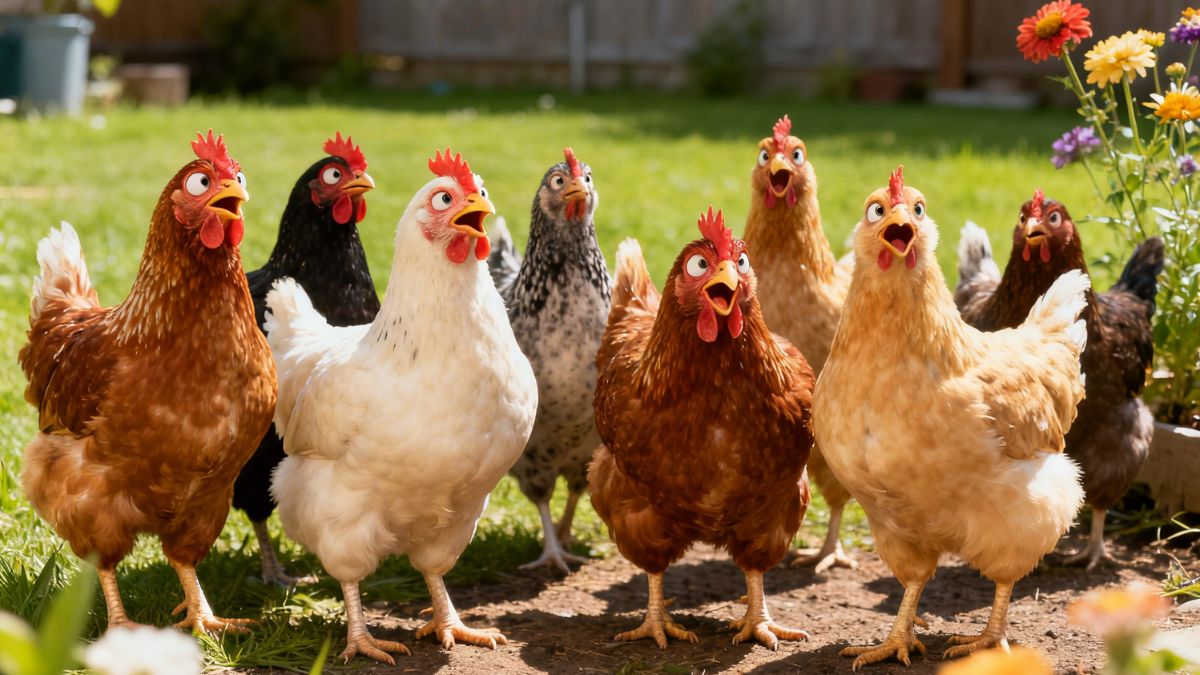
Portable chicken coops solve many of the problems that come with keeping chickens in a smaller yard. Instead of staying in one permanent location, they can be moved to different parts of the property. That one change can make the entire setup easier to manage and reduce the wear placed on any single area.
In tiny spaces, movement matters. Shifting the coop every few days or every week gives the ground underneath time to recover. Grass has a chance to regrow, the soil stays in better shape, and the yard is less likely to end up with the worn, overused patches that fixed coops often create.
Movable coops also make it easier to guide where chickens spend their time. Rather than confining the flock to one permanent section of the yard, homeowners can shift birds to different areas as needed. That flexibility makes it easier to manage a smaller property without letting one section of the yard take all the wear.
Some movable coop designs are built to make this process simpler. Systems like The Mobile Chicken House allow chickens to access fresh ground while keeping their shelter secure and easy to reposition within smaller yards.
That mix of flexibility and better ground management is a big reason portable coops work so well in limited spaces. They help reduce damage, support cleaner conditions, and make chicken keeping feel much more realistic when every part of the yard matters.
Cleaner Conditions in Smaller Areas
Keeping chickens in a compact yard means paying close attention to cleanliness. When birds stay in one place too long, manure builds up quickly, leading to strong odors, muddy patches, and ground that wears down faster than most people expect.
Portable chicken coops help reduce those issues by giving birds access to fresh ground regularly. Moving the coop spreads manure across different areas instead of allowing it to collect in one spot. That can help support healthier soil while cutting down on how much cleanup is needed in any one place.
Regular movement also helps protect the yard's surface. Chickens scratch constantly while searching for seeds, insects, and plants. If they stay in the same area, they can strip away the grass and expose the soil underneath. Rotating the coop gives those sections time to recover, which helps keep the yard cleaner and more functional.
Cleaner conditions are also better for the flock. Dry ground, fresh areas to forage, and steady sanitation all contribute to healthier birds, as noted in RSPCA guidance on caring for backyard chickens.
In a yard with limited room, these details make a noticeable difference. Portable coops make it easier to manage waste, protect grass, and keep the area around the flock in better condition without needing a large amount of land.
More Flexibility for Gardens and Outdoor Living
On a small property, the yard often has to serve several purposes at once. It may need to hold garden beds, seating areas, storage, pathways, and open space for everyday use. When a chicken coop stays fixed in one place, it can throw off that balance and make the yard feel more crowded than it already is.
Portable chicken coops create breathing room. Because they can be moved, homeowners do not have to give one part of the yard over to poultry full-time. Chickens can spend part of the season in one area while the rest of the space stays available for gardening, relaxing, or other daily use.
That flexibility can also help protect plants. By rotating where chickens spend time, it becomes easier to keep them away from garden beds, young seedlings, or decorative landscaping. With a little planning, chickens can be part of the yard without dominating it.
Seasonal changes make this even more useful. During wetter months, the coop can be moved to better-draining ground. In drier weather, the flock can be rotated through other parts of the yard that can handle more foraging and scratching. There is no need to work around a permanent structure that is stuck in the wrong spot.
For people with limited outdoor space, that adaptability can make the whole yard easier to use. The yard does not have to revolve around the coop. The coop can shift with the way the space is actually used.
.jpg)
What to Consider Before Choosing a Portable Coop
Portable chicken coops can make raising chickens much easier in a small space, but the setup still needs to suit both the property and the flock. A few practical details can have a big impact on how well things work over time.
Flock size is one of the first things to consider. Smaller coops are designed for a limited number of birds, and overcrowding can quickly lead to sanitation and health problems. The coop should provide enough room for roosting, nesting, and daily movement so the birds stay comfortable and the setup remains manageable.
Ease of movement matters just as much. A portable coop should be light enough or well-designed enough to move without making the process a struggle. Features like wheels, handles, or skid-style bases can make repositioning much easier, especially after rain or on uneven ground.
Weather protection and predator safety are also essential. Even a movable coop needs to provide reliable shelter from wind, rain, and shifting temperatures. Secure latches, sturdy framing, and durable wire help protect the flock while the birds spend time outdoors.
It is also worth thinking about how the coop will fit into the rhythm of the yard. Some spaces can handle frequent rotation, while others may need a slower pattern to avoid overuse. People interested in keeping poultry with limited outdoor space can also explore raising chickens in tiny spaces for more insight into how chickens fit into smaller properties.
When those factors are considered from the start, a portable coop is much more likely to work with the yard instead of against it. That makes keeping chickens in a compact space feel much more practical in the long run.
Conclusion
Keeping chickens in a small outdoor area often requires a different approach than a traditional backyard setup. Permanent coops can take up valuable room and create concentrated wear on the ground when birds stay in one place for long periods.
Portable chicken coops offer a practical alternative. By moving the coop across different parts of the yard, homeowners can reduce pressure on any one area while giving chickens fresh places to forage. That movement supports cleaner conditions, healthier soil, and a yard that stays more useful over time.
For people working with limited outdoor space, flexibility is often what makes chicken keeping manageable. With thoughtful planning and a coop that can be repositioned when needed, it is possible to keep a small flock while maintaining a yard that still feels clean, functional, and enjoyable.


.svg)

.jpg)