A Beginner’s Guide to Tiny House Regulations in Spain

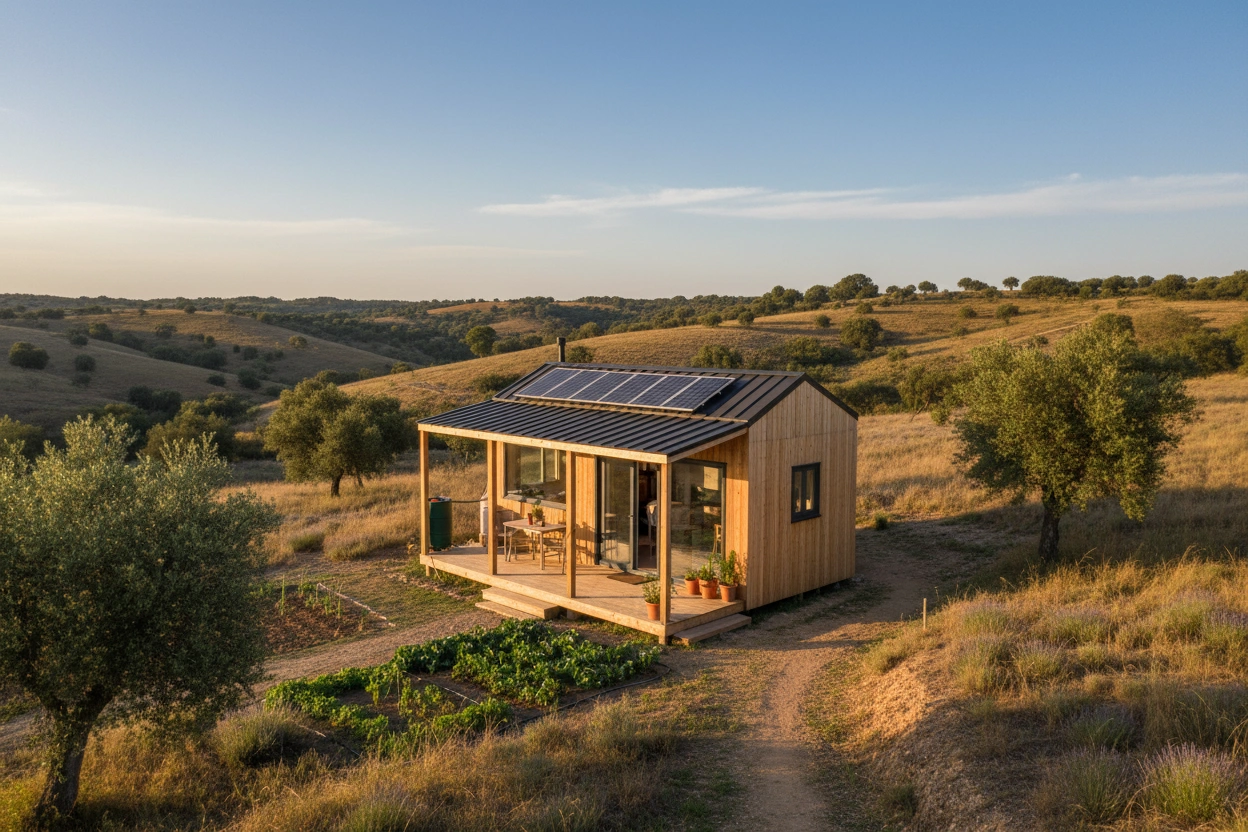
The tiny house movement has gained significant traction in various parts of the world, and Spain is no exception. With its beautiful landscapes, favorable climate, and a growing interest in minimalism, many are considering living in a tiny house in Spain. However, before making this lifestyle change, it's crucial to understand the regulations governing tiny homes in the country. This guide will provide an in-depth look at the regulations you need to be aware of and highlight some of the most appealing tiny house communities across Spain.
Understanding Tiny House Regulations in Spain
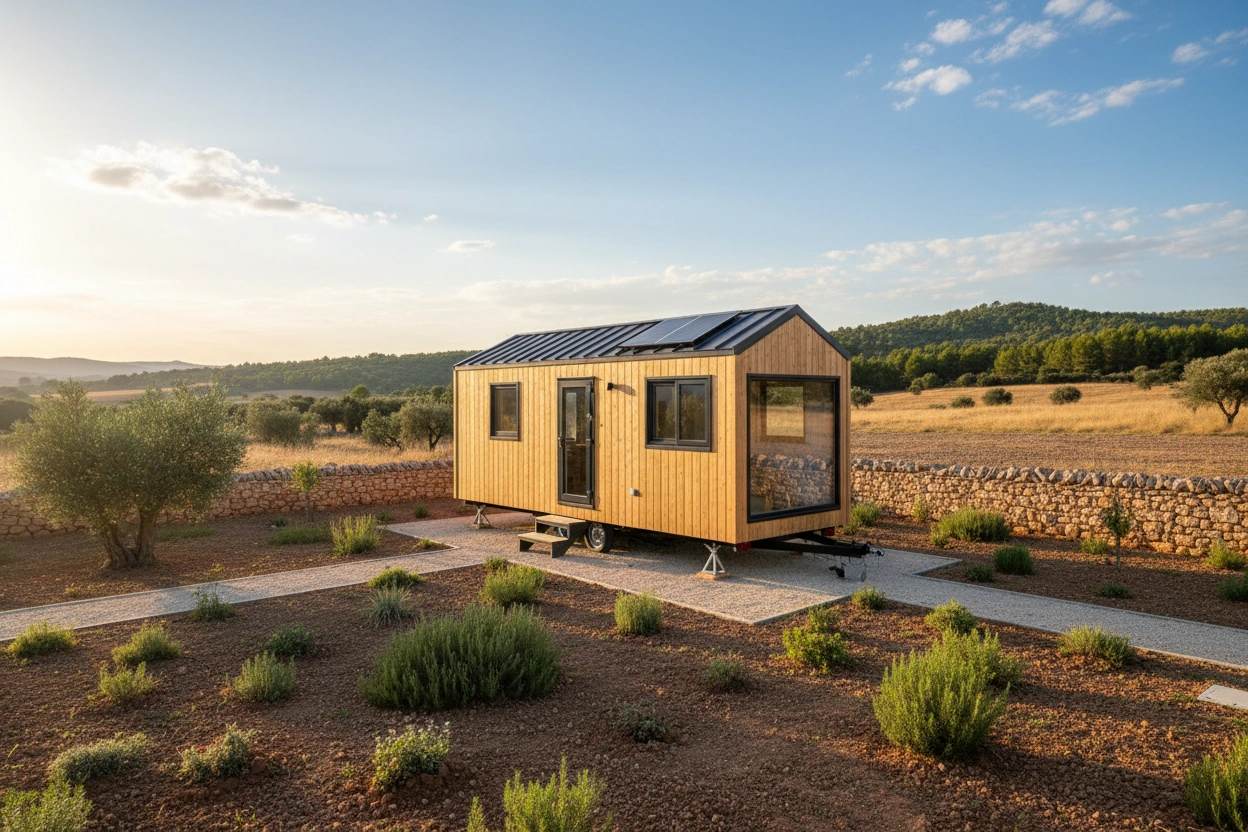
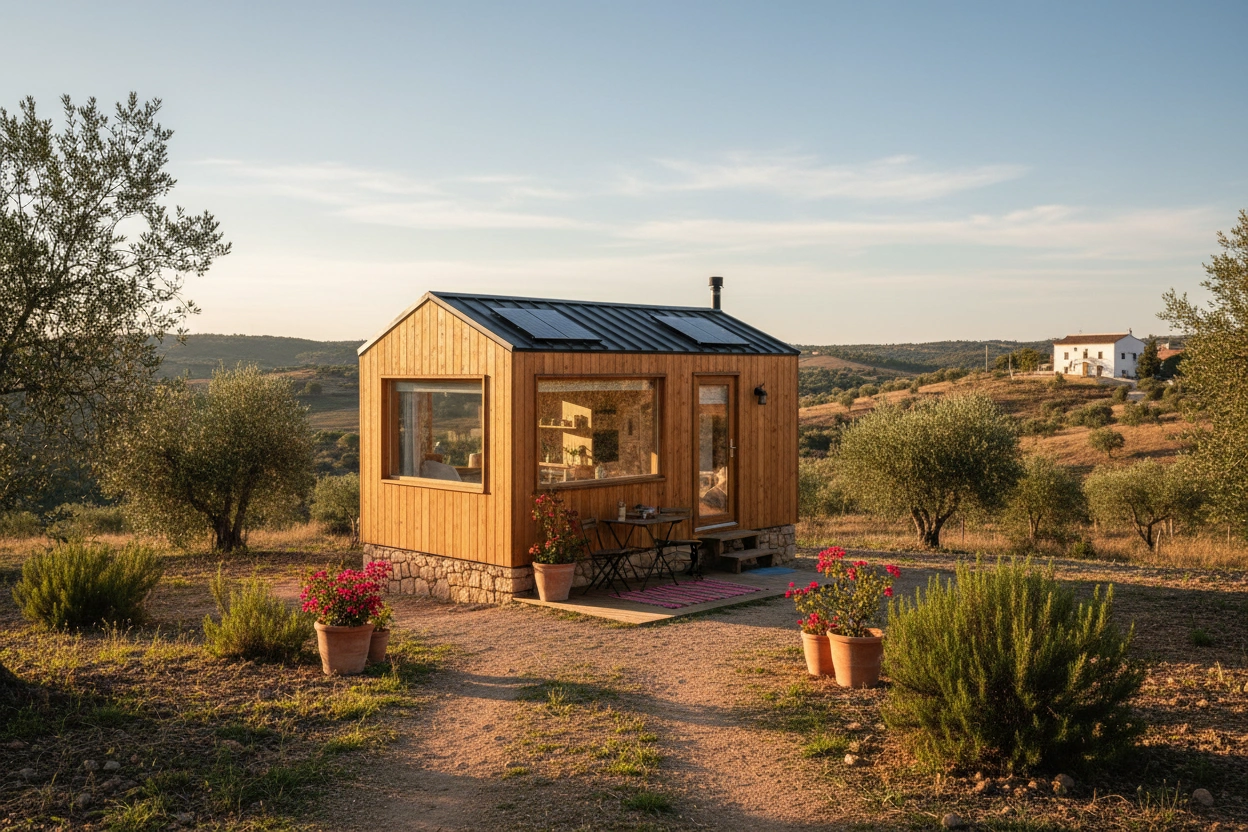
The legal landscape for tiny houses in Spain can be complex, as regulations vary significantly by region and municipality. Generally, tiny houses must adhere to local building codes, zoning laws, and land use regulations. Understanding these regulations is essential for anyone considering living in a tiny house in Spain.
Local Building Codes and Zoning Laws
Building codes in Spain are designed to ensure safety, structural integrity, and environmental sustainability. These codes can differ from one autonomous community to another. When building or purchasing a tiny house, it is important to:
- Consult local authorities to understand specific building codes.
- Ensure compliance with safety standards, including electrical and plumbing installations.
- Verify if the tiny house needs to be registered or classified as a permanent dwelling.
Zoning laws dictate where tiny houses can be located. Some areas may permit tiny houses on private land, while others may restrict them to designated residential zones. Researching the zoning regulations in your desired location is a critical first step.
Land Use Regulations
Land use regulations can greatly affect your ability to live in a tiny house. In Spain, there are several classifications of land, including:
- Urban land: This is typically where most residential properties are located. Tiny houses may be permissible if they meet local regulations.
- Rustic land: Often used for agricultural purposes, living in a tiny house on rustic land can be more complicated due to stricter regulations.
- Protected areas: Certain regions, such as national parks or historical sites, have regulations that may prohibit the placement of any structures.
Understanding the classification of your desired land is vital to ensure compliance with Spanish laws.
Common Misconceptions About Tiny Houses in Spain

While the idea of living in a tiny house may seem straightforward, there are several misconceptions that could lead to complications. Here are some of the most prevalent myths:
Tiny Houses Are Always Legal
One common misconception is that tiny houses are legal everywhere in Spain. This is not true. As mentioned earlier, regulations vary by region, and many municipalities have specific rules regarding tiny homes. Always verify local regulations before making any decisions.
Tiny Houses Are Only for Minimalists
Another myth is that tiny houses are only suitable for those who want to live a minimalist lifestyle. While many tiny house owners embrace minimalism, these homes can be customized to accommodate various lifestyles and needs. Whether you're a remote worker or a family, a tiny house can be designed to fit your requirements.
Tiny Houses Are Cheaper Than Traditional Homes
While many people are drawn to tiny houses because of their perceived affordability, this isn't always the case. The cost of building or buying a tiny house in Spain can vary significantly based on factors such as location, materials, and design. It's essential to conduct thorough research and budgeting before committing to a tiny house.
Top 10 Tiny House Communities in Spain
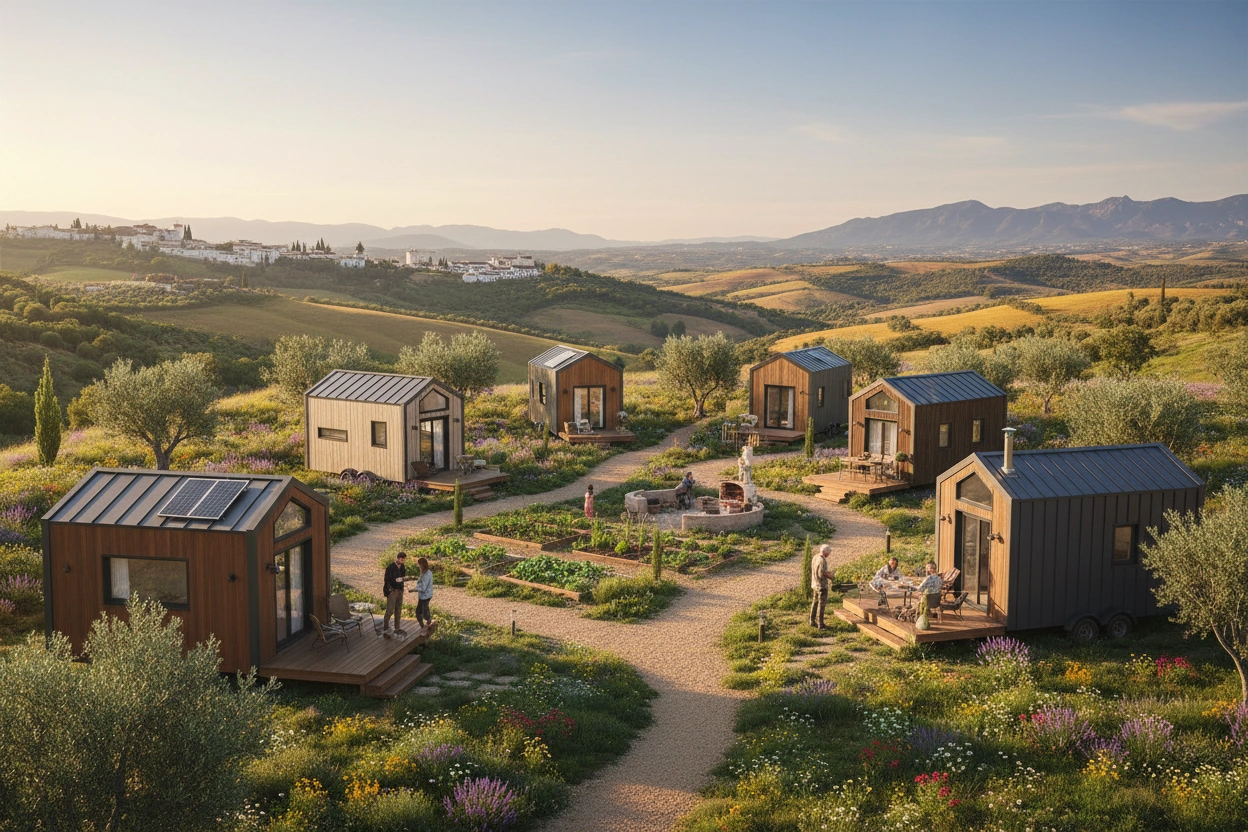
Spain is home to numerous tiny house communities that offer unique living experiences and a sense of community. Here are ten notable tiny house communities you might consider:
Tiny House Village in Granada
- Nestled in the Sierra Nevada mountains, this community focuses on sustainable living and offers stunning views.
EcoTiny in Mallorca
- Set on the island of Mallorca, EcoTiny promotes eco-friendly practices and is surrounded by nature.
Tiny House Community in Valencia
- Located near the beach, this community blends urban and natural living, making it ideal for those who enjoy both.
Green Haven in Andalusia
- A community dedicated to permaculture and sustainable living, offering workshops and shared resources.
The Tiny House Retreat in Catalonia
- An idyllic retreat that combines relaxation and community living with easy access to outdoor activities.
Tiny House Village in Asturias
- Set amidst lush greenery, this village emphasizes a connection to nature and local culture.
Nomad Village in Alicante
- A vibrant community catering to digital nomads with shared workspaces and social activities.
Tiny House Eco-Village in Galicia
- Focused on sustainable practices, this community offers a collaborative living environment.
The Tiny House Project in La Rioja
- An innovative project that integrates tiny homes into the wine country landscape, promoting local tourism.
Tiny House Community in the Basque Country
- Known for its rich culture and culinary delights, this community provides a unique living experience in a picturesque setting.
Steps to Building or Buying a Tiny House in Spain
If you're ready to embark on the journey of owning a tiny house in Spain, follow these essential steps:
- Research local regulations thoroughly to understand what is permissible in your desired area.
- Create a budget that includes all potential costs, from land acquisition to construction materials.
- Choose a suitable plot of land that aligns with your needs and complies with local zoning laws.
- Design your tiny house, considering both your lifestyle and local building codes.
- Obtain necessary permits and approvals before starting construction.
- Build your tiny house or purchase a pre-built model, ensuring it meets all safety and regulatory standards.
- Move in and embrace your new lifestyle, joining the community of tiny house enthusiasts.
The Intersection of Tiny House Living and Community in Spain
Living in a tiny house in Spain offers not just a unique housing option but also a chance to be part of a growing community of like-minded individuals. These communities often emphasize sustainability, shared resources, and a supportive network, making the transition to tiny house living smoother and more enjoyable.
As you consider your options, remember that TinyHouse.com can be a valuable resource in your journey. Whether you're looking for detailed information on tiny house regulations in Spain or seeking advice on building your own tiny home, TinyHouse.com provides a wealth of knowledge to guide you through the process.
To learn more about tiny house living and find the resources you need, visit TinyHouse.com.


.svg)

.jpg)