How to Insulate Your Tiny House Roof for Maximum Comfort


When it comes to tiny house living, comfort is paramount. One of the most critical aspects of ensuring a cozy environment is proper insulation, particularly in the roof area. Insulating your tiny house roof effectively not only enhances comfort but also contributes to energy efficiency, reducing heating and cooling costs. In this guide, we will cover the best roofing materials for tiny houses, the pros and cons of each, and provide actionable insights on how to insulate your roof for optimal performance.
Understanding Tiny House Roofing
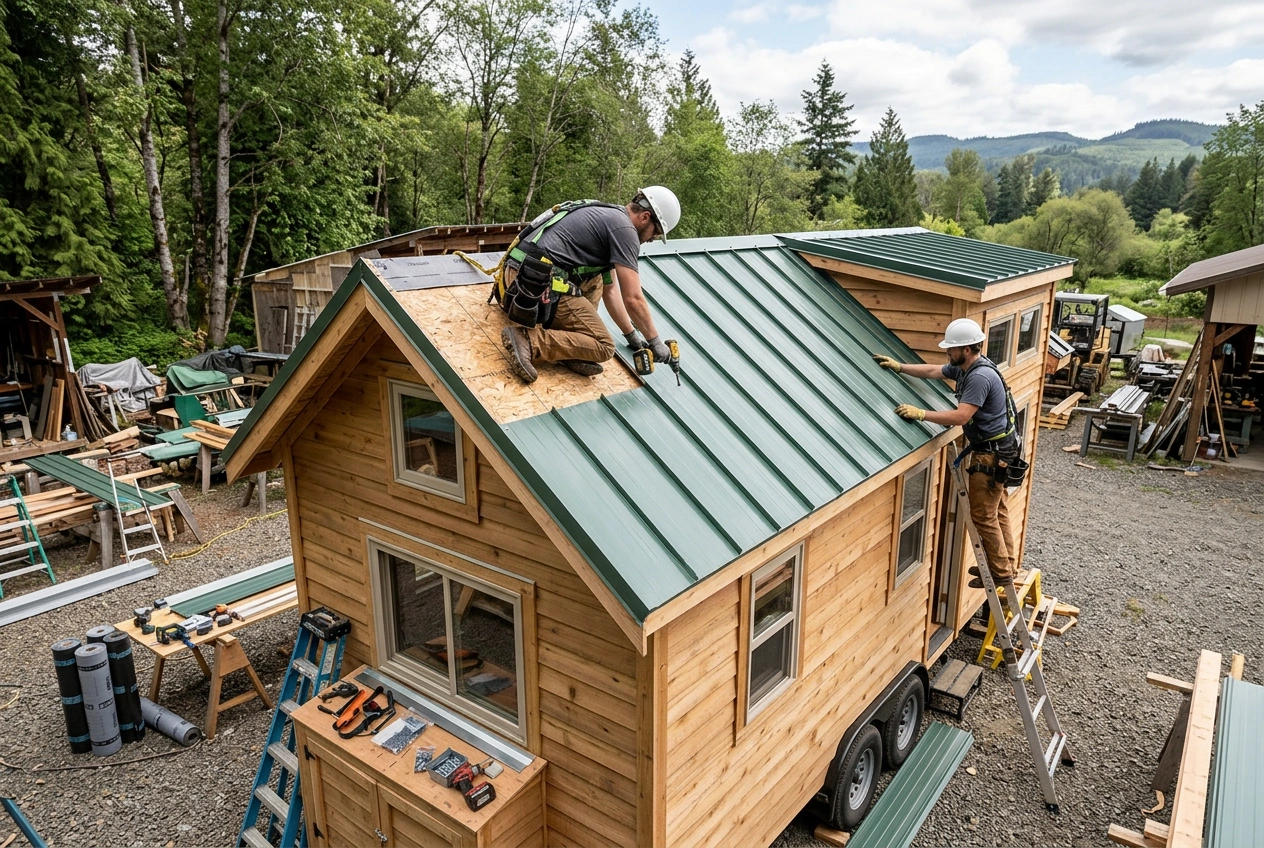
Tiny house roofing presents unique challenges and opportunities. The compact nature of tiny homes means that every square foot counts, and roofing is no exception. Insulation plays a vital role in maintaining a stable indoor temperature and preventing moisture-related issues, which can be particularly problematic in smaller spaces.
The Importance of Insulation
Insulation is essential for regulating temperature. A well-insulated roof keeps your tiny house warm during the winter and cool in the summer. Additionally, good insulation helps in soundproofing, making the living environment more pleasant. Here are some key benefits of insulating your tiny house roof:
- Energy Efficiency: Proper insulation reduces the need for heating and cooling systems, leading to lower energy bills.
- Comfort: Insulation maintains a consistent indoor climate, enhancing overall comfort.
- Moisture Control: Effective insulation prevents condensation, which can lead to mold and structural damage.
Top Roofing Materials for Tiny Houses
When selecting roofing materials for tiny houses, it's crucial to consider durability, weight, insulation properties, and cost. Here are some of the best roofing materials available, along with their pros and cons.
1. Metal Roofing
Metal roofing is a popular choice for tiny houses due to its durability and lightweight properties.
Pros:
- Long-lasting (up to 50 years)
- Lightweight, reducing structural load
- Reflects heat, improving energy efficiency
- Fire-resistant
Cons:
- Higher initial cost compared to asphalt shingles
- Can be noisy during rain or hail
- Requires proper insulation to prevent condensation
2. Asphalt Shingles
Asphalt shingles are one of the most common roofing materials for residential buildings, including tiny houses.
Pros:
- Affordable and widely available
- Easy to install and repair
- Variety of styles and colors
Cons:
- Shorter lifespan (15-30 years)
- Less environmentally friendly due to petroleum-based materials
- Requires proper ventilation to avoid moisture buildup
3. TPO (Thermoplastic Olefin)
TPO roofing is a single-ply membrane that is becoming increasingly popular for tiny homes.
Pros:
- Lightweight and easy to install
- Energy-efficient, reflecting sunlight
- Resistant to UV rays and punctures
Cons:
- Can be more expensive than traditional materials
- Installation requires professional expertise for best results
- Limited color options
4. Wood Shingles
Wood shingles or shakes offer a natural aesthetic that many tiny house owners appreciate.
Pros:
- Attractive and unique appearance
- Good insulation properties
- Renewable resource when sourced sustainably
Cons:
- Requires regular maintenance to prevent rot and insect damage
- Higher risk of fire
- Can be more expensive over time due to maintenance needs
5. Slate Roofing
Slate roofing is a premium choice known for its beauty and durability.
Pros:
- Extremely durable (can last over 100 years)
- Aesthetically pleasing with a classic look
- Environmentally friendly and recyclable
Cons:
- Very heavy, requiring reinforced framing
- Expensive and complex installation
- Limited availability in some regions
How to Insulate Your Tiny House Roof

Once you've chosen the roofing material, the next step is to ensure proper insulation. Here’s how to insulate your tiny house roof effectively:
1. Choose the Right Insulation Material
Selecting the appropriate insulation material is the foundation of effective roofing insulation. Here are some common options:
- Fiberglass Batts: Cost-effective and easy to install, but can be less effective in preventing air leaks.
- Spray Foam: Provides excellent insulation and air sealing but can be more expensive.
- Rigid Foam Board: Offers high insulation value and is easy to install, but requires careful sealing to prevent moisture issues.
2. Prepare the Roof Structure
Before installing insulation, ensure the roof structure is sound. Check for any signs of damage or moisture. Repair any issues and clean the surface thoroughly to ensure proper adhesion and sealing of insulation materials.
3. Install Insulation
Follow these essential steps for insulation installation:
- Measure the roof area to determine the amount of insulation required.
- Cut insulation materials to fit snugly between roof rafters.
- Secure the insulation in place, ensuring there are no gaps or spaces.
- Use a vapor barrier if necessary to prevent moisture buildup.
4. Seal and Finish
Once insulation is installed, sealing any gaps is critical to maximize efficiency. Use caulk or spray foam to seal edges and prevent air leaks. Finally, cover the insulation with the chosen roofing material, ensuring a secure and weather-tight finish.
Common Mistakes and How to Avoid Them
Insulating a tiny house roof can be straightforward, but several common mistakes can undermine your efforts. Here are a few pitfalls to watch out for:
- Neglecting Air Sealing: Failing to seal gaps can lead to air leaks, reducing insulation effectiveness. Always ensure proper sealing around insulation materials.
- Ignoring Ventilation: Proper ventilation is essential to prevent moisture buildup. Ensure there is adequate airflow in the roofing system.
- Overlooking Local Climate: Consider the local climate when choosing insulation materials. Some materials perform better in specific conditions, so tailor your choices accordingly.
The Path Forward with Tiny House Roofing
Understanding the nuances of tiny house roofing is essential for creating a comfortable living environment. By selecting the right roofing materials and insulation techniques, you can significantly enhance the comfort and energy efficiency of your tiny home. TinyHouse.com offers a wealth of resources and guidance to help you navigate your tiny house journey, ensuring you make informed decisions that align with your lifestyle and values.
For personalized assistance and expert advice on tiny house roofing and insulation, visit TinyHouse.com. We are committed to helping you build or buy your dream tiny home without the overwhelm. Explore our resources today!