
A Homeowner’s Guide to Affordable Tiny House Roofing Solutions

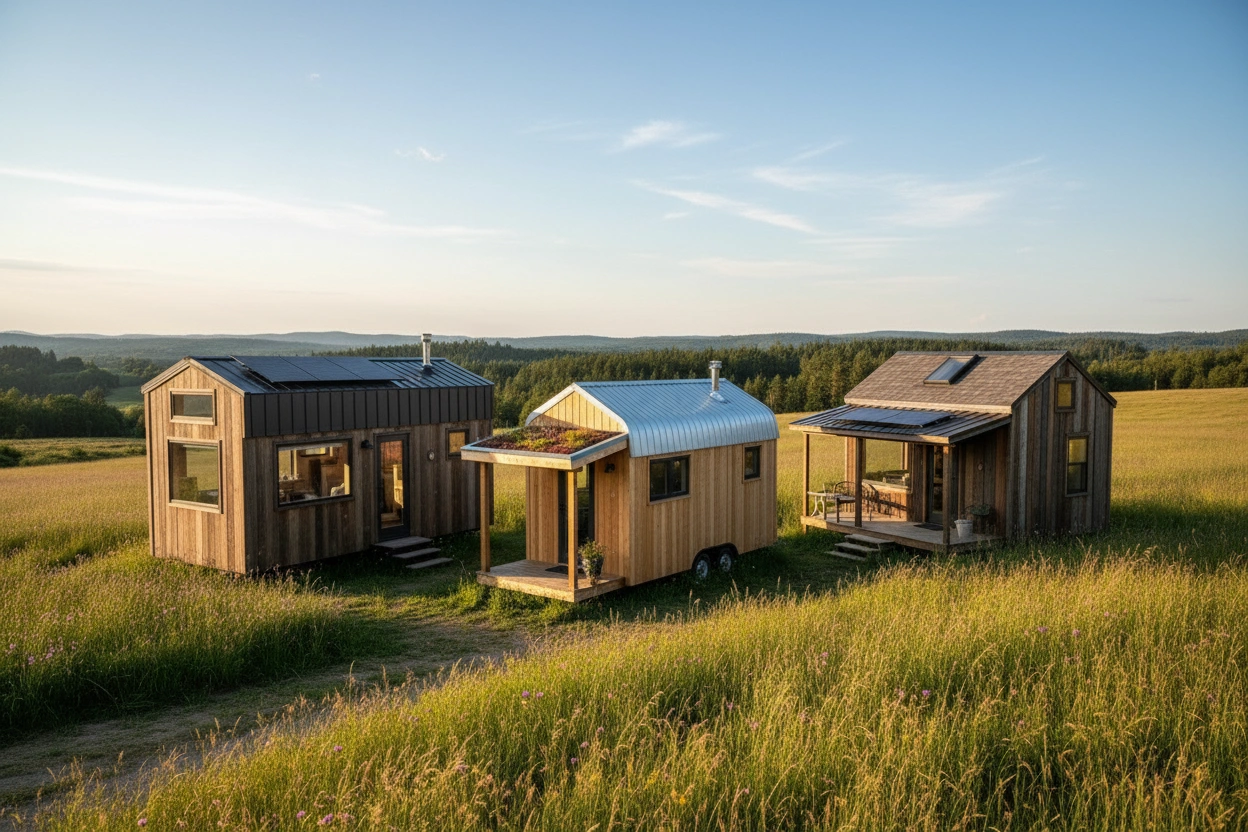
The tiny house movement has gained significant traction in recent years, offering an affordable and sustainable alternative to traditional housing. As more homeowners embrace this minimalist lifestyle, the importance of understanding tiny house roofing becomes paramount. The roof is not just a protective barrier against the elements; it plays a vital role in the overall aesthetic and energy efficiency of the home. This comprehensive guide will delve into various tiny house roof types, highlighting affordable solutions that cater to different needs and preferences.
Understanding Tiny House Roofing
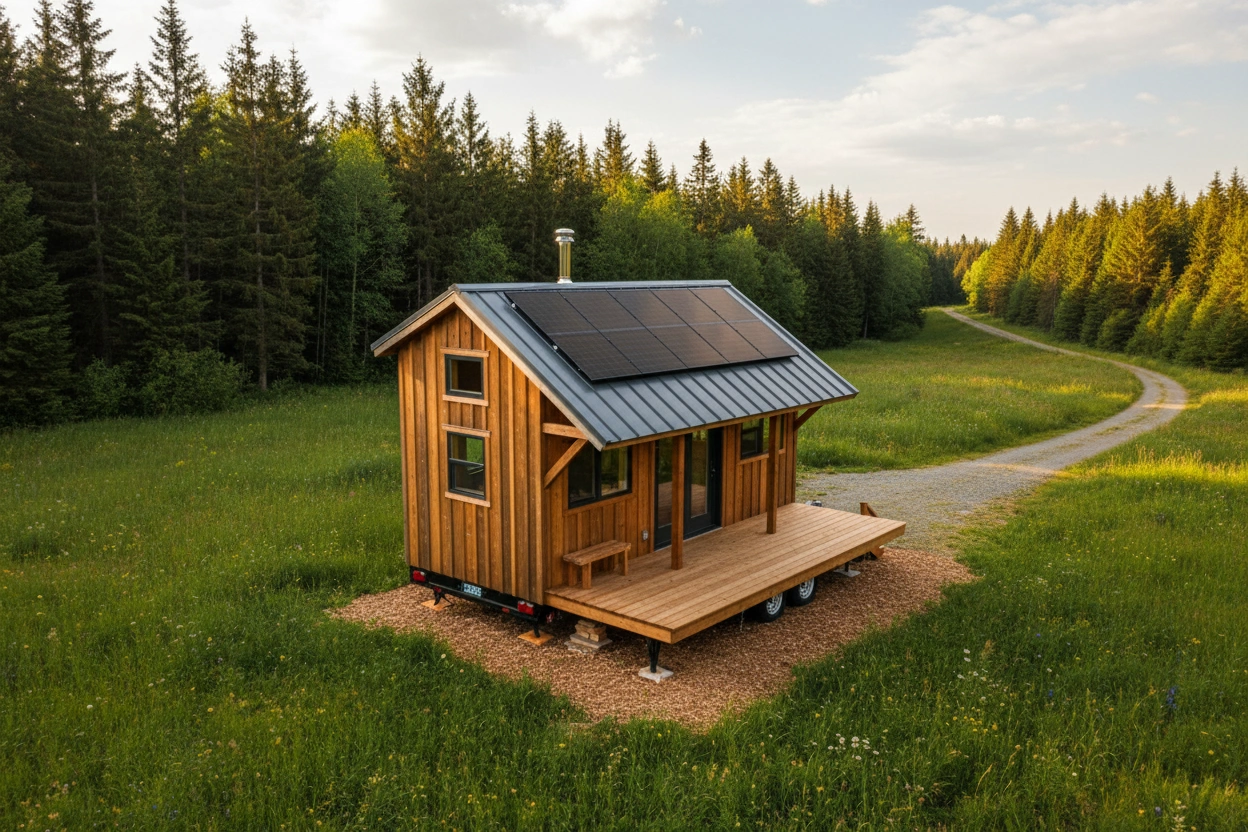
Tiny house roofing involves more than simply selecting a material; it encompasses understanding the structural integrity, energy efficiency, and design aesthetics that best suit your lifestyle. The right roof can enhance the durability of your tiny home while also providing insulation and reducing maintenance costs. Many homeowners mistakenly believe that all roofing materials are created equal. In reality, each type of roofing material has unique properties that can significantly impact the performance and longevity of your tiny house. Factors such as climate, weight, and cost should all be considered when selecting the appropriate roofing type.
Key Considerations for Tiny House Roofing
Climate Compatibility: Choose roofing materials that can withstand the specific weather conditions of your region, whether it be heavy snowfall, intense heat, or high winds.
Weight Restrictions: Tiny homes often have weight limitations due to their smaller frame. Lighter roofing materials like metal or asphalt shingles may be more suitable than heavier options like tile.
Cost-Effectiveness: While some materials may have lower upfront costs, consider the long-term savings on maintenance and energy efficiency.
Aesthetic Appeal: The roof is a defining feature of your tiny house's exterior. Choose a style that complements your overall design vision.
By keeping these considerations in mind, homeowners can make informed decisions that align with their tiny house goals.
Top 5 Roofing Types for Tiny Homes
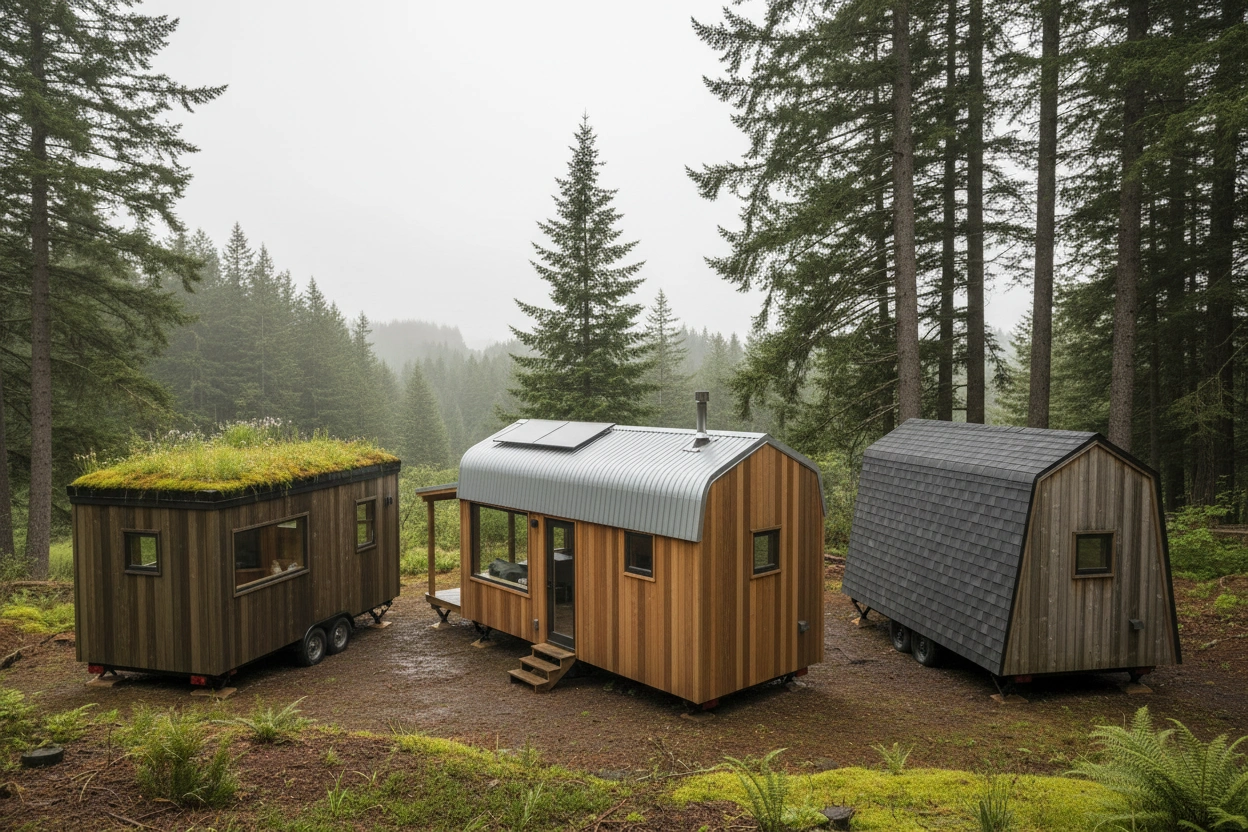
When it comes to tiny house roofing, several options stand out for their affordability, durability, and aesthetic appeal. Below are the top five roofing types that homeowners should consider:
1. Metal Roofing
Metal roofing is a popular choice for tiny homes due to its lightweight nature and longevity. Typically made from materials like aluminum or steel, metal roofs can last up to 50 years with proper maintenance.
Pros:
Highly durable and resistant to harsh weather
Energy-efficient, reflecting heat away from the home
Available in various colors and styles
Cons:
Higher upfront costs compared to other materials
Can be noisy during heavy rain or hail
2. Asphalt Shingles
Asphalt shingles are one of the most common roofing materials used in residential construction, including tiny homes. They are cost-effective and relatively easy to install.
Pros:
Affordable and widely available
Variety of colors and styles to choose from
Good insulation properties
Cons:
Shorter lifespan (15-30 years)
Vulnerable to wind damage if not installed correctly
3. Rubber Roofing
Rubber roofing, typically made from recycled tires, is an eco-friendly option that offers excellent waterproofing capabilities. This roofing type is particularly suitable for flat-roofed tiny homes.
Pros:
Durable and resistant to UV rays
Easy to repair and maintain
Environmentally friendly material
Cons:
Limited aesthetic appeal
Higher initial costs compared to asphalt shingles
4. Wood Shingles
Wood shingles provide a natural aesthetic that many tiny homeowners appreciate. Cedar is a common choice for its resistance to decay and insects.
Pros:
Attractive and blends well with nature
Excellent insulation properties
Can last up to 30 years with proper care
Cons:
Requires regular maintenance and treatment
Higher susceptibility to fire unless treated
5. Green Roofs
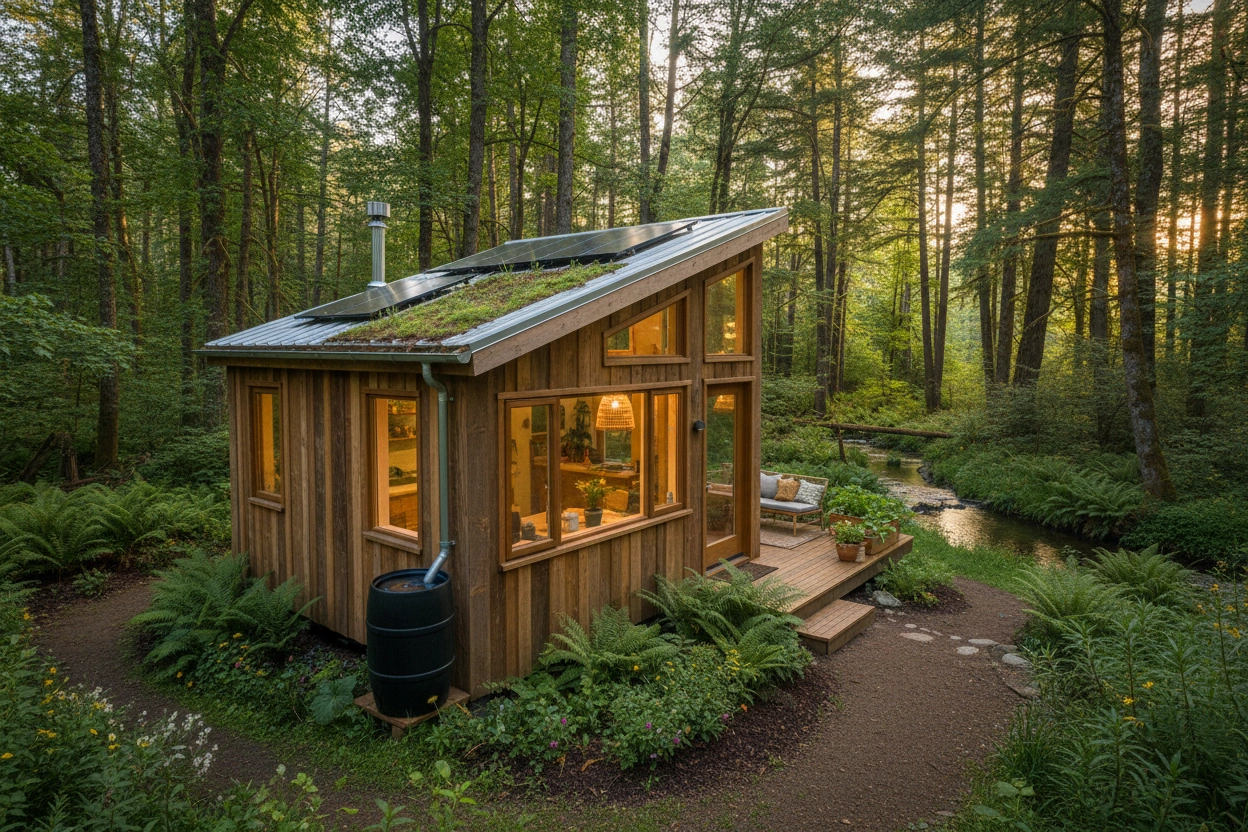
For the environmentally conscious homeowner, green roofs offer a unique blend of aesthetics and sustainability. These roofs support vegetation, providing insulation and reducing stormwater runoff.
Pros:
Improves energy efficiency
Enhances biodiversity and air quality
Offers a unique visual appeal
Cons:
High installation and maintenance costs
Requires structural support due to added weight
Installation Considerations for Tiny House Roofing
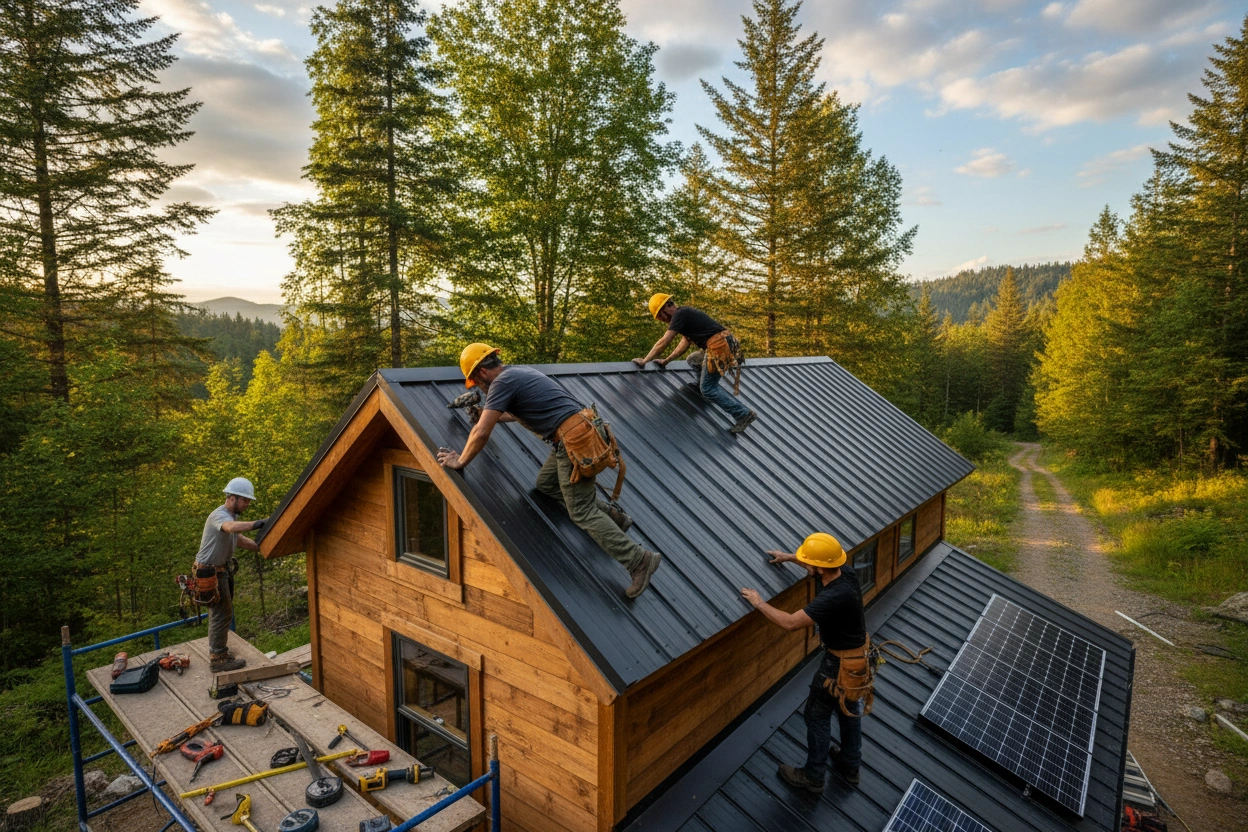
Once you’ve selected your preferred roofing type, the next step is installation. Proper installation is crucial to ensure the longevity and efficiency of your roof. Here are some essential considerations:
Hiring a Professional vs. DIY
Hiring a Professional: While hiring a contractor can be more costly, it ensures that the roofing is installed correctly, adhering to local building codes and best practices. Professionals have the expertise to navigate challenges that may arise during the installation process.
DIY Installation: For the handy homeowner, a DIY approach can save money. However, it requires a solid understanding of roofing techniques and safety protocols. Be prepared to invest time and effort into learning the process.
Essential Tools and Materials
If you opt for a DIY installation, ensure you have the right tools and materials:
Safety gear (gloves, goggles, harness)
Roofing materials (chosen type)
Tools (nail gun, hammer, roofing ladder)
Underlayment and flashing
Common Mistakes to Avoid in Tiny House Roofing
Even seasoned builders can make mistakes during the roofing process. Here are some common pitfalls to avoid:
Neglecting Local Building Codes: Always check local regulations regarding roofing materials and installation methods. Failure to comply can lead to fines or mandatory removal of the roofing.
Ignoring Proper Ventilation: Poor ventilation can lead to moisture buildup, resulting in mold and premature roof deterioration. Ensure your roof design allows for adequate airflow.
Overlooking Maintenance: Regular inspections and maintenance are essential for prolonging the lifespan of your roof. Address issues promptly to avoid costly repairs later.
Enhancing Energy Efficiency with Tiny House Roofing
Tiny house roofing can significantly impact energy efficiency. Here are some strategies to enhance this aspect:
Insulation Techniques
Use high-quality insulation materials to reduce heat loss in winter and heat gain in summer. Insulated roofing panels can be an effective option.
Cool Roof Options
Consider reflective roofing materials that can help lower cooling costs by reflecting sunlight away from the home. This is particularly beneficial in warmer climates.
Solar Panels Integration
If budget permits, integrating solar panels into your roofing system can provide renewable energy, reducing reliance on traditional power sources.
The Future of Tiny House Roofing
As the tiny house movement continues to evolve, so too will the roofing solutions available. Innovations in materials and technology are paving the way for even more sustainable and efficient options. Homeowners are increasingly looking for roofs that not only protect but also contribute to energy savings and environmental sustainability.
Innovations in Roofing Materials
New materials, such as solar shingles and advanced composites, are emerging on the market. These innovations promise to enhance energy efficiency while maintaining aesthetic appeal.
The Role of Sustainability
As environmental concerns grow, more tiny homeowners are prioritizing sustainable roofing solutions. This trend is likely to shape the industry, pushing for greener options that minimize ecological footprints.
The Intersection of Tiny House Roofing and Sustainable Living
In summary, understanding tiny house roofing is crucial for any homeowner looking to build or renovate their tiny home. The right roofing choice not only protects your investment but also enhances the overall sustainability and aesthetic of your living space. By considering various roofing types and installation practices, you can create a functional and appealing roof that meets your needs.
For those interested in exploring more about tiny house roofing options and solutions, TinyHouse.com is an invaluable resource. You can find expert advice, materials, and support to help you navigate your tiny house journey successfully. To learn more about mortgage options for tiny homes and other aspects of tiny living, visit TinyHouse.com today.


.svg)
.jpg)
.jpg)