
Tiny House Design Mistakes to Avoid for First-Time Builders

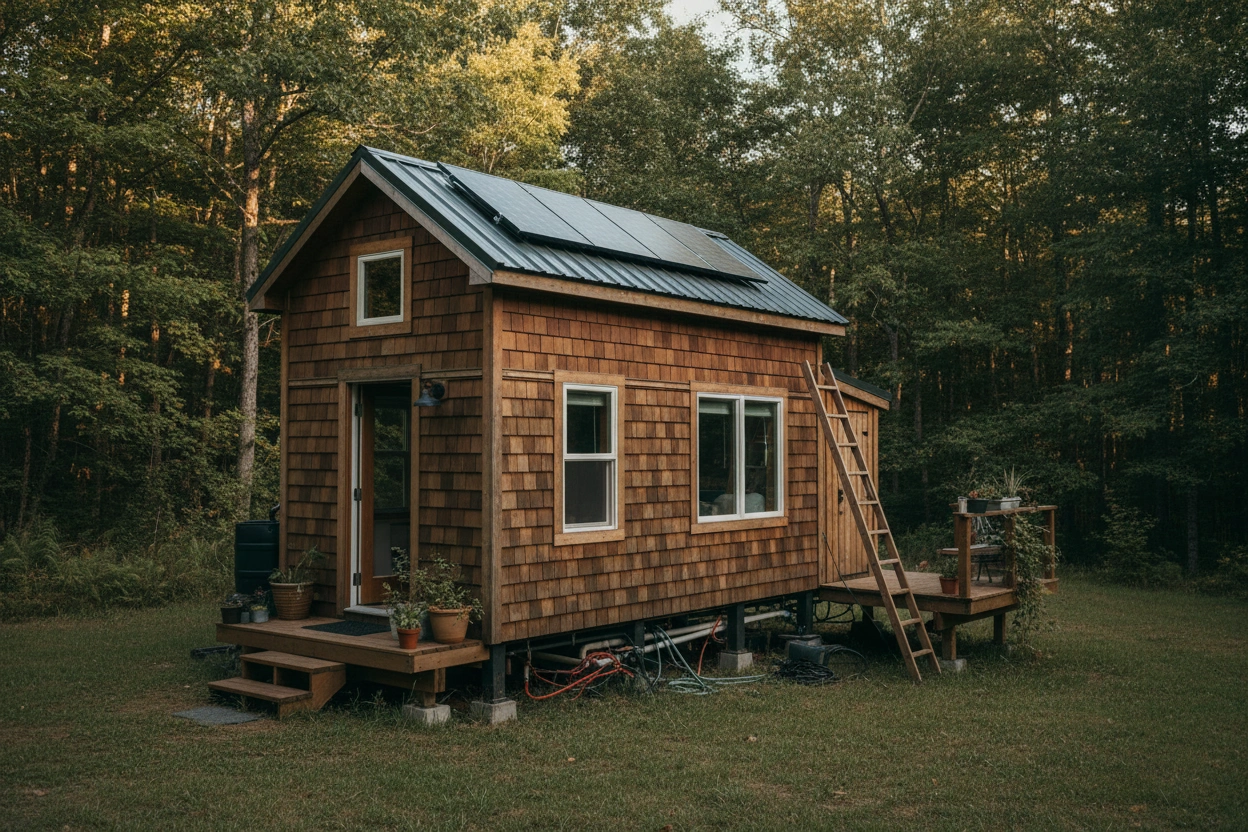
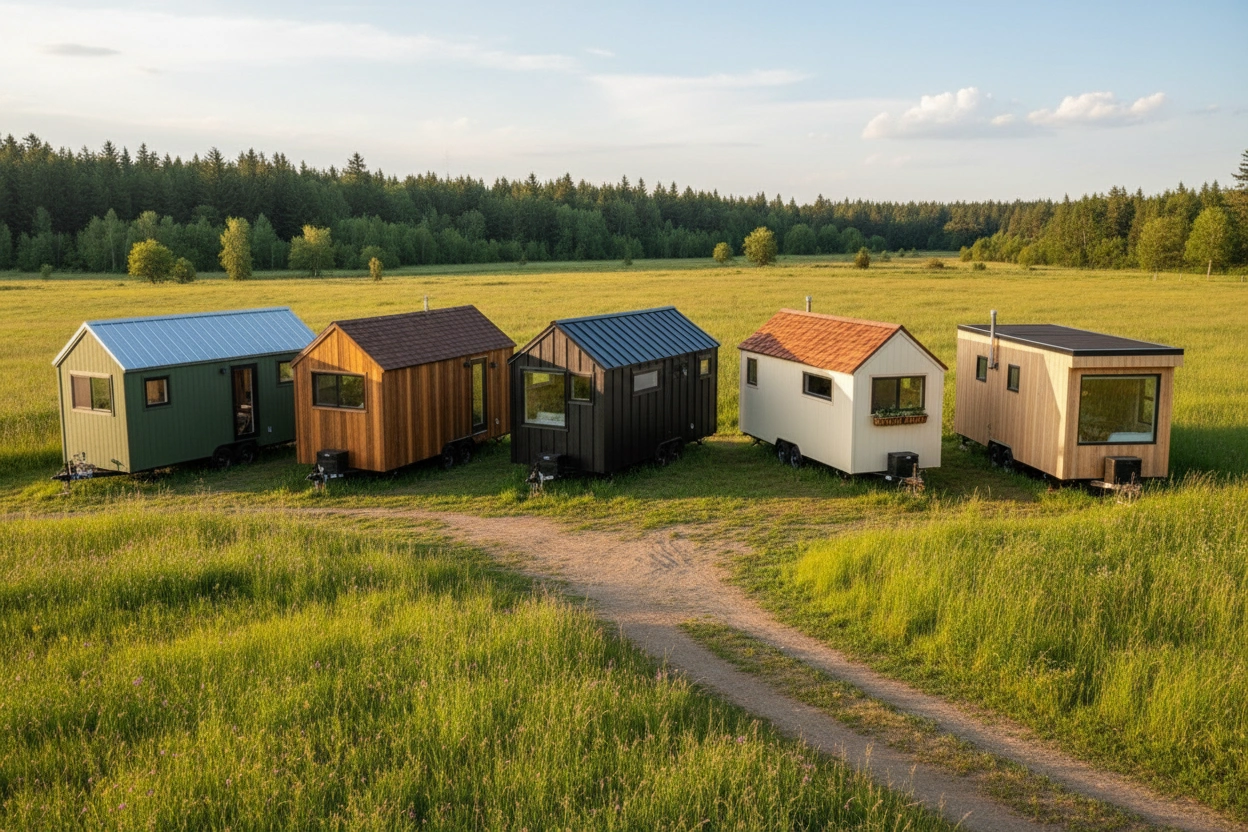
Building a tiny house is an exciting venture, offering the promise of a simpler, more sustainable lifestyle. However, first-time builders often encounter challenges that can turn their dream into a frustrating experience. Understanding common design mistakes in tiny house design is crucial to ensuring a successful project. This article will guide you through essential tips to avoid these pitfalls, with an emphasis on creating a functional and aesthetically pleasing tiny home.
Common Tiny House Design Mistakes

When embarking on a tiny house project, several design mistakes frequently arise. Recognizing these can save you time, money, and stress. Here are some key areas to focus on:
1. Neglecting Functionality
A primary mistake many first-time builders make is overlooking functionality in their tiny house plans. Given the limited space, every square inch must serve a purpose. Failing to plan for storage, multi-functional furniture, and efficient layouts can lead to clutter and chaos.
- Storage Solutions: Utilize vertical space with shelving and cabinets that reach the ceiling. Consider built-in furniture that doubles as storage, such as beds with drawers underneath.
- Zoning Areas: Define areas within your tiny house for specific activities, such as cooking, working, and relaxing. This helps maximize usability while maintaining an open feel.
2. Ignoring Local Building Codes
Many first-time builders underestimate the importance of adhering to local building codes and zoning regulations. Each area has specific rules that dictate what can be built, where, and how. Ignoring these regulations can lead to fines, required modifications, or even the dismantling of your tiny house.
- Research Requirements: Before starting your build, research local zoning laws and building codes. This information is often available on municipal websites or by contacting local planning departments.
- Permits: Ensure you apply for and obtain all necessary permits before construction begins. This includes electrical, plumbing, and general building permits.
3. Overlooking Energy Efficiency
In tiny house design, energy efficiency is essential for sustainable living. Many first-time builders neglect to consider energy-efficient materials and systems, which can lead to higher utility bills and a larger carbon footprint.
- Insulation: Invest in high-quality insulation to maintain comfortable indoor temperatures year-round. Materials like spray foam or rigid foam board can significantly reduce heating and cooling costs.
- Energy-Efficient Appliances: Choose compact, energy-efficient appliances that fit your space and reduce energy consumption. Look for Energy Star-rated products to ensure efficiency.
Eco-Friendly Tiny Home Design Ideas
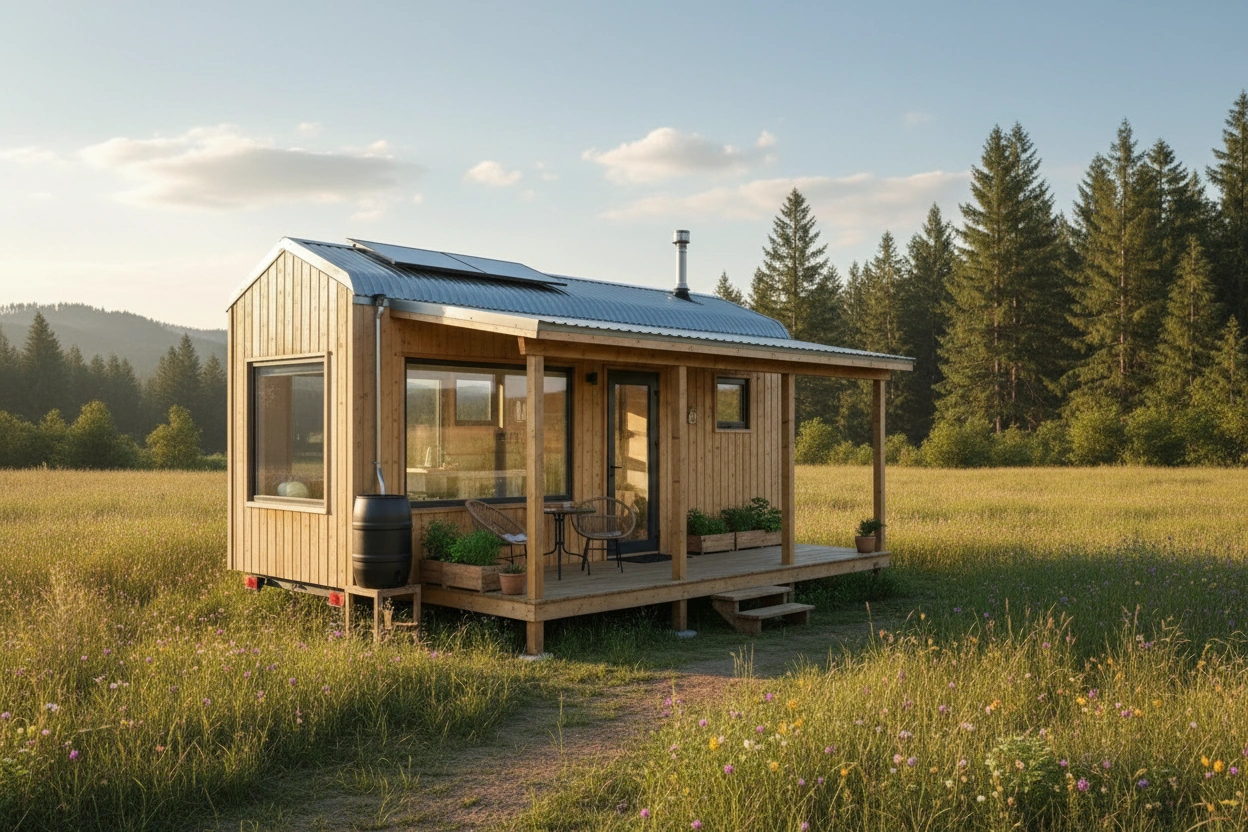
Sustainable living is a central theme in tiny house design. Incorporating eco-friendly elements can enhance your home's environmental impact while providing a unique aesthetic. Here are some effective strategies:
1. Use Recycled and Sustainable Materials
Opting for recycled or sustainably sourced materials can significantly reduce your tiny home's environmental footprint.
- Reclaimed Wood: Consider using reclaimed wood for flooring, walls, and furniture. This not only adds character but also reduces the demand for new lumber.
- Sustainable Insulation: Look for insulation made from natural materials, such as sheep's wool, hemp, or cellulose, which are less harmful to the environment.
2. Incorporate Solar Power
Solar power is a popular choice for tiny homes, allowing for energy independence and sustainability.
- Rooftop Solar Panels: Installing solar panels on your tiny house roof can generate renewable energy, reducing reliance on traditional power sources.
- Battery Storage: Combine solar panels with battery storage systems to harness energy during the day for use at night, enhancing energy efficiency.
3. Design for Water Efficiency
Water conservation is a vital aspect of eco-friendly living. Implementing efficient water systems can significantly reduce consumption.
- Low-Flow Fixtures: Use low-flow faucets and showerheads to minimize water usage without sacrificing performance.
- Rainwater Harvesting: Consider installing a rainwater collection system to capture and store rainwater for irrigation or even indoor use with proper filtration.
Planning Tiny House Designs
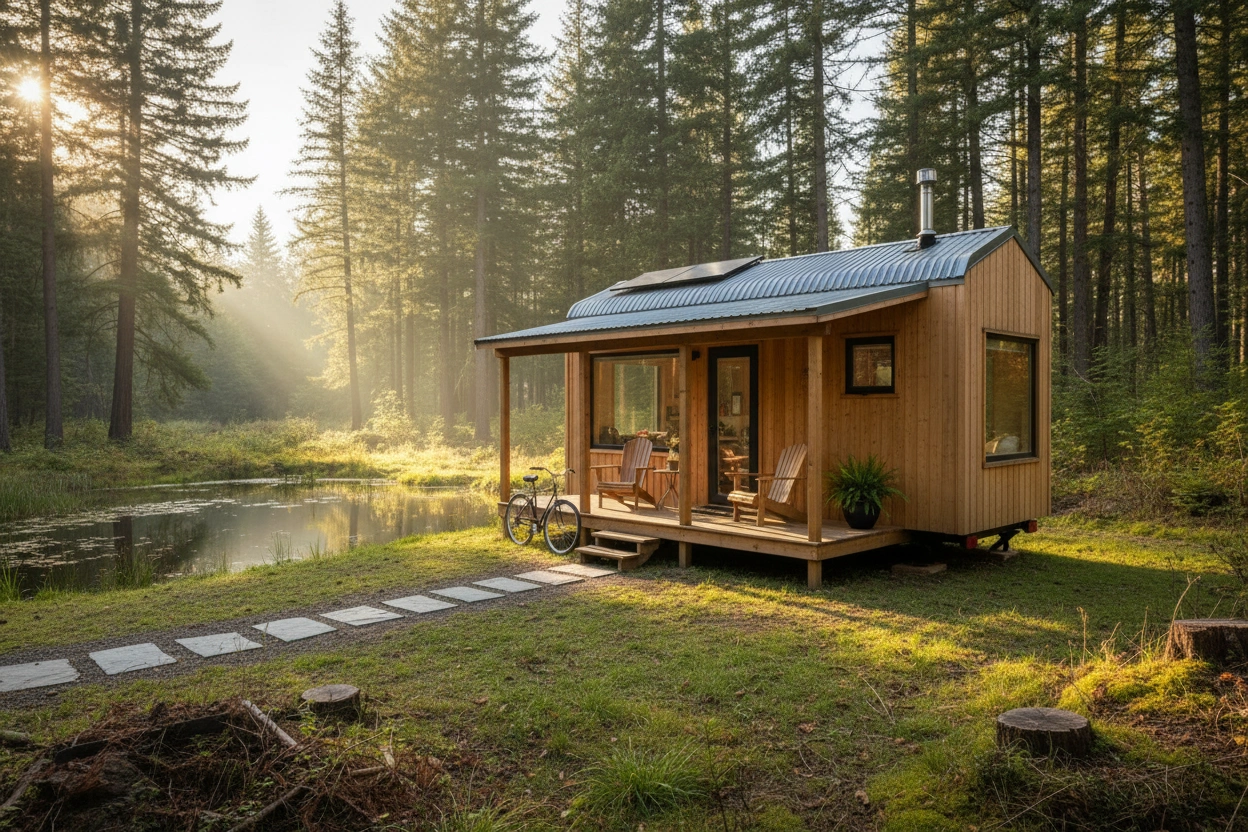
Creating effective tiny house plans is crucial for a successful build. Thoughtful planning can help you avoid common design pitfalls and ensure that your tiny home meets your needs. Here are some practical steps:
1. Develop a Clear Vision
Before starting your design, take time to outline your vision for your tiny house. Consider your lifestyle, needs, and personal preferences.
- Lifestyle Assessment: Reflect on your daily routines and how you want to live in your tiny home. This will guide your design choices and help prioritize essential features.
- Design Inspiration: Gather design ideas from magazines, websites, or social media platforms. Create a mood board to visualize your desired aesthetic and functionality.
2. Create Detailed Floor Plans
Having a detailed floor plan is essential to ensure efficient use of space.
- Scale Drawings: Use graph paper or design software to create scale drawings of your tiny house layout. This allows for precise measurements and adjustments as needed.
- Multi-Functional Spaces: Consider incorporating multi-functional spaces in your design. For example, a fold-out table can serve as both a dining area and a workspace.
3. Consult with Experts
Even if you're a DIY enthusiast, consulting with design professionals can provide invaluable insights and help you avoid common mistakes.
- Architects and Designers: Seek advice from architects or designers experienced in tiny house design. They can help refine your plans and ensure compliance with building codes.
- Contractors: If you're not building the house yourself, hire a contractor who specializes in tiny homes. Their expertise can streamline the building process and prevent costly errors.
Common Misconceptions about Tiny House Design
Understanding common misconceptions about tiny house design can help clarify the realities of living in a small space. Here are a few myths to dispel:
1. Tiny Houses Are Just Small Houses
Many people believe that tiny houses are simply scaled-down versions of traditional homes. However, tiny house design involves a unique approach that prioritizes functionality and efficiency.
- Intentional Design: Unlike traditional homes, tiny houses require intentional design choices that maximize space and utility. This often includes creative storage solutions and multi-purpose furniture.
- Lifestyle Shift: Living in a tiny house often necessitates a shift in mindset regarding possessions and lifestyle. Embracing minimalism is key to thriving in a small space.
2. Tiny Houses Lack Comfort
Another misconception is that tiny houses are uncomfortable and cramped. In reality, well-designed tiny homes can be cozy and inviting.
- Thoughtful Layouts: A well-thought-out layout can create an illusion of space, making the home feel larger than it is. Open floor plans and natural light play significant roles in achieving this.
- Personal Touches: Incorporating personal touches and thoughtful decor can enhance comfort and create a welcoming atmosphere.
The Role of TinyHouse.com in Your Tiny Home Journey
Designing and building a tiny house can be an overwhelming task, especially for first-time builders. TinyHouse.com is dedicated to providing valuable resources, expert insights, and practical tools to simplify the process.
Whether you're looking for affordable tiny house design ideas, design tips, or information on eco-friendly building practices, TinyHouse.com is your go-to destination. With a wealth of knowledge and a community of like-minded individuals, you can find the support you need for your tiny house journey.
Key Takeaways on Tiny House Design
As you embark on your tiny house building adventure, keep these essential insights in mind:
- Prioritize functionality and efficiency in your design to maximize your living space.
- Adhere to local building codes and regulations to avoid complications.
- Incorporate eco-friendly practices to create a sustainable home.
By avoiding common mistakes and leveraging the resources available at TinyHouse.com, you can create a tiny house that aligns with your lifestyle and values.
Start Your Tiny House Journey Today
Building a tiny home is not just about reducing space; it's about embracing a lifestyle that values simplicity and sustainability. For further guidance and resources, visit TinyHouse.com to learn more about tiny house design, plans, and eco-friendly building practices. Take the first step towards your dream tiny home today by contacting TinyHouse.com for expert support and inspiration.


.svg)
.jpg)