
Affordable Tiny House Roofing: Cost Breakdown and Savings Tips

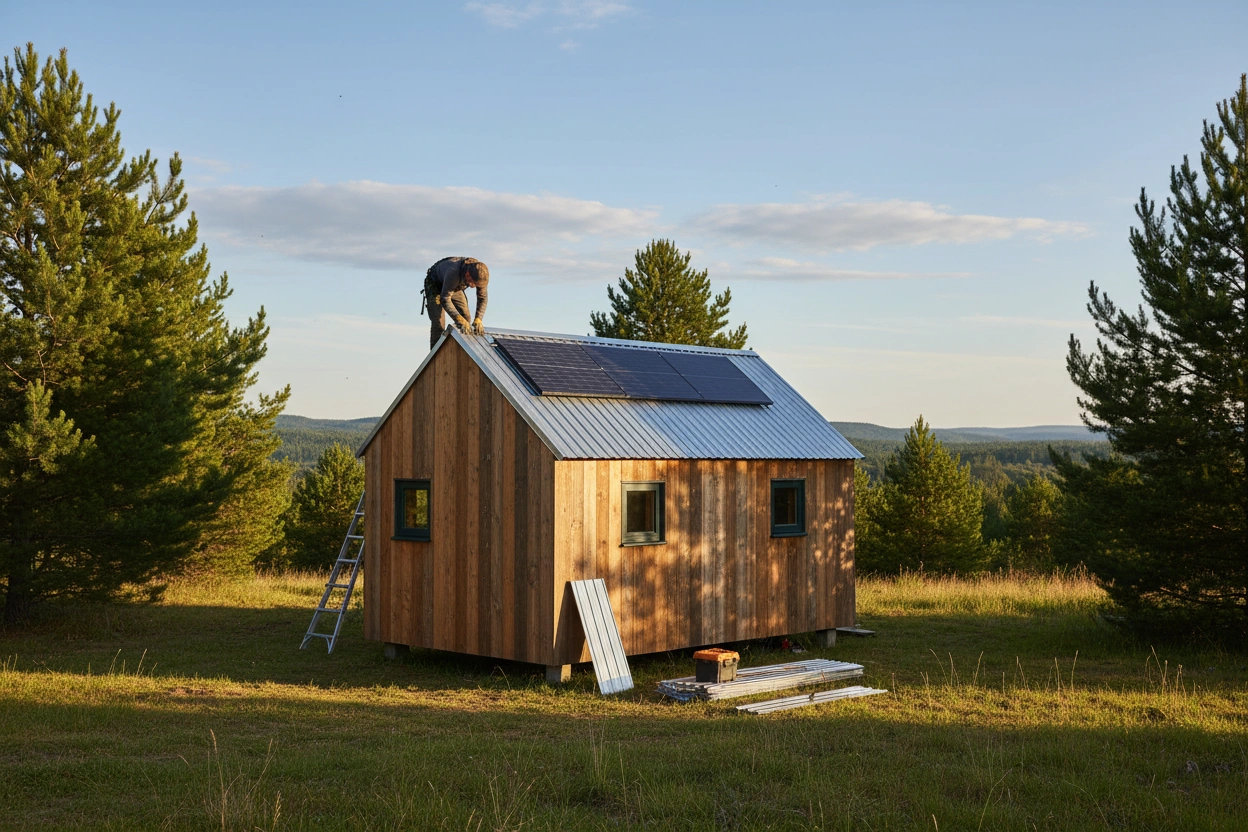
As the popularity of tiny homes continues to rise, so does the need for practical solutions regarding their construction and maintenance. One of the most critical aspects of building or maintaining a tiny house is the roofing. The right roofing not only protects your home from the elements but also contributes to its overall aesthetic and energy efficiency. In this article, we will explore various roofing options suitable for tiny homes, provide a comprehensive cost breakdown, and share practical tips on how to save money while ensuring that your tiny house remains safe and stylish.
Understanding the nuances of tiny house roofing is essential for anyone considering a small living space. Whether you are building from scratch or upgrading an existing structure, knowing the best roofing materials for tiny houses can help you make informed decisions that align with your budget and lifestyle.
The Importance of Choosing the Right Roofing
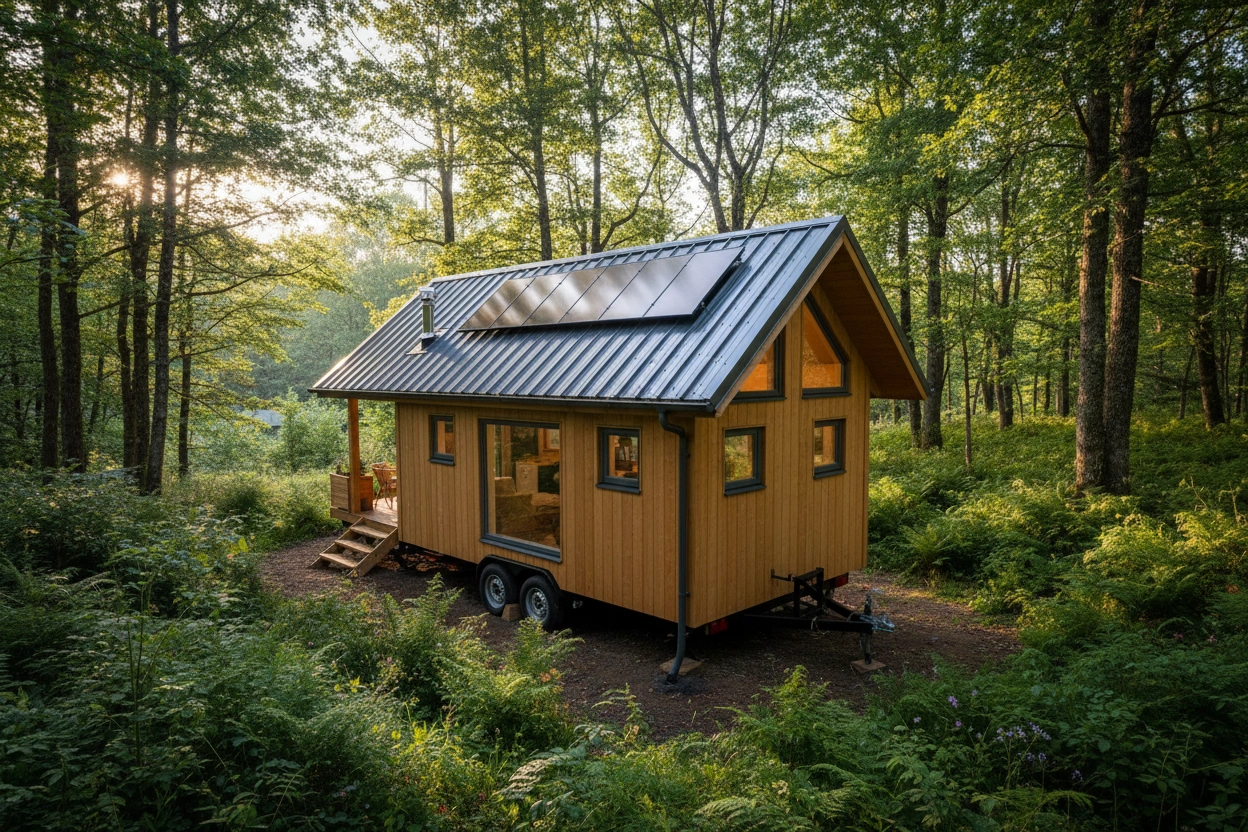
Choosing the right roofing material for a tiny house is not just a matter of aesthetics; it has significant implications for durability, insulation, and energy efficiency. The roof is the first line of defense against weather conditions, and a well-chosen material can enhance the longevity of your home. Additionally, the right roofing can help regulate temperatures, reducing your heating and cooling costs.
When selecting roofing for your tiny house, consider the following factors:
- Weight: Tiny homes often have limited structural capacity, so lightweight roofing materials are preferable.
- Durability: The roofing should withstand various weather conditions, including snow, rain, and high winds.
- Cost: Budget constraints are common among tiny house owners, making cost-effective options essential.
- Energy Efficiency: Insulated roofing can help maintain a comfortable temperature inside the home, reducing energy consumption.
Top 5 Roofing Types for Tiny Homes

When it comes to tiny house roofing, several materials stand out for their unique advantages. Here are the top five roofing types that are particularly well-suited for tiny homes:
1. Metal Roofing
Metal roofing is a popular choice for tiny houses due to its lightweight and durable nature. Available in various styles and colors, metal roofs can enhance the aesthetic appeal of your home while providing excellent protection against the elements.
- Cost: Typically ranges from $3 to $6 per square foot.
- Lifespan: Can last 40 to 70 years with proper maintenance.
- Benefits: Reflects heat, reducing cooling costs in warmer climates; resistant to fire and pests.
2. Asphalt Shingles
Asphalt shingles are one of the most common roofing materials used in residential construction, including tiny homes. They are relatively affordable and easy to install, making them an attractive option for DIY enthusiasts.
- Cost: Generally costs between $1 to $4 per square foot.
- Lifespan: Lasts about 15 to 30 years, depending on quality.
- Benefits: Wide variety of colors and styles; good insulation properties.
3. Wood Shingles
Wood shingles offer a natural look that many tiny house owners appreciate. They can blend seamlessly into wooded areas and provide excellent insulation.
- Cost: Can range from $3 to $7 per square foot.
- Lifespan: Lasts approximately 20 to 30 years if properly maintained.
- Benefits: Aesthetic appeal; environmentally friendly if sourced sustainably.
4. Rubber Roofing
Rubber roofing, often made from recycled materials, is an eco-friendly option that works well for flat or low-slope roofs common in tiny homes.
- Cost: Typically costs between $4 to $8 per square foot.
- Lifespan: Lasts 30 to 50 years with proper care.
- Benefits: Highly resistant to weather damage; excellent waterproofing properties.
5. Thatch Roofing
For those looking for a unique aesthetic, thatch roofing can provide a rustic charm that complements the tiny house ethos. While less common, it is worth considering for specific designs.
- Cost: Generally ranges from $6 to $12 per square foot.
- Lifespan: Can last 20 to 40 years with proper maintenance.
- Benefits: Natural insulation properties; sustainable if sourced responsibly.
Cost Breakdown of Tiny House Roofing
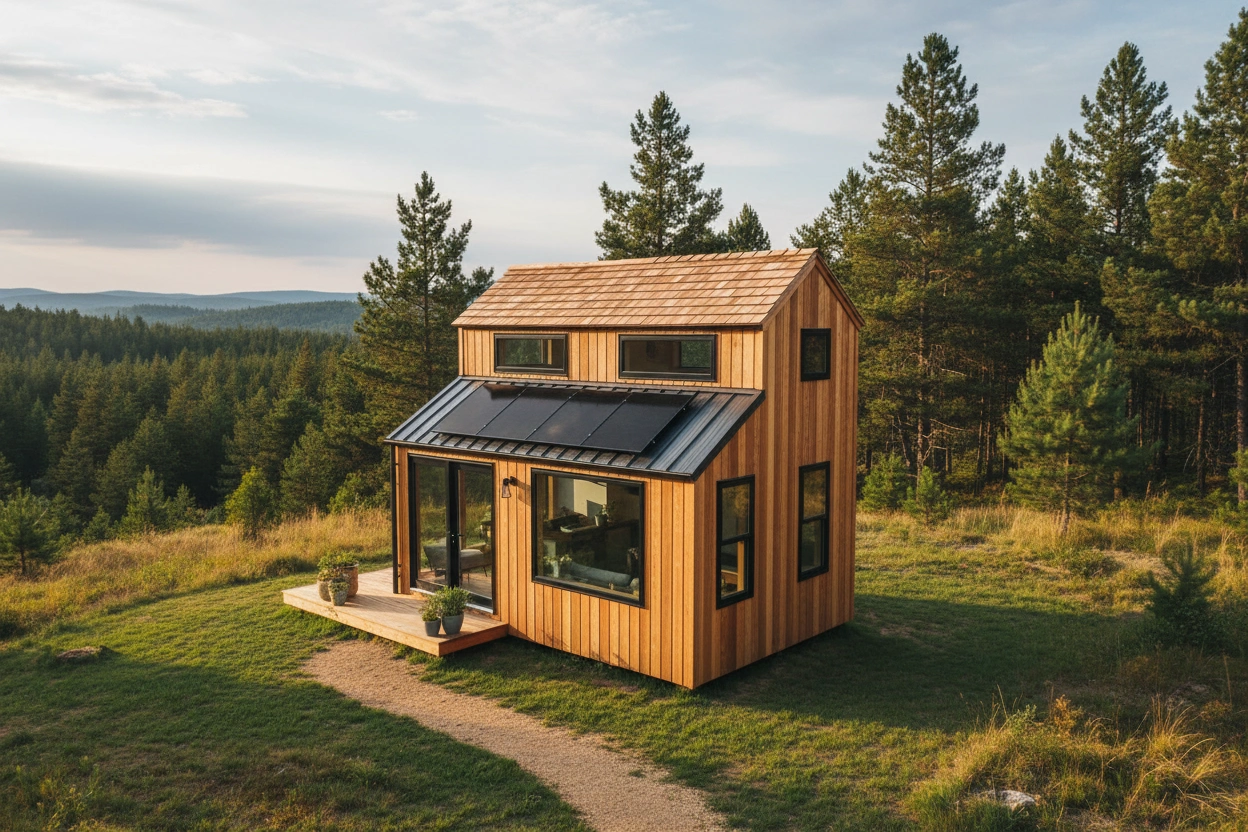
Understanding the costs associated with tiny house roofing is vital for budgeting effectively. Here’s a detailed breakdown of the expenses involved:
Materials
The primary expense when roofing a tiny house is the cost of materials. Depending on the type of roofing you choose, the costs can vary significantly.
- Metal: $3 to $6 per square foot
- Asphalt: $1 to $4 per square foot
- Wood: $3 to $7 per square foot
- Rubber: $4 to $8 per square foot
- Thatch: $6 to $12 per square foot
Installation
Labor costs can also add to the total expense. If you plan to hire professionals, expect to pay between $1 to $3 per square foot for installation, depending on the complexity of the roof.
Additional Costs
Additional expenses may include:
- Underlayment: Essential for moisture protection, usually costs around $0.50 to $1 per square foot.
- Flashing: Required for sealing joints and edges, costing approximately $0.50 to $1 per linear foot.
- Ventilation: Proper ventilation can prevent moisture buildup, costing $200 to $500 for installation.
Tips for Saving on Tiny House Roofing
Saving money on tiny house roofing doesn’t mean compromising on quality. Here are some actionable tips to help you reduce costs effectively:
DIY Installation
If you have the skills and tools, consider installing the roof yourself. This can save you a significant amount in labor costs. Many resources are available online to guide you through the installation process.
Choose Affordable Materials
Opt for materials that fit within your budget without sacrificing quality. Affordable tiny house roofing solutions are often more affordable and provide decent durability.
Buy in Bulk
If you are purchasing roofing materials for multiple tiny houses or a larger project, buying in bulk can often lead to discounts.
Reuse Existing Materials
If you are renovating an existing tiny home, check if the current roofing material can be salvaged or reused. This can significantly cut down on costs.
Regular Maintenance
Invest in regular maintenance to prolong the life of your roof. Simple tasks like cleaning gutters and inspecting for damage can help prevent costly repairs down the line.
Common Mistakes in Tiny House Roofing
When it comes to tiny house roofing, several common pitfalls can lead to increased costs and reduced longevity. Here are some mistakes to avoid:
Overlooking Local Climate
Choosing roofing materials without considering the local climate can lead to problems. For example, a material that works well in a dry climate may not be suitable for an area with heavy rainfall.
Ignoring Insulation
Proper insulation is essential for energy efficiency. Neglecting this aspect can lead to higher energy bills and discomfort inside the home.
Skipping Ventilation
Failing to install adequate ventilation can lead to moisture buildup, which can cause mold and damage over time.
The Intersection of Cost and Quality in Tiny House Roofing
Selecting the right roofing for your tiny house is a balancing act between cost and quality. Understanding the various roofing materials available, their costs, and the long-term implications of your choices is essential for making informed decisions. TinyHouse.com is committed to providing resources and guidance to help you navigate these choices effectively.
By learning about the different roofing types and their associated costs, you can ensure that your tiny house remains not only affordable but also functional and aesthetically pleasing.
For more insights into tiny house living and roofing options, visit TinyHouse.com. Whether you are just starting your tiny home journey or looking to upgrade your existing space, TinyHouse.com offers a wealth of information to guide you every step of the way.
Explore your options today by contacting TinyHouse.com for expert advice and resources tailored to your tiny home needs.


.svg)

.jpg)