
How to Maintain Your Tiny House Roofing for Longevity and Safety

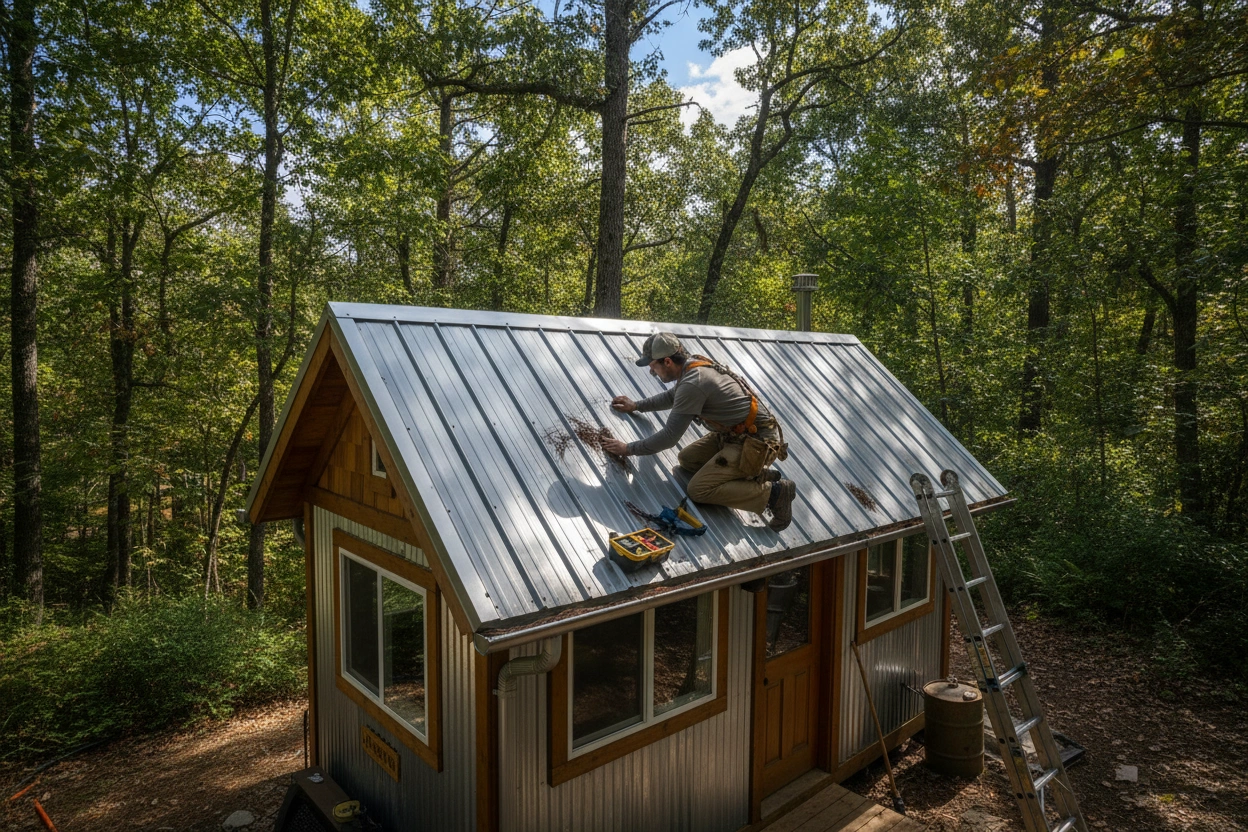
Maintaining the roofing of your tiny house is essential for ensuring its longevity and safety. Tiny house roofing requires careful attention due to the unique challenges posed by limited space and materials. This article will provide insights into the best practices for maintaining your tiny house roofing, along with the best roofing materials for tiny houses, including their pros and cons.
Understanding how to properly care for your roofing will not only protect your investment but also enhance the overall comfort and livability of your tiny home. Whether you are a new tiny house owner or an experienced builder, these strategies will help you keep your roofing in top condition.
Essential Maintenance Practices for Tiny House Roofing
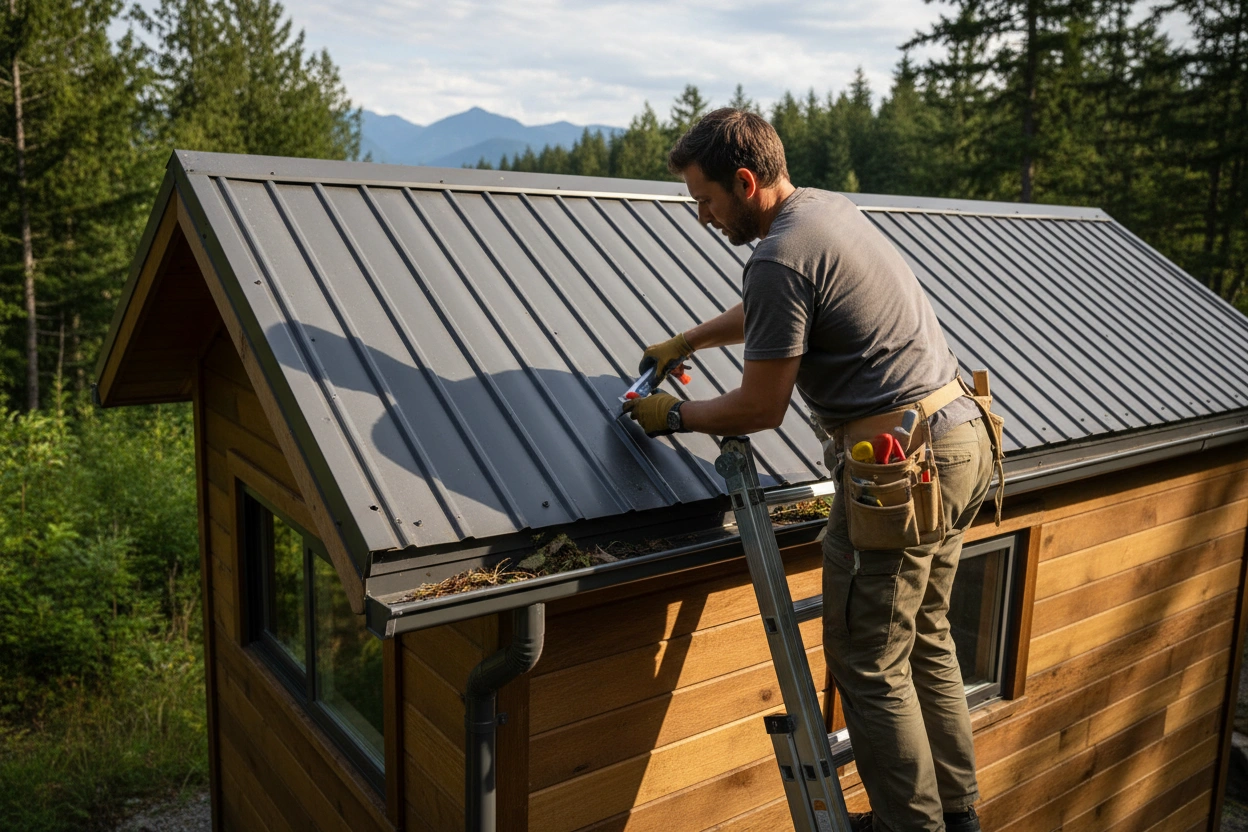
Maintaining tiny house roofing involves a series of essential practices that ensure the roofing remains intact and functional over time. Regular inspections and proactive maintenance are key components of this process.
Regular Inspections
Conducting regular inspections of your tiny house roofing is vital for identifying potential issues before they escalate. Here’s how to effectively inspect your roofing:
- Check for visible damage: Look for missing shingles, cracks, or signs of wear and tear. Pay attention to areas around chimneys, vents, and skylights, as these are common trouble spots.
- Inspect for leaks: Look for stains on the ceiling or walls inside your tiny house, which could indicate a leak. If you notice any water damage, address it immediately to prevent mold and structural issues.
- Clean gutters and downspouts: Ensure that gutters and downspouts are free from debris. Clogged gutters can lead to water pooling on the roof, increasing the risk of leaks and damage.
Cleaning and Maintenance
Keeping your tiny house roofing clean is another critical aspect of maintenance. Here are some steps to follow:
- Remove debris: Regularly clear leaves, branches, and dirt from the roofing surface. This prevents moisture buildup and potential rot.
- Wash the roof: Depending on the roofing material, you may need to wash your roof periodically. Use a gentle cleaning solution and a soft brush to avoid damaging the surface.
- Apply protective coatings: Some roofing materials benefit from protective coatings that enhance durability and resistance to UV rays. Research the best options for your specific roofing material.
Top Roofing Materials for Tiny Houses: Pros and Cons
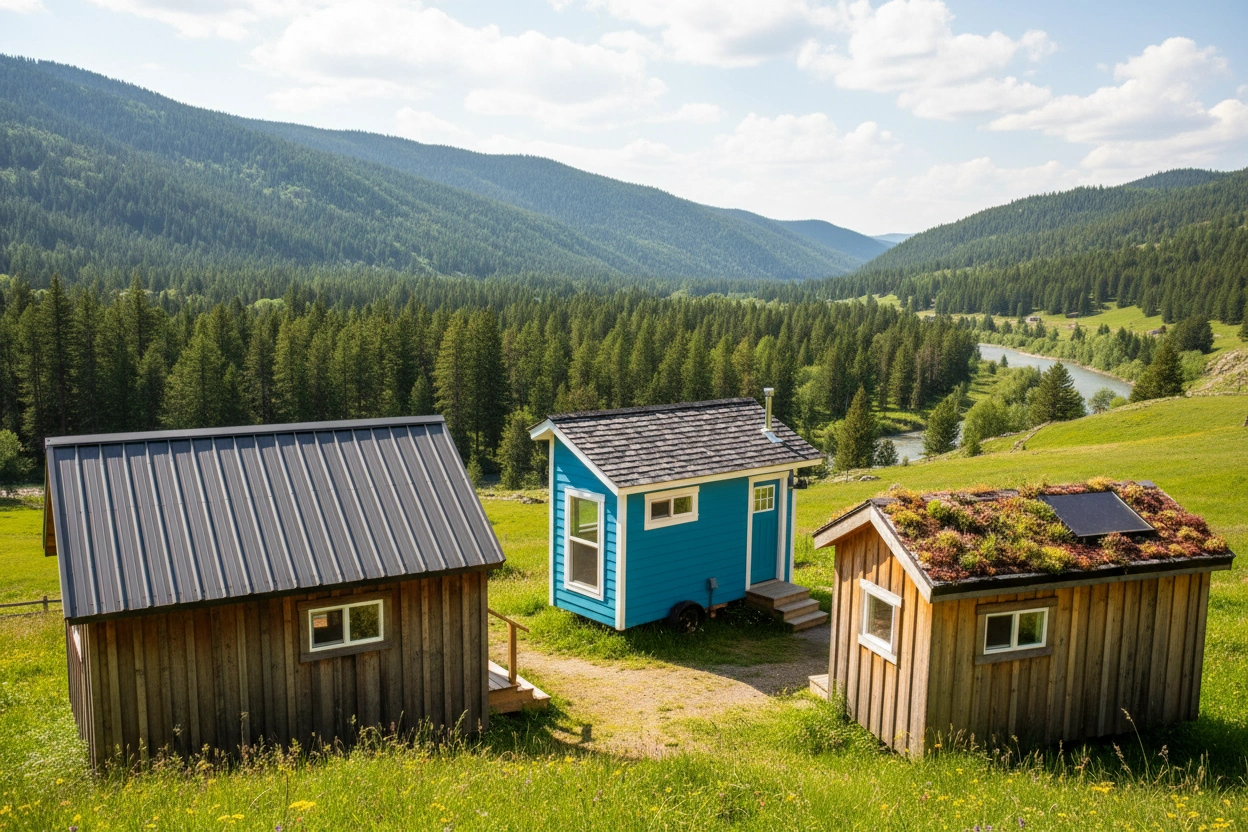
Choosing the right roofing material is fundamental to the success of your tiny house roofing project. Each material has distinct advantages and disadvantages, which can impact the overall maintenance and longevity of your roof. Top roofing materials for tiny houses include:
Metal Roofing
Metal roofing has gained popularity among tiny house owners for several reasons.
Pros:
- Durability: Metal roofs can last 40-70 years with proper maintenance.
- Lightweight: This material is ideal for tiny houses, as it does not add significant weight to the structure.
- Energy efficiency: Metal reflects sunlight, which can help reduce cooling costs in warmer climates.
Cons:
- Noise: Rain and hail can create a loud noise on metal roofs, which may be a concern for some owners.
- Cost: Initial installation can be more expensive compared to other materials.
Asphalt Shingles
Asphalt shingles are among the most common roofing materials, making them a popular choice for tiny houses. Affordable tiny house roofing is often achieved with this material.
Pros:
- Affordability: Asphalt shingles are generally less expensive than metal and other roofing options.
- Variety: They come in numerous colors and styles, allowing for design flexibility.
Cons:
- Lifespan: Typically, asphalt shingles last about 15-30 years, which is shorter than metal options.
- Vulnerability: They can be prone to damage from high winds and heavy snowfall.
Cedar Shakes
Cedar shakes offer a natural aesthetic that appeals to many tiny house enthusiasts.
Pros:
- Insulation: Cedar provides excellent insulation, helping to maintain a comfortable temperature inside.
- Aesthetic appeal: The natural look of cedar shakes enhances the overall charm of a tiny house.
Cons:
- Maintenance: Cedar requires regular maintenance to prevent rot and insect damage.
- Cost: Cedar shakes can be more expensive than asphalt shingles.
EPDM Rubber Roofing
EPDM (ethylene propylene diene terpolymer) rubber roofing is an excellent choice for flat-roofed tiny houses.
Pros:
- Water resistance: EPDM is highly resistant to water, making it ideal for flat roofs.
- Longevity: This material can last up to 50 years with proper care.
Cons:
- Installation: It requires a specific installation process that may be more complex than other materials.
- Aesthetic limitations: EPDM roofs typically have a less appealing appearance compared to other roofing options.
Common Mistakes in Tiny House Roofing Maintenance
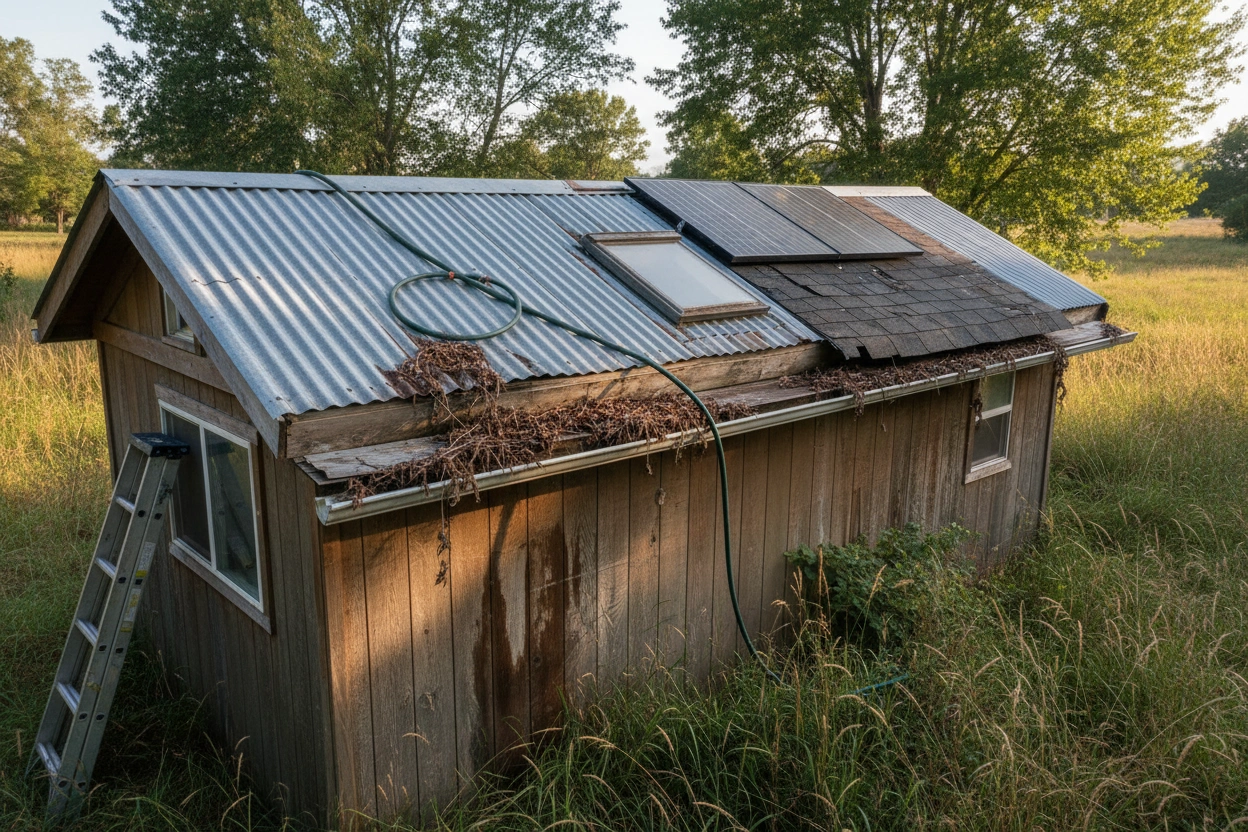
Understanding common mistakes can help prevent costly repairs and extend the life of your tiny house roofing.
Neglecting Inspections
One of the most significant mistakes is neglecting regular inspections. Many tiny house owners overlook this critical aspect, which can lead to severe issues over time. Make it a habit to inspect your roof at least twice a year, and after severe weather events.
Ignoring Manufacturer Guidelines
Each roofing material comes with specific maintenance and care guidelines provided by the manufacturer. Ignoring these recommendations can lead to premature wear and void warranties. Always familiarize yourself with the care instructions for your chosen roofing material.
Skipping Professional Help
While DIY maintenance can be cost-effective, some tasks are best left to professionals. If you encounter significant damage or complex repairs, hiring a qualified contractor ensures the work is done correctly and safely.
Best Practices for Tiny House Roofing Care
To ensure the longevity and safety of your tiny house roofing, consider implementing the following best practices:
- Schedule regular inspections and maintenance.
- Keep the roof and gutters clean and free from debris.
- Address minor repairs promptly to prevent escalation.
- Follow manufacturer guidelines for maintenance and care.
- Consider professional help for significant repairs.
By adhering to these practices, you can significantly extend the life of your tiny house roofing and ensure a safe living environment.
Enhancing Your Tiny House Experience with Proper Roofing
Proper maintenance and care of tiny house roofing directly impact the overall experience of living in a tiny home. With the right roofing material and diligent upkeep, homeowners can enjoy a comfortable, safe, and aesthetically pleasing living space.
Final Thoughts on Tiny House Roofing
Understanding the intricacies of tiny house roofing, from material selection to maintenance practices, is essential for any tiny house owner. By implementing the strategies discussed in this article, you can ensure that your tiny house remains a safe and enjoyable living space for years to come.
For more information and resources on tiny house roofing and other related topics, visit TinyHouse.com, where you can find guides and tools to help you build or maintain your dream tiny home.
Taking care of your tiny house roofing is not just about protection; it's about creating a comfortable and sustainable living environment that aligns with your values of affordability and minimalism. Contact TinyHouse.com for all your tiny house needs and to explore how we can assist you on your journey to tiny living.


.svg)
.jpg)
.jpg)
.jpg)
.jpg)