How to Maintain Your Tiny House Roofing for Lasting Durability


Maintaining a tiny house can be a rewarding endeavor, especially when it comes to ensuring that the roofing is in excellent condition. The roofing of a tiny house is not just a protective barrier against the elements; it also contributes significantly to the overall aesthetics and energy efficiency of the structure. In 2026, as more people gravitate towards minimalistic living, understanding the nuances of tiny house roofing becomes essential for homeowners seeking longevity and durability.
Tiny house roofing comes in various types, each with its own maintenance requirements and costs. This article will provide insights into effective maintenance strategies, affordable roofing solutions, and the costs associated with different roofing materials. By the end, readers will be well-equipped to maintain their tiny house roofs for years to come.
Types of Tiny House Roofing
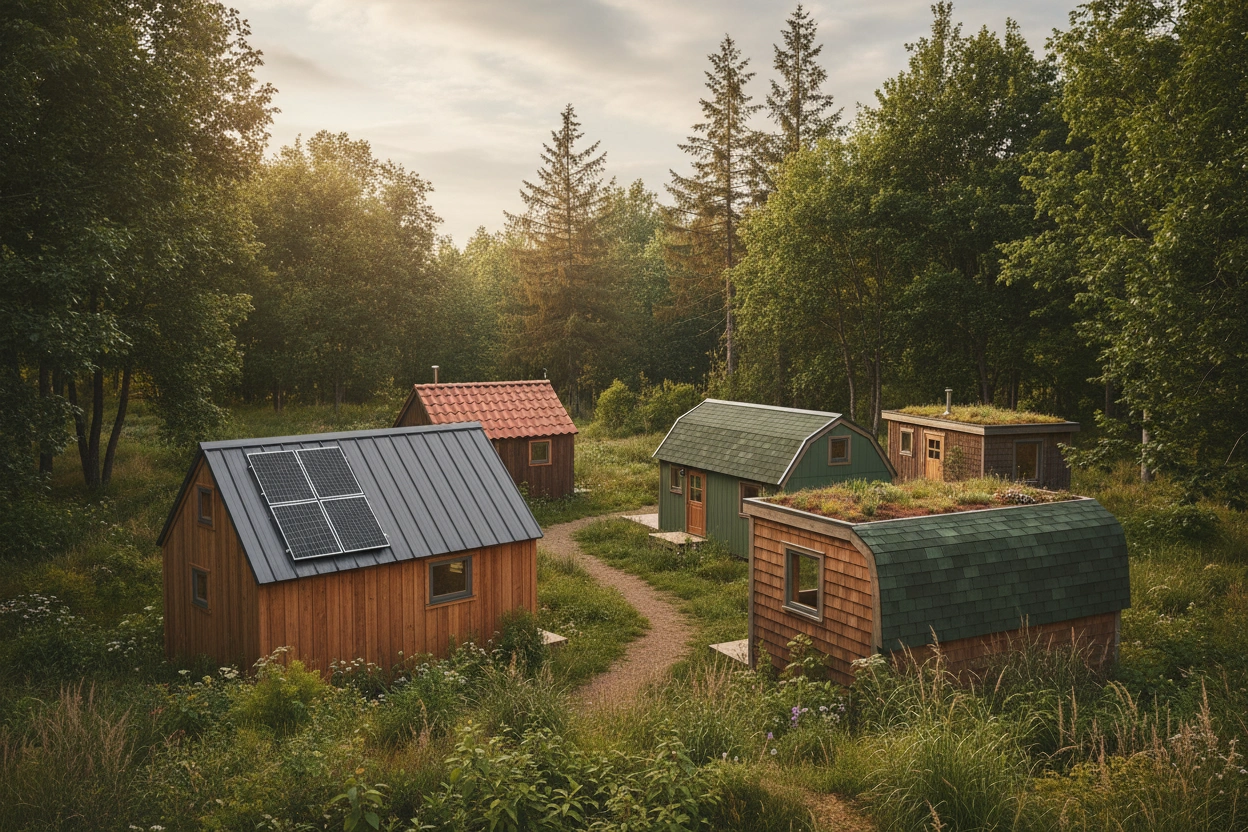
When considering tiny house roofing, it is essential to understand the various types available and their respective benefits. Each roofing type has unique characteristics that can affect maintenance, durability, and overall performance.
Metal Roofing
Metal roofing is a popular choice for tiny houses due to its durability and resistance to severe weather conditions. Typically made from materials like steel or aluminum, metal roofs can last up to 50 years with proper maintenance.
Advantages:
- Long lifespan
- Lightweight and easy to install
- Reflects heat, improving energy efficiency
Maintenance Tips:
- Regularly inspect for rust or corrosion.
- Clean debris from gutters and valleys to prevent water accumulation.
Asphalt Shingles
Asphalt shingles are another common option for tiny houses, known for their affordability and ease of installation. They are available in various colors and styles, making them versatile for aesthetic preferences.
Advantages:
- Cost-effective
- Wide variety of styles
- Easy to replace individual shingles
Maintenance Tips:
- Check for loose or missing shingles after storms.
- Ensure proper ventilation in the attic to prevent moisture buildup.
Green Roofs
For those looking to incorporate sustainability into their tiny house design, green roofs are an innovative option. These roofs are covered with vegetation, providing excellent insulation and reducing stormwater runoff.
Advantages:
- Eco-friendly and aesthetically pleasing
- Natural insulation properties
- Improves air quality
Maintenance Tips:
- Regularly water and maintain the plants.
- Ensure proper drainage to prevent water pooling.
Affordable Roofing Solutions for Tiny Houses
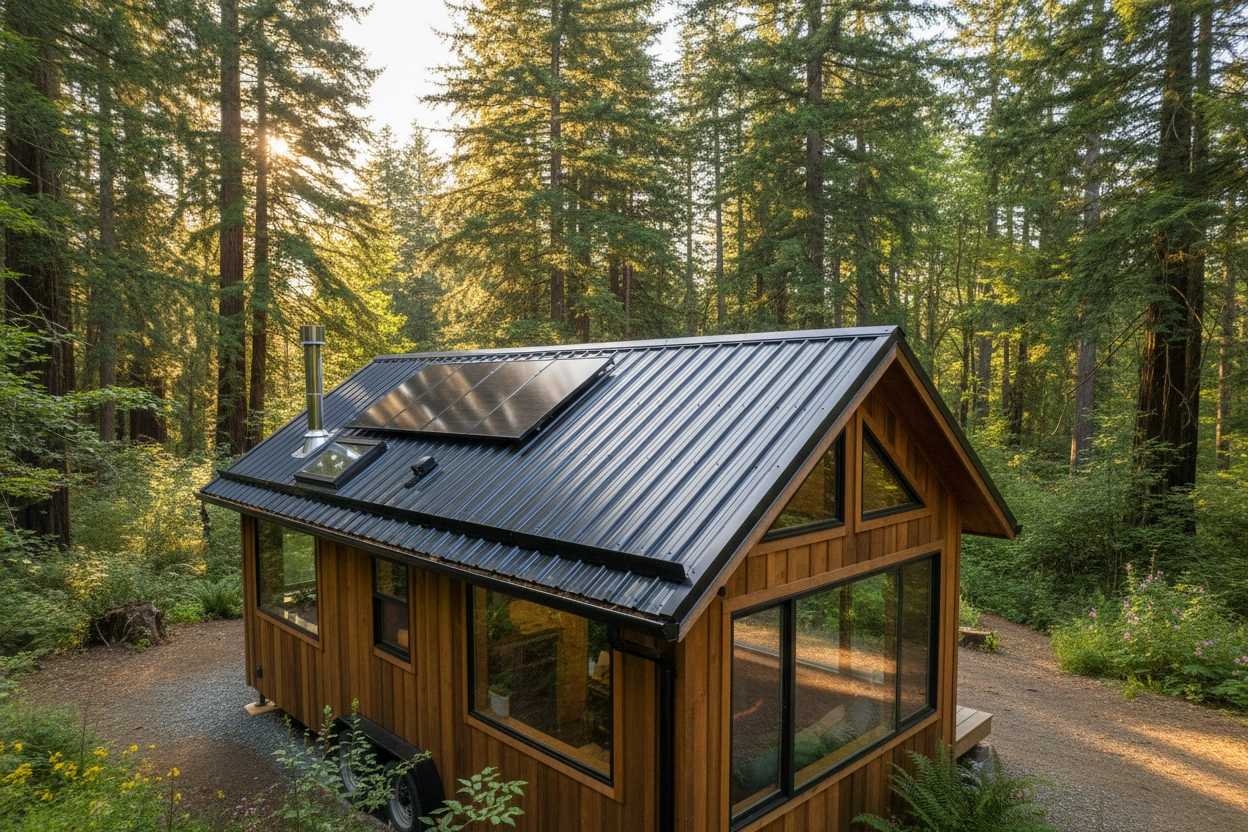
When building or renovating a tiny house, budget considerations are crucial. Fortunately, there are several affordable roofing solutions that do not compromise on quality or durability.
DIY Roofing Options
Many tiny house enthusiasts opt for DIY roofing projects to save money. This approach requires research and preparation but can be very rewarding.
- Research Local Building Codes: Understand the regulations in your area regarding roofing materials and installation.
- Choose Cost-Effective Materials: Consider materials like corrugated metal or asphalt shingles, which are both affordable and widely available.
- Plan for Labor: If you are not comfortable doing the work yourself, consider enlisting friends or family to help, reducing labor costs.
Reclaimed Materials
Using reclaimed materials is an excellent way to save on roofing costs while also being environmentally conscious. Salvaged wood, metal, or tiles can add character to your tiny house.
- Sourcing Tips:
- Visit local salvage yards or architectural salvage shops.
- Check online marketplaces for reclaimed materials.
Roofing Grants and Assistance Programs
In some areas, grants or assistance programs may be available for homeowners looking to install or repair roofs, particularly if they are utilizing sustainable materials.
- Finding Programs:
- Research local government websites for information on available grants.
- Contact community organizations focused on housing and sustainability.
Understanding Tiny House Roofing Costs
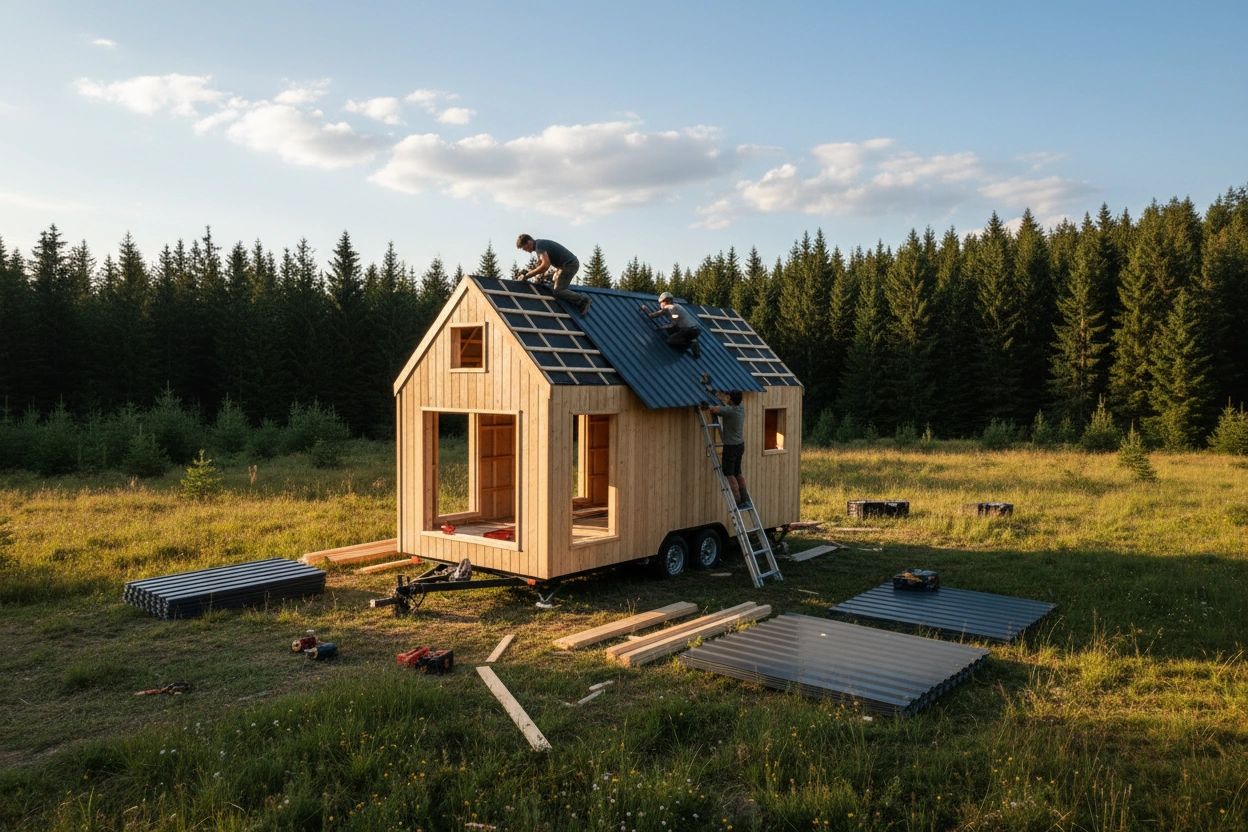
The costs associated with tiny house roofing can vary widely based on material choices, labor costs, and additional features such as insulation or skylights. Here’s a breakdown of what to expect.
Material Costs
- Metal Roofing: Typically ranges from $5 to $12 per square foot, including materials and installation.
- Asphalt Shingles: Generally costs between $1 to $4 per square foot.
- Green Roofs: Initial costs can be higher, ranging from $10 to $30 per square foot, but they can save money on energy bills over time.
Installation Costs
If you plan to hire professionals, installation costs can significantly impact your budget.
- Professional Installation: Expect to pay an additional $2 to $7 per square foot for labor, depending on the complexity of the roof design.
- DIY Installation: If you choose to install the roof yourself, you can save on labor costs but must account for your time and potential learning curve.
Essential Maintenance Tips for Tiny House Roofing
To ensure the longevity and durability of your tiny house roof, regular maintenance is necessary. Here are some critical maintenance practices to adopt.
Seasonal Inspections
Conducting seasonal inspections helps identify potential issues before they escalate.
- Spring: Check for damage from winter storms and ensure gutters are clear.
- Summer: Inspect for signs of wear due to heat and UV exposure.
- Fall: Clean leaves and debris to prevent clogging in gutters and drainage systems.
- Winter: Monitor for ice dams and ensure proper insulation to avoid heat loss.
Cleaning and Debris Removal
Keeping your roof clean is essential for maintaining its integrity.
- Gutter Maintenance: Clean gutters at least twice a year to prevent water damage.
- Roof Cleaning: Remove debris, such as leaves and branches, to reduce the risk of mold and rot.
Regular Repairs
Addressing minor repairs promptly can prevent more significant issues down the line.
- Replace Missing Shingles: Do this immediately to avoid leaks.
- Seal Cracks: Use roofing sealant to fill any small cracks or gaps.
Common Mistakes to Avoid in Tiny House Roofing Maintenance
While maintaining your tiny house roofing, there are several common mistakes that homeowners should avoid.
Neglecting Routine Maintenance
Many homeowners underestimate the importance of regular maintenance. Skipping inspections can lead to more severe problems, such as leaks or structural damage.
Using Inappropriate Materials
Choosing roofing materials that are not suitable for your climate can lead to premature deterioration. Always consider local weather conditions when selecting roofing materials.
Ignoring Insulation Needs
Proper insulation is critical for maintaining energy efficiency. Failing to insulate your roof adequately can result in increased energy costs and uncomfortable living conditions.
The Intersection of Tiny House Roofing and Sustainability
As environmental awareness grows, many tiny house owners are turning to sustainable roofing options. Incorporating green roofs or energy-efficient materials not only reduces environmental impact but can also result in long-term savings.
TinyHouse.com offers a wealth of resources for those interested in sustainable tiny house living, including roofing solutions that prioritize eco-friendliness.
Incorporating sustainable practices into tiny house roofing maintenance not only benefits the environment but also enhances the overall living experience. By choosing materials that are both durable and eco-friendly, homeowners can create a tiny house that reflects their values and lifestyle.
For those interested in building or maintaining a tiny house, understanding roofing options and maintenance strategies is paramount. At TinyHouse.com, we provide guidance and support for aspiring homeowners looking to make informed decisions about their tiny house projects.
Take Action with TinyHouse.com
If you're ready to explore roofing options or need assistance with your tiny house project, contact TinyHouse.com for expert advice and resources tailored to your needs. Visit TinyHouse.com to learn more about tiny house roofing and find solutions that fit your budget and lifestyle.


.svg)
.jpg)
.jpg)