
How to Embrace Mindful Consumption for a Simple Living Home


In a world where consumerism often overshadows sustainability, the concept of simple living has gained traction among those seeking a more meaningful and intentional lifestyle. Mindful consumption is at the heart of this movement, promoting the idea of being deliberate about what we buy, how we use resources, and the impact of our choices on the environment. This article will provide you with actionable strategies for embracing mindful consumption, leading to a simpler, more fulfilling home environment.
As we explore the principles of simple living, we will also delve into simple living principles for decluttering your space. By adopting these strategies, you can foster a home that reflects your values, reduces stress, and supports sustainable living. Let’s uncover how to create a mindful consumption mindset and simplify your living space.
Understanding Simple Living and Mindful Consumption
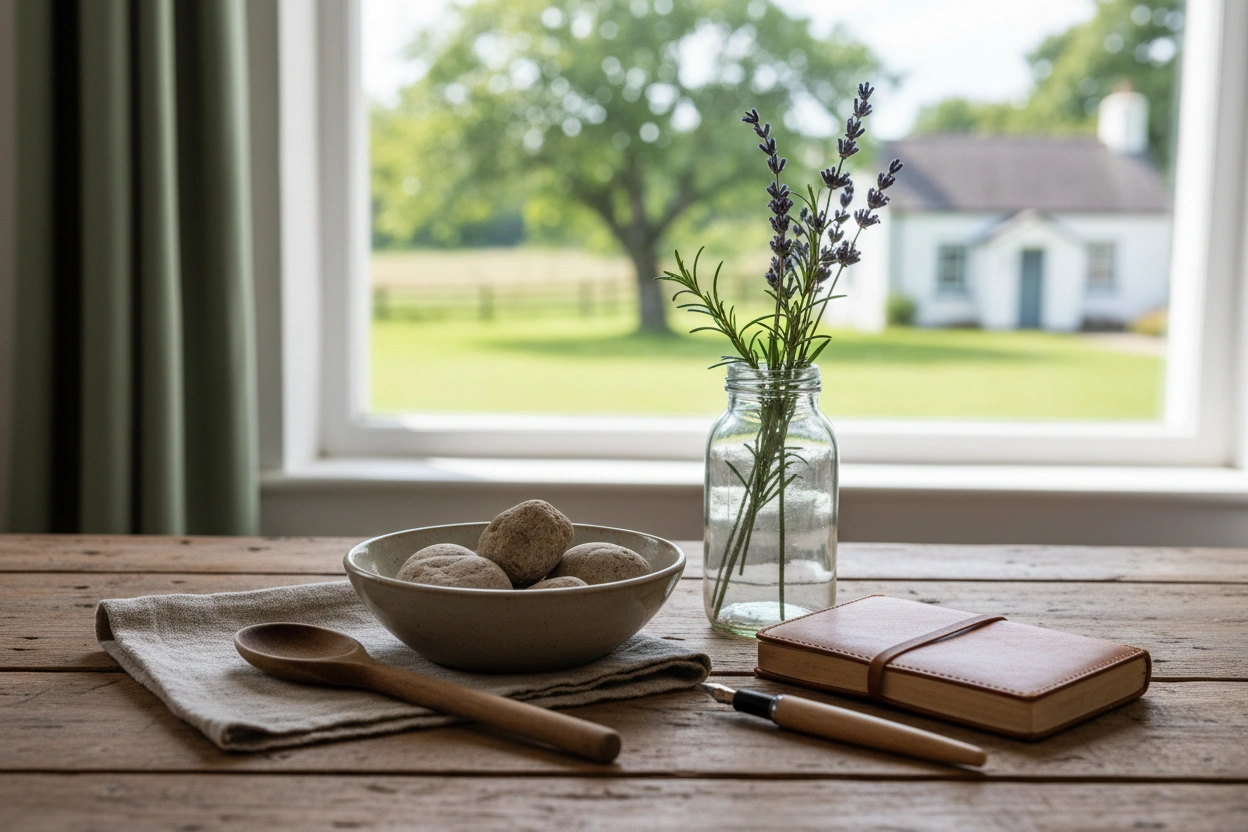
Defining Simple Living
Simple living is a lifestyle choice that emphasizes minimalism, sustainability, and intentionality. It encourages individuals to focus on what truly matters in life, whether that be relationships, experiences, or personal growth, rather than material possessions. This approach can lead to reduced stress, increased savings, and a greater appreciation for the things we own.
The Role of Mindful Consumption
Mindful consumption involves making conscious choices about what we purchase and how we utilize resources. It requires us to consider the environmental and social implications of our buying habits. By practicing mindful consumption, we can significantly reduce waste, lessen our carbon footprint, and contribute to a more sustainable future. This mindset aligns perfectly with the principles of simple living, creating a harmonious balance between our needs and the planet's resources.
Common Misconceptions About Simple Living
There are several misconceptions surrounding simple living that may prevent individuals from fully embracing its principles:
- Simple living means deprivation: Many believe that living simply means giving up all luxuries. In reality, it’s about prioritizing what brings joy and fulfillment while letting go of excess.
- It’s only for minimalists: While minimalism is a component of simple living, it is not a prerequisite. Anyone can adopt simple living principles regardless of their current lifestyle.
- Mindful consumption is too difficult: Some may feel overwhelmed by the thought of changing their buying habits. However, adopting mindful consumption can be a gradual process, starting with small, manageable changes.
Top 10 Decluttering Tips for a Simpler Home
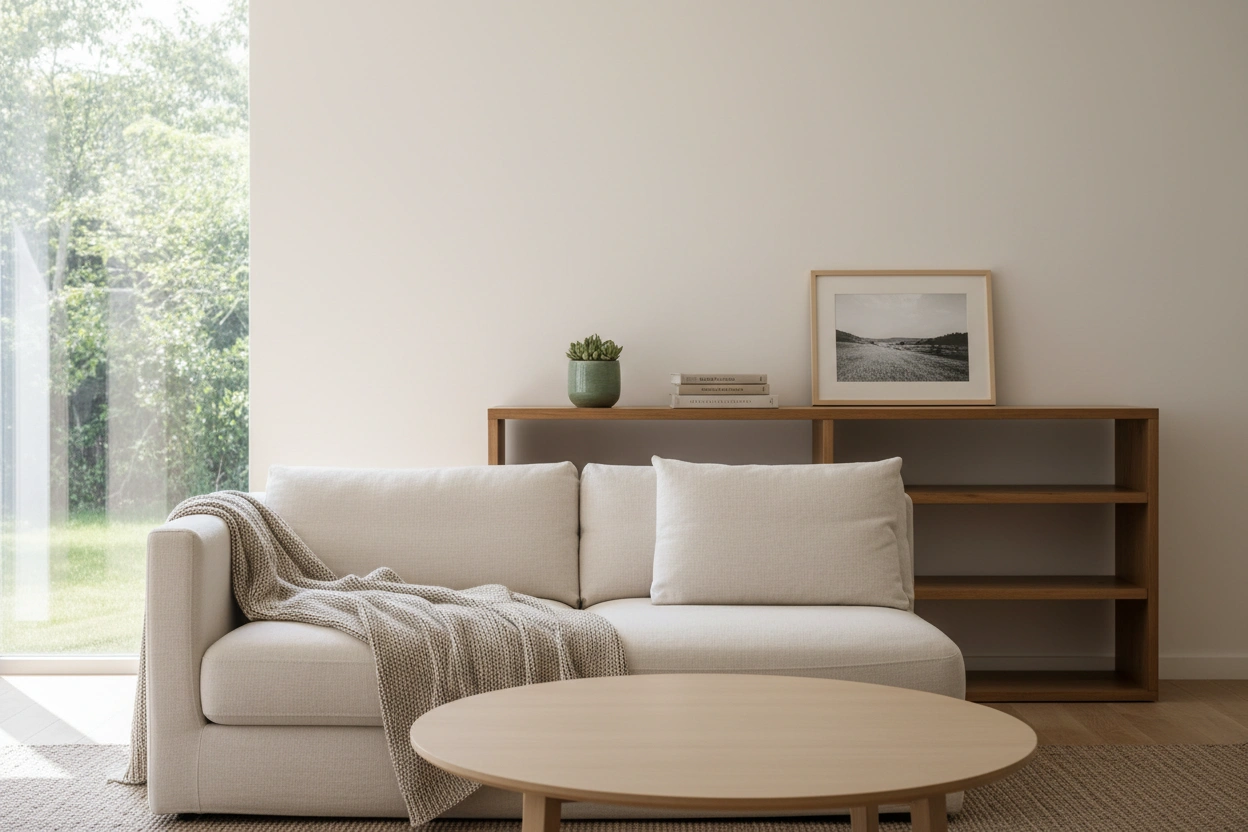
Decluttering is an essential step toward achieving a simpler living space. It helps create an environment that promotes mindfulness and tranquility. Here are ten effective tips to guide you through the decluttering process:
Set Clear Goals
Begin by defining what a simple living space means to you. Are you looking to create a more organized environment, or do you want to minimize distractions? Setting specific goals will help you stay focused during the decluttering process.Tackle One Room at a Time
Instead of trying to declutter your entire home at once, focus on one room or area. This approach makes the task more manageable and allows you to see progress, which can motivate you to continue.Use the Four-Box Method
When decluttering, use four boxes labeled: Keep, Donate, Sell, and Trash. As you go through your belongings, place each item in one of these boxes. This method helps streamline the decision-making process.Adopt a “One In, One Out” Policy
To maintain a clutter-free home, practice the one in, one out policy. For every new item you bring into your home, let go of an existing item. This strategy encourages mindful consumption and prevents accumulation.Evaluate Sentimental Items
It can be challenging to let go of items with sentimental value. Instead of keeping everything, choose a few meaningful items that truly represent your memories. Take photos of the rest if necessary, so you can preserve the memories without the clutter.Implement a Regular Decluttering Schedule
Establish a routine for decluttering your home, whether it's monthly or seasonally. Regularly assessing your belongings helps prevent clutter from building up and keeps your space aligned with your simple living goals.Limit Storage Solutions
While storage solutions can be useful, relying on them too heavily can lead to more clutter. Aim to reduce the number of items you own rather than simply finding ways to store them.Practice Mindful Shopping
Before making a purchase, ask yourself if the item aligns with your values and if it will genuinely enhance your life. This practice can help reduce impulse buys and unnecessary clutter.Involve Family Members
If you share your space with others, involve them in the decluttering process. Discuss your simple living goals and encourage them to participate in making decisions about what to keep and what to let go.Celebrate Your Progress
Acknowledge your achievements, no matter how small. Celebrate the decluttering milestones you reach, as this can motivate you to continue simplifying your space.
Embracing Sustainable Living Through Mindful Consumption
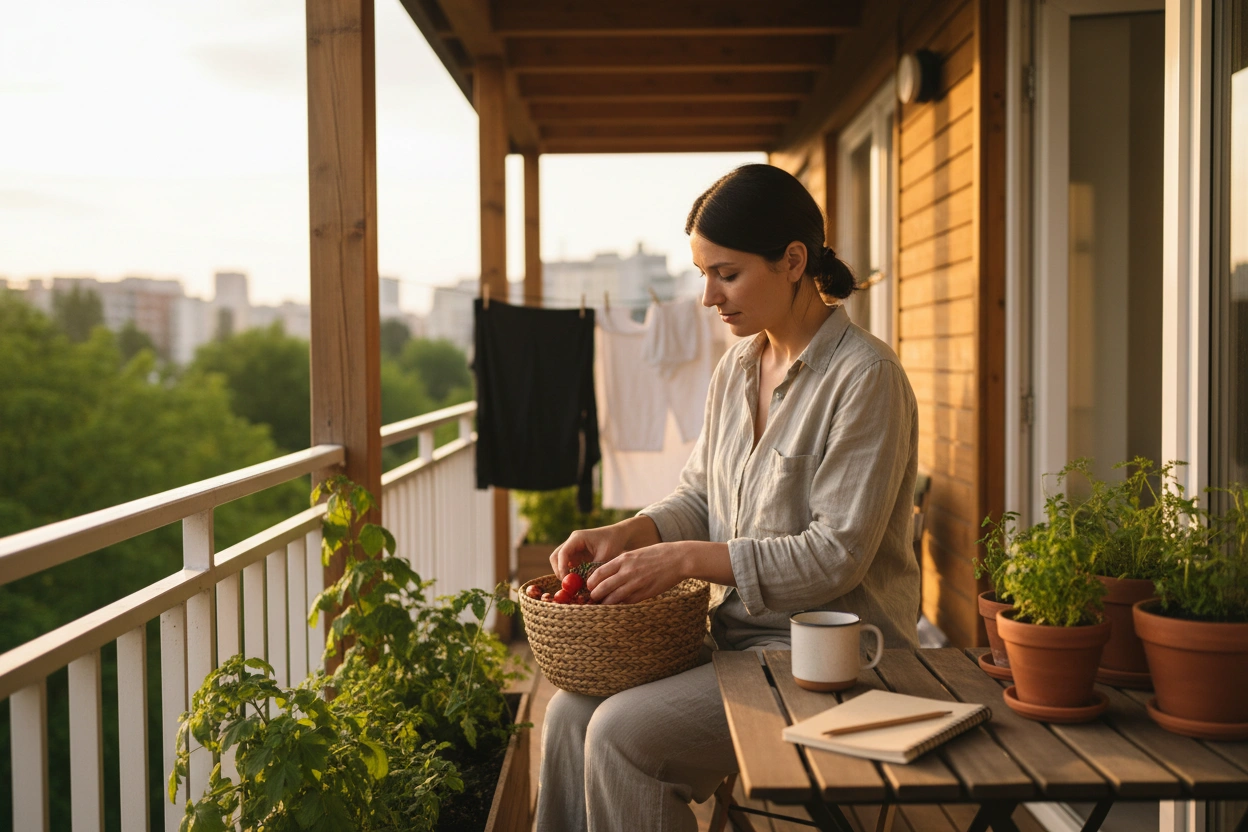
The Importance of Sustainable Living
Sustainable living is about making choices that reduce our environmental impact while supporting the well-being of future generations. It aligns perfectly with the principles of simple living, as both emphasize intentionality and mindfulness in our daily choices. By adopting sustainable practices, we can contribute to a healthier planet and a more fulfilling lifestyle.
Key Strategies for Sustainable Living
To integrate sustainable living into your simple living journey, consider the following strategies:
Choose Eco-Friendly Products: Opt for products made from sustainable materials, such as bamboo, glass, or recycled materials. These choices not only benefit the environment but often lead to higher quality and longer-lasting items.
Support Local Businesses: Purchasing from local artisans and farmers reduces transportation emissions and supports your community. Look for farmers' markets or local craft fairs to find unique, sustainable products.
Reduce Energy Consumption: Implement energy-saving practices in your home, such as using LED light bulbs, unplugging devices when not in use, and investing in energy-efficient appliances. These actions can lower utility bills and reduce your carbon footprint.
Practice Water Conservation: Simple changes, like fixing leaks, using low-flow fixtures, and collecting rainwater for gardening, can significantly reduce water consumption in your home.
Adopt a Plant-Based Diet: Reducing meat and dairy consumption can lower your environmental impact. Explore plant-based recipes and try incorporating more fruits, vegetables, and whole grains into your meals.
Common Mistakes in Sustainable Living
Many individuals face challenges when transitioning to sustainable living. Here are some common mistakes to avoid:
Trying to Change Everything at Once: Transitioning to sustainable living is a gradual process. Focus on small, manageable changes rather than overwhelming yourself with drastic lifestyle shifts.
Purchasing “Green” Products Without Research: Not all eco-friendly products are created equal. Research brands and products to ensure they are genuinely sustainable and not just marketed as such.
Neglecting to Educate Yourself: Stay informed about sustainable practices and their impact on the environment. Continuous learning allows you to make better choices and inspire others to do the same.
The Path to a Mindful Consumption Lifestyle
Transitioning to a lifestyle centered around mindful consumption and simple living involves ongoing reflection and adjustment. Here are some actionable steps to help you stay on track:
Reflect on Your Values: Regularly assess what matters most to you and how your consumption habits align with those values. This reflection can help reinforce your commitment to mindful consumption.
Create a Consumption Journal: Document your purchases and the thought process behind each one. This practice encourages mindfulness and can help identify patterns in your spending habits.
Join a Community: Seek out local or online communities focused on simple living and sustainable practices. Engaging with like-minded individuals can provide support, inspiration, and accountability in your journey.
Share Your Journey: Consider sharing your experiences with friends, family, or social media. By articulating your journey, you may inspire others to explore simple living and mindful consumption.
Be Patient with Yourself: Change takes time, and it’s important to be gentle with yourself during this process. Celebrate your successes and learn from setbacks without harsh self-judgment.
The Intersection of Simple Living and Mindful Consumption
Embracing mindful consumption is a vital component of simple living. By intentionally choosing what we bring into our homes and lives, we can create spaces that reflect our values and promote well-being. The principles of sustainable living further enhance this journey, allowing us to contribute positively to the environment while simplifying our lives.
TinyHouse.com offers resources and support for individuals looking to adopt simple living practices. Whether you are interested in building or buying a tiny home, the tools available can guide you through the process without overwhelming complexity. By applying the strategies discussed in this article, you can cultivate a lifestyle that values mindfulness, simplicity, and sustainability. For more information on how to start your journey toward simple living, visit TinyHouse.com. Let’s create homes that not only serve our needs but also contribute to a healthier planet.


.svg)

.jpg)
.jpg)