
Are Tiny Homes Popular in Southwest Colorado?

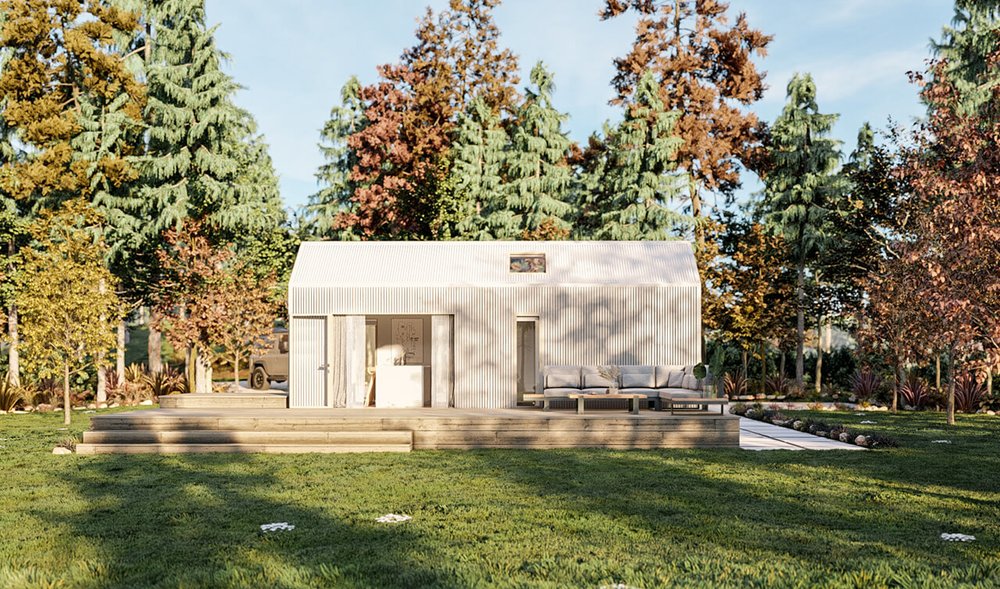
Southwest Colorado has long attracted a certain kind of person—one who values wide-open landscapes, outdoor adventure, and a lifestyle uncomplicated by excess. So it's no surprise that tiny homes have found a receptive audience here. From the red rock canyons near Cortez to the alpine meadows outside Durango, compact living has quietly become a significant part of the region's housing conversation.
But how popular are tiny homes in Southwest Colorado, really? And are they a practical housing option, or more of a lifestyle novelty? This article examines the current state of tiny home living in the region, explores why so many people are drawn to it, and outlines what prospective buyers and builders need to know before making the leap.
What's Driving Interest in Tiny Homes Across Southwest Colorado?
The appeal of tiny homes in this part of the state isn't happening in a vacuum. Several converging forces have pushed compact housing into the mainstream.
Housing affordability is perhaps the most pressing. Durango, the region's largest city, has seen home prices rise sharply over the past decade. As of recent years, median home prices in Durango have exceeded $600,000—well beyond what many local workers, retirees, and younger residents can reasonably afford. Tiny homes, which typically range from $30,000 to $150,000 depending on construction type and amenities, offer a legitimate path to homeownership for those priced out of the traditional market.
Beyond economics, Southwest Colorado's culture plays a major role. The region draws outdoor enthusiasts, remote workers, artists, and retirees who actively seek simpler living arrangements. For many of these residents, a smaller home isn't a compromise—it's a deliberate choice aligned with their values around sustainability, minimalism, and financial freedom.
The growth of remote work has also been a catalyst. With more people untethered from urban offices, Southwest Colorado has become an attractive destination for those seeking quality of life over convenience. A tiny home on a scenic parcel of land suddenly becomes a viable primary residence rather than a weekend retreat.
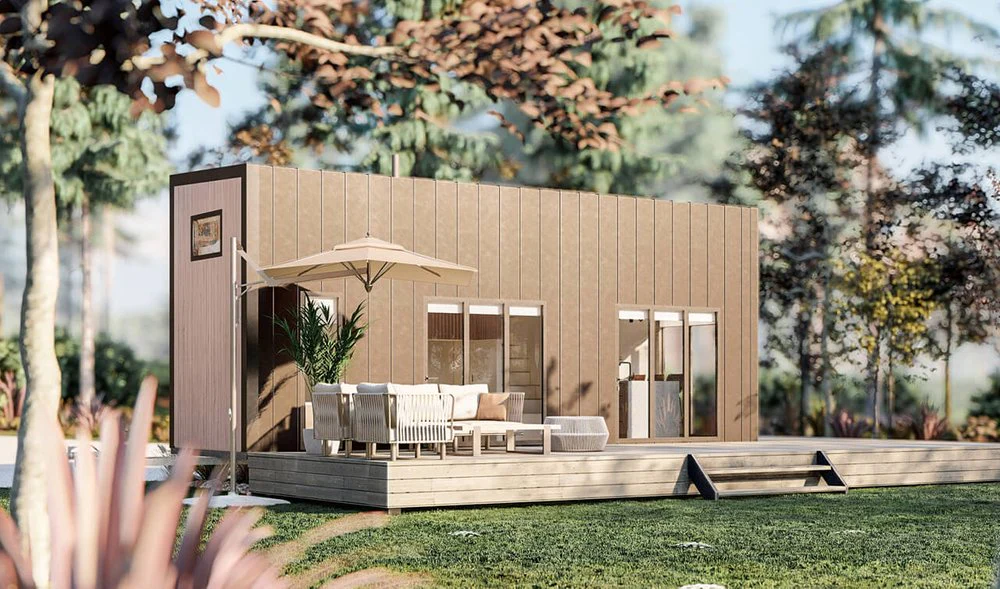
Where Are Tiny Homes Most Common in Southwest Colorado?
Tiny home interest is spread across the region, though certain areas have emerged as more welcoming than others.
Durango has seen growing interest in accessory dwelling units (ADUs) and backyard tiny homes and guest houses, particularly as the city works to address its housing shortage. Local zoning discussions have increasingly included language around compact housing.
Cortez and Montezuma County tend to offer more flexible land-use regulations and lower land costs, making them attractive for off-grid tiny home setups. Properties outside city limits in this area often allow for greater flexibility in what structures can be placed on them.
Pagosa Springs has attracted a wave of remote workers and retirees, some of whom have turned to tiny homes as a cost-effective way to settle in the area. The town's scenic beauty and slower pace of life make it a natural fit for the tiny home lifestyle.
Rural San Juan County and surrounding unincorporated areas also draw those seeking truly off-grid living, where tiny homes—often paired with solar systems and water storage—can function as fully self-sufficient residences.
What Are the Zoning and Legal Considerations for Tiny Homes in Southwest Colorado?
This is where things get nuanced. Zoning laws in Colorado vary significantly by county and municipality, and Southwest Colorado is no exception.
How Does Colorado Law Define a Tiny Home?
Colorado recognizes tiny homes as a legitimate housing type, and the state has made efforts to standardize how they are regulated. In 2020, Colorado adopted appendix Q of the International Residential Code, which sets specific building standards for dwelling units under 400 square feet. This was a meaningful step toward legitimizing tiny homes as permanent residences rather than recreational structures.
What Are the Zoning Rules in Southwest Colorado Specifically?
At the local level, regulations vary considerably:
- La Plata County (home to Durango) has zoning rules that generally require permanent homes to meet minimum square footage requirements, though ADUs and certain rural parcels may offer more flexibility.
- Montezuma County tends to be more permissive for rural land, making it easier to place a tiny home or manufactured structure outside of town limits.
- Archuleta County (Pagosa Springs area) has seen increasing interest in ADUs and is gradually updating its codes to reflect changing housing needs.
Tiny homes on wheels (THOWs) present a separate set of challenges. Many counties classify them as recreational vehicles rather than permanent dwellings, which affects where they can legally be parked and used as a primary residence. Anyone considering a THOW should consult local planning departments before purchasing land or a structure.
What Are the Practical Benefits of Tiny Home Living in This Region?
For those who can navigate the regulatory landscape, tiny homes offer a compelling set of advantages that are particularly well-suited to Southwest Colorado's geography and lifestyle.
Lower cost of living. Reduced mortgage payments, lower utility bills, and minimal maintenance costs free up income for the activities that drew many residents to the region in the first place—skiing, hiking, mountain biking, and travel.
Off-grid capability. Southwest Colorado's abundant sunshine makes solar energy highly effective. Many tiny home owners pair their structures with solar panels, rainwater collection, and composting systems, enabling them to live entirely off the grid. This is especially appealing in rural areas where utility hookups may be expensive or unavailable.
Environmental footprint. Smaller homes consume fewer resources to build and operate. For residents who prioritize sustainability, this alignment between values and lifestyle is a meaningful benefit.
Flexibility. THOWs, in particular, offer mobility that traditional homes cannot. Owners can relocate to follow seasonal work, move closer to family, or simply explore new areas without the burden of selling a property.
What Are the Challenges of Tiny Home Ownership in Southwest Colorado?
Tiny homes are not without their complications, and prospective owners should approach the decision with clear-eyed realism.
Financing can be difficult. Traditional mortgage lenders are often reluctant to finance tiny homes, particularly THOWs, which may be classified as personal property rather than real estate. Buyers frequently need to rely on personal loans, RV financing, or cash purchases—all of which come with different terms and implications.
Resale value is uncertain. The tiny home market is still maturing, and resale values are less predictable than those of conventional homes. Buyers should consider their long-term plans carefully before committing.
Winter conditions demand preparation. Southwest Colorado winters can be severe, particularly at higher elevations. Tiny homes must be properly insulated and equipped to handle freezing temperatures, heavy snowfall, and extended periods without sun. This is a meaningful engineering and construction consideration, not an afterthought.
Social and community factors. Living in a very small space—whether solo or with a partner—requires genuine psychological adjustment. Those considering tiny home living are well-served by spending time in compact spaces before committing to the lifestyle full-time.
Is the Tiny Home Trend in Southwest Colorado Here to Stay?
All indicators suggest it is. The region's housing affordability challenges are unlikely to resolve quickly, and demand for alternative housing solutions will persist. Local governments are gradually updating their codes to accommodate compact housing, and community awareness of tiny homes as a legitimate option continues to grow.
Tiny home communities—clusters of compact dwellings with shared amenities—have gained traction in other parts of Colorado, and similar developments have been discussed in Southwest Colorado as well. As infrastructure and planning frameworks catch up with demand, these communities could become a more visible part of the housing landscape.
.webp)
Making the Decision: Is a Tiny Home Right for You in Southwest Colorado?
Tiny homes offer a genuine and increasingly viable housing path in Southwest Colorado, but they are not the right fit for everyone. The ideal candidate is someone who values lifestyle flexibility, has realistic expectations about space and resale value, and is willing to invest time in understanding local zoning regulations.
Before purchasing land, a structure, or any materials, consult with a local real estate professional who understands the nuances of compact and alternative housing in the region. Research county-specific zoning rules thoroughly, and if possible, connect with existing tiny home owners in the area. Their firsthand experience will be invaluable.
Southwest Colorado's landscape has always attracted those willing to live a little differently. For the right person, a tiny home here isn't just a housing choice—it's an extension of everything that makes this part of the state worth living in.
Frequently Asked Questions
Are tiny homes legal in Durango, Colorado?
Tiny homes can be legal in Durango, but they must comply with La Plata County and City of Durango zoning regulations. Colorado adopted appendix Q of the International Residential Code in 2020, which provides standards for homes under 400 square feet. Contact the local planning department to confirm requirements for your specific parcel.
Can I live in a tiny home year-round in Southwest Colorado?
Yes, but the structure must be properly insulated and winterized for the region's harsh winters, particularly at higher elevations. Many tiny home owners in the area use propane, wood stoves, or electric heating paired with high-quality insulation to manage cold conditions effectively.
How much does a tiny home cost in Southwest Colorado?
Costs vary widely based on construction type, size, and finishes. DIY builds can start around $30,000, while professionally constructed tiny homes with modern amenities may range from $80,000 to $150,000 or more. Land costs are additional and vary significantly by location.
Can I finance a tiny home with a mortgage?
Traditional mortgages are generally not available for tiny homes on wheels, as lenders typically classify them as personal property. Tiny homes on permanent foundations may qualify for conventional financing in some cases. Personal loans and RV financing are common alternatives.
What Southwest Colorado counties are most permissive for tiny homes?
Montezuma County and rural areas of Archuleta County tend to offer more flexibility for tiny home placement, particularly outside city limits. Always verify current regulations with the local planning department, as rules can change.


.svg)

.jpg)