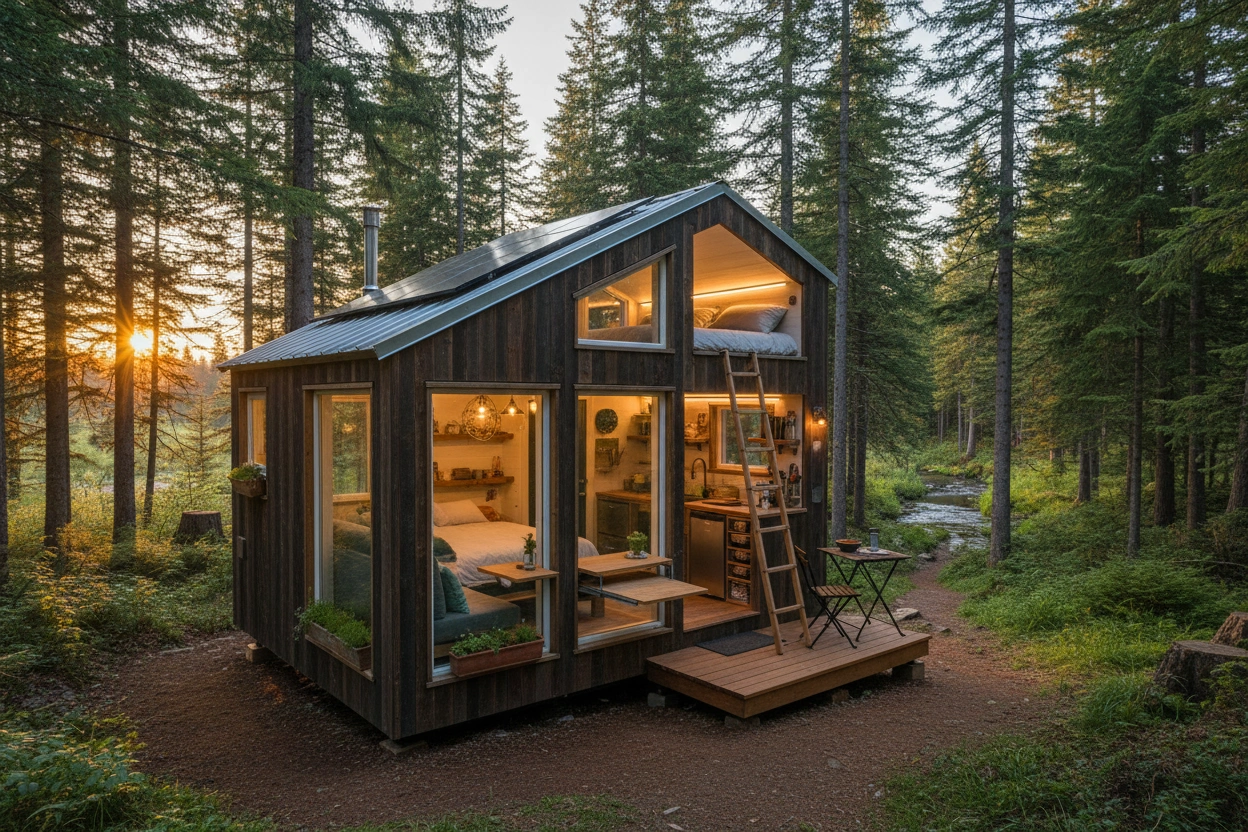
Best Materials for Tiny House Roofing: An Expert Guide

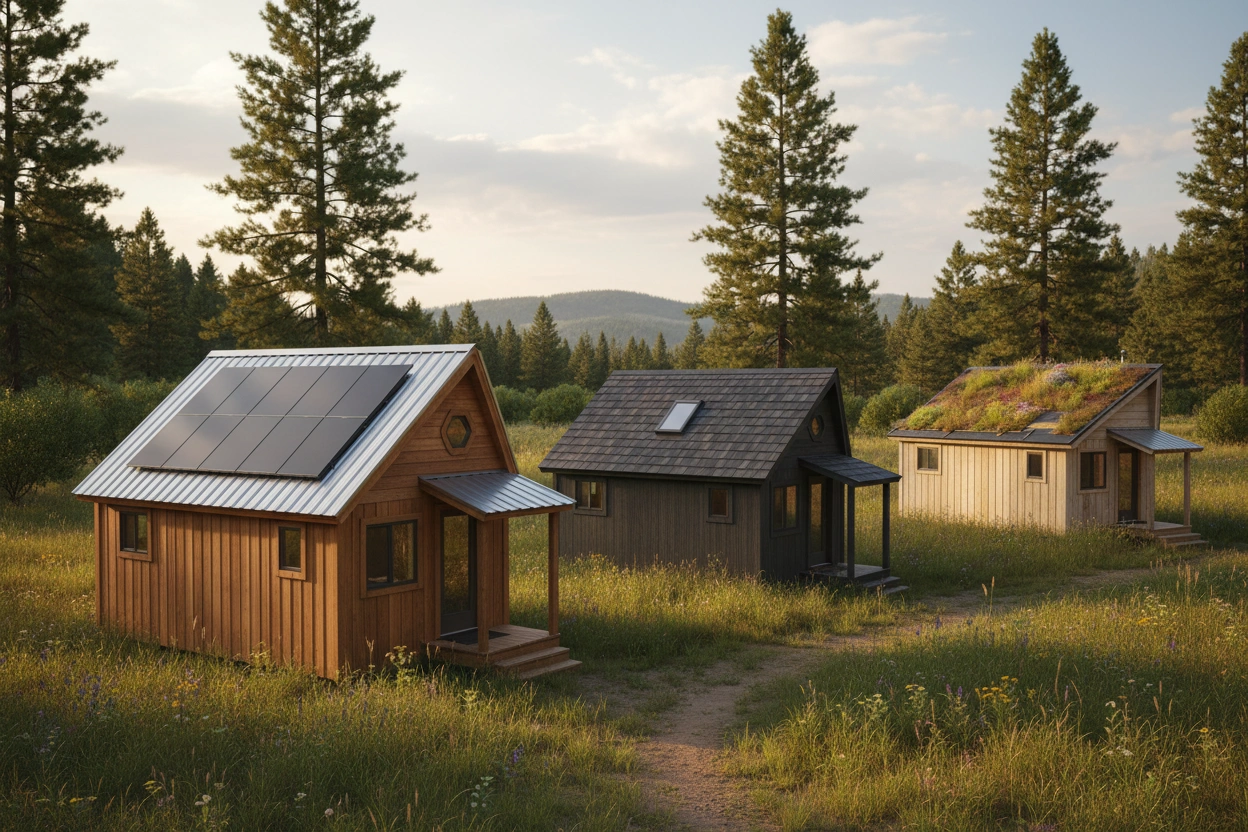
Tiny houses have gained immense popularity in recent years, appealing to individuals and couples seeking a minimalist lifestyle without the burden of excessive debt. One critical aspect of constructing a tiny house is selecting the appropriate roofing material. The roof not only provides protection from the elements but also contributes to the overall aesthetic and energy efficiency of the home. This guide explores the best materials for tiny house roofing, focusing on the top five roofing types suitable for tiny homes.
Understanding the Importance of Roofing in Tiny House Design
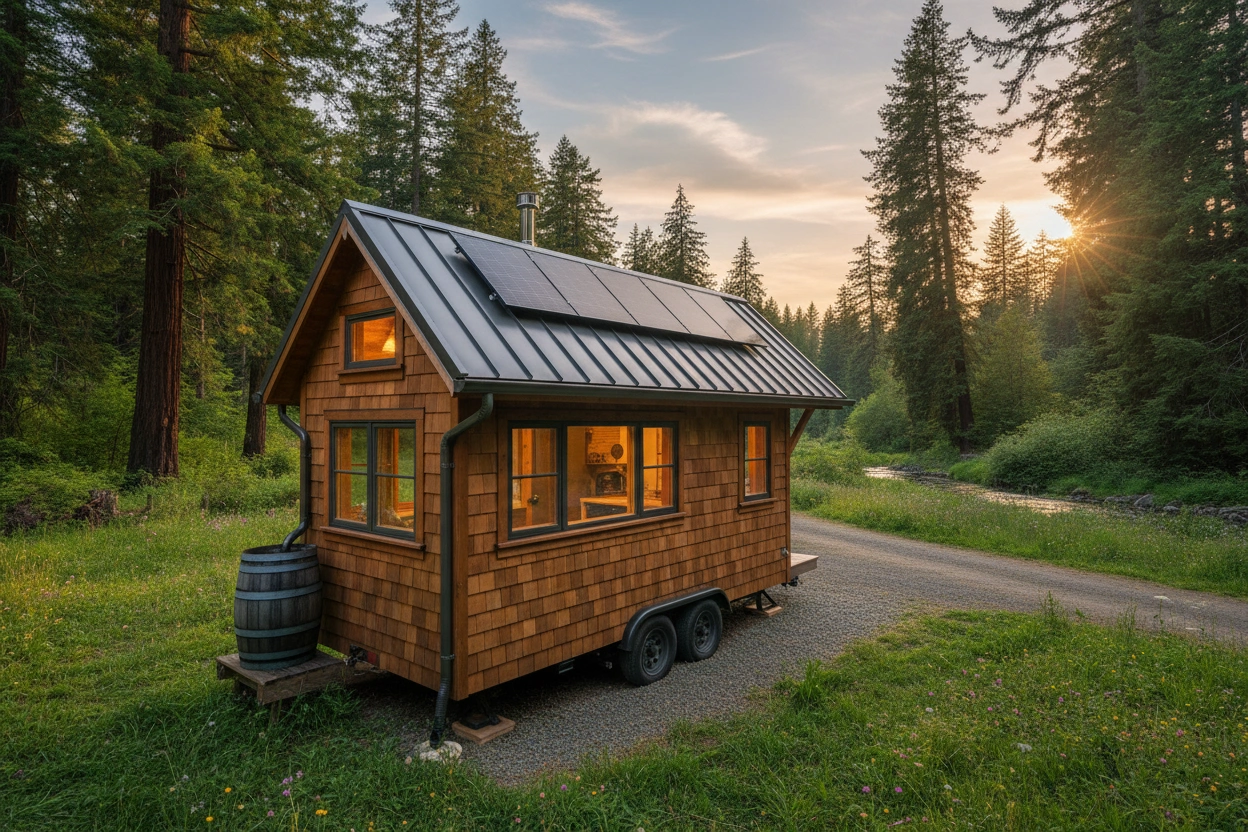
When considering tiny house roofing, it is essential to recognize that the roof serves multiple functions beyond mere coverage. A well-designed roof contributes significantly to the structural integrity, energy efficiency, and aesthetic appeal of a tiny home. Given the small footprint of tiny houses, the choice of roofing material can have a substantial impact on both the interior and exterior environments.
The right roofing material can enhance insulation, reduce energy costs, and improve the overall durability of the home. Additionally, with the rising trend of eco-friendly living, many tiny homeowners are also looking for sustainable roofing options that minimize environmental impact while maximizing performance. Thus, understanding the characteristics of various roofing materials is crucial for making an informed decision.
Top 5 Roofing Types for Tiny Homes

Selecting the best roofing materials for tiny houses involves evaluating various options based on durability, weight, cost, and energy efficiency. Here are the top five roofing types that are particularly well-suited for tiny homes:
1. Metal Roofing
Metal roofing has become a favored choice for tiny homes due to its durability and lightweight properties. It can withstand harsh weather conditions, including high winds and heavy snowfall, making it ideal for various climates.
- Advantages:
- Long lifespan, often exceeding 50 years
- Energy-efficient, reflecting solar heat and keeping homes cooler
- Low maintenance requirements
- Considerations:
- Initial cost can be higher than other materials
- Requires proper insulation to prevent condensation issues
2. Asphalt Shingles
Asphalt shingles remain one of the most popular roofing materials in North America. They are relatively inexpensive and easy to install, making them an attractive option for DIY tiny house builders.
- Advantages:
- Wide variety of colors and styles available
- Affordable initial cost
- Good performance in moderate climates
- Considerations:
- Shorter lifespan compared to metal roofing (typically 15-30 years)
- Less eco-friendly due to petroleum-based materials
3. Wooden Shakes
Wooden shakes provide a rustic and natural look that appeals to many tiny homeowners. They are often made from cedar or redwood, which are naturally resistant to decay.
- Advantages:
- Aesthetic appeal and unique character
- Good insulation properties
- Environmentally friendly if sourced sustainably
- Considerations:
- Higher maintenance requirements to prevent mold and decay
- Vulnerable to fire unless treated with a fire retardant
4. Rubber Roofing
Rubber roofing, often made from recycled tires, offers a durable and eco-friendly option for tiny homes. It is particularly suitable for flat or low-slope roofs, providing excellent waterproofing capabilities.
- Advantages:
- Lightweight and easy to install
- Long lifespan, typically lasting 30-50 years
- Excellent resistance to UV rays and extreme temperatures
- Considerations:
- Initial costs can be higher than asphalt
- Limited color options
5. Slate Roofing
Slate roofing is renowned for its longevity and stunning aesthetic appeal. It is a natural stone that can last over a century when properly maintained, making it an investment in durability.
- Advantages:
- Exceptional durability and low maintenance
- Unique and elegant appearance
- Fire-resistant
- Considerations:
- Significantly heavier than other roofing materials, requiring additional structural support
- Higher upfront costs may not be suitable for all budgets
Factors to Consider When Choosing Tiny House Roofing
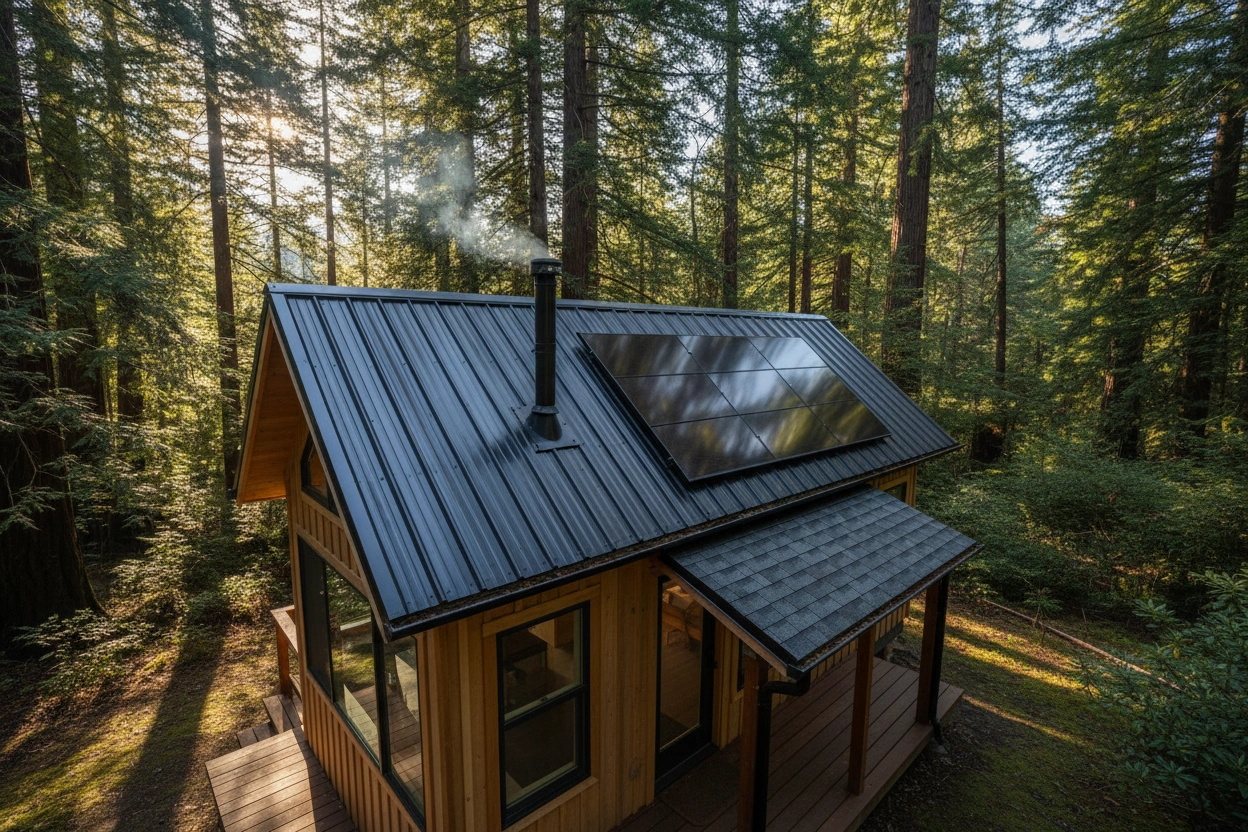
Selecting the right roofing material involves more than just aesthetics. Several factors should be considered to ensure the chosen material meets the needs of the tiny home.
Weight and Structural Support
Given the compact nature of tiny homes, the roofing material's weight is a critical consideration. Heavier materials, like slate, may necessitate additional structural support, which can increase overall costs and complexity. Lighter materials, such as metal and rubber, can alleviate these concerns and reduce the need for extensive reinforcements.
Climate Considerations
The local climate plays a vital role in determining the best roofing material. For instance, regions with heavy snowfall may benefit from metal roofing due to its ability to shed snow, while areas with high winds might require more robust materials. Understanding the environmental factors will help homeowners choose a roof that can withstand the elements and provide long-lasting protection.
Energy Efficiency
Energy efficiency is increasingly important for tiny homeowners looking to minimize utility costs. Reflective materials, such as metal roofing, can help reduce cooling costs in warmer climates, while insulated options may be more suitable for colder regions. Homeowners should assess their climate and energy needs when selecting roofing materials. Additionally, homeowners can insulate your tiny house roofing for maximum comfort.
Budget Constraints
While some roofing materials offer superior durability and aesthetics, they may come with higher price tags. Homeowners should balance their desire for quality materials with budget constraints. It’s often beneficial to consider long-term savings through energy efficiency and maintenance when evaluating upfront costs.
Aesthetic Appeal
The appearance of the roof can significantly influence the overall look and feel of a tiny home. Homeowners should consider how different roofing materials will complement their home's design. Whether opting for the rustic charm of wooden shakes or the sleek look of metal, the roofing choice should align with the homeowner's vision.
Common Mistakes to Avoid When Choosing Tiny House Roofing
Making the right choice for tiny house roofing can be challenging, and several common mistakes can lead to dissatisfaction or increased costs.
Overlooking Local Building Codes
Before finalizing roofing materials, it is essential to check local building codes and regulations. Some areas may have restrictions on roofing types, materials, or installation methods. Ignoring these regulations can lead to costly fines or the need for expensive modifications.
Ignoring Ventilation Needs
Proper ventilation is crucial for maintaining a healthy indoor environment and prolonging the lifespan of roofing materials. Failing to account for ventilation can lead to moisture buildup, which can cause mold growth and structural damage. Homeowners should ensure their roofing design incorporates adequate ventilation.
Underestimating Maintenance Requirements
Different roofing materials come with varying maintenance needs. Homeowners should be realistic about the time and effort they are willing to invest in maintaining their roofs. Choosing a high-maintenance option without considering personal capabilities can lead to costly repairs down the line.
Focusing Solely on Cost
While budget is an important factor, making decisions solely based on upfront costs can lead to poor long-term outcomes. Homeowners should weigh the costs against the durability and energy efficiency of materials to ensure they are making a sound investment.
The Intersection of Aesthetic Appeal and Functionality
The choice of roofing material for tiny homes is a balance between aesthetics and functionality. Homeowners can achieve a beautiful design while ensuring durability and energy efficiency. By carefully considering the options and understanding the characteristics of each roofing type, individuals can create a tiny home that reflects their personal style while providing the protection needed for a comfortable living environment.
TinyHouse.com offers a wealth of resources and guidance to help aspiring tiny homeowners navigate the complexities of building and customizing their homes. From expert advice on materials to practical tips for design, the platform is a valuable resource for anyone interested in the tiny house movement.
For those ready to embark on their tiny house journey, understanding the nuances of tiny house roofing is just the beginning. Visit TinyHouse.com for more information, resources, and inspiration to help you create the perfect tiny home tailored to your lifestyle.


.svg)