Budget-Friendly Living: Practical Simple Living Tips for Families

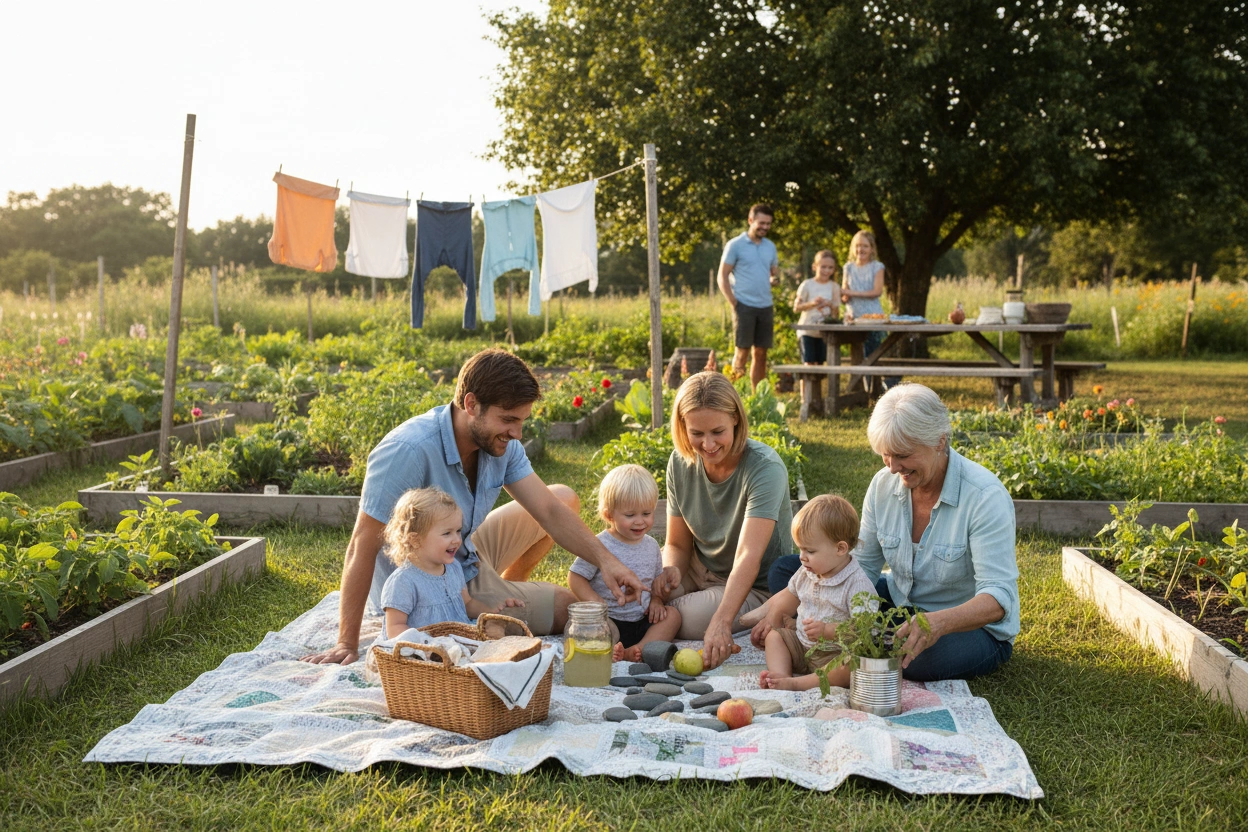
In today's fast-paced world, many families are seeking ways to simplify their lives while maintaining a budget-friendly approach. The concept of simple living has gained traction as more individuals recognize the benefits of decluttering and focusing on what truly matters. This article will provide practical tips on simple living, with a special emphasis on home organization. Families can create a more harmonious environment while saving money and reducing stress.
Understanding Simple Living
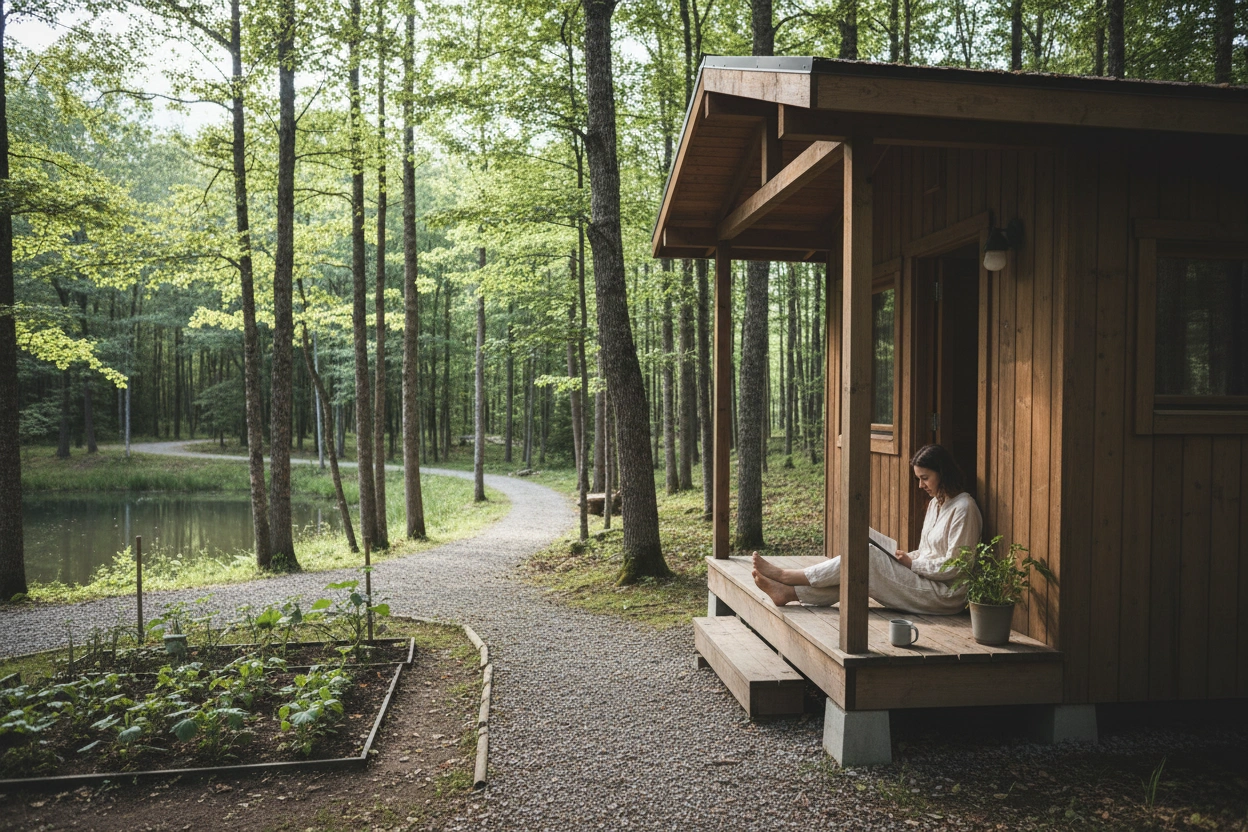
Simple living is more than just a trend; it represents a lifestyle choice that prioritizes essential needs over excessive material possessions. By adopting this approach, families can enhance their well-being, reduce financial burdens, and create a more sustainable lifestyle. Simple living encourages individuals to focus on experiences rather than things, fostering deeper connections with family and friends.
One of the key aspects of simple living is sustainability. This involves making conscious choices about consumption, waste, and resource use. Families can reduce their ecological footprint by embracing sustainable living practices such as recycling, composting, and using energy-efficient appliances. This not only benefits the environment but also leads to significant cost savings over time.
Benefits of Simple Living
- Financial Freedom: By simplifying your lifestyle, you can reduce unnecessary expenses, allowing for better savings and financial stability.
- Reduced Stress: A clutter-free environment promotes mental clarity and reduces anxiety, leading to improved overall well-being.
- Stronger Relationships: Focusing on experiences and connections rather than possessions fosters stronger bonds among family members.
Top 10 Decluttering Tips for a Simpler Home
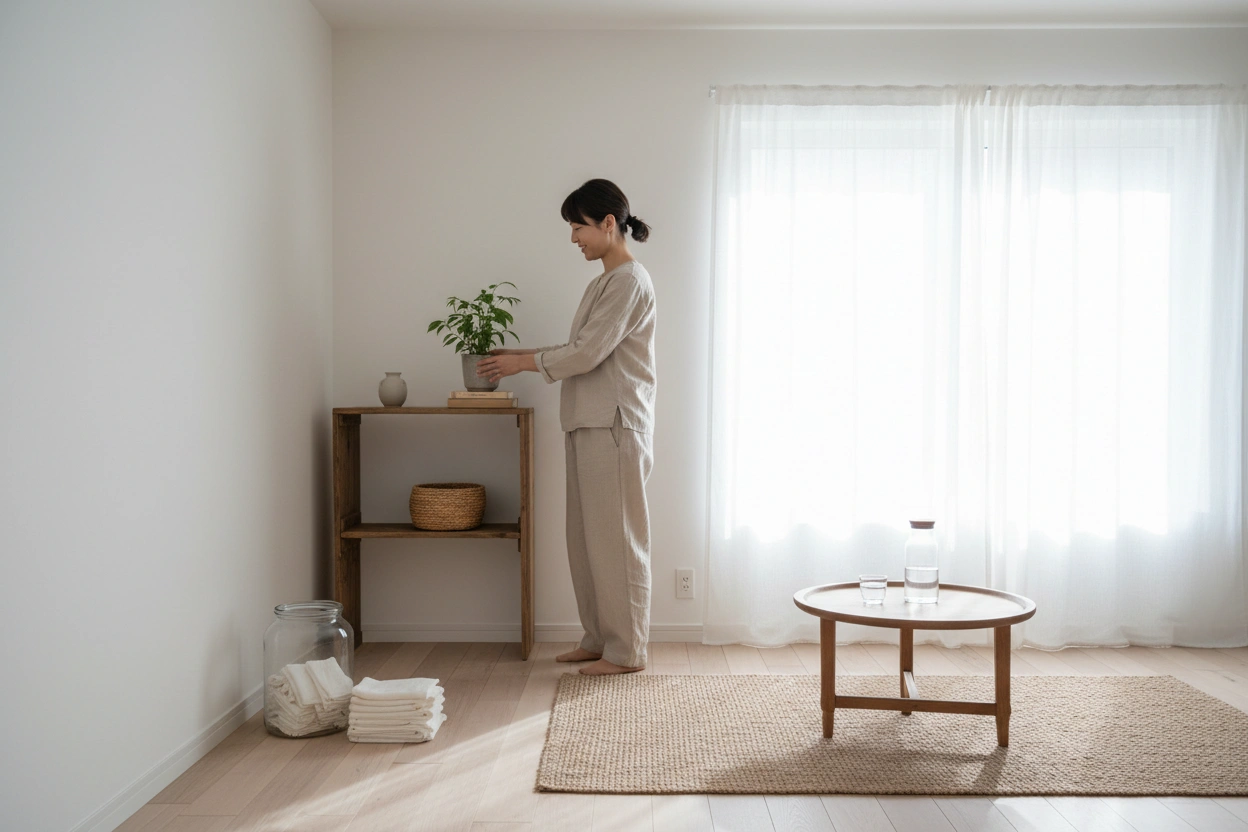
Decluttering is a fundamental step in achieving a simpler home. Here are ten practical tips to help you get started:
- Set Clear Goals: Define what you want to achieve with decluttering. This could be creating more space, reducing stress, or simplifying your daily routine.
- Start Small: Begin with one room or even a single area, like a closet or drawer. Tackling smaller spaces makes the process less overwhelming.
- Use the One-Year Rule: If you haven't used an item in the past year, consider letting it go. This rule helps identify unnecessary items.
- Create a Donation Box: Keep a designated box for items you no longer need. Once it's full, donate it to a local charity.
- Digitize Documents: Reduce paper clutter by scanning important documents and storing them digitally. This makes it easier to access and manage your files.
- Limit Sentimental Items: While it's essential to cherish memories, holding onto too many items can lead to clutter. Choose a few meaningful items to keep and let the rest go.
- Involve the Family: Make decluttering a family activity. Encourage children to participate and teach them the value of letting go of unnecessary items.
- Establish a "One In, One Out" Policy: For every new item you bring into your home, consider removing an old one. This helps maintain balance and prevents clutter from accumulating.
- Set a Time Limit: Allocate a specific amount of time each week to declutter. This ensures the process doesn’t become a daunting task and keeps you motivated.
- Celebrate Progress: Acknowledge your achievements, no matter how small. Celebrating progress can motivate you to continue your decluttering journey.
Common Decluttering Mistakes to Avoid
- Procrastination: Delaying decluttering tasks can lead to overwhelm. Set deadlines and stick to them.
- Holding Onto Broken Items: Many people keep broken items with the hope of fixing them. If you haven't repaired it in six months, consider discarding it.
- Overthinking Decisions: The more time you spend deliberating over whether to keep an item, the harder it becomes to let go. Trust your instincts.
Sustainable Living Practices for Families
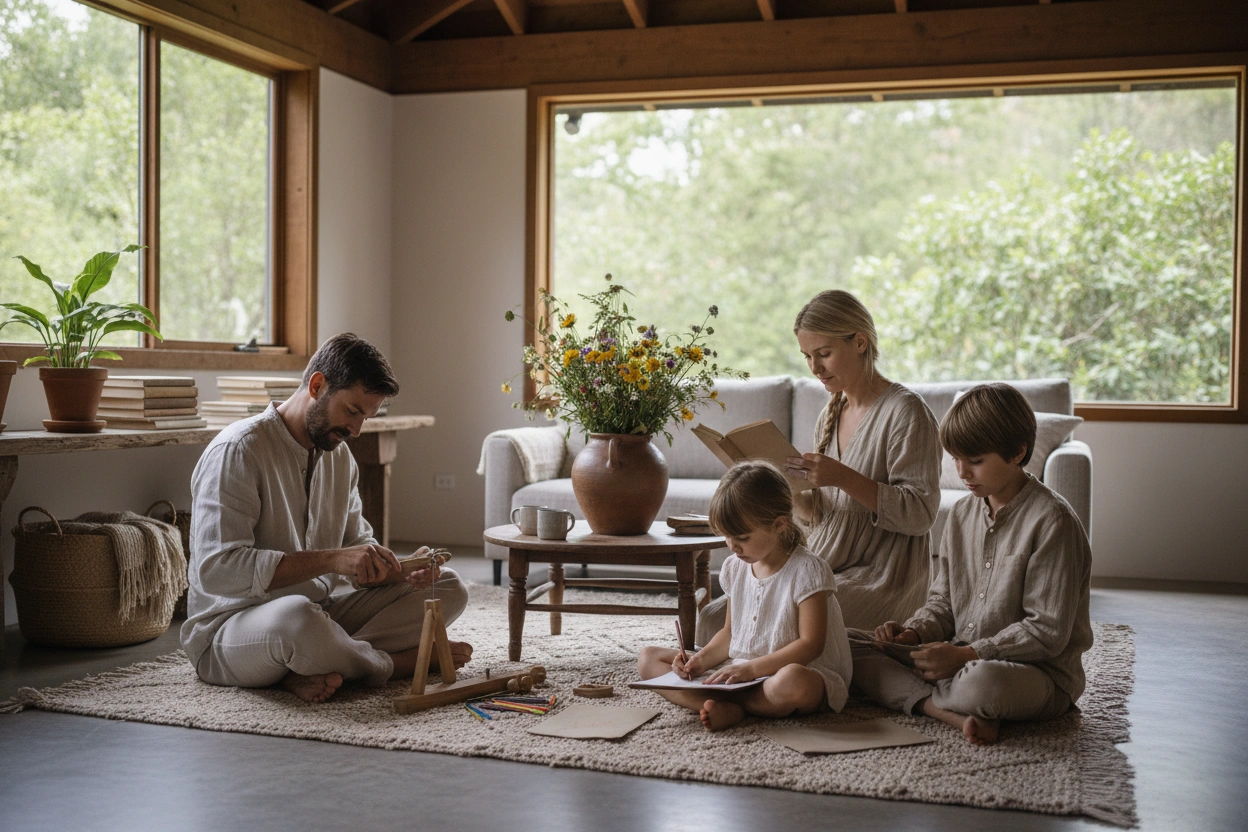
Incorporating sustainable living practices into your simple living journey can further enhance your family's quality of life. Here are some strategies to consider:
- Embrace Minimalism: Adopt a minimalist mindset by purchasing only what you need. This reduces waste and encourages mindful consumption.
- Grow Your Own Food: Start a small garden to grow herbs, vegetables, or fruits. This not only provides fresh produce but also reduces grocery bills.
- Use Eco-Friendly Products: Choose environmentally friendly cleaning and personal care products. This benefits your health and the planet.
- Reduce Energy Consumption: Make simple changes like turning off lights when leaving a room, unplugging devices, and using energy-efficient appliances to lower utility bills.
- Practice Mindful Eating: Plan meals to reduce food waste. Use leftovers creatively and compost organic waste to enrich your garden.
Common Misconceptions About Sustainable Living
- It Requires Significant Investment: Many believe sustainable living is expensive, but simple changes can lead to cost savings over time.
- It's Only for Certain Lifestyles: Sustainable living can be adapted to any lifestyle, regardless of family size or income level.
Implementing Simple Living in Daily Life
Transitioning to a simpler lifestyle involves consistent effort and commitment. Here are some actionable tips to help integrate simple living into your daily routine:
- Create a Daily Routine: Establish a daily schedule that includes time for decluttering, meal preparation, and family activities. This promotes organization and efficiency.
- Practice Gratitude: Take time each day to reflect on what you are grateful for. This mindset helps shift focus from material possessions to meaningful experiences.
- Limit Screen Time: Reduce distractions from screens to foster quality family interactions and more mindful living.
Building a Supportive Environment
Engaging with like-minded individuals can enhance your journey toward simple living. Consider joining local community groups, online forums, or social media groups focused on minimalism and sustainable living. These platforms provide valuable resources, support, and inspiration.
The Intersection of Simple Living and Tiny House Living
Tiny homes epitomize the principles of simple living by maximizing functionality in limited space. Families can embrace minimalism while enjoying the benefits of sustainable living. With the trend of tiny houses on the rise, many families are finding that downsizing their living space leads to a more fulfilling lifestyle.
TinyHouse.com offers a wealth of resources for families interested in exploring tiny home options. From design ideas to financing solutions, this platform provides valuable information to guide you on your journey toward simple living.
As you implement these practical tips for simple living, remember that the goal is not perfection but progress. Focus on what works for your family, and celebrate each step toward a simpler, more fulfilling life.
For further information on how to simplify your living situation and explore tiny home options, visit TinyHouse.com. Here, you will find resources that can help you build or buy a tiny home, aligning with your values of affordability, flexibility, and minimalism. Embrace the journey toward simple living today by taking that first step.


.svg)