
Choosing the Right Entry Door for Long-Term Performance and Style

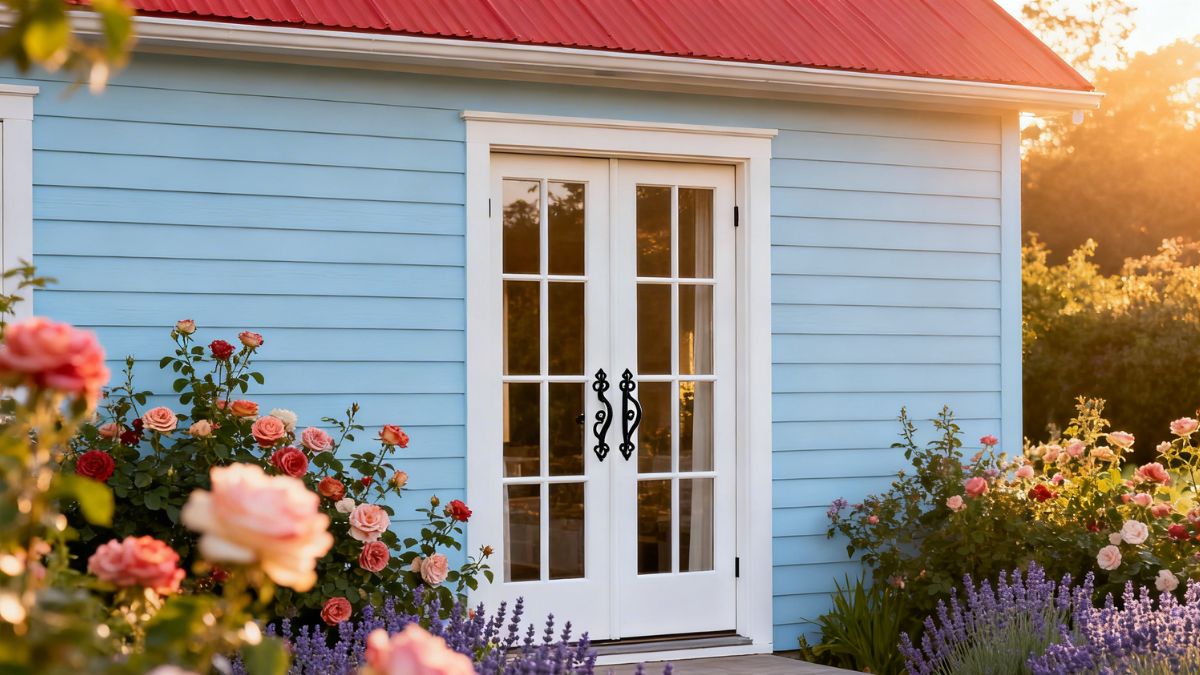
The front door is more than a point of entry. It contributes to a home's security, energy efficiency, architectural character, and overall curb appeal. Whether you're building a new property or renovating an existing one, selecting the right entry door requires balancing appearance with practical considerations such as durability, insulation, maintenance, and installation quality.
Over the past two decades, homeowners have gained access to a wider variety of materials, finishes, and construction techniques. Manufacturers now offer doors that can complement both traditional and contemporary homes while meeting modern expectations for performance.
One example is the growing range of doors for front door applications available from United Porte Inc., a supplier serving the U.S. market with approximately 25 years of experience in interior and exterior doors. The company offers numerous entry door styles, materials, and customization options designed for different architectural preferences and functional requirements.
Why the Front Door Matters
A front door influences several aspects of a home's performance. Beyond creating the first visual impression, it acts as a barrier against weather, helps regulate indoor temperatures, and contributes to household security. Since the entrance is used daily, the door must withstand frequent operation while maintaining its structural integrity.
A quality door system includes more than the door slab itself. The frame, weatherstripping, threshold, hinges, glazing, and locking hardware all work together to improve comfort and durability.
When evaluating different products, homeowners should consider local climate conditions, the home's architectural style, and the expected level of maintenance over the years.
.jpg)
Understanding Door Materials
Different materials offer distinct advantages depending on climate, budget, and design goals.
Wood
Wood remains a popular choice because of its natural appearance and design flexibility. It can be painted or stained to suit various architectural styles and often provides a timeless look.
However, wood generally requires periodic maintenance to protect against moisture, sunlight, and seasonal expansion or contraction.
Steel
Steel doors are valued for their strength and security. Many models include insulated cores that improve thermal performance while maintaining structural stability.
Modern manufacturing techniques also allow steel doors to feature finishes that resemble painted or textured wood surfaces.
Fiberglass
Fiberglass doors combine durability with relatively low maintenance. They resist warping, denting, and corrosion while providing good insulation. Many fiberglass products accurately replicate natural wood grain without requiring the same level of upkeep.
Energy Efficiency Considerations
Energy efficiency has become an increasingly important factor when selecting exterior doors.
Insulated cores, quality weather seals, and properly installed frames help minimize drafts and reduce heat transfer between indoor and outdoor environments. This can improve comfort throughout the year while supporting lower heating and cooling costs.
Glass inserts are also available with energy-efficient glazing technologies that allow natural light into the entryway without significantly compromising thermal performance.
Proper installation remains equally important. Even a well-designed door may underperform if gaps or alignment issues allow air infiltration.
.png)
Security Features
The entrance door serves as one of the primary security barriers for any residence.
Many modern entry doors are designed to accommodate multi-point locking systems, reinforced frames, and impact-resistant hardware. These components distribute locking forces across multiple locations rather than relying on a single latch.
Security also depends on professional installation and correct hardware adjustment, ensuring that locks engage properly and the door closes securely over time.
Design Options for Different Homes
Today's homeowners have far more choices than traditional single-panel doors.
Contemporary homes often feature clean lines, narrow frames, and larger glass sections that maximize natural lighting. Traditional homes may incorporate decorative panels, classic molding profiles, or ornamental glass details that complement established architectural styles.
Double entry doors can create a more dramatic entrance for larger homes, while sidelights and transoms introduce additional daylight into the foyer.
Color selection has also expanded considerably. Neutral finishes remain popular, but darker tones, natural wood appearances, and custom colors provide additional flexibility when coordinating with exterior materials.
Customization and Practical Considerations
Every home has unique dimensions and design requirements.
Manufacturers increasingly offer custom sizing, multiple finish options, decorative glass choices, and a variety of hardware styles. This flexibility allows homeowners to match existing architectural details while accommodating non-standard openings.
Before ordering, accurate measurements are essential. Even small differences in frame dimensions can affect installation quality and long-term performance.
It is also helpful to consider future maintenance requirements when selecting finishes and materials, particularly in regions with significant temperature variation or coastal conditions.
.jpg)
Evaluating a Door Supplier
Choosing a supplier involves more than comparing product catalogs.
Homeowners often look for companies with established manufacturing experience, broad product availability, and customer support throughout the selection process. Availability of replacement parts, warranty coverage, and nationwide distribution can also influence purchasing decisions.
United Porte Inc. has supplied interior and exterior doors in the U.S. market while expanding its showroom network and product selection over the years. Its catalog includes a wide range of European-inspired door designs alongside customization options for residential projects across multiple states.
Installation and Long-Term Maintenance
Professional installation helps maximize the performance of any entry door system.
Installers verify that the frame is level, weather seals are correctly positioned, and hardware operates smoothly. Proper alignment reduces unnecessary wear on hinges and locking mechanisms while improving weather resistance.
Routine maintenance requirements vary by material. Wood doors benefit from periodic refinishing, while fiberglass and steel generally require only cleaning and occasional inspection of weatherstripping and hardware. Lubricating hinges and locks, checking seal integrity, and addressing small issues early can extend the life of the door system.
Conclusion
Selecting an entry door is a long-term investment that affects appearance, security, energy efficiency, and everyday functionality. By carefully evaluating materials, insulation, customization options, and installation quality, homeowners can choose a solution that continues to perform well for many years.
Rather than focusing solely on aesthetics, a thoughtful approach considers durability, maintenance, and compatibility with the home's architecture. Working with experienced suppliers that offer a broad selection of products and support throughout the purchasing process can help ensure the final choice meets both practical requirements and design expectations.


.svg)

.jpg)