
Comparing Tiny House vs. Traditional Home Life in Spain

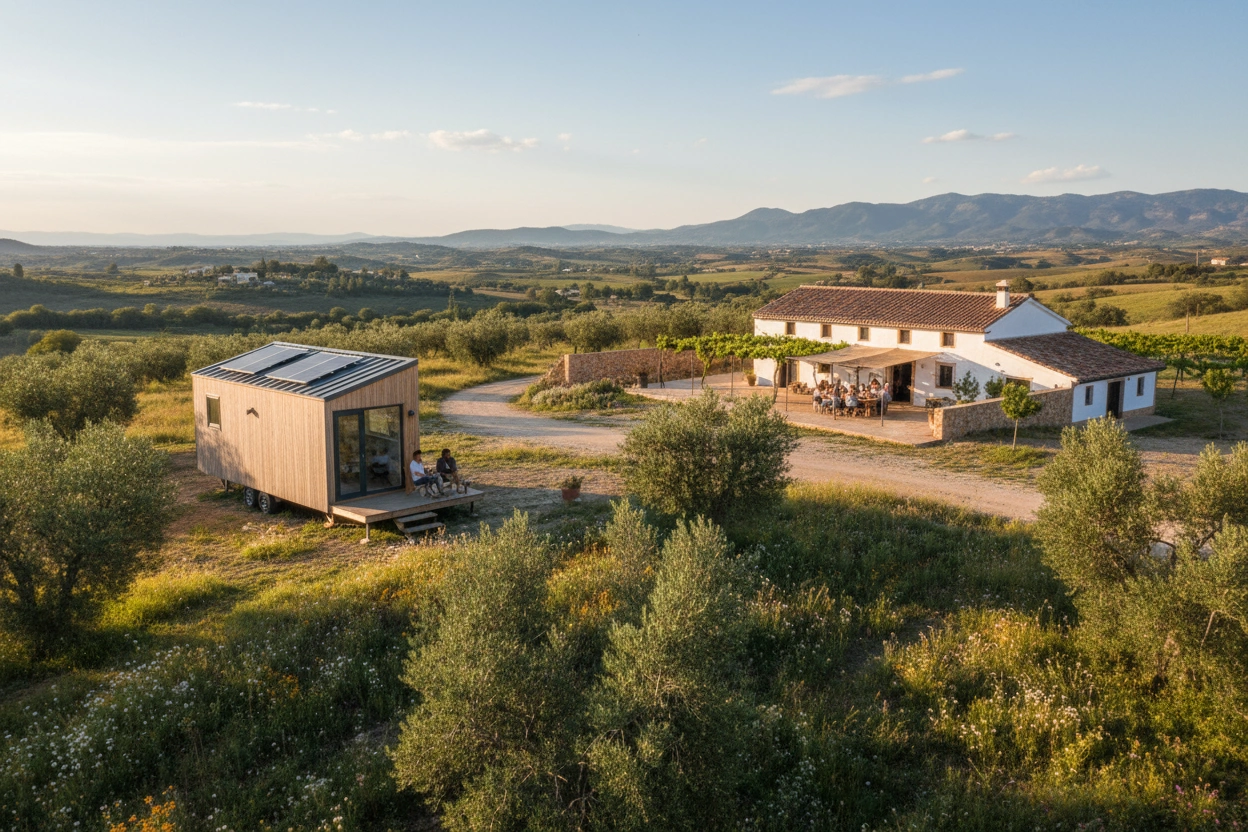
The concept of tiny living has gained traction in various parts of the world, and Spain is no exception. The rise of the tiny house movement reflects a shift in values towards minimalism, sustainability, and affordability. For many, the idea of a tiny house in Spain represents not just a home, but a lifestyle that prioritizes simplicity and connection with nature. This article will compare the experiences of living in a tiny house versus a traditional home in Spain, exploring the unique advantages and challenges of each option. We will also highlight the top ten tiny house communities in Spain, providing insights into where you might find your next home.
The Appeal of Tiny Living in Spain

Tiny houses offer a unique set of benefits that appeal to a growing demographic seeking a different lifestyle. The allure of a tiny house in Spain lies in its potential for affordability, reduced environmental impact, and a more manageable living space.
Financial Advantages
One of the most compelling reasons to consider a tiny house in Spain is the financial aspect. Traditional homes can be prohibitively expensive, especially in popular urban areas such as Madrid or Barcelona. In contrast, affordable tiny homes in Spain can cost significantly less, allowing individuals and families to invest their savings in experiences rather than mortgages.
- Lower initial investment: The cost of building or purchasing a tiny house is typically lower than that of a traditional home.
- Reduced utility costs: Smaller spaces require less energy for heating and cooling, leading to lower monthly bills.
- Minimal maintenance expenses: The compact nature of tiny homes often means fewer repairs and upkeep.
Lifestyle Flexibility
Living in a tiny house also encourages a lifestyle that values flexibility and adventure. Many tiny house dwellers in Spain embrace mobility, allowing them to explore various regions of the country without being tied to a single location. This is particularly appealing to remote workers and those seeking a more nomadic lifestyle. Off-grid living can often be a part of this experience.
- Opportunities for travel: Tiny homes can often be placed in picturesque locations, allowing residents to enjoy the beauty of Spain.
- Minimalist lifestyle: Downsizing encourages individuals to prioritize experiences over possessions, leading to a more fulfilling life.
- Community connections: Tiny house communities foster a sense of belonging and shared values among residents.
Challenges of Tiny Living
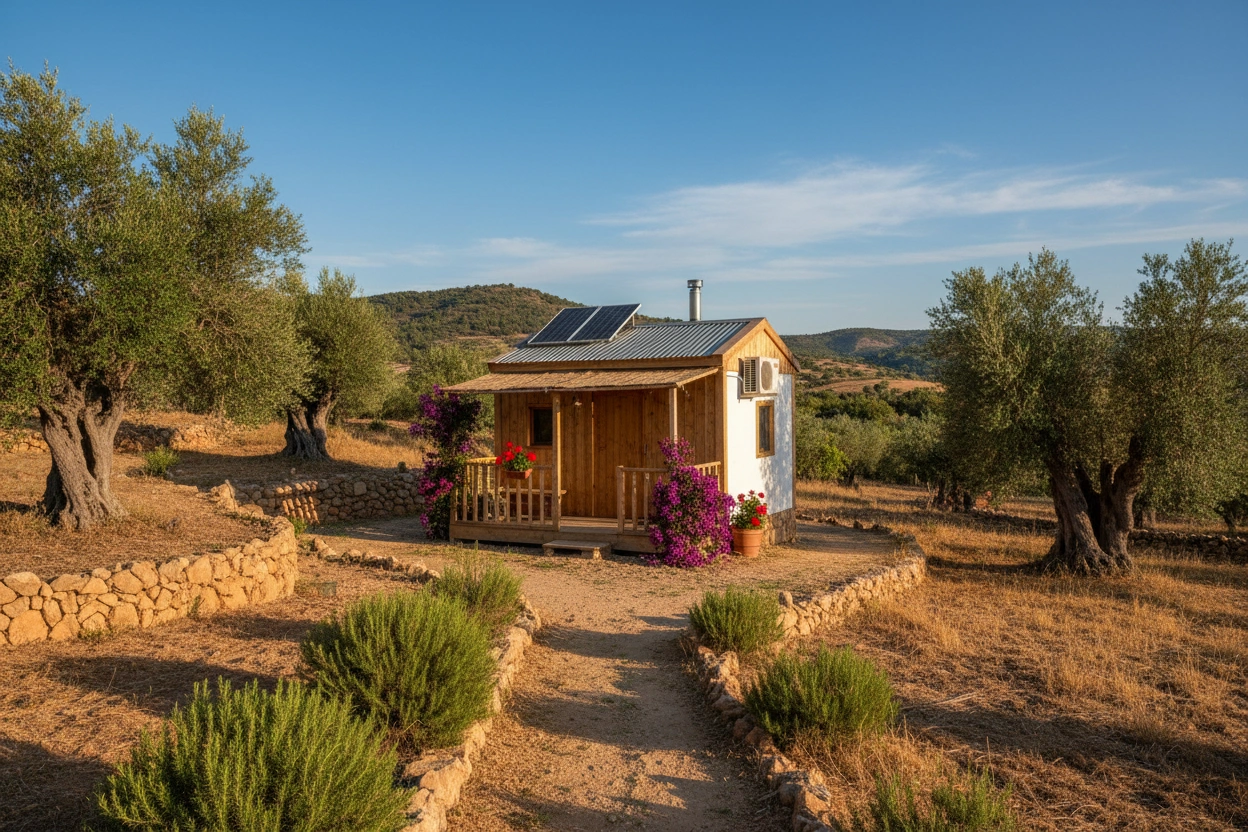
While the benefits of tiny houses are attractive, there are challenges to consider. The transition from a traditional home to a tiny house in Spain may not be seamless for everyone.
Space Limitations
Living in a tiny home means adjusting to a smaller living space, which can be a significant adjustment for those accustomed to the spaciousness of traditional homes.
- Clutter management: Limited space requires careful organization and a commitment to keeping only essential items.
- Privacy concerns: Depending on the layout, some tiny homes may lack private spaces, which can be an issue for families or couples.
- Adaptation to a minimalist lifestyle: The transition to minimalism can be challenging and may require a mindset shift.
Legal and Zoning Issues
Navigating the legal landscape for tiny homes in Spain can be complex. Many regions have specific zoning laws and regulations that impact where tiny houses can be placed.
- Understanding local regulations: It's essential to research zoning laws in the desired area to ensure compliance and avoid potential fines.
- Land ownership considerations: Finding suitable land for a tiny house can be challenging, as not all properties allow for tiny home placement.
- Building codes: Tiny homes must often adhere to local building codes, which may require modifications to the original design.
Comparing Tiny Houses and Traditional Homes
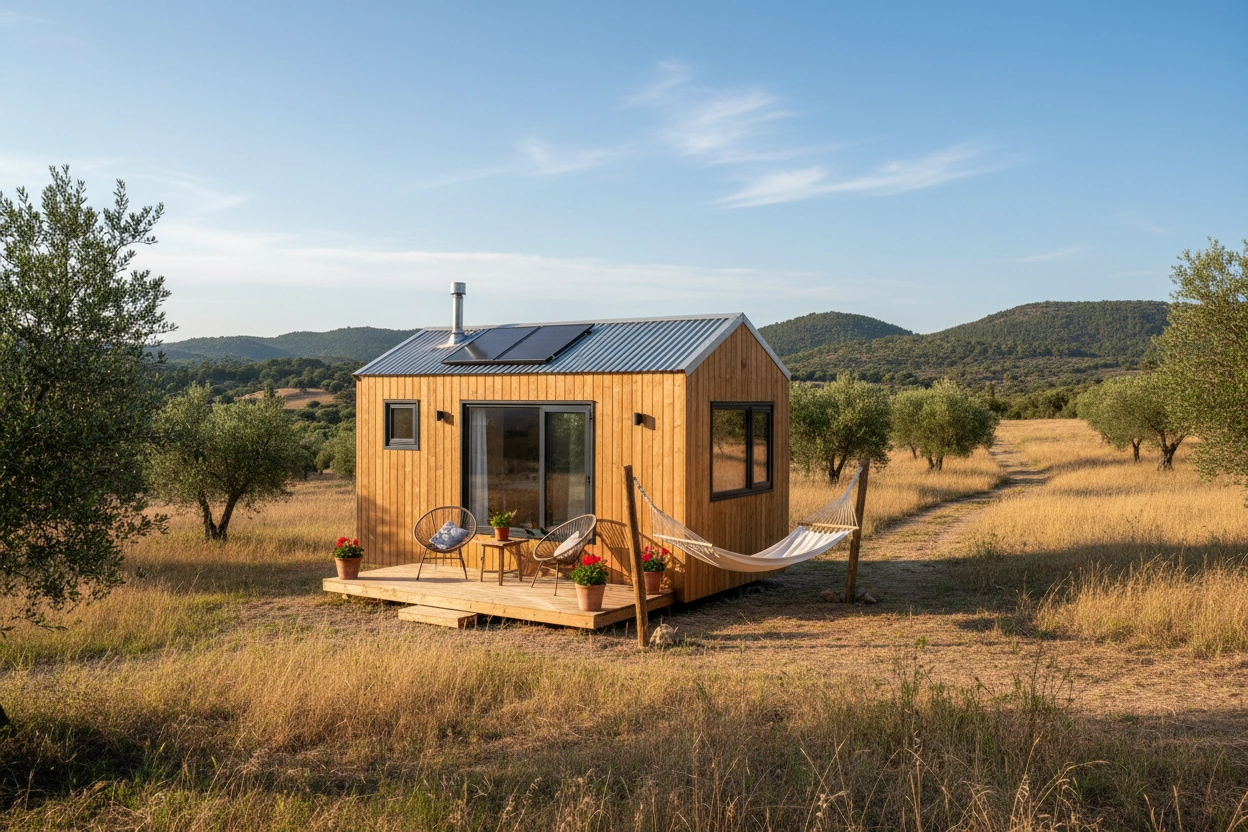
When considering the differences between tiny houses and traditional homes in Spain, it is important to evaluate various aspects such as cost, lifestyle, space, and community.
Cost Comparison
The cost of living in a tiny house versus a traditional home in Spain can vary dramatically.
- Initial Purchase Price: Tiny houses generally have a lower purchase price than traditional homes. For example, a tiny home can range from €20,000 to €50,000, while traditional homes can easily exceed €150,000.
- Ongoing Expenses: Tiny houses often incur lower utility costs, as previously discussed. Traditional homes, on the other hand, come with higher maintenance and utility bills.
- Financing Options: While financing for tiny homes is becoming more available, traditional homes have a more established lending process, which can be beneficial for buyers.
Lifestyle and Community
Tiny homes foster a sense of community that may be less pronounced in traditional neighborhoods.
- Community Living: Many tiny house communities in Spain encourage social interaction and shared resources, which can enhance the living experience.
- Flexibility vs. Stability: Tiny house living promotes a flexible lifestyle, while traditional homes often provide stability and rootedness in one location.
- Environmental Impact: Tiny homes tend to have a smaller ecological footprint, appealing to those concerned about sustainability.
Top 10 Tiny House Communities in Spain
For those interested in the tiny house lifestyle, Spain offers several communities where residents can live sustainably and connect with like-minded individuals. Here are ten notable tiny house communities across the country:
- La Casa de la Montaña - Located in the Pyrenees, this community emphasizes eco-friendly living and offers stunning mountain views.
- Tiny House Village - Situated in Andalusia, this village provides a variety of tiny home options and a supportive community atmosphere.
- Ecoaldea de la Tierra - Near Valencia, this eco-community focuses on sustainable practices and organic farming.
- La Casita Verde - Located in Galicia, this tiny house community promotes green living and self-sufficiency.
- Kasa de Viento - Situated on the Costa Brava, this community offers tiny homes with sea views and easy beach access.
- Tiny House Escapes - Located in various regions, this network of tiny homes offers vacation rentals for those looking to experience tiny living.
- Finca de la Luz - Nestled in the hills of Alicante, this community combines tiny homes with communal gardens and shared spaces.
- Cohousing La Huerta - Based in Catalonia, this community integrates tiny homes with permaculture practices and social activities.
- Tiny Houses en la Naturaleza - This community focuses on connecting residents with nature, providing a serene living environment.
- Cabañas del Bosque - Located in the forests of Asturias, this tiny house community emphasizes tranquility and natural beauty.
Common Misconceptions About Tiny Houses
There are several misconceptions surrounding tiny houses that can deter potential residents. Understanding these misconceptions can help individuals make informed decisions.
Misconception 1: Tiny Houses Are Only for Minimalists
While many tiny house dwellers embrace minimalism, it is not a requirement. Tiny houses can accommodate various lifestyles, and residents can personalize their spaces to reflect their preferences.
Misconception 2: Tiny Houses Lack Comfort
Many tiny homes are designed with comfort in mind. Innovative designs often maximize space and include modern amenities, providing a cozy living environment.
Misconception 3: Tiny Living Is a Passing Trend
The tiny house movement has shown resilience and growth over the years, indicating a shift in societal values towards sustainability and simplicity. This lifestyle is likely to continue evolving rather than fading away.
Embracing Tiny Living in Spain
Choosing between a tiny house and a traditional home in Spain ultimately comes down to personal preferences and lifestyle goals. Tiny houses offer an affordable and flexible living option that can enhance one's quality of life, while traditional homes provide stability and familiarity.
For those considering buying tiny houses in Spain, it is essential to research local communities, legal requirements, and design options. Engaging with current tiny house residents can provide invaluable insights into the day-to-day realities of tiny living.
The Future of Tiny Houses in Spain
As the tiny house movement continues to grow, we can expect to see more innovative designs, communities, and resources dedicated to this lifestyle. The increased interest in sustainability and minimalism suggests that tiny houses will play a significant role in shaping the future of housing in Spain.
The Intersection of Tiny House Living and Traditional Home Life in Spain
In comparing tiny houses and traditional homes, it is clear that each option has its unique advantages and challenges. A tiny house in Spain offers an affordable, flexible, and community-oriented lifestyle that resonates with many individuals and families.
As you consider your options, remember that TinyHouse.com is here to support your journey toward tiny living. Whether you're looking for resources, communities, or tips on building your own tiny home, we provide the information you need to make informed decisions.
For more insights and resources on tiny houses in Spain, visit TinyHouse.com and take the first step towards your new lifestyle.


.svg)
.jpg)
.jpg)
.jpg)
.jpg)