
Designing Small House Floor Plans: Important Rules

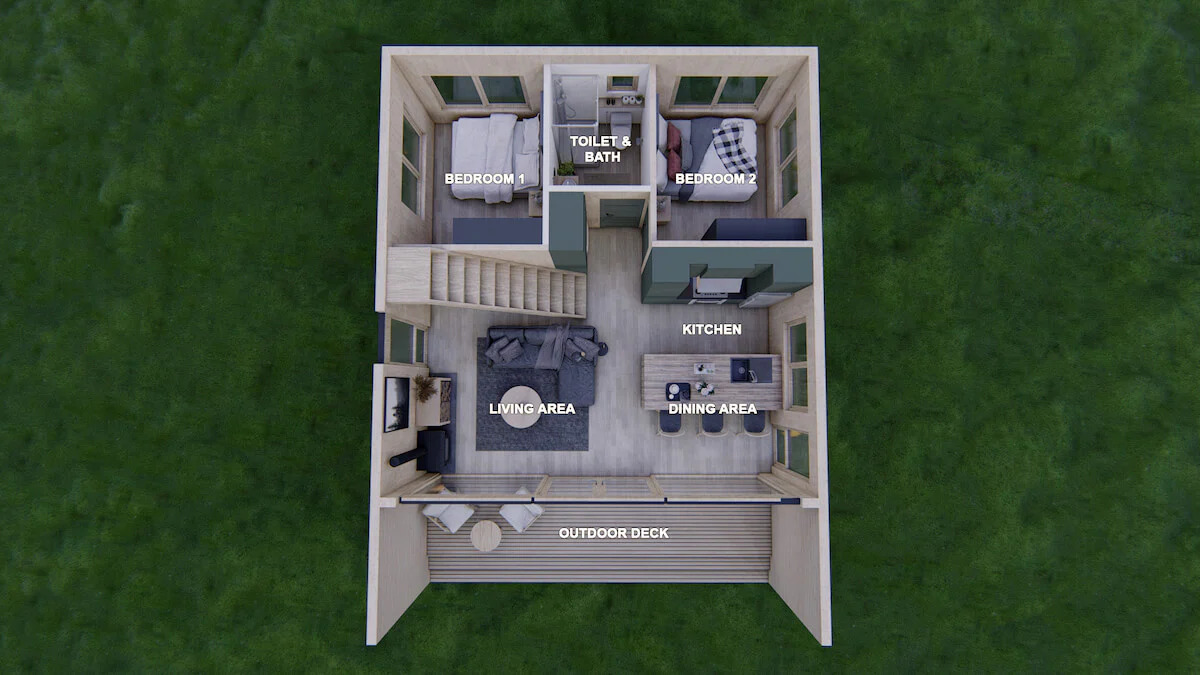
Designing small house floor plans is a different kind of design problem. Every inch has a job, and the plan has to support real daily life, not just look good on a screen. The best small layouts feel calm because they reduce friction. They place essentials where you naturally reach for them, keep pathways clear, and avoid awkward corners that collect clutter.
Some owners begin with hand-sketched layouts and then outsource CAD drafting services to translate those ideas into clean, permit-ready drawings. Others rely on extra technical support from specialized services like JOT Engineering staffing company when the project needs more drafting bandwidth or tighter documentation. Those choices can help, but the biggest wins still come from smart planning rules that guide the layout from the first line you draw.
Define Your Priorities Before You Draw Walls
A small house cannot be everything at once. Start by naming the non-negotiables for the way you live. Cooking habits, work needs, hobbies, pets, and hosting style should drive the plan. A person who cooks daily needs more counter space than someone who eats out. A remote worker needs a dedicated desk zone that does not become the dining table by default.
Next, list the constraints that are already decided. That includes the exterior footprint, trailer dimensions for tiny homes on wheels, lot setbacks for backyard cottages, and the climate you will live in. These constraints affect window placement, insulation thickness, and mechanical space. They also determine where you can place doors and how much outdoor living can carry some of the load.
Finally, choose your “big space.” In a small house, one area usually gets priority. It might be the kitchen, the living area, or the sleeping zone. When one zone is intentionally generous, and the rest are efficient, the home feels designed, not squeezed.
Design to Codes Early, Not at the End
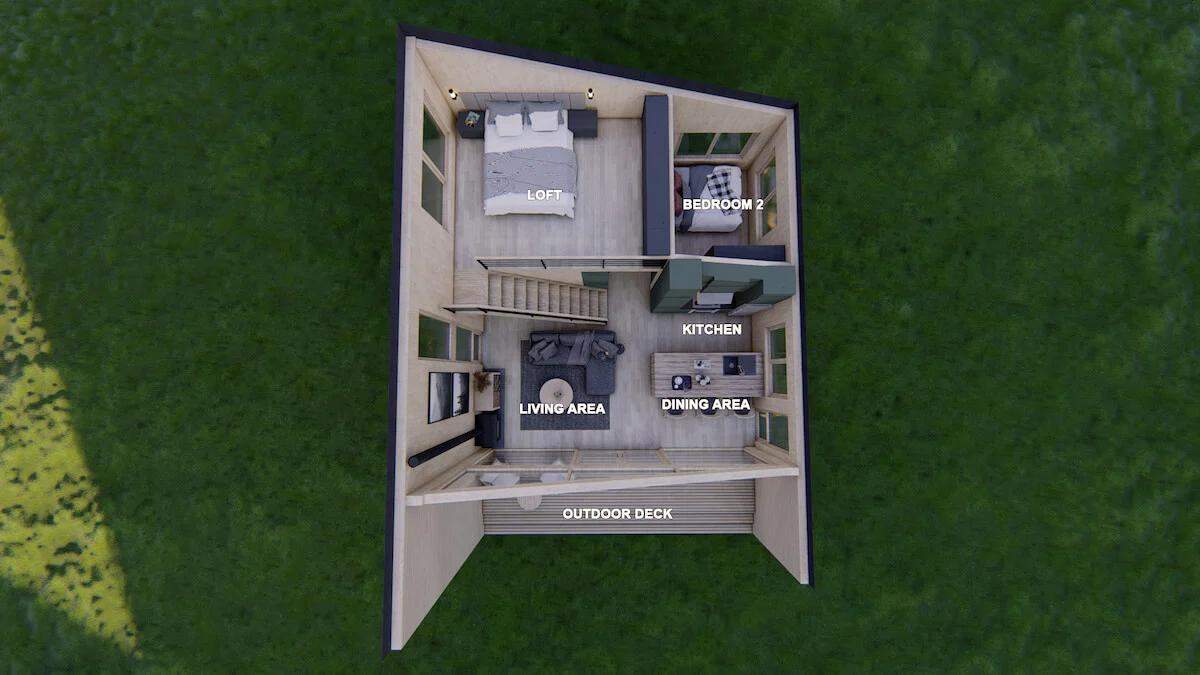
Small homes still need safe exits, proper stair design, and code-compliant clearances. Lofts and compact stairs cause trouble if they are treated as a styling choice instead of a life-safety feature. Building codes and zoning rules differ by city and county, so confirm requirements with your local authority before you finalize a layout.
Egress is a common deal-breaker. Sleeping areas typically need an exit strategy that works fast in an emergency. That can mean an egress window of the right size and height, or a direct path to a door with no obstacles. If a loft is the main sleeping space, the access route and headroom become even more important.
Bathrooms and kitchens have clearance needs too. Door swings, fixture spacing, and ventilation rules can force changes if you wait too long. If you design with real code dimensions from the start, you spend less time reworking the entire plan later.
Keep Circulation Simple and Predictable
In a small footprint, hallways feel like a luxury. Still, you need circulation that works. The goal is a clear primary path from entry to kitchen to bathroom to sleeping area, with minimal detours. When circulation is clean, the home feels bigger because you are not constantly turning sideways or stepping around furniture.
One strict rule is to avoid “pinch points.” These are narrow spots where traffic and daily tasks collide, like a tight aisle next to the refrigerator or a bathroom door that opens into a work zone. A plan may look fine on paper, yet feel cramped in real life if two people cannot pass comfortably.
Use sightlines as a design tool. If you can see across the main space from the entry, the home feels open. That does not require huge rooms. It requires fewer visual barriers, careful furniture placement, and doors that do not interrupt the main flow.
Build a Strong Wet-Core Strategy
Small homes benefit from clustering plumbing. Kitchens, bathrooms, laundry, and water-heating equipment should be arranged to shorten pipe runs and simplify maintenance. This wet-core approach saves cost, reduces leak risk, and frees up space for storage and living zones.
Think about vertical stacking, too. If your small house has two levels, keep plumbing points aligned as much as possible. A bathroom above a kitchen or near a utility wall makes systems more efficient. It also reduces the need for bulky chases that steal square footage.
Ventilation deserves equal attention. Bathrooms and kitchens generate moisture, and tiny spaces show humidity problems faster. Plan for proper exhaust routing, make-up air needs, and access panels for service. A compact, easy-to-maintain house stays comfortable for years.
Make Every Zone Multi-Use, Not Multi-Confusing
Multi-use design works best when each transformation is simple and fast. If converting the space takes ten steps, you will stop doing it. Aim for two or three easy moves. A drop-leaf table that expands in seconds is helpful. A bed that requires moving five items first is not.
Define zones with cues instead of walls. Lighting, rug placement, ceiling treatments, or built-in shelving can create separation without shrinking the room. This keeps the floor plan open while still giving each area a clear purpose.
Also, plan for “parked” positions. Folding chairs need a storage spot. A pull-out desk needs a place for the chair when the desk is closed. When you design parking into the plan, the home stays tidy without constant effort.
Treat Storage as Architecture, Not an Afterthought
Storage has to be integrated into the structure of a small house. Floor-to-ceiling storage, built-in benches, stair drawers, and toe-kick compartments can add capacity without adding clutter. The best storage blends in and stays easy to access.
Distribute storage near the point of use. Put pantry storage close to the cooking zone. Put cleaning storage near the bathroom and entry. Place daily items at waist height, and reserve higher cabinets for seasonal items. This reduces frustration and keeps the home functional for aging-in-place needs later.
Avoid the temptation to rely on a single giant closet. That often turns into a messy catch-all. Small, well-placed storage pockets usually work better because they encourage organization by category.
Use Light, Height, and Proportion to Make the Plan Feel Bigger

Daylight is a space multiplier. A small room with good light can feel generous, while a larger room with poor light can feel heavy. Plan windows to bring light deep into the main living area, not just along one wall. Consider how the sun moves through the site so you get comfortable brightness without constant glare.
Ceiling height and visual continuity matter too. A slightly higher ceiling in the main space, combined with lower ceilings in utility zones, can make the living area feel more expansive. Keeping finishes consistent across the main zone also helps the eye travel, which reduces the sense of tight boundaries.
Sightline tricks should still serve real comfort. Avoid placing tall cabinets where they block windows. Use open shelving sparingly so it does not become visual noise. A small house feels best when it is bright, orderly, and calm.
Prototype Early and Iterate Without Ego
A floor plan is a hypothesis until you test it. Before committing, map the layout at full scale using painter’s tape on a garage floor or driveway. Walk the paths. Open imaginary doors. Stand at the “sink” and see if you can turn to the “fridge” without bumping into a chair zone. This kind of testing reveals problems that a drawing can hide.
Furniture planning should happen alongside wall planning. Draw real furniture dimensions, not generic rectangles. Include clearances for opening drawers, sitting down, and moving past someone who is cooking. Small homes punish guesswork, so precise dimensions protect comfort.
Finally, design for change. Your routines will evolve. A flexible nook can become a reading corner, a workspace, or a guest spot over time. When you treat iteration as part of the design process, you end up with small house floor plans that work in real life, not just in renderings.


.svg)

.jpg)