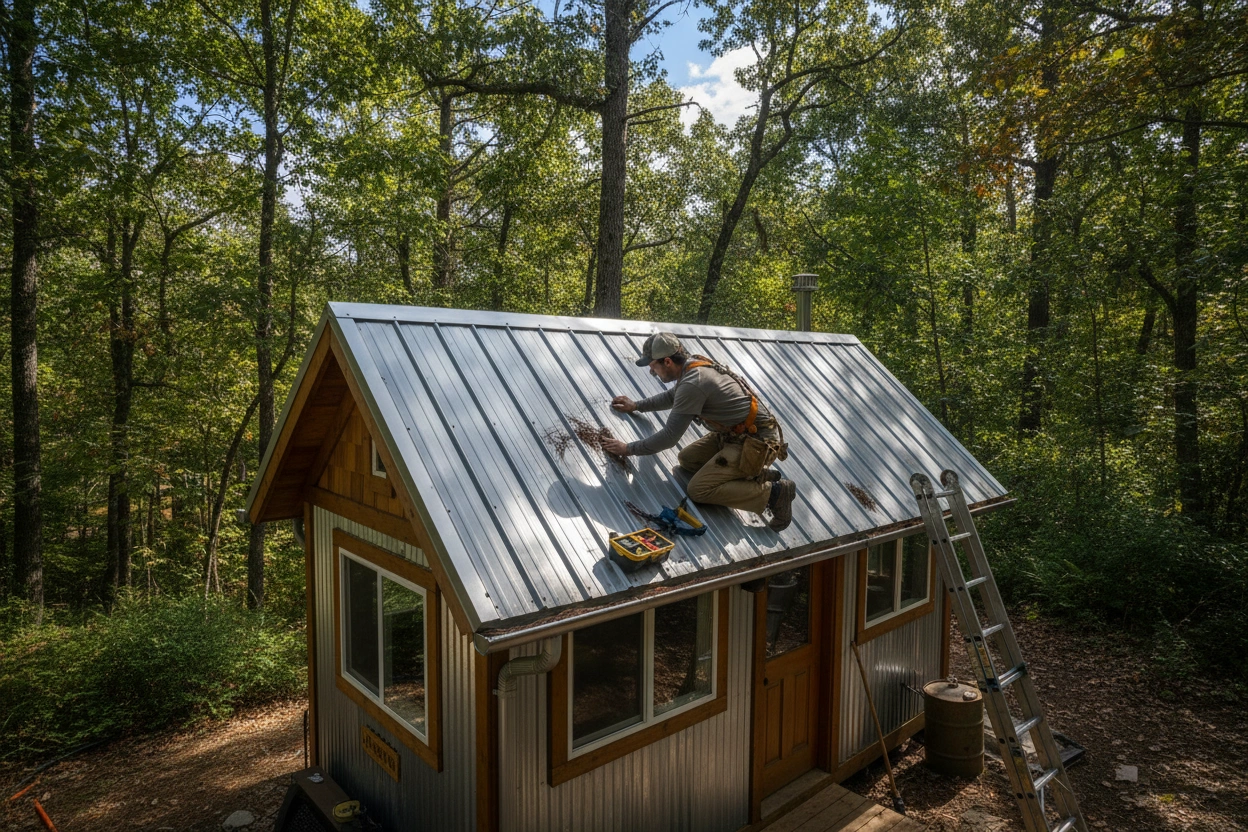
Does Tiny House Living in Oregon Change Your ESA Rights?

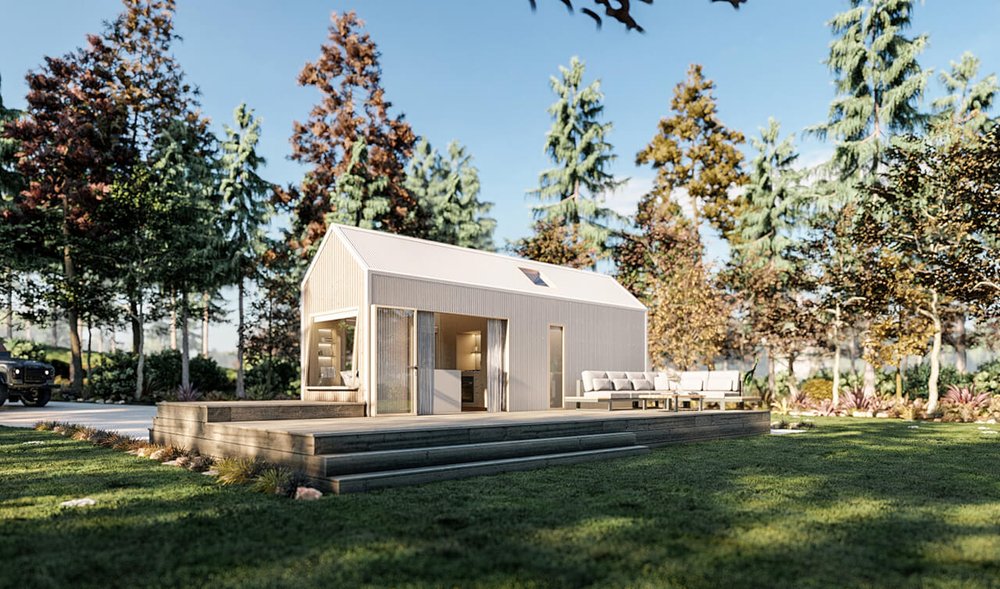
Yes, living in a tiny house can dramatically change your Emotional Support Animal (ESA) housing rights.While the federal Fair Housing Act (FHA) typically requires landlords to make "reasonable accommodations" for ESAs (allowing them in "no-pet" housing without fees), two critical legal shifts in 2026 directly impact how these protections apply to tiny homes. First, a major federal policy rollback now excludes untrained ESAs from automatic HUD protections. Second, how your tiny home is built, classed, and parked determines whether the property is subject to housing laws at all.
Downsizing to a tiny house in Oregon does not shrink your emotional support animal rights, but it can change which rules apply to you. Fair housing law follows the legal status of your home, not its square footage, so a tiny house that functions as your primary residence generally carries the same accommodation rights as a two bedroom apartment in Portland. The details worth watching are vacation occupancy agreements at RV parks, short seasonal stays, and small owner occupied arrangements. Guides from RealESALetter.com make it easier for Oregon residents to see what a compliant letter should contain before they hand anything to a park manager, which is a useful head start for anyone planning a move.
Does living in a tiny house change your ESA rights in Oregon?
No, not by itself. Nothing in federal or Oregon fair housing law sets a minimum size for a protected home, and no statute treats a 300 square foot dwelling differently from a 1,300 square foot one. If you have a qualifying disability and a valid ESA letter Oregon landlords can review, your right to request a reasonable accommodation travels with you.
What actually changes is the legal category your housing falls into. A tiny house can be a rental unit, an accessory dwelling unit, a manufactured dwelling on a rented space, or a recreational vehicle parked for a season. Each of those sits in a slightly different place under Oregon law, and that placement is what determines how strong your position is.
What makes a tiny house a "dwelling" under fair housing law?
The federal Fair Housing Act protects dwellings, defined broadly as any structure, or portion of one, occupied as a residence or designed to be occupied as one. Three practical points follow:
- Wheels do not disqualify you. A tiny house on a trailer can still be a residence if you live in it as your home.
- Square footage is irrelevant. There is no floor area threshold in the statute.
- Intent and use matter most. The question a court or agency asks is whether the structure is your residence, not how it was built or titled.
Oregon layers its own protections on top. ORS 659A.145 makes it unlawful to refuse a reasonable accommodation in rules, policies, practices, or services when that accommodation is needed to give a person with a disability equal opportunity to use and enjoy a dwelling. Oregon also directs that its disability definitions be construed broadly under ORS 659A.139, which can work in a tenant's favor.
.jpg)
Which Oregon tiny house setups keep full protection?
These arrangements generally sit squarely inside both the state and federal frameworks:
- A tiny house you rent from a landlord. Standard residential tenancy, standard accommodation rights.
- A tiny house or ADU in someone's backyard, rented under a lease. Oregon's middle housing and ADU rules have made these increasingly common in Portland, Eugene, and Bend.
- A tiny house on a permanent foundation that you own or rent.
- A tiny house or manufactured dwelling on a rented space in a park, where the space is your primary residence. Oregon's Residential Landlord and Tenant Act treats the rented space as the dwelling unit in these situations, and park tenancies of this kind are covered.
In each case, a housing provider must consider a written accommodation request and cannot apply a blanket no pets policy to a documented assistance animal.
For a fuller breakdown of the statutes, agency roles, and documentation standards that apply statewide, this guide to Oregon ESA laws covers the framework in one place.
When does an Oregon tiny house setup weaken your position?
This is where tiny house living genuinely differs from apartment living, and it is worth reading closely before you sign anything.
Vacation occupancy agreements. Oregon law carves out vacation occupancy from the Residential Landlord and Tenant Act. Following a 2023 amendment to ORS 90.100.An occupancy at a recreational vehicle park can be treated as a vacation occupancy for up to 90 days when the space is used for vacation purposes, is not the occupant's primary residence. If you sign that acknowledgment while actually living there full time, you have created a paper record that works against you.
Short seasonal stays. A two week stop at a campground is not a residence, and fair housing accommodation rights are unlikely to attach.
Small owner occupied arrangements. Certain owner occupied properties with a small number of units, and some single family homes rented directly by an owner without a broker, fall outside parts of the federal Fair Housing Act. If your tiny house sits on a homeowner's lot, ask early whether the arrangement is exempt.
Land use versus fair housing. A county telling you a tiny house cannot legally be occupied on a parcel is a zoning question, not an ESA question. Solve that first, because an accommodation right cannot make an unpermitted occupancy lawful.
What can an Oregon housing provider still do?
Even with strong protections, the relationship is a two way street. In Oregon a landlord or park operator generally may:
- Ask for documentation of a disability related need when the disability and the need are not obvious.
- Deny an accommodation if the specific animal poses a direct, documented threat, or would cause substantial physical damage that no reasonable measure can prevent.
- Hold you responsible for actual damage the animal causes.
- Enforce neutral rules that apply to everyone, such as leash and waste rules in common areas.
They generally may not charge pet rent, pet deposits, or nonrefundable pet fees for an assistance animal, apply breed or weight limits to it, demand your full medical records or a specific diagnosis, or retaliate against you for making a request.
How do you protect your ESA rights before you park or build?
A short checklist goes a long way in tiny house situations:
- Get the paperwork right. Make sure your written agreement reflects that the space is your primary residence if that is the truth of the arrangement.
- Read before signing any vacation occupancy language. Ask for a residential tenancy agreement instead if you intend to live there.
- Submit the request in writing and before move in. Email creates a timestamp, which matters if a dispute follows.
- Keep the letter current and complete. It should come from a licensed provider, identify the provider's license type and state, and connect the animal to a disability related need. Reviewing what RealESALetter.com and similar resources list as required elements is a quick way to catch gaps before a manager does.
- Save everything. Requests, replies, park rules, and any denial in writing.
Who enforces ESA housing rights in Oregon?
The Oregon Bureau of Labor and Industries Civil Rights Division is the primary state route, and it investigates housing discrimination complaints under ORS Chapter 659A. HUD's Office of Fair Housing and Equal Opportunity remains a federal option, though HUD narrowed its enforcement approach to ESA housing complaints in May 2026, which makes the state route more important than before. Private lawsuits are also available. Filing deadlines apply to all three paths, so raise the issue promptly.
Frequently asked questions
Does an ESA letter cover a tiny house on wheels in Oregon? It can, when the tiny house is your residence and the arrangement is a residential tenancy rather than a vacation occupancy. The structure's mobility is not the deciding factor.
Can an Oregon RV park charge a pet fee for my ESA? Not when the tenancy is covered by fair housing rules and the animal is a documented assistance animal. Pet rent, pet deposits, and nonrefundable pet fees do not apply to assistance animals.
Does Oregon require a 30 day relationship with the provider? No. Oregon has no minimum provider relationship period for ESA letters, unlike a handful of other states.
What if my park manager says the rules do not apply because it is an RV park? Ask which agreement you signed. If it is a residential tenancy and the space is your primary residence, fair housing obligations generally apply, and BOLI can review a complaint.


.svg)
.webp)