
Eco-Friendly Upgrades to Elevate Your Tiny House Design

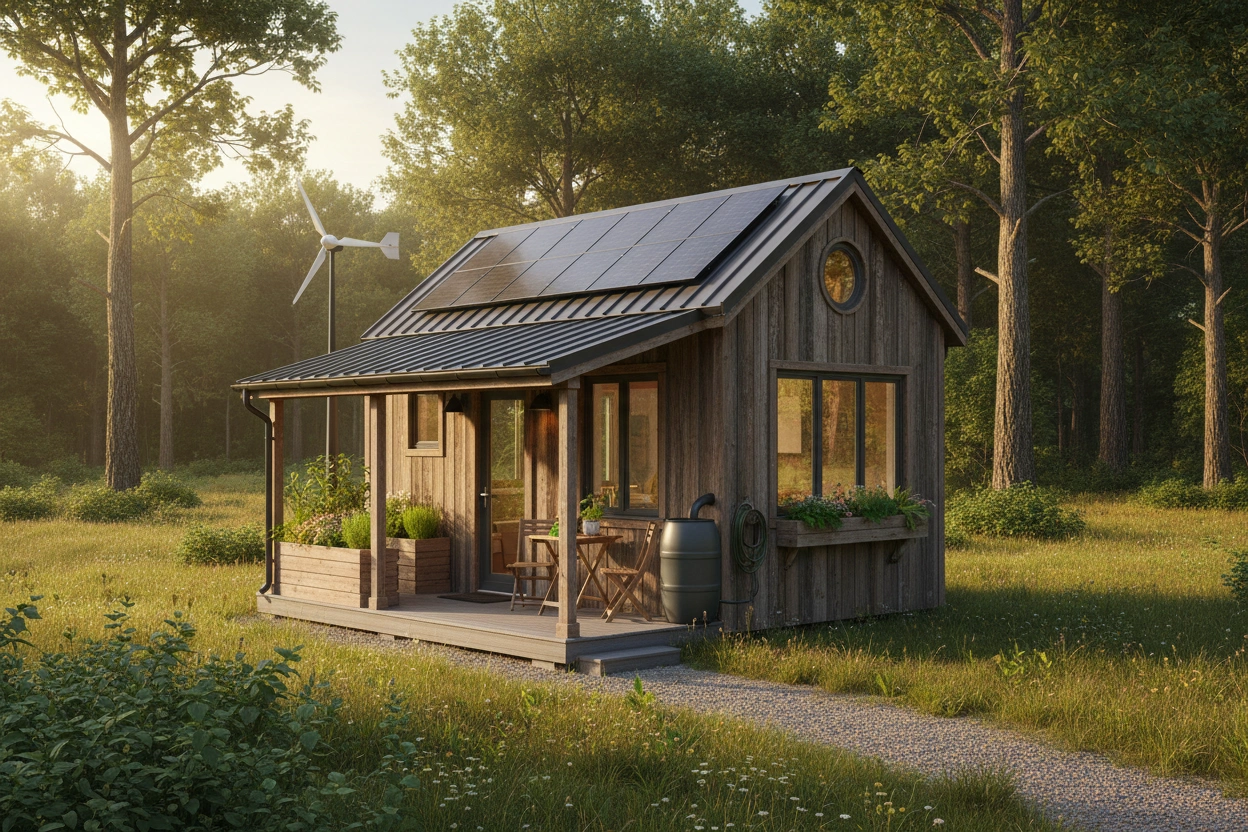
In the quest for sustainable living, tiny house design has gained immense popularity, offering a minimalist lifestyle that aligns with eco-conscious values. As environmental awareness continues to rise, homeowners are seeking ways to integrate eco-friendly upgrades into their living spaces. This article explores various strategies to enhance your tiny house design, focusing on maximizing space, energy efficiency, and sustainable materials. By implementing these upgrades, you can create a functional, stylish, and environmentally friendly home.
Understanding Tiny House Design
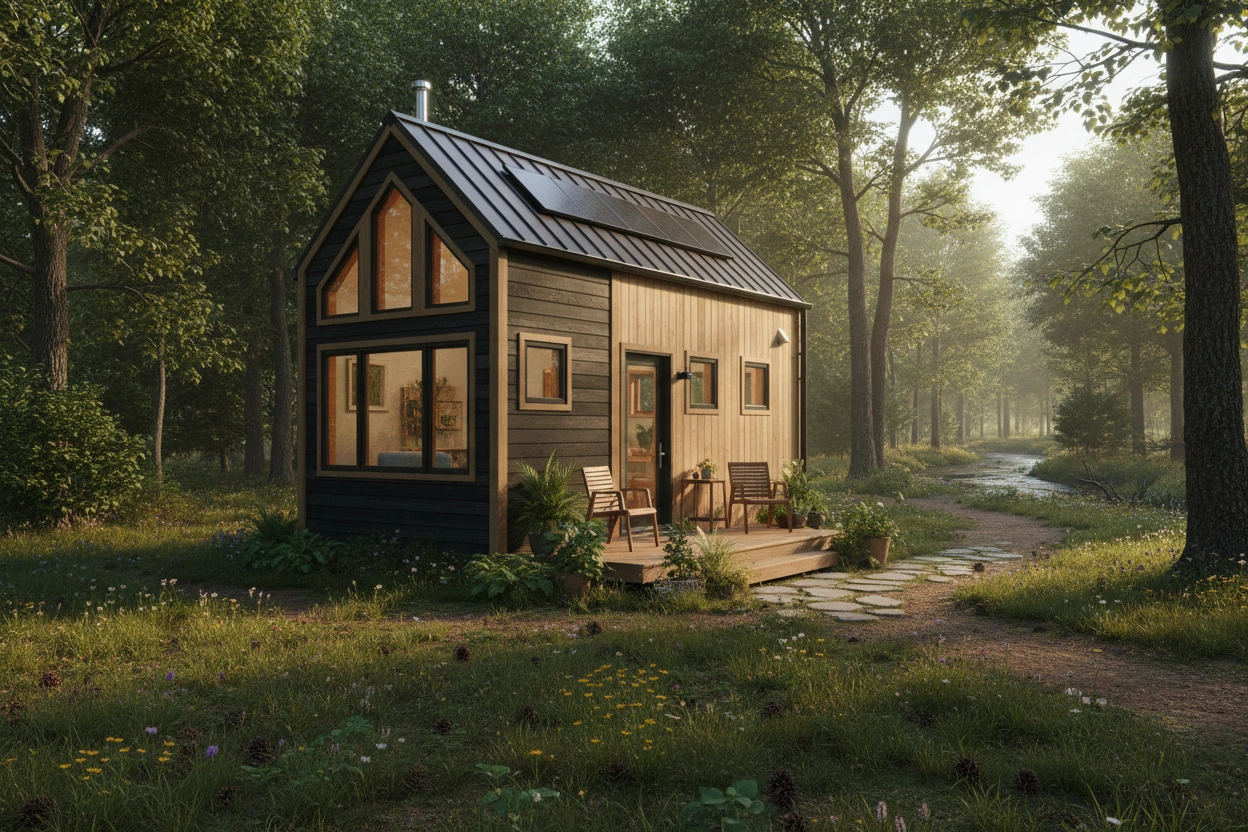
Tiny house design is not just about reducing square footage; it’s about maximizing the use of every inch while maintaining comfort and functionality. The trend has seen a surge in interest among those looking to downsize and simplify their lives. However, many people have misconceptions about what living in a tiny house entails, often thinking it means sacrificing comfort or style. This article will dispel these myths and provide actionable insights for creating a tiny home that meets both your aesthetic and ecological needs.
Common Misconceptions About Tiny House Living
- Myth: Tiny houses are cramped. Many assume that tiny homes feel claustrophobic, but with thoughtful design, they can feel spacious and inviting.
- Myth: You have to give up modern amenities. Tiny houses can be equipped with all the comforts of a traditional home, including full kitchens and bathrooms.
- Myth: Tiny living is only for young singles or couples. This lifestyle is appealing to various demographics, including families and retirees, who value simplicity and sustainability.
Understanding these misconceptions allows potential tiny house owners to approach their design with an open mind, ready to embrace innovative solutions.
Maximizing Space in Tiny House Interiors
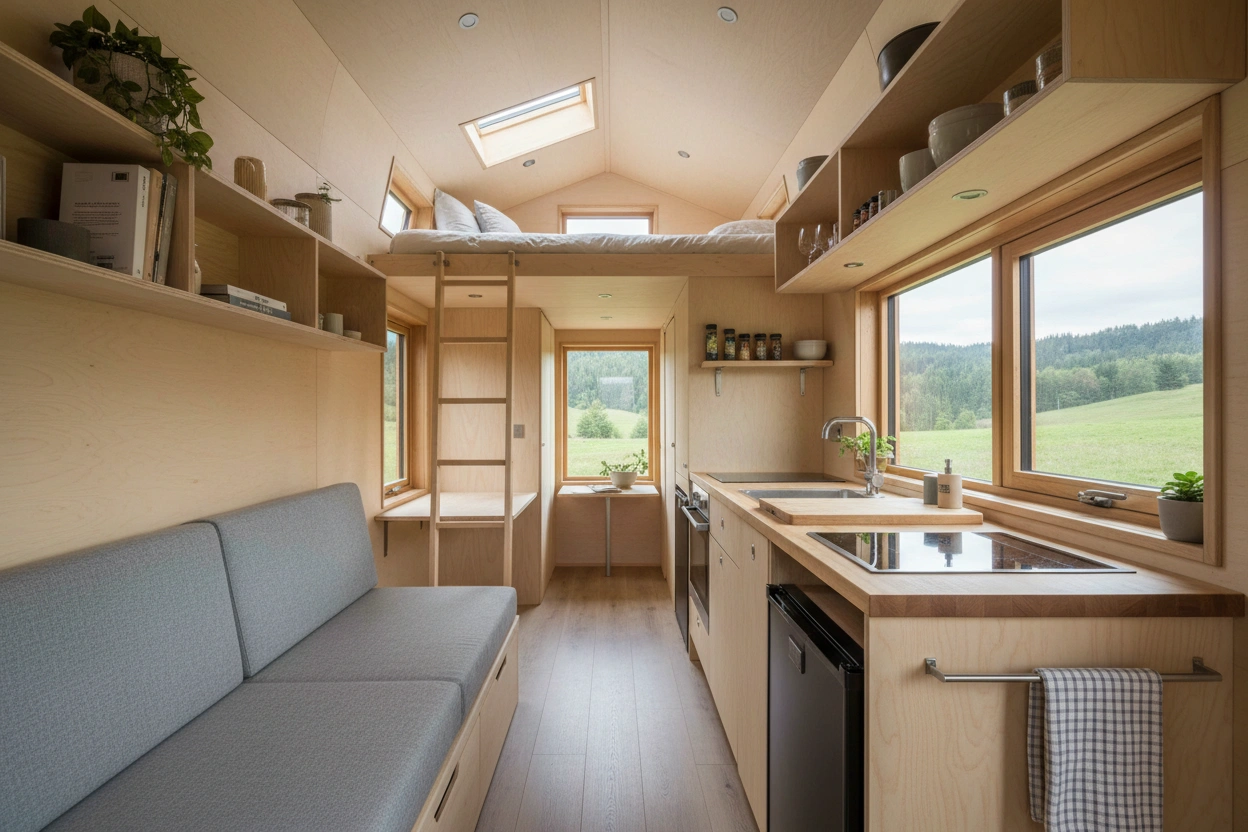
Maximizing space in tiny house interiors requires strategic planning and creativity. Here are several effective techniques to consider:
Multi-Functional Furniture
Investing in multi-functional furniture is one of the most effective ways to maximize space in a tiny house. These pieces serve multiple purposes, providing functionality without sacrificing style.
- Convertible sofas that transform into beds are perfect for accommodating guests.
- Ottomans with storage can double as seating and a place to stash away items.
- Foldable tables can expand for dining and collapse when not in use.
By selecting furniture that serves more than one purpose, you can create a versatile living area that adapts to your needs.
Vertical Storage Solutions
Utilizing vertical space is essential in tiny house design. Instead of traditional storage options that take up floor space, consider:
- Wall-mounted shelves to store books, plants, or decor.
- Hooks and pegboards for hanging kitchen utensils or tools.
- Lofted beds that free up floor space for other furniture or activities.
These vertical solutions can help you organize your belongings effectively while maintaining an open, airy feel in your home.
Smart Layout Planning
The layout of your tiny house can significantly impact how spacious it feels. Here are key considerations for effective layout planning:
- Open Floor Plans: Aim for an open concept that combines living, dining, and kitchen areas. This creates a sense of flow and makes the space feel larger.
- Zoning Areas: Use rugs or furniture arrangements to define separate areas without physical barriers, allowing for distinct functions while maintaining openness.
- Natural Light: Incorporate large windows or skylights to enhance the natural light in your space, which can make it feel more expansive.
Thoughtful layout planning can transform a tiny home into a comfortable and functional living environment.
Eco-Friendly Materials for Tiny House Design
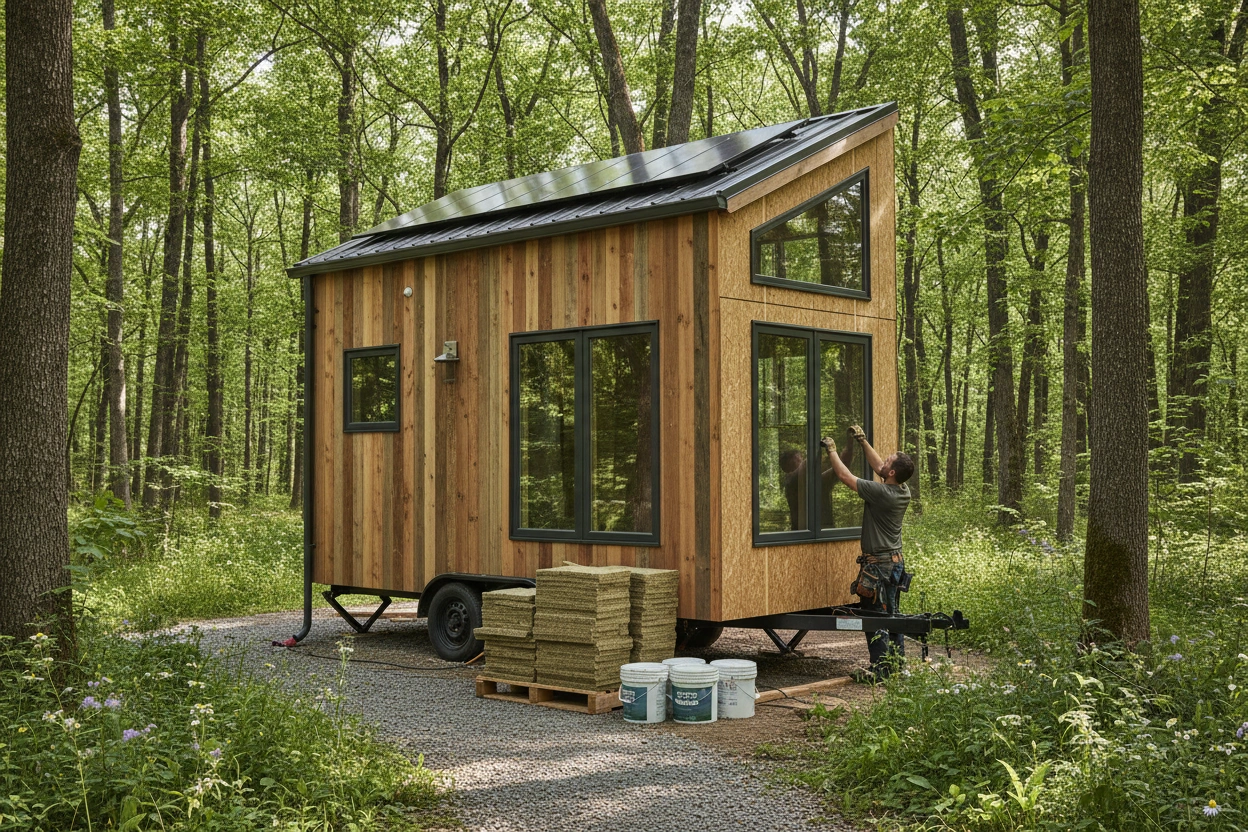
When considering upgrades for your tiny house design, selecting sustainable materials is essential for minimizing environmental impact. Here are some eco-friendly materials that can elevate your tiny house:
Sustainable Flooring Options
Flooring is a significant aspect of any home, and choosing sustainable materials can reduce your carbon footprint. Consider:
- Bamboo flooring: A rapidly renewable resource that offers durability and aesthetic appeal.
- Reclaimed wood: Sourced from old structures, this material adds character while reducing waste.
- Cork: Harvested from the bark of cork oak trees, this flooring is both sustainable and comfortable underfoot.
Each of these options not only looks great but also contributes to a more sustainable home.
Energy-Efficient Windows and Doors
Windows and doors play a crucial role in energy efficiency. Upgrading to energy-efficient models can significantly reduce heating and cooling costs. Look for:
- Double-glazed windows: These provide better insulation compared to single-pane options, reducing energy loss.
- Low-E coatings: These coatings reflect heat, keeping your home cooler in summer and warmer in winter.
- Weather stripping: Ensure that all windows and doors are properly sealed to prevent drafts.
Investing in energy-efficient windows and doors can lead to substantial savings over time while enhancing your tiny house's overall comfort.
Eco-Friendly Insulation
Proper insulation is vital for maintaining a comfortable temperature in your tiny house. Eco-friendly insulation options include:
- Cellulose insulation: Made from recycled paper, it is effective and environmentally friendly.
- Sheep’s wool: A natural insulator that regulates moisture and temperature.
- Spray foam insulation: Although a bit more complex, there are eco-friendly spray foam options that provide excellent insulation without harmful chemicals.
Choosing the right insulation can greatly improve energy efficiency and comfort in your tiny home.
Incorporating Renewable Energy Solutions
Integrating renewable energy solutions into your tiny house design not only reduces your carbon footprint but can also lead to significant cost savings in the long run. Here are some options to consider:
Solar Power Systems
Solar energy is one of the most popular renewable energy solutions for tiny homes. A well-designed solar power system can provide enough energy for your daily needs. Consider the following components:
- Solar panels: Choose high-efficiency panels to maximize energy capture.
- Batteries: Invest in a battery storage system to store excess energy for use during cloudy days or at night.
- Inverters: These devices convert solar energy into usable electricity for your home.
By harnessing solar energy, you can enjoy a self-sufficient lifestyle while reducing reliance on traditional energy sources.
Rainwater Harvesting Systems
Implementing a rainwater harvesting system can significantly reduce your water consumption and reliance on municipal water supplies. Key components include:
- Gutters and downspouts: Direct rainwater from your roof into storage barrels or tanks.
- Filtration systems: Ensure that the collected water is clean and safe for use.
- Usage: Use harvested rainwater for irrigation, toilet flushing, or even filtered for drinking.
Rainwater harvesting is an effective strategy for conserving water and promoting sustainability.
Green Landscaping for Tiny Homes
Creating an eco-friendly outdoor space can complement your tiny house design and enhance its overall appeal. Here are some landscaping tips to consider:
Native Plants
Opt for native plants that require less water and maintenance. These plants are adapted to the local climate and can thrive without excessive irrigation or fertilizers. Benefits include:
- Biodiversity: Native plants support local wildlife and pollinators.
- Water conservation: They are often drought-resistant, reducing the need for irrigation.
- Aesthetic appeal: Native plants can create a beautiful, natural landscape.
Incorporating native plants into your landscaping can enhance the sustainability of your tiny home.
Edible Gardens
Creating an edible garden is not only practical but also a rewarding way to enhance your tiny house design. Consider these tips for a successful edible garden:
- Vertical gardens: Utilize vertical space to grow herbs and vegetables, maximizing limited ground area.
- Container gardening: Use pots and containers to grow plants on balconies or patios, allowing for flexibility in your gardening options.
- Companion planting: Group plants that benefit each other, improving yields and reducing pest problems.
An edible garden can provide fresh produce while promoting self-sufficiency and sustainability.
The Role of Smart Technology in Tiny House Design
Smart technology can significantly enhance the functionality of your tiny house, providing convenience while supporting eco-friendly practices. Here are some smart home technologies to consider:
Smart Thermostats
Smart thermostats allow you to monitor and control your heating and cooling systems efficiently. Benefits include:
- Energy savings: These devices learn your habits and adjust temperatures accordingly, reducing energy consumption.
- Remote access: Control your home's temperature from anywhere via a smartphone app.
- Scheduling: Set schedules to optimize energy use during peak hours.
Investing in a smart thermostat can lead to significant energy savings while enhancing comfort in your tiny home.
Smart Lighting Solutions
Smart lighting systems offer flexibility and energy efficiency for tiny house living. Key features include:
- LED bulbs: Use energy-efficient LED lighting to reduce electricity usage.
- Motion sensors: Automatically turn lights on and off based on occupancy, conserving energy.
- Remote control: Adjust lighting settings from your smartphone, allowing for customization and convenience.
Smart lighting solutions can enhance the ambiance of your tiny house while promoting sustainability.
Eco-Friendly Upgrades for Long-Term Sustainability
Investing in eco-friendly upgrades not only benefits the environment but can also increase the value of your tiny house. Here are some long-term sustainable upgrades to consider:
Energy-Efficient Appliances
Upgrading to energy-efficient appliances can significantly reduce your energy consumption. Look for appliances with the Energy Star label, which signifies compliance with strict energy efficiency guidelines. Consider:
- Compact refrigerators: These use less energy and are ideal for small spaces.
- Energy-efficient dishwashers: These appliances can save water and energy compared to hand washing.
- Induction cooktops: These cooktops are more energy-efficient than traditional gas or electric stoves.
By choosing energy-efficient appliances, you can lower your utility bills and reduce your environmental impact.
Green Roofing Options
Implementing a green roof can provide numerous benefits for your tiny home, including:
- Insulation: Green roofs improve insulation, reducing heating and cooling costs.
- Stormwater management: They help absorb rainwater, reducing runoff and promoting biodiversity.
- Aesthetic appeal: A green roof can enhance the beauty of your tiny house, creating a unique and inviting space.
Considering green roofing options can significantly contribute to the sustainability of your tiny house design.
Crafting Your Ideal Tiny House Experience
Incorporating eco-friendly upgrades into your tiny house design not only enhances your living space but also aligns with sustainable living principles. With thoughtful planning and innovative solutions, you can create a home that is both functional and environmentally friendly.
The Benefits of Sustainable Tiny House Living
Living in a tiny house that incorporates eco-friendly upgrades offers numerous benefits:
- Reduced environmental impact: Sustainable materials and energy-efficient solutions contribute to a lower carbon footprint.
- Cost savings: Energy-efficient designs can lead to significant savings on utilities over time.
- Enhanced quality of life: A minimalist lifestyle encourages mindfulness and reduces stress, promoting overall well-being.
By choosing to live sustainably in a tiny house, you can experience these benefits firsthand while making a positive impact on the environment.
Elevating Your Tiny House Design with TinyHouse.com
Embracing eco-friendly upgrades in your tiny house design allows you to enjoy a sustainable lifestyle without sacrificing comfort or style. Whether you are looking to maximize space, invest in renewable energy, or create an inviting outdoor environment, there are countless ways to enhance your tiny home.
For those seeking further guidance on tiny house design and smart tiny house design, TinyHouse.com is an invaluable resource. Our platform offers expert insights, design inspiration, and practical tips to help you create the perfect tiny home tailored to your needs.
To start your journey towards an affordable tiny house design, visit TinyHouse.com today.


.svg)
.jpg)
.jpg)
.jpg)