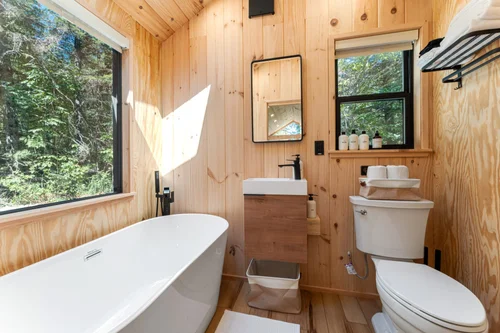
Eco-Friendly Tiny House in Spain: Sustainable Design Ideas

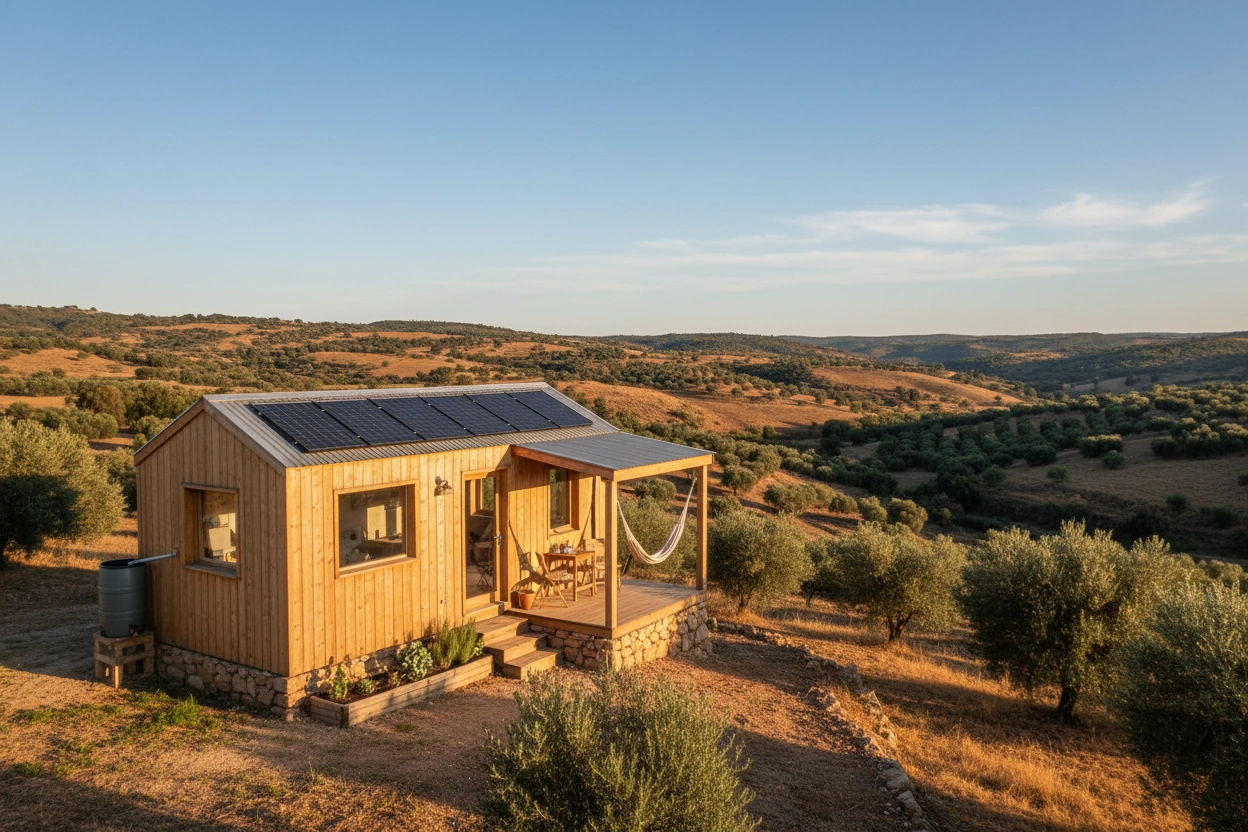
The rise of eco-friendly living is more than just a trend; it has become a lifestyle choice for many, particularly in the context of tiny houses. In Spain, the concept of a tiny house is gaining traction, appealing to those looking for affordable housing solutions that prioritize sustainability. A tiny house in Spain represents not only a shift towards minimalism but also an opportunity to embrace eco-conscious design principles. This article will delve into the sustainable design ideas that can be applied to tiny houses in Spain, as well as highlight top tiny house communities across the country.
Understanding the Appeal of Tiny Houses in Spain
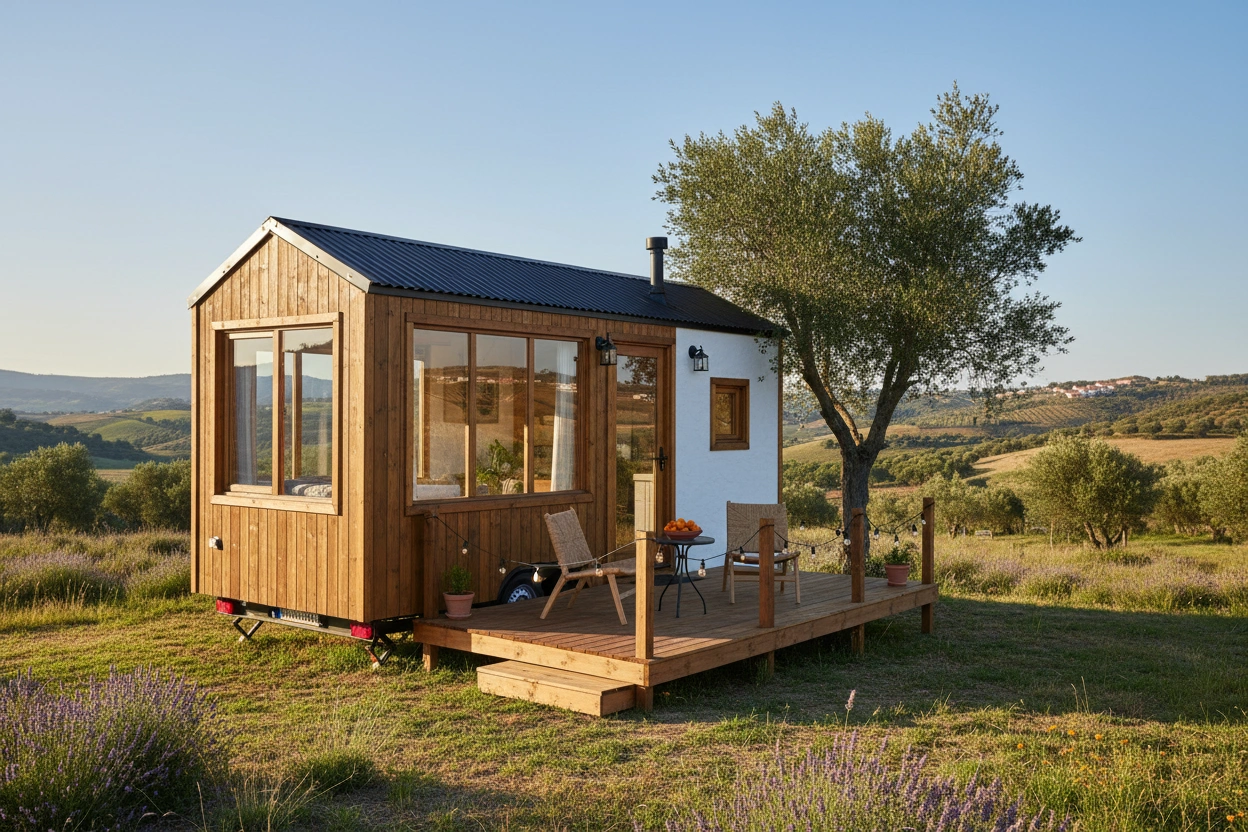
Tiny houses in Spain cater to a diverse audience, including remote workers, retirees, and young families. The charm of living in a tiny home lies in its ability to provide a simpler, more intentional way of life. The concept aligns well with Spain's picturesque landscapes, where natural beauty complements the minimalist ethos of tiny living.
Key Benefits of Living in a Tiny House
- Affordability: With rising property prices, tiny homes offer a financially viable alternative, enabling individuals to own property without incurring significant debt.
- Sustainability: Many tiny houses are built with eco-friendly materials and energy-efficient systems, reducing their carbon footprint and promoting a greener lifestyle.
- Mobility: Tiny houses can often be transported, allowing homeowners to change their surroundings without the hassle of selling property.
Sustainable Design Ideas for Tiny Houses in Spain
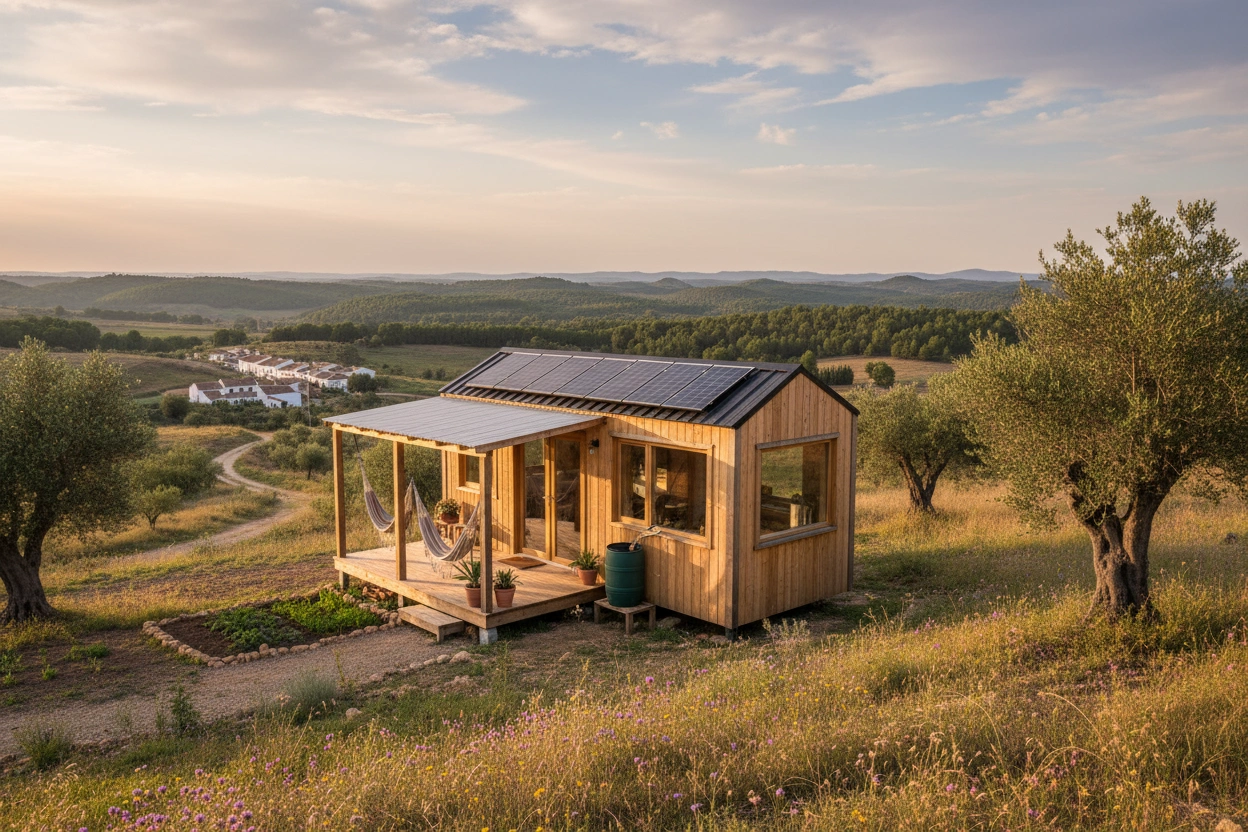
When designing an eco-friendly tiny house in Spain, integrating sustainable practices is paramount. Here are some key design ideas to consider:
1. Use of Renewable Materials
Opt for locally sourced materials to minimize transportation emissions and support local economies. Natural wood, bamboo, and recycled materials are excellent choices.
- Reclaimed Wood: This material not only adds character but also reduces waste.
- Natural Stone: Utilizing local stone can enhance insulation and add aesthetic value.
2. Energy Efficiency
Incorporating energy-efficient systems is essential for sustainability.
- Solar Panels: Install solar panels to harness renewable energy, reducing reliance on non-renewable resources.
- High-Quality Insulation: Proper insulation keeps homes warm in winter and cool in summer, lowering energy consumption.
3. Water Conservation
Implementing systems to conserve water is critical, especially in regions prone to drought.
- Rainwater Harvesting: Collect rainwater for irrigation and non-potable uses.
- Low-Flow Fixtures: Install low-flow faucets and showerheads to minimize water usage.
4. Smart Home Technology
Integrating technology can enhance efficiency and sustainability.
- Smart Thermostats: These devices optimize heating and cooling based on occupancy, leading to energy savings.
- Energy Monitoring Systems: Track energy usage to identify areas for improvement.
5. Green Landscaping
The area surrounding a tiny house also plays a role in sustainability.
- Native Plants: Use drought-resistant, native plants that require minimal watering and maintenance.
- Permaculture Principles: Design gardens that promote biodiversity and reduce waste, such as composting organic matter.
Top 10 Tiny House Communities in Spain
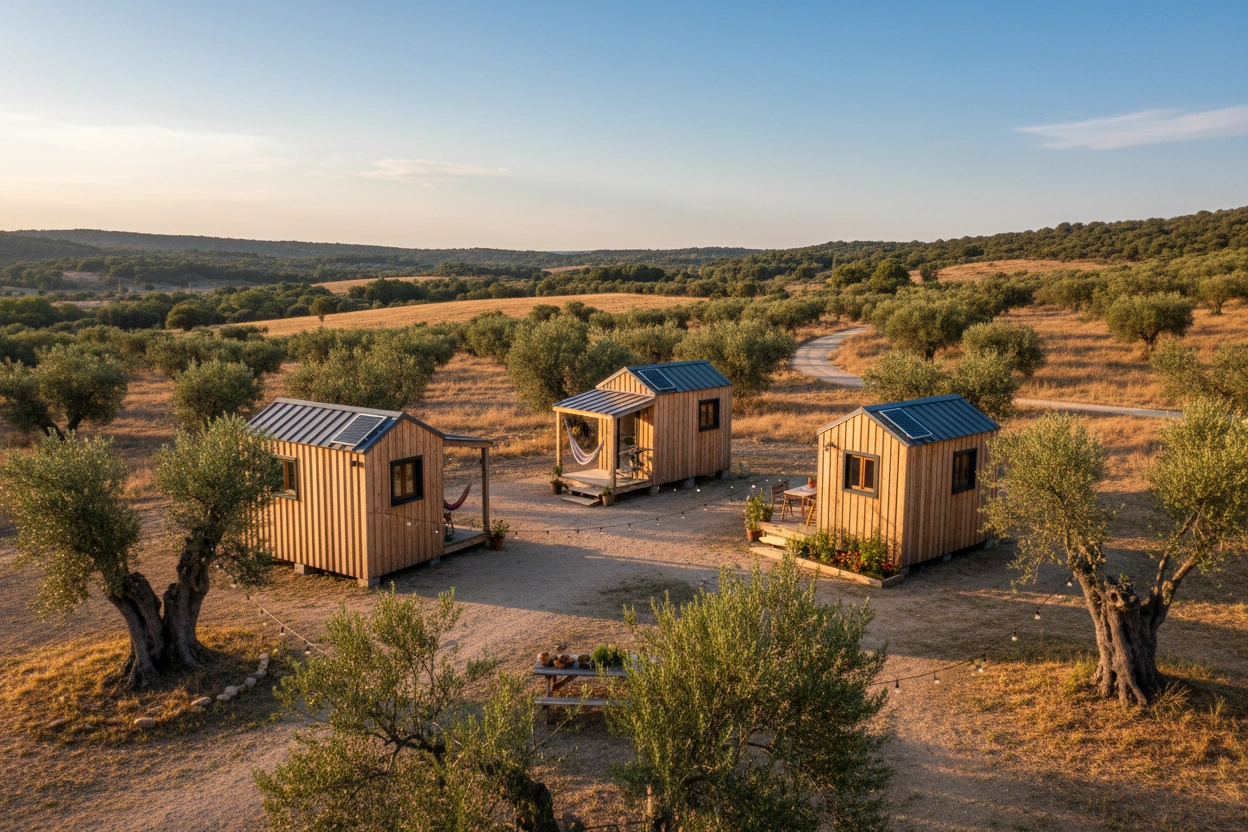
For those interested in joining a community of like-minded individuals, Spain boasts several tiny house communities that emphasize sustainability and connection. Here are the top ten tiny house communities worth considering:
- La Casita - Located in the Andalusian countryside, this community focuses on eco-friendly practices and offers workshops on sustainable living.
- Tiny House Village - Situated near Valencia, this village features tiny homes that blend modern design with traditional Spanish architecture.
- Eco Village of Las Palmas - A collective focused on environmental sustainability, featuring tiny homes made from natural materials.
- Mikado - Located in Catalonia, this community emphasizes the use of renewable energy and organic farming.
- Naturaleza Viva - Nestled in the Basque Country, this tiny house community promotes a holistic lifestyle with a focus on wellness and nature.
- The Tiny House Community of Galicia - A network of tiny homes surrounded by lush greenery, ideal for nature lovers.
- Tiny Houses Málaga - Offers a range of tiny homes with eco-friendly features in a picturesque setting.
- EcoTiny - A sustainable tiny house community that emphasizes off-grid living and permaculture principles.
- Cohousing La Ternura - Located in the heart of Madrid, this community combines urban living with eco-friendly practices.
- Tiny House Retreat in Extremadura - A serene getaway that showcases eco-conscious living in a rural environment.
Common Misconceptions About Tiny Houses
Despite the growing popularity of tiny houses, several misconceptions persist that may deter potential homeowners.
Misconception 1: Tiny Houses Are Too Cramped
Many believe that living in a tiny house means sacrificing comfort. However, with thoughtful design, tiny homes can maximize space through multifunctional furniture and clever storage solutions.
Misconception 2: Tiny Houses Are Only for Young People
While tiny houses attract younger individuals, they are suitable for people of all ages. Retirees, families, and remote workers can all find value in downsizing and simplifying their lives.
Misconception 3: Tiny Living Means No Privacy
Some fear that tiny living leads to a lack of privacy. However, many tiny house designs incorporate privacy features, such as soundproofing and strategic layouts that separate living areas.
Practical Tips for Building or Buying a Tiny House in Spain
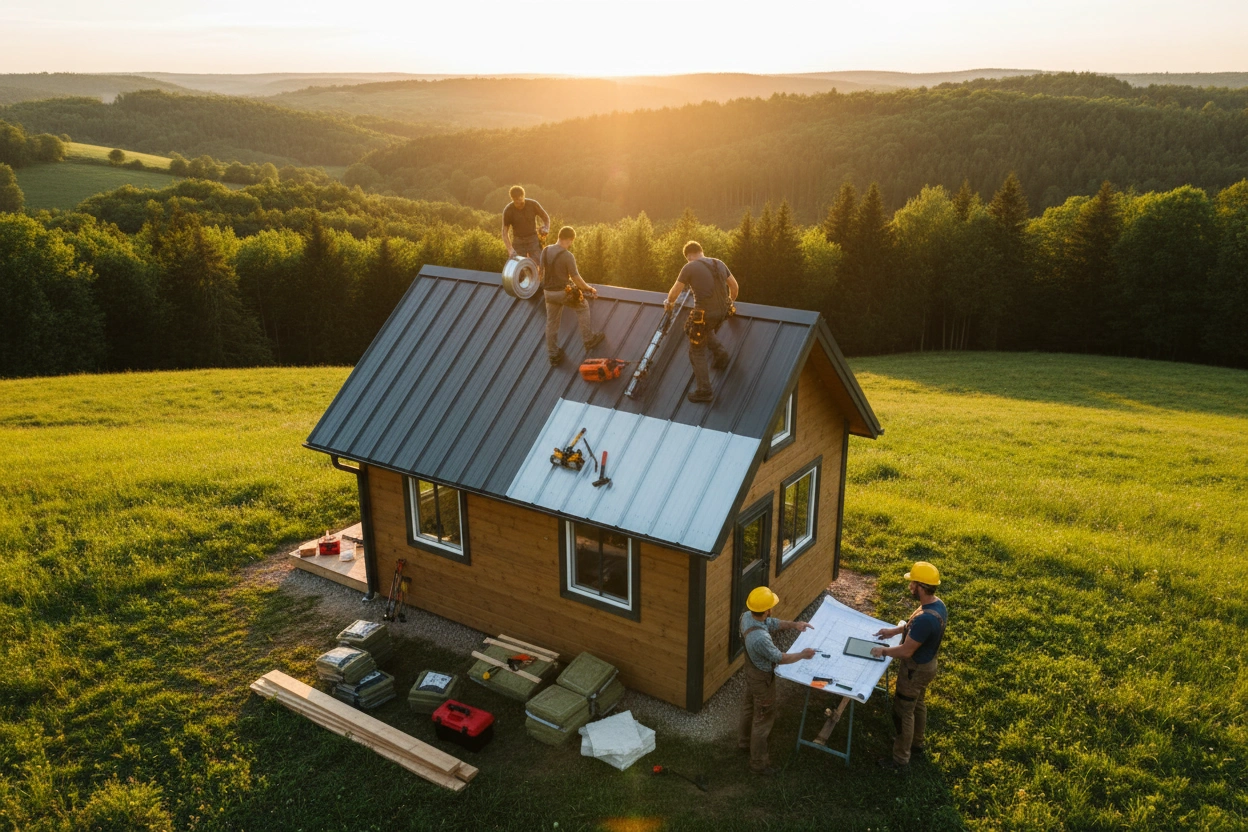
For those considering a tiny house in Spain, whether building or buying a tiny house, here are some essential tips:
- Research Local Regulations: Understanding zoning laws and building codes is crucial before starting your tiny house project.
- Budget Wisely: Determine your budget, keeping in mind both initial costs and ongoing expenses such as utilities and maintenance.
- Prioritize Sustainability: Choose eco-friendly materials and practices to ensure your tiny home aligns with sustainable living principles.
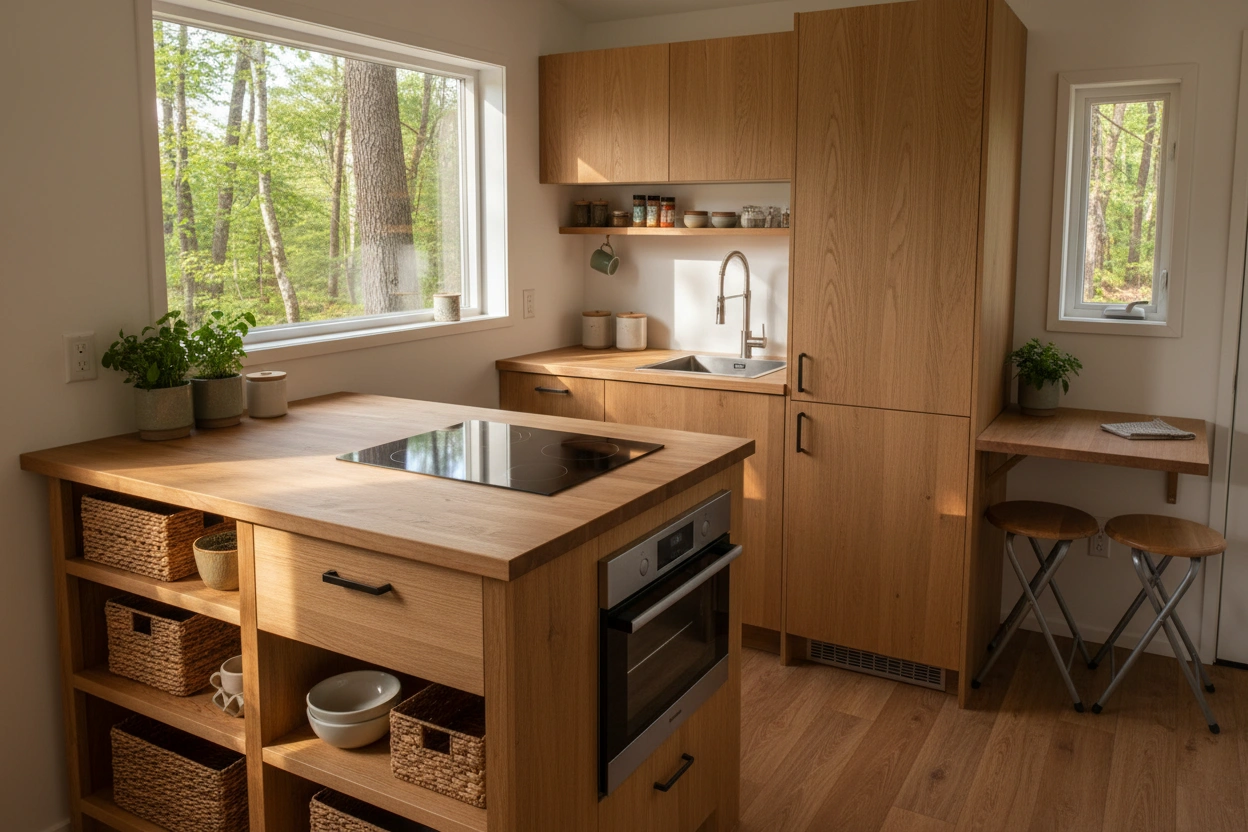
- Plan Your Space: Maximize efficiency by planning your layout carefully to include essential amenities without sacrificing comfort.
- Join a Community: Engaging with existing tiny house communities can provide support, resources, and inspiration throughout your journey.
The Future of Tiny Houses in Spain
The tiny house movement in Spain is set to grow as more individuals seek sustainable living options. With rising awareness about environmental issues and the benefits of minimalism, tiny houses offer a viable solution for those looking to simplify their lives while contributing positively to the planet.
Sustainable Living as a Long-Term Goal
As more people adopt tiny living, the emphasis on sustainability will continue to evolve. Innovations in eco-friendly building materials, renewable energy sources, and smart home technology will shape the future of tiny houses, making them even more appealing.
Embracing Sustainable Tiny Living in Spain
Living in a tiny house in Spain not only offers a unique lifestyle choice but also aligns with broader goals of sustainability and minimalism. By incorporating eco-friendly design principles and joining supportive communities, individuals can create a fulfilling living experience that minimizes their environmental impact.
TinyHouse.com serves as a valuable resource for those interested in the tiny house movement in Spain. Whether you are looking to build, buy, or learn more about sustainable living practices, TinyHouse.com can guide you through the process.
For more information on tiny houses and to explore your options, visit TinyHouse.com. You will find a wealth of resources to help you take the next steps toward sustainable living in Spain.


.svg)
.png)