6 Reasons to Choose Cable Railing for Your Home

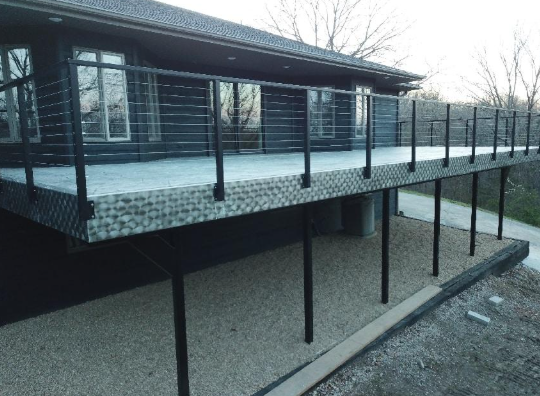
Are you choosing the right railing for your deck, patio, or staircase? Standard wood or glass railings often block your scenic views or demand constant maintenance.
Cable railing systems deliver the perfect blend of modern aesthetics, structural strength, and low maintenance. Here are 6 clear reasons why homeowners, builders, and architects choose cable railing.
What Is Cable Railing?
A cable railing is a safety guardrail system that uses horizontal or vertical stainless steel wire ropes instead of traditional wood, glass, or metal pickets.
A complete cable railing system relies on four primary components:
- Rigid Posts: Wood, aluminum, or stainless steel posts that provide structural framing and anchor the system securely to the deck or floor.
- Top Rail: A solid top handrail made of wood, composite, or metal that connects the posts, provides structural stability, and gives people a safe surface to hold.
- Stainless Steel Cables: High-tensile wire ropes—typically 1/8-inch or 3/16-inch thick—that pass through the posts to form a protective barrier.
- Tensioning Fittings: Specialized hardware (such as swageless stud terminals or turnbuckles) that tightens and secures the cables to keep them rigid and code-compliant.
Because the steel wire ropes are thin yet exceptionally strong, cable railing creates a transparent barrier that provides clear views while maintaining strong structural safety.
6 Reasons to Choose Cable Railing
Preserve Open Views
Traditional wood or composite railings use thick vertical pickets that partially block your landscape. Tempered glass panels offer transparency, but sunlight often creates glare and reflection.
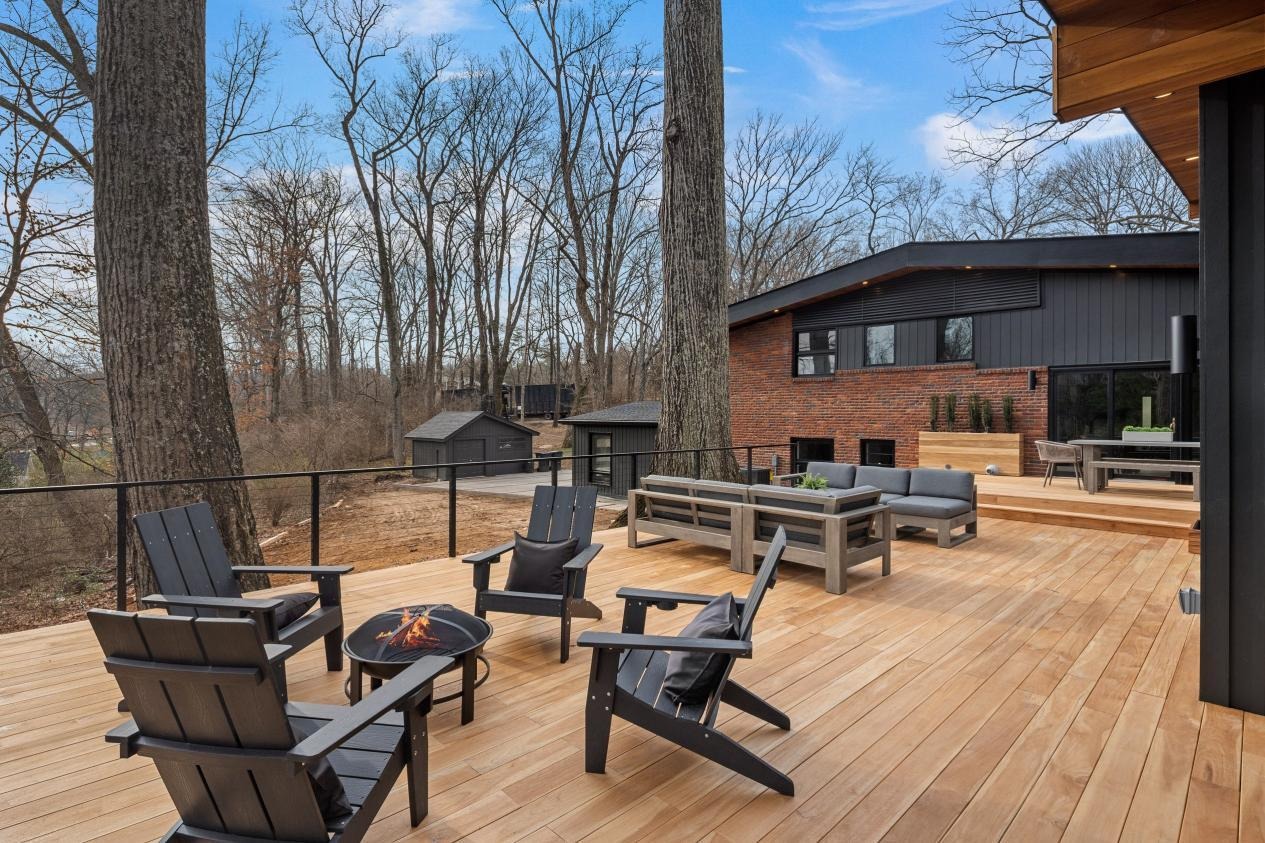
Cable railing systems use thin, high-tensile stainless steel wire rope (typically 1/8” or 3/16” in diameter). These slim cables blend into outdoor backdrops far better than solid pickets. Whether you look out over a backyard pool, a mountain range, or a waterfront sunset, cable railing maintains a clear, open view of your surroundings.
Low Maintenance
Traditional railing materials need regular up-keep to stay safe and look good. Wood railings absorb moisture, rot, warp easily, and require annual sanding, painting, or staining. Glass railings collect dirty water spots, dust, and fingerprints, so you must wash them frequently to keep them clear.
Cable railing systems streamline routine maintenance through durable stainless steel materials. Trusted brands like BLIKA Cable Railing build core hardware using marine-grade T316 stainless steel and powder-coated T304 stainless steel. These materials naturally resist rust, pitting, and harsh weather corrosion. Therefore, cable railing don’t require painting, sealing, or refinishing. Homeowners simply rinse the cables occasionally with fresh water and a mild cleaner to remove surface dust and debris.
Beyond simple cleaning, you only need to inspect cable tension once a year. If you notice any slight looseness, you can re-tighten the cables in minutes using a basic wrench. A properly designed and installed stainless steel cable railing operates reliably for decades with almost no maintenance.
Easy for DIY Installation
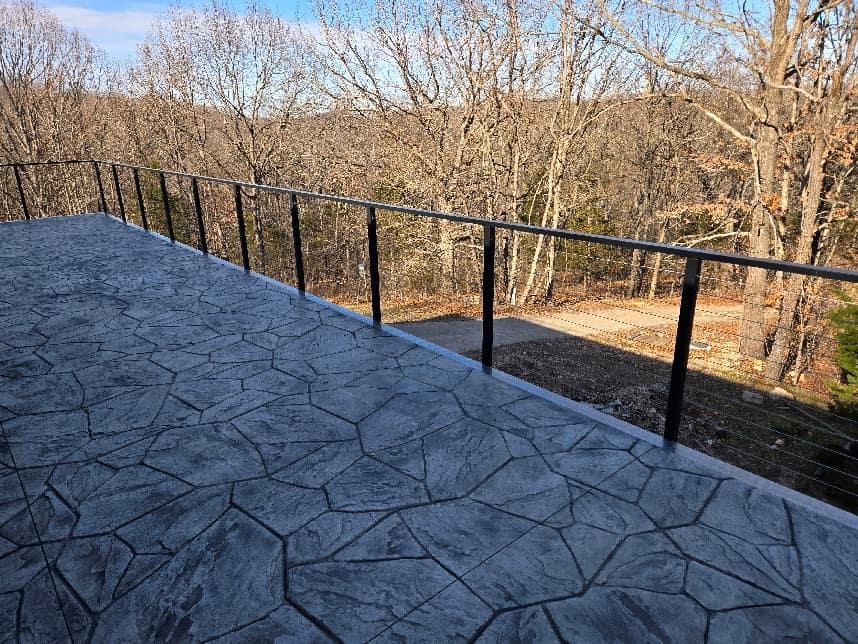
Modern cable railing systems are easy to install yourself, especially for anyone with basic woodworking skills. Doing it yourself saves significant labor costs and gives you a great sense of accomplishment.
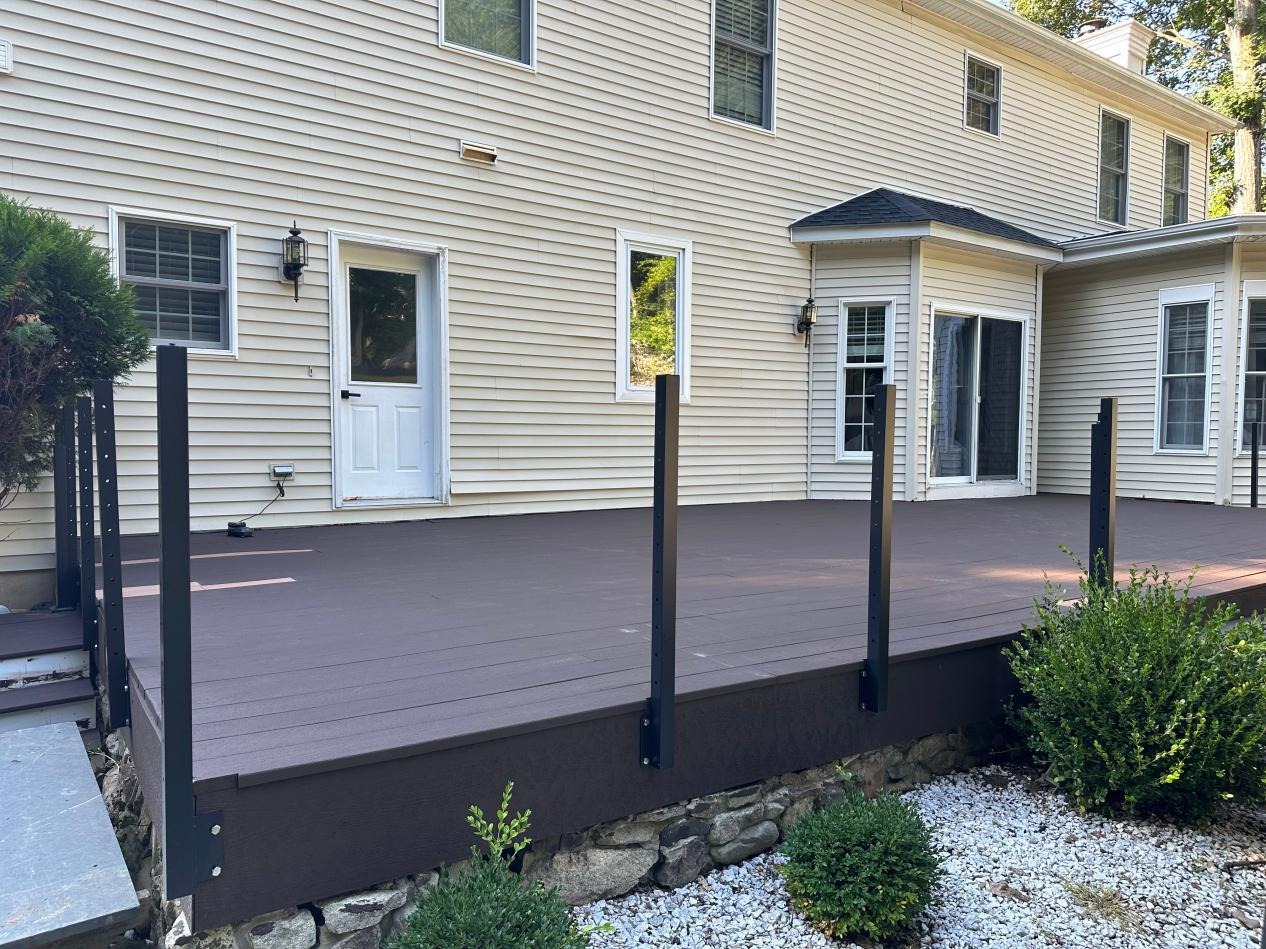
Brands like BLIKA design stainless steel cable railing systems specifically for easy DIY assembly. They supply factory pre-drilled stainless steel posts, so you don’t need to measure or drill post holes on site. They also offer swageless fittings that allow you to lock wire ropes into place using standard wrenches, without the need for heavy-duty hydraulic crimping tools. With these per-engineered components, installing a cable railing feels as straightforward as assembling building blocks.
Offer Long-Term Durability
Outdoor building materials must withstand constant weather exposure. Rain and moisture cause wooden railings to swell and rot, cold temperatures make plastic composite railings brittle, and salty ocean air rapidly rusts standard carbon steel.
Cable railing systems deliver long-lasting weather resistance through high-grade stainless steel. Manufacturers use T316 marine-grade stainless steel, which contains added molybdenum to resist salt air, moisture, and chemical corrosion. This heavy-duty steel performs reliably in harsh environments, including coastal homes, humid valleys, and mountain areas with heavy snowfall. As a result, stainless steel cables maintain their structural strength and clean appearance for decades without rusting, cracking, or snapping.
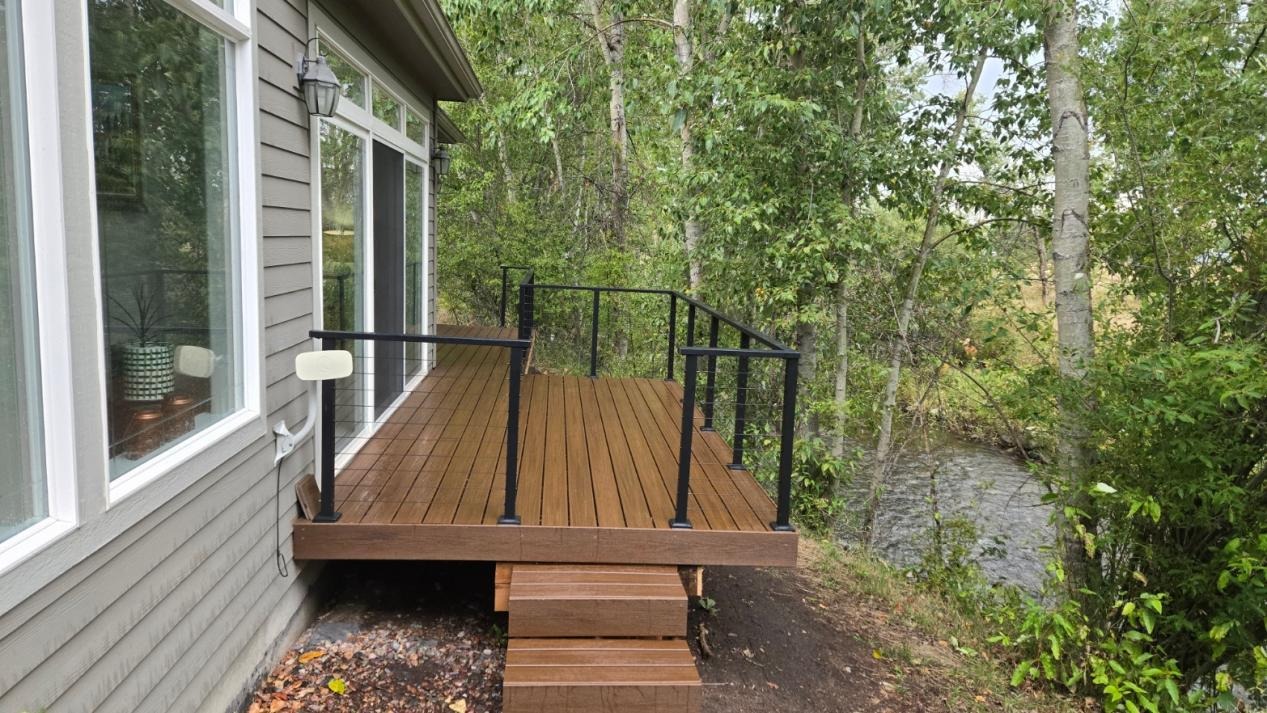
Fit Various Architectural Style
Cable railing offers a neutral, minimalist profile that complements a wide range of building styles rather than clashing with existing architecture.
Designers easily integrate wire rope systems into both modern and traditional structures. Pairing black-coated stainless steel posts with horizontal cables creates a clean, industrial look. Combining timber posts and top handrails with steel cables preserves a rustic or farmhouse aesthetic. Running cables through painted composite posts aligns with traditional home designs. Whether applied to an indoor loft, an open staircase, or a multi-level outdoor deck, cable railing enhances the property's clean architectural lines.
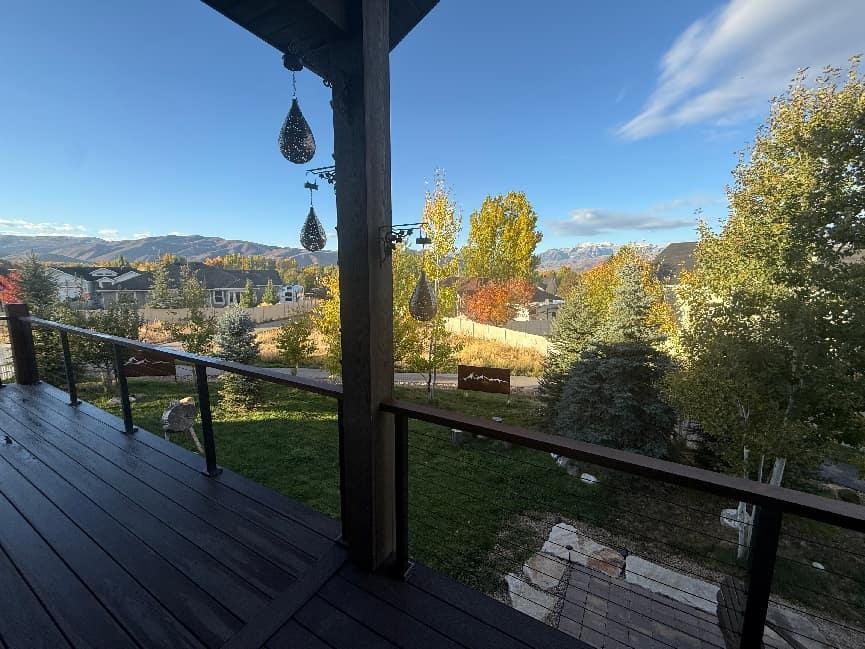
Boost Home Curb Appeal
A property's exterior features directly influence its market appeal and overall valuation. Dated or bulky guardrails lower visual appeal and suggest upcoming maintenance tasks to potential buyers.
Upgrading to a clean stainless steel cable railing system gives a property an updated, modern look. Real estate professionals recognize cable railing as a premium architectural feature due to its durability and clean visual presentation. Installing a low-maintenance, high-durability cable guardrail enhances the overall curb appeal, making the home more attractive to prospective buyers.
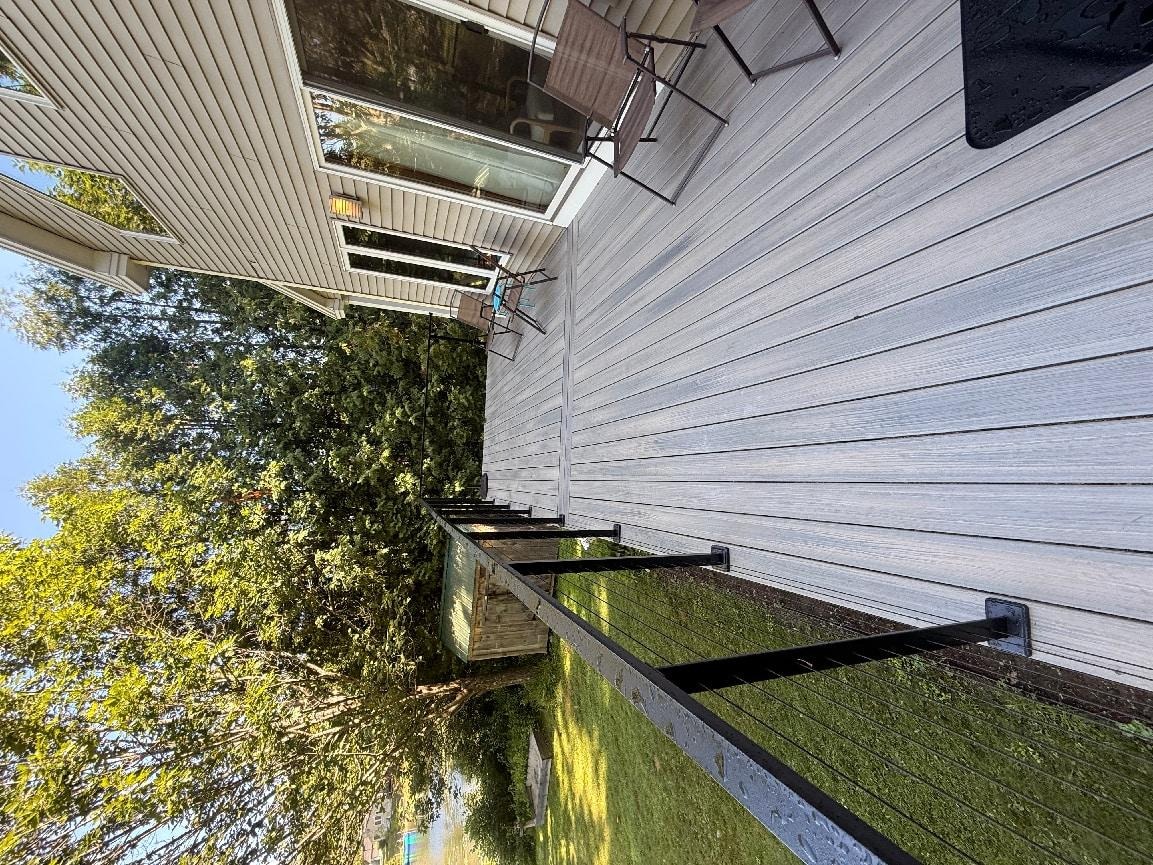
Is Cable Railing in Style?
Yes, cable railing is currently one of the fastest-growing choices in both residential construction and home remodeling.
Instead of fading as a short-term design fad, cable railing has moved into mainstream architectural design over the past decade. Recent residential building data shows that homeowners choose wire rope systems for over half of modern deck and staircase projects.
Market trends show three clear directions for cable railing today:
- From Luxury to Mainstream: In the past, cable railing appeared mostly in high-end coastal mansions. Thanks to per-engineered DIY kits and accessible hardware, cable railing is now a standard option for average suburban deck updates, indoor loft staircases, and multi-family housing projects.
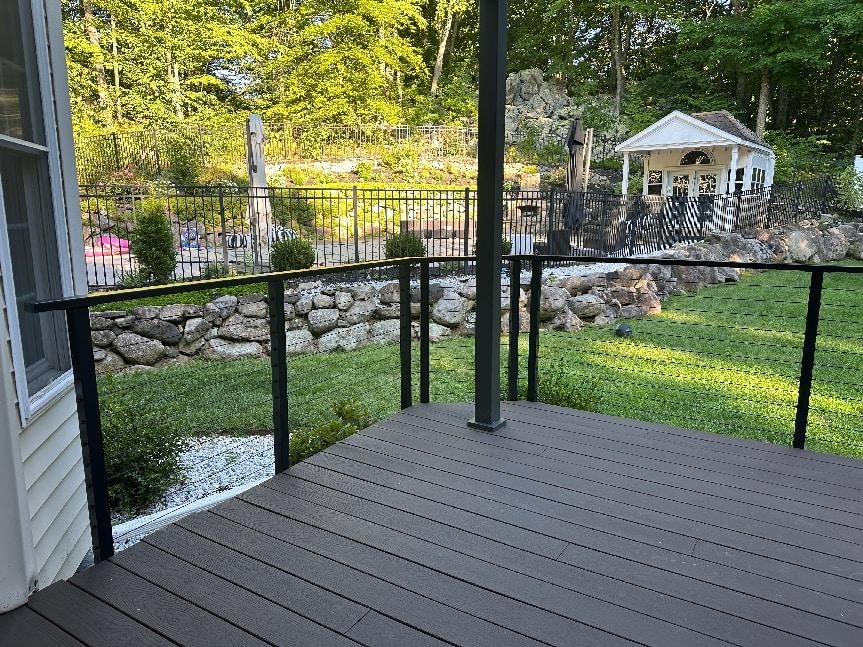
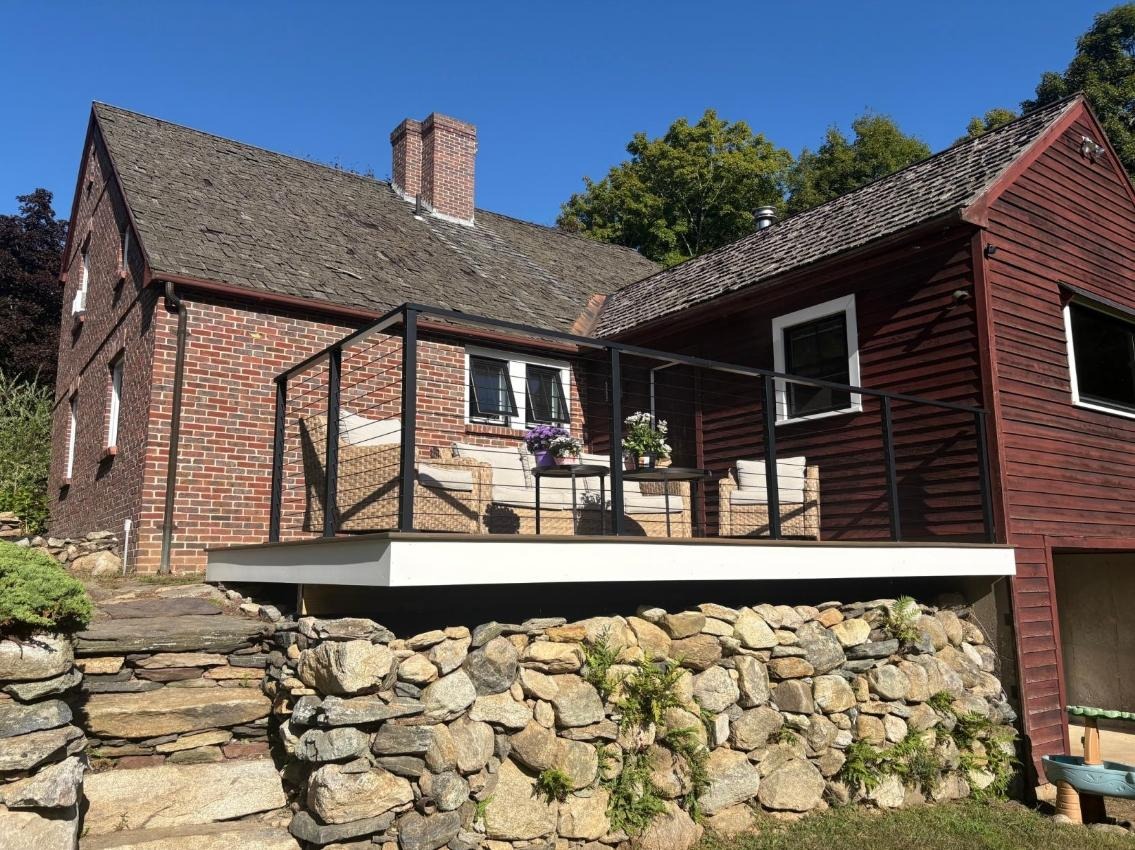
- Rising Popularity of Black Cable Railings: Current design trends favor dark, modern contrasts. Matte black powder-coated aluminum or stainless steel posts with horizontal cables are currently among the highest-selling combinations for outdoor decks and patios.
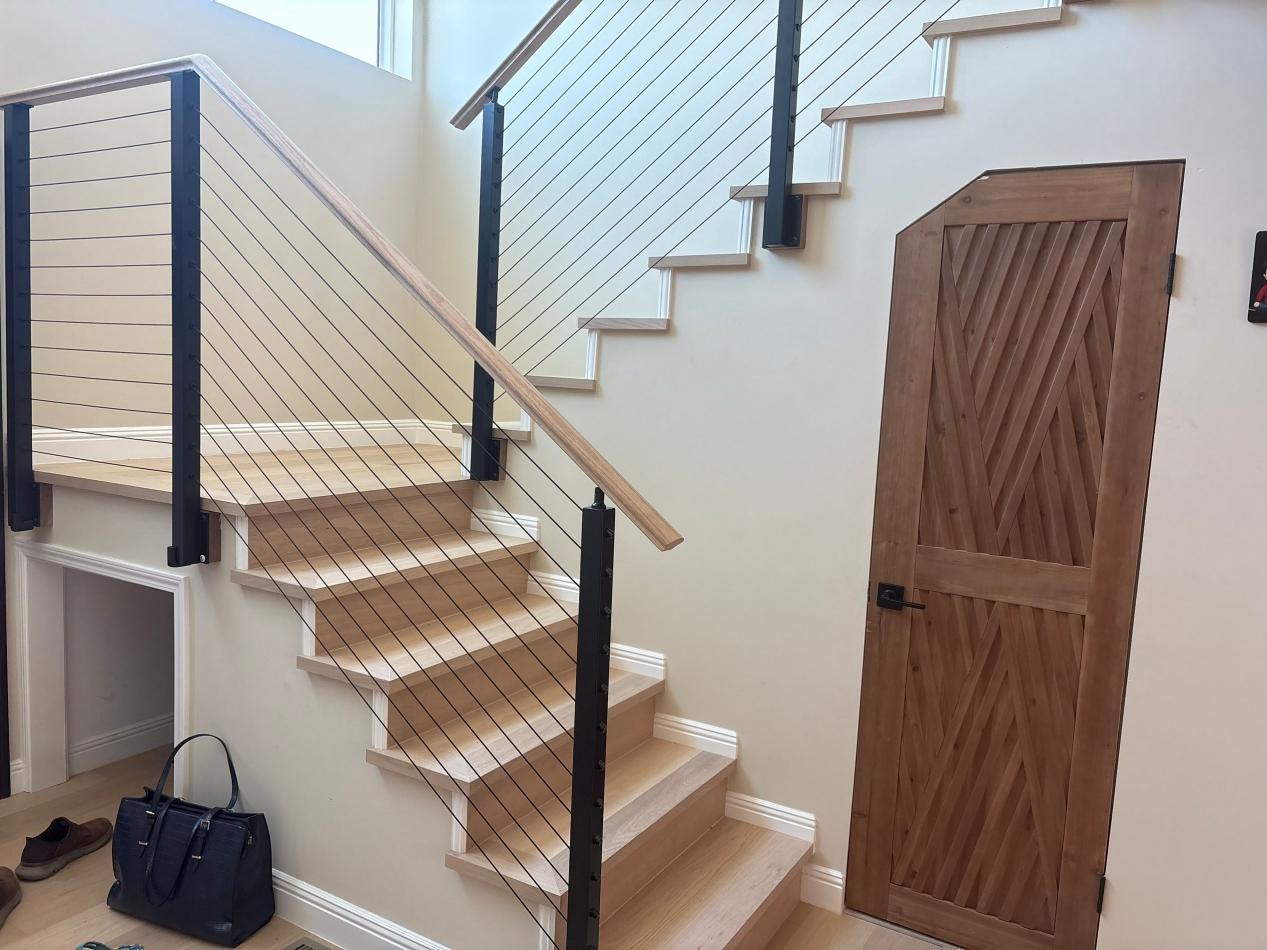
- Growing Use in Indoor Spaces: Homeowners no longer limit cable railing to outdoor decks. Interior designers increasingly use horizontal cable systems for indoor staircases, entryways, and open second-floor lofts to improve indoor light flow and create an open-concept feel.
What Are the Downsides of Cable Railing?
While cable railing offers clear views, low maintenance, and durability, it is important to consider a few potential drawbacks before starting your project:
- Higher Initial Material Cost
Stainless steel cable railing typically costs more upfront than pressure-treated wood or basic aluminum pickets. High-grade T316 stainless steel hardware and pre-drilled posts require precise manufacturing. However, lower long-term maintenance and repair expenses offset this initial investment over time.
- Tension Adjustments Over Time
Stainless steel wire ropes experience minor stretch after installation due to tension and temperature changes. You may notice slight cable sagging after the first few seasons. Fortunately, you can easily re-tighten the wire rope using a basic hand wrench on the tensioning fittings.
- Strict Building Code Restrictions
While cable railing complies with standard International Residential Code (IRC) safety requirements, a few strict local jurisdictions restrict horizontal railings due to climbability concerns for children. Always check your local building department rules regarding guardrail orientation before purchasing materials.
Cable Railing vs. Traditional Railing Systems
Final Thoughts
Choosing the right railing system balances long-term durability, low maintenance, safety compliance, and property aesthetics. While cable railing requires a higher upfront hardware investment than basic lumber, it eliminates annual sanding, painting, and rotten post replacements.
With pre-drilled posts and swageless tension fittings from brands like BLIKA, homeowners can complete professional-quality deck and stair installations quickly while enjoying unobstructed views for decades.