Small Homes, Flexible Shade: Making the Most of a Compact Outdoor Space

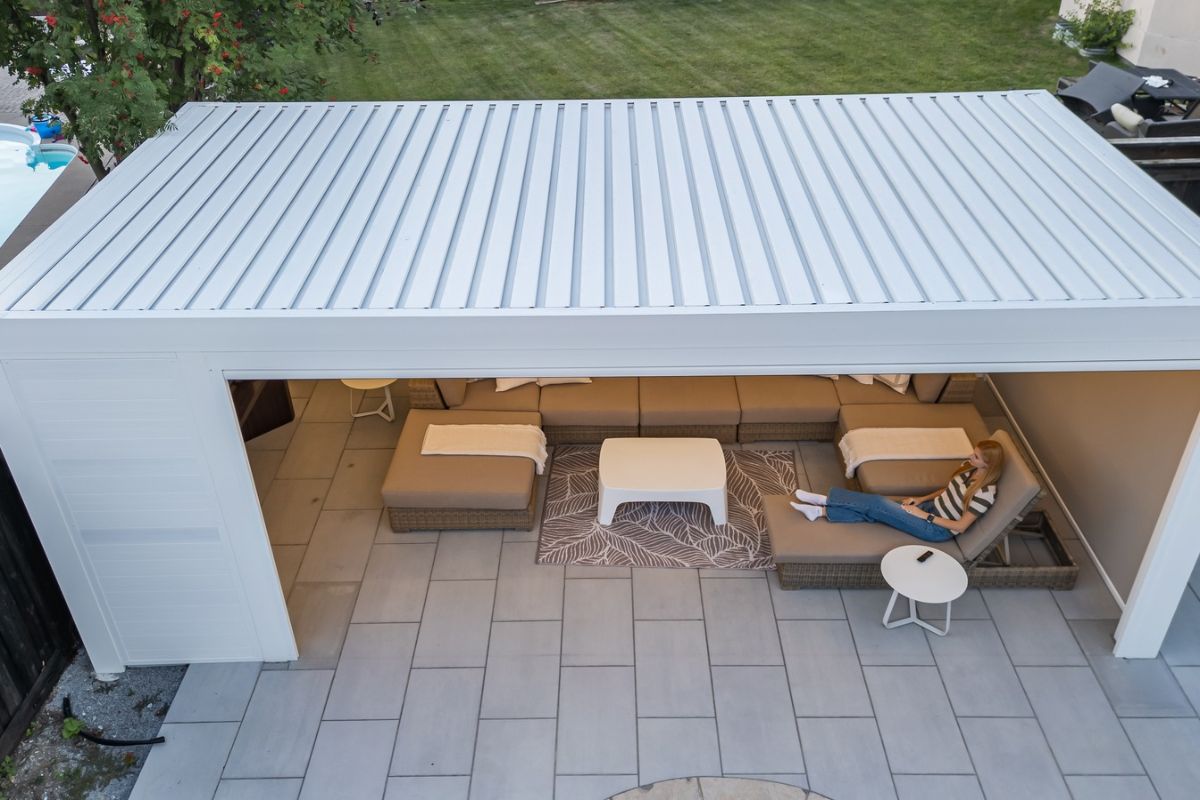
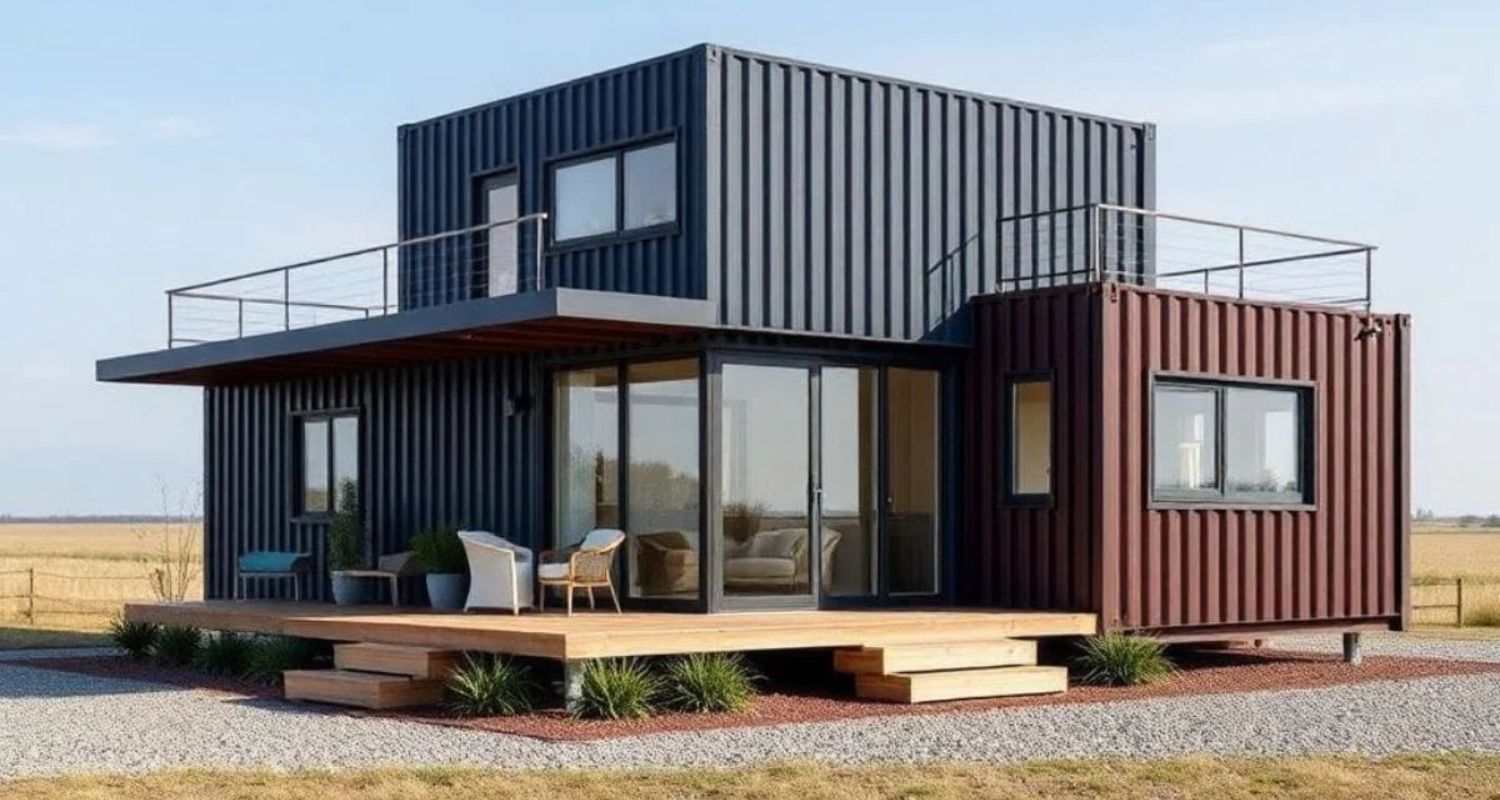
A compact patio may often be the only place where a small household can share a meal with visitors without rearranging the living room. It can also accommodate reading, a quiet coffee or a short break from working indoors. Its usefulness depends less on the number of features installed than on how easily those activities can share the same footprint.
Permanent outdoor furniture should therefore earn its place. A large lounge set might look comfortable while leaving no route from the door to the garden. A smaller table with movable chairs can serve several purposes, especially when bulky storage and separate shade stands are kept out of the circulation area.
Visual openness matters too. Keeping a view beyond the patio makes a modest space feel connected to its surroundings, rather than boxed in by furniture and screens. The outdoor area remains seasonal, however; a roof alone does not turn it into an insulated extension of the house.
Storage should be included in the same space budget. Foldable chairs only save room when there is somewhere convenient to put them, and cushions need a dry location between uses. A slim storage unit against an existing boundary may work better than a large central bench. Keeping these supporting items close to the patio also makes changing its use less of a chore. A storage box should not obstruct drainage or create an unsafe climbing step beside a raised edge.
Make One Outdoor Area Work Throughout the Day
Sunlight can make the same seat pleasant at breakfast and uncomfortable in the afternoon. Before choosing shade, it helps to record when the patio is actually used and where direct sun falls at those times. Nearby buildings, fences and trees may already provide useful shelter during part of the day.
A simple daily plan can reveal which adjustments matter most:
- morning use may favour an open roof that admits light beside the kitchen;
- a midday meal may need shade across the table rather than the entire garden;
- an afternoon reading seat may require protection from low sunlight at one side.
These needs do not necessarily justify three separate outdoor zones. A movable chair and a roof that changes position may accommodate them within one shared area.
Adjustable Shade Without a Permanent Dark Zone
A louvered pergola uses rotating roof blades to vary the balance of shade, daylight and ventilation. That flexibility can be useful beside a small home, where a permanently opaque cover could also reduce light reaching an interior room. The amount of control depends on blade orientation, opening range and the path of the sun.
Overhead louvers cannot intercept every angle of low sunlight. A carefully placed side screen may still be helpful, but enclosing all sides could undermine the openness that makes the patio useful. Checking the roof position against actual seating locations is more informative than assuming that any adjustable roof will shade the same area equally well.
Keep the Layout Open and Functional
Post locations should be considered alongside door swings and occupied chairs. The area shown between four outside corners is not all usable floor space: posts, base plates, screen tracks and furniture clearances reduce it. A layout drawn with chairs pulled back gives a more realistic picture than one showing them tucked under the table.
The route through a compact patio deserves its own check before the structure is ordered:
- exterior doors must open without striking a post or stored furniture;
- people should be able to pass seated guests without moving their chairs;
- garden access should remain available when a privacy screen is lowered;
- roof controls should be reachable without leaning across the dining table.
If these movements conflict, changing the furniture size or the frame position may solve more than expanding the roof. A taped outline makes those alternatives easy to compare before permanent work begins.
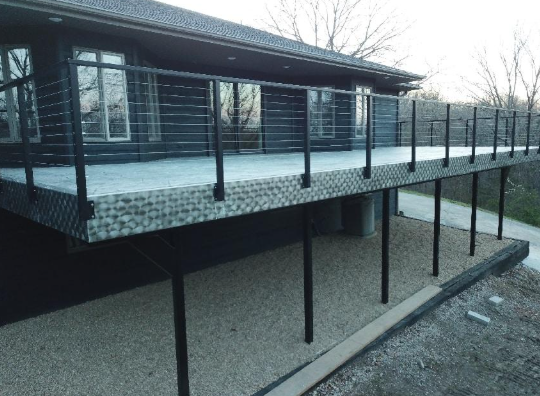
An attached arrangement may reduce the number of posts beside the house, depending on the system, but requires a suitable wall connection. A freestanding structure provides independent support and more freedom of placement. Its posts still need adequate foundations, and a narrow gap against the house can become difficult to clean.
Plan for Weather and Long-Term Use
On a small patio, a poorly placed drainage outlet can discharge exactly where people step outside. Roof drainage should be coordinated with the surface below, keeping water away from the doorway and supporting foundations. Enclosed gutters also need accessible cleaning points rather than being hidden behind permanent planting.
Frame materials, roof operation and anchoring should suit the site, with local installation requirements checked before work begins. Winter operation and snow precautions depend on the selected system; adjustable blades should not be forced when frozen or obstructed. Compact outdoor living works best when a flexible layout is paired with a structure that remains practical to inspect, operate and maintain.