Shipping Container Home vs. Expandable Container Home: Which Is Better for Everyday Living?

For anyone looking to downsize into a container home, choosing between a traditional shipping container and an expandable container house can be confusing. Both offer potential cost savings, but they differ in living space, construction, insulation, and installation. Here's how they compare to help you decide which option best suits your needs.
What Are They?
First, let's understand what each type of home is and how it works.
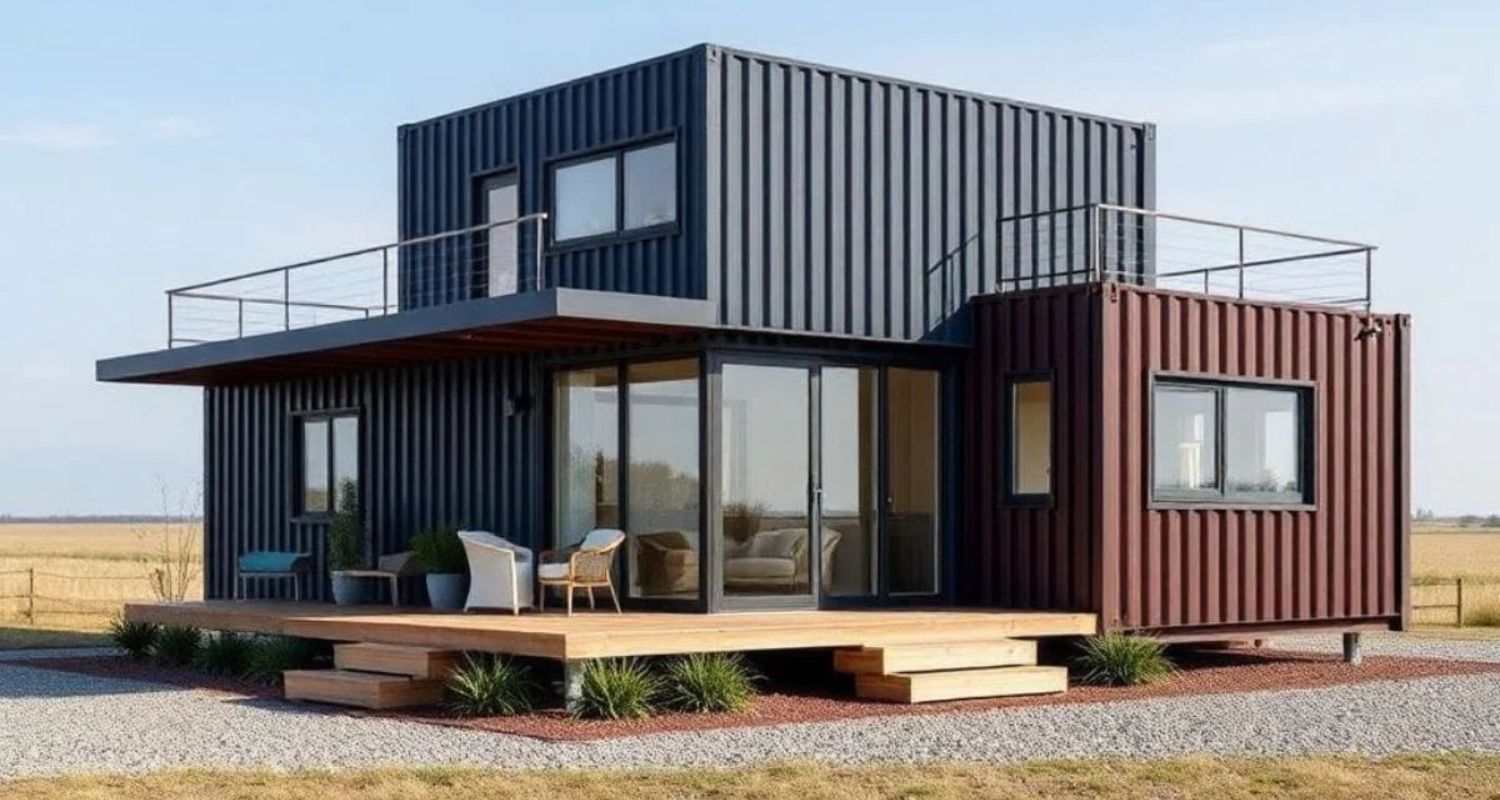
A shipping container home starts with a container originally designed for transporting goods. To turn it into a livable dwelling, the steel structure typically needs to be modified, reinforced, insulated, and fitted with windows, doors, plumbing, electrical systems, and interior finishes. The available living space is limited by the container's dimensions, although two or more containers can be joined together, with sections of their shared walls removed to create a larger interior.
An expandable container home, on the other hand, is a prefabricated house designed to fit into a compact, folded configuration for transportation. It can be unfolded and expanded on-site to provide up to three times its folded footprint, depending on the model. Available sizes vary by manufacturer, with options that may include 200, 400, 600, and 800 square feet.
Both options can support more affordable living, but they differ in usable space, construction requirements, and overall cost.
Shipping Container Home vs. Expandable Container Home
Now that we understand the basics of each housing type, let's compare them across several key factors to determine which might be the better choice for everyday living.
Living Area
Living space is one of the biggest concerns for anyone considering a container home.
When discussing life in a shipping container, long-term residents often point out that a standard 8-foot-wide container can feel cramped, especially when used as a full-time residence. Combining two containers can help address this issue by creating a wider interior, although doing so requires additional structural modifications.
Expandable container homes have an advantage when it comes to interior width. Their fold-out sections extend on both sides, potentially creating a living area approximately 20.67 feet wide, depending on the model. This provides substantially more usable floor space than a single standard shipping container.
Ceiling height also affects comfort. For shipping container homes, a High Cube container is often recommended because it provides an additional foot of exterior height compared with a standard container. Expandable homes may offer more flexibility in this area, with some models providing ceiling heights ranging from approximately 2.2 to 3.2 meters.
Overall, an expandable container home can offer a more spacious and comfortable layout without requiring multiple containers to be joined together.

Upfront Cost
At first glance, shipping containers may appear to be the cheaper option. Two used containers might cost around $8,000, but that price covers only the steel shells. You'll still need to cut openings, reinforce the structure, install insulation, fit windows and doors, and complete the plumbing, electrical work, and interior finishes. According to HomeAdvisor, converting a shipping container into a tiny home can cost between $20,000 and $45,000.
Expandable container homes typically have a higher starting price than an empty shipping container, but much of the basic living structure is already included. Some units are listed on Amazon for $10,000 or less, while resellers may charge more than $22,000 for similar models. Factory manufacturers such as Jeezoo offer basic expandable units starting at around $5,000.
Depending on the size, configuration, and delivery destination, the total project cost could range from approximately $10,000 to $30,000. However, foundation work, utility connections, permits, transportation, and local installation may add to the final expense.
The key is to compare the potential total cost of each finished home rather than the price of an empty shipping container against that of a partially finished expandable unit.
Insulation
A standard shipping container doesn't come with residential insulation. Its steel shell conducts heat quickly, which can cause the interior to become uncomfortably hot in summer and cold in winter.
Closed-cell spray foam is a commonly recommended insulation option because it provides a relatively high R-value per inch and can help limit air leakage. This is particularly important in a narrow container, where interior framing and insulation reduce the available living space.
Expandable container homes generally come with insulated wall panels, although the level of thermal performance varies by manufacturer and model. Buyers should evaluate the entire building envelope, including the walls, roof, floor, seams, and openings, rather than relying on a single wall-panel specification.
Consider the Jeezoo Folding Container House as an example:
- Wall system: The main walls use a 50 mm carbon-fiber EPS integrated board, with an additional 16 mm metal PU composite panel on the exterior.
- Sealing: Aluminum trim covers the joints, while sealant is applied around the connections to help reduce gaps and water entry.
- Roof system: The central roof section combines a 50 mm graphene carbon-crystal integrated board with a 50 mm EPS foam panel. Roof joints are also treated with butyl tape and a multilayer waterproof coating.
- Floor system: The main floor includes an 18 mm bamboo plywood base and 4 mm SPC flooring, while the bathroom uses an 18 mm cement-fiber board. Homes intended for very cold climates may require additional underfloor insulation.
These components provide a more complete starting point for an insulated living space. However, actual thermal performance depends on the materials' tested ratings, installation quality, climate, and how well the building envelope is sealed.
A shipping container home can also be made comfortable, but insulation, moisture control, and interior lining generally need to be planned and installed as part of the conversion.
Noise
A shipping container's steel shell can transmit and amplify certain sounds, particularly when the interior is unfinished. Some owners describe a knock against the exterior wall as surprisingly loud. Rain, footsteps, plumbing, and flushing toilets may also sound more noticeable because of the metal surfaces and limited sound-absorbing materials.
Expandable container homes typically feature insulated wall panels, interior finishes, and more complete sealing systems. These layers can help reduce metallic echoes and limit outside noise. Properly fitted doors, insulated windows, and sealed joints can further improve sound isolation.
However, neither housing type is automatically soundproof. The actual noise level depends on the materials used, the quality of the installation, and the surrounding environment.
Installation Timeline
Converting a shipping container into a home involves considerably more than simply placing it on a site. Depending on the design, workers may need to cut openings, install structural reinforcements, add insulation, frame the interior, fit windows and doors, and complete the electrical, plumbing, and finishing work. Joining two containers adds further cutting, alignment, and structural requirements.
Depending on the complexity of the project and the availability of local contractors, the conversion can take several weeks or months.
Expandable container homes arrive with much of their structure, wall panels, doors, windows, and service provisions prepared at the factory. The foundation and utility connection points should be ready before delivery.
Once the unit is positioned on the prepared foundation, the main expansion may take approximately 30 minutes to two hours, depending on the model and installation method. Sealing, utility connections, trimming, inspections, and interior detailing still need to be completed, potentially taking several additional days to a week or longer.
Overall, expandable container homes can significantly reduce on-site construction time, although the actual schedule depends on site readiness, local requirements, and the amount of finishing work needed.
How Long Do They Last?
A shipping container home can have a long service life when properly designed, converted, and maintained. Shipping containers are built to withstand demanding transportation conditions, but their durability as homes depends on factors such as corrosion protection, structural modifications, moisture control, and ongoing maintenance. With proper care, a well-built container home may last 20 to 30 years or longer.
Expandable container homes can also serve as long-term residences, but their lifespan depends heavily on the quality of the materials, manufacturing, weatherproofing, and maintenance. Some models may be better suited to temporary accommodation or projects with shorter service requirements, while better-built units may offer a longer service life.
Rather than assuming that every expandable home lasts only 10 to 15 years, buyers should ask manufacturers for documented service-life estimates, warranties, corrosion protection details, and information about performance in their intended climate.
So, Which Is Better for Living?
A shipping container home may be the better choice if you prefer an industrial aesthetic and want extensive control over the design. It can also make sense when used containers are readily available and you have access to experienced designers, welders, and local construction professionals.
An expandable container home is generally more suitable if you want a wider residential layout with less on-site construction. Its main structure, insulated panels, windows, doors, and service provisions can be prepared at the factory before delivery. Once the unit arrives, it can be expanded, sealed, connected to utilities, and finished on the prepared site.
This makes expandable container homes worth considering for couples, guest accommodations, farm stays, tourism projects, and temporary housing. Developers who need multiple units may also benefit from repeating a standardized layout instead of designing and building each unit separately.
Ultimately, the better choice depends on your budget, space requirements, intended length of use, local building regulations, and the quality of the specific model.
Final Thoughts
For everyday living, an expandable container home can offer more usable width, a more familiar residential layout, and a shorter on-site installation process. A shipping container home provides greater freedom for customization, but achieving the same level of comfort may require more modifications, engineering, and local labor.
The most useful comparison isn't between two empty steel boxes and a finished prefabricated home. Instead, consider the complete project cost, finished living space, insulation, noise control, expected lifespan, installation requirements, and local approval process.
By evaluating these factors together, you can determine which option offers the best balance of comfort, practicality, and value for your project.