
Eco-Friendly Upgrades to Boost Your Tiny House Design

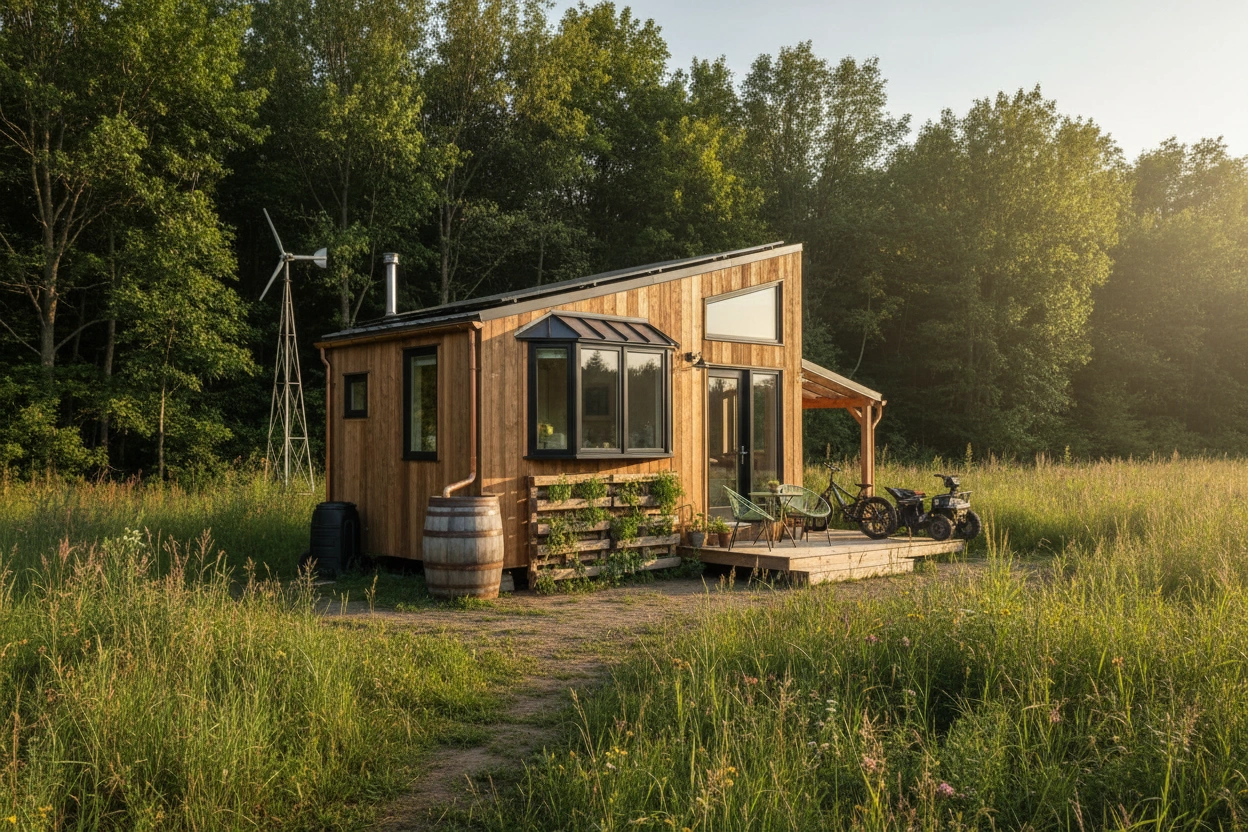
As we become more conscious of our environmental impact, the tiny house movement continues to gain momentum. Tiny house design emphasizes sustainability, efficiency, and minimalism, making it an ideal approach for those who wish to reduce their carbon footprint. In this article, we will explore eco-friendly upgrades that can significantly enhance your tiny home while maintaining its minimalist charm. Additionally, we will provide a list of top tiny house plans that can serve as inspiration for your next project.
Understanding Eco-Friendly Tiny House Design
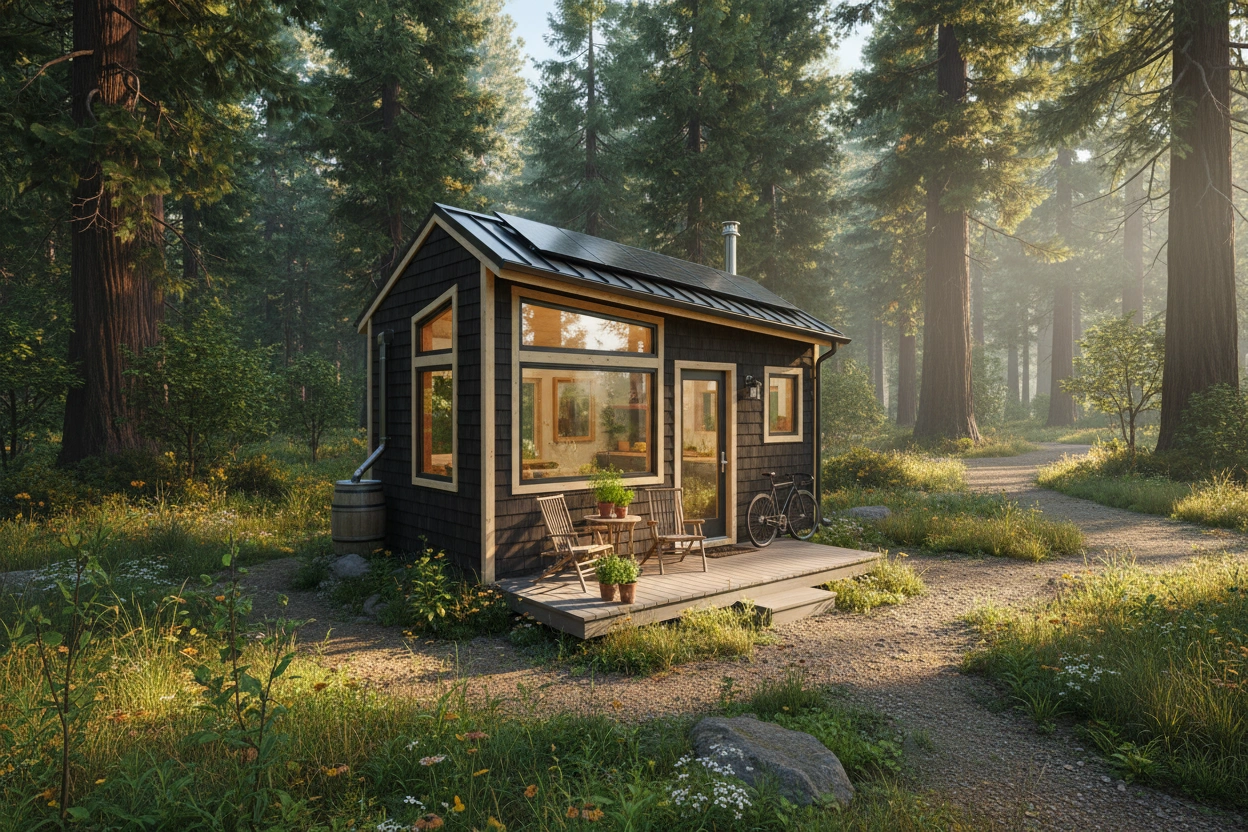
Sustainable tiny house design goes beyond just size; it integrates principles that prioritize energy efficiency, resource conservation, and environmental friendliness. The goal is to create a living space that uses fewer materials, requires less energy, and has a reduced ecological footprint. This approach not only benefits the environment but can also lead to significant cost savings over time.
Incorporating eco-friendly upgrades into your tiny house design can enhance both comfort and functionality. These upgrades can vary from materials used in construction to the systems you choose for energy and water efficiency. For instance, opting for solar panels can reduce reliance on traditional energy sources, while rainwater harvesting systems can conserve water. Understanding these options is crucial for anyone looking to design a sustainable tiny house design.
Benefits of Eco-Friendly Upgrades
- Cost Savings: Sustainable features often lead to lower utility bills over time.
- Increased Property Value: Eco-friendly homes can attract buyers looking for sustainable living options.
- Healthier Living Environment: Using non-toxic materials contributes to better indoor air quality.
- Reduced Environmental Impact: Lower resource consumption directly benefits the planet.
Top Eco-Friendly Upgrades for Tiny House Design
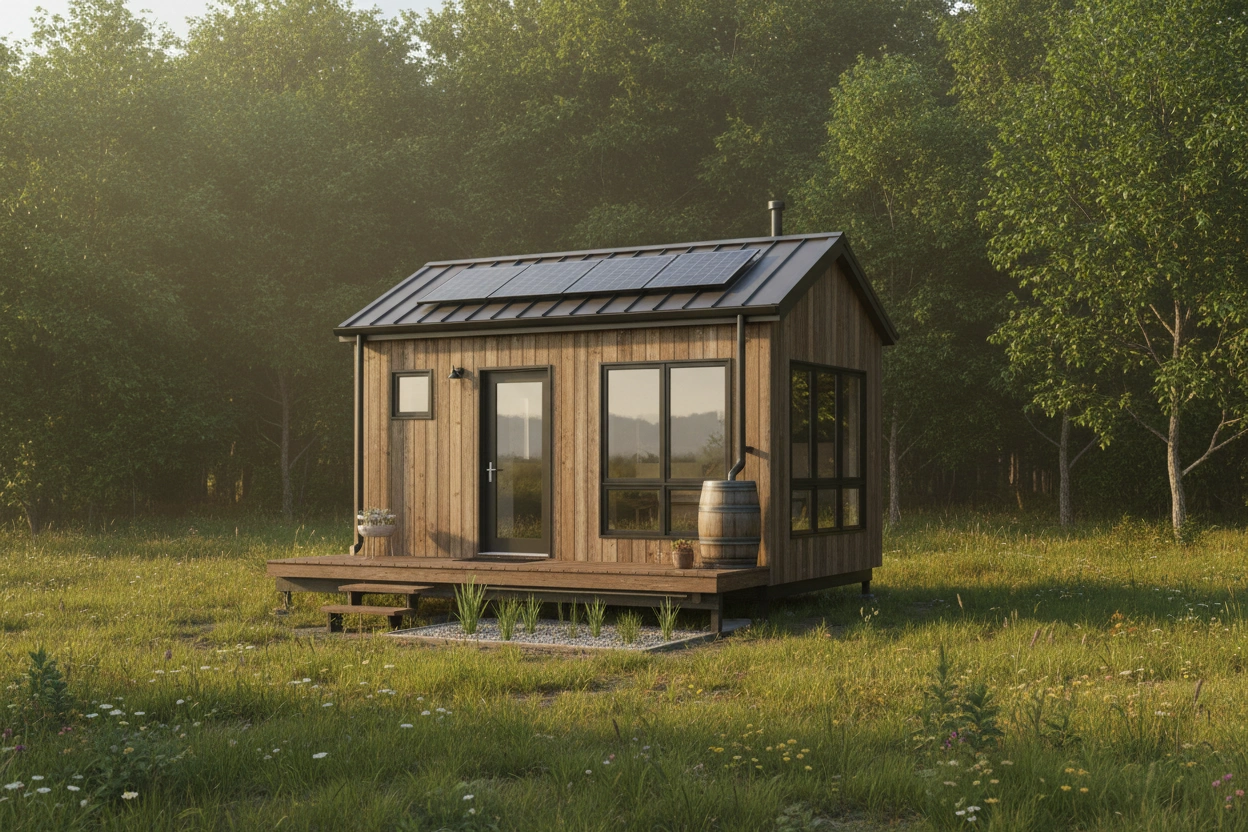
When it comes to enhancing your tiny house design with eco-friendly features, there are numerous upgrades to consider. Below is a list of some impactful options:
Solar Energy Systems
Installing solar panels can significantly reduce electricity costs and reliance on non-renewable energy sources. Many modern solar systems are compact and can be integrated seamlessly into a tiny house design. Additionally, battery storage systems can ensure you have power even during cloudy days.Rainwater Harvesting Systems
Collecting rainwater can supplement your water supply for non-potable uses, such as irrigation or flushing toilets. By implementing a rainwater harvesting system, you can reduce water bills and minimize the demand on municipal water systems.Energy-Efficient Appliances
Investing in energy-efficient appliances is a smart move for any tiny house design. Look for appliances with the ENERGY STAR label, which indicates they meet strict energy efficiency guidelines. Compact models designed for small spaces can maximize functionality without sacrificing performance.Insulation Upgrades
Proper insulation is vital in tiny houses to maintain a comfortable temperature year-round. Materials like cellulose, wool, or spray foam can provide excellent thermal performance. Good insulation helps reduce heating and cooling costs, making your tiny home more energy-efficient.Sustainable Building Materials
Choose materials that are renewable, recycled, or locally sourced. For example, bamboo flooring is a sustainable choice, while reclaimed wood can add character to your design. Using sustainable materials not only reduces your ecological footprint but also supports local economies.Composting Toilets
Composting toilets are an eco-friendly alternative to traditional flush toilets. They reduce water usage and can turn waste into compost, which can be used to enrich the soil in your garden. This upgrade can be particularly advantageous for off-grid tiny homes.LED Lighting
Switching to LED lighting is an easy way to improve energy efficiency in your tiny house. LED bulbs consume significantly less energy than incandescent bulbs and have a longer lifespan, reducing waste and maintenance costs.Passive Solar Design
Incorporating passive solar design principles can optimize natural light and heat in your tiny home. This may include strategically placing windows to maximize sunlight or using thermal mass materials to absorb heat. These design elements can enhance comfort while minimizing energy use.Green Roofs
A green roof can provide insulation, reduce stormwater runoff, and promote biodiversity. This feature not only adds aesthetic value to your tiny house design but also contributes to environmental sustainability.Smart Home Technology
Implementing smart home technology can optimize energy use and enhance efficiency. Systems that control lighting, heating, and cooling can be programmed to reduce energy consumption when you're not home.
Top 10 Tiny House Plans to Inspire Your Next Project
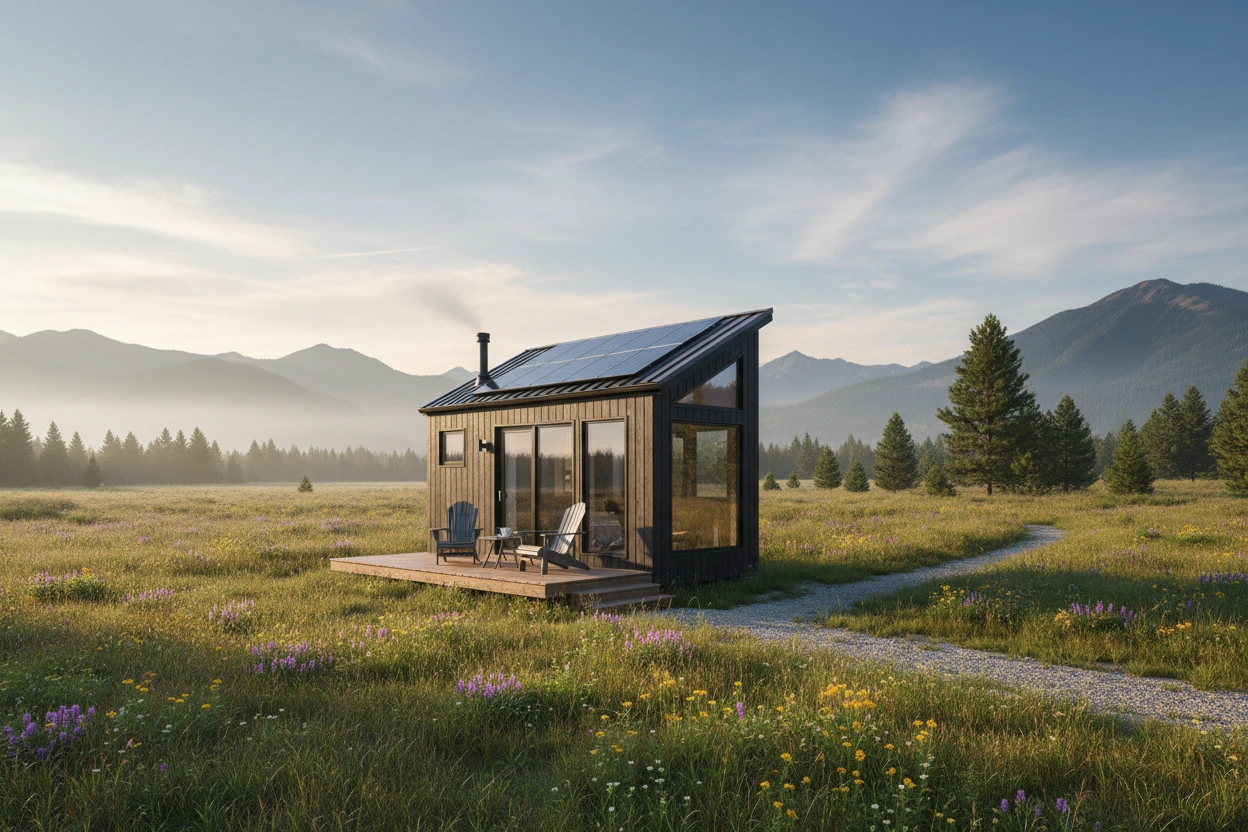
Finding the right design for your tiny house is essential to creating a space that reflects your lifestyle while incorporating eco-friendly upgrades. Here are ten tiny house plans that can inspire your next project:
The Escape
This compact design maximizes space with an open floor plan and large windows for natural light. It features a lofted sleeping area and a small kitchen, perfect for minimalist living.The Tiny Tack House
Designed with mobility in mind, this tiny house offers a full kitchen, bathroom, and living area in just 250 square feet. Its efficient layout makes it ideal for those who want to travel.The Modern Tiny House
Featuring sleek lines and contemporary finishes, this design emphasizes sustainability with solar panels and rainwater collection. The open concept allows for flexible living spaces.The Rustic Retreat
This tiny house design incorporates reclaimed materials for a warm, rustic feel. Its efficient layout includes a loft bedroom and a cozy living area, making it perfect for a weekend getaway.The Eco-Friendly Cabin
Built with sustainable materials and equipped with a green roof, this cabin-style tiny house blends into its natural surroundings. It features a spacious porch and large windows to take in the views.The Minimalist Marvel
Focusing on simplicity, this design features a functional kitchen and a bathroom with space-saving fixtures. Its minimalist aesthetic appeals to those who value a clutter-free lifestyle.The Family Tiny House
This design accommodates families with a separate sleeping loft and a full-sized bathroom. It maximizes space with built-in furniture and plenty of storage options.The Container Home
Utilizing shipping containers as the main structure, this design is both affordable and eco-friendly. The unique layout allows for creative use of space and modern finishes.The Tiny House on Wheels
This mobile tiny house plan is designed for those who want to travel while enjoying the comforts of home. It features a compact kitchen, bathroom, and a living area that converts into a sleeping space.The Studio Tiny House
Ideal for artists or remote workers, this design includes a dedicated workspace and plenty of natural light. It emphasizes functionality while maintaining a stylish appearance.
Common Misconceptions About Tiny House Design
While the tiny house movement offers numerous advantages, there are some misconceptions that can deter potential homeowners. Addressing these misconceptions can help you make informed decisions about your tiny house journey.
Misconception 1: Tiny Houses Lack Comfort
Many believe that tiny houses compromise on comfort due to their size. However, with thoughtful design and the right upgrades, a tiny house can be just as comfortable as a traditional home. Features like efficient heating and cooling systems, quality insulation, and multi-functional furniture can create a cozy living environment.
Misconception 2: Tiny Homes Are Not Suitable for Families
It's a common belief that tiny houses are only suitable for singles or couples. However, many designs cater to families by incorporating lofts, additional sleeping areas, and smart storage solutions. The key is to choose a plan that meets your family's specific needs.
Misconception 3: Tiny House Living Is Too Restrictive
Some individuals worry that living in a tiny house means sacrificing personal belongings and lifestyle. In reality, tiny house design encourages a minimalist approach that promotes intentional living. This lifestyle can lead to greater satisfaction and reduced stress.
The Role of TinyHouse.com in Your Tiny House Journey
When embarking on your tiny house design journey, having the right resources and support is essential. TinyHouse.com offers a wealth of information, inspiration, and practical tools to help you every step of the way. From detailed plans to eco-friendly upgrades ideas, our platform is designed to assist you in creating the perfect tiny home tailored to your lifestyle.
By integrating eco-friendly upgrades into your tiny house design, you not only enhance your living space but also contribute positively to the environment. TinyHouse.com is here to support your vision, providing you with the tools and resources necessary to achieve a sustainable and comfortable tiny home.
For more information on how to design your eco-friendly tiny house, visit TinyHouse.com and take the next step in your tiny living adventure.


.svg)
.jpg)
.jpg)
.jpg)
.jpg)