
Affordable Tiny House Design Ideas for Modern Minimalist Homes

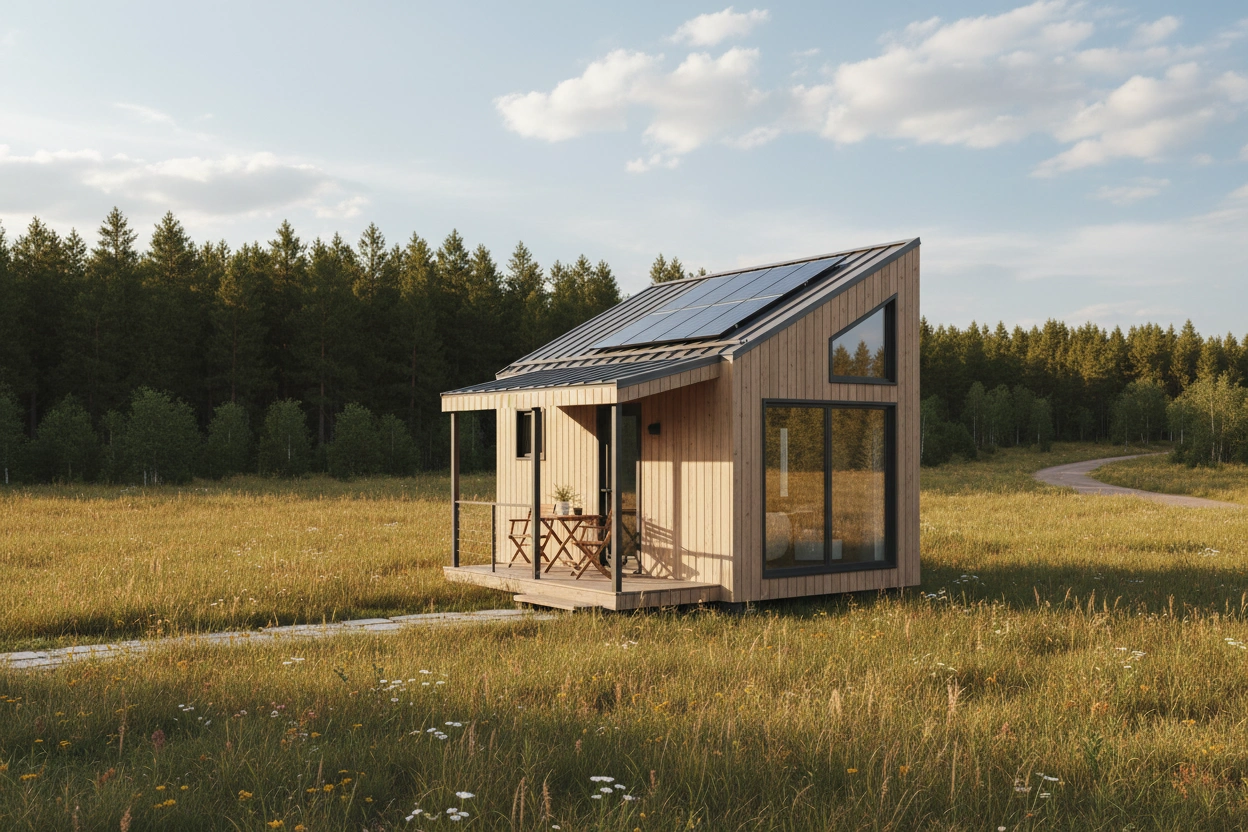
In recent years, the tiny house movement has gained significant traction among individuals and couples seeking a more minimalist lifestyle. As of 2026, the desire for affordable housing options that prioritize simplicity and sustainability is more prevalent than ever. Tiny house design allows homeowners to downsize while maximizing functionality, creating spaces that are not only practical but also aesthetically pleasing. This article will explore various tiny house design ideas and present the top ten plans that could inspire your next project.
The Appeal of Tiny House Design

Tiny houses encapsulate the essence of minimalist home design, focusing on efficient use of space and thoughtful layouts. Many people are drawn to tiny homes for their affordability, lower environmental impact, and reduced maintenance demands. These homes often allow for a more flexible lifestyle, catering to remote workers and those seeking to simplify their living conditions.
Tiny house design is not just about reducing square footage; it's about rethinking how we live and what we truly need. By prioritizing essential features and eliminating the excess, homeowners can create a space that reflects their personal values and lifestyle choices. creative home ideas.
Benefits of Adopting a Minimalist Home Design
- Affordability: Tiny houses generally require lower initial investment and reduced utility costs, making homeownership accessible to a wider audience.
- Sustainability: Smaller homes typically use fewer resources in construction and maintenance, contributing to a smaller carbon footprint.
- Flexibility: Tiny houses can often be moved or reconfigured, allowing for a more adaptable living situation that can change with personal circumstances.
Key Considerations for Tiny House Design
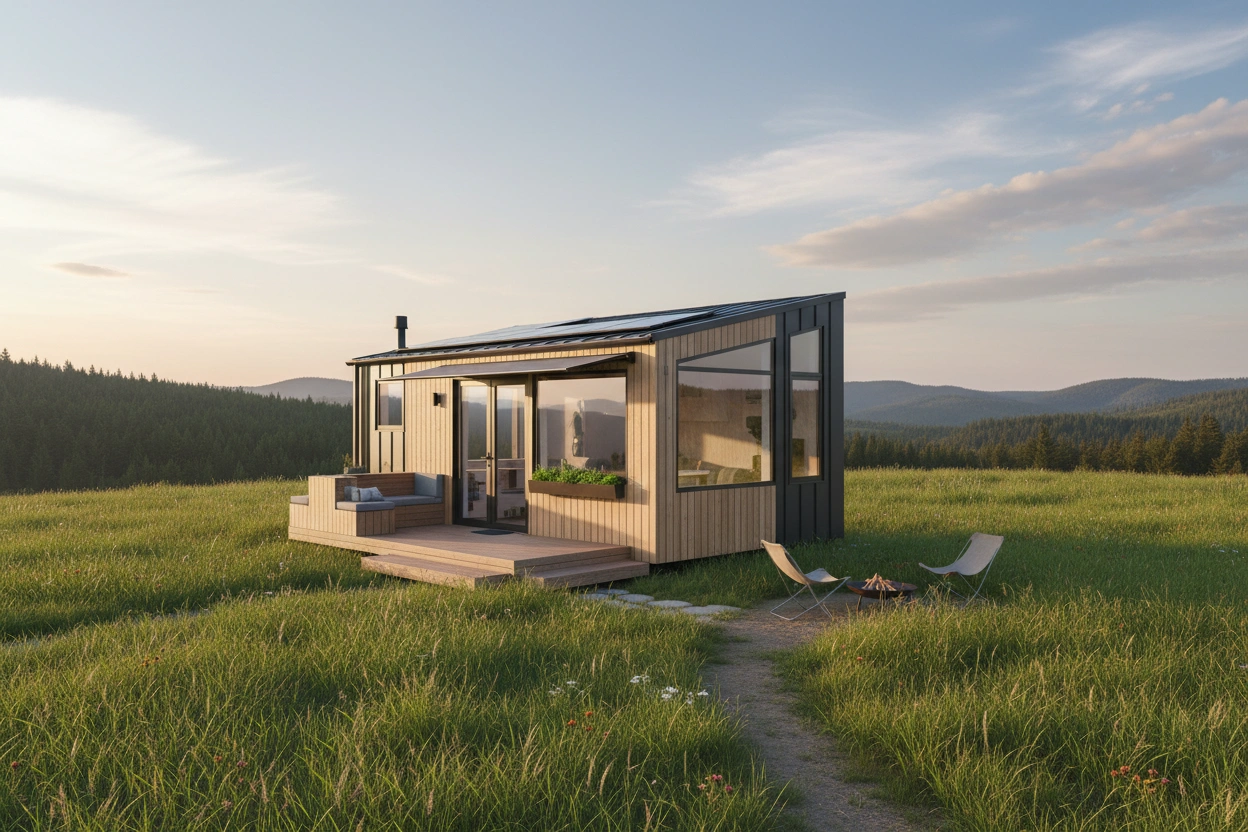
When embarking on a tiny house design project, several important factors should be considered to ensure the space meets your needs and preferences.
Space Optimization
Maximizing the available space is crucial in tiny house design. Effective strategies include:
- Multi-functional furniture: Incorporate items that serve multiple purposes, such as a sofa bed or a table that doubles as a workspace.
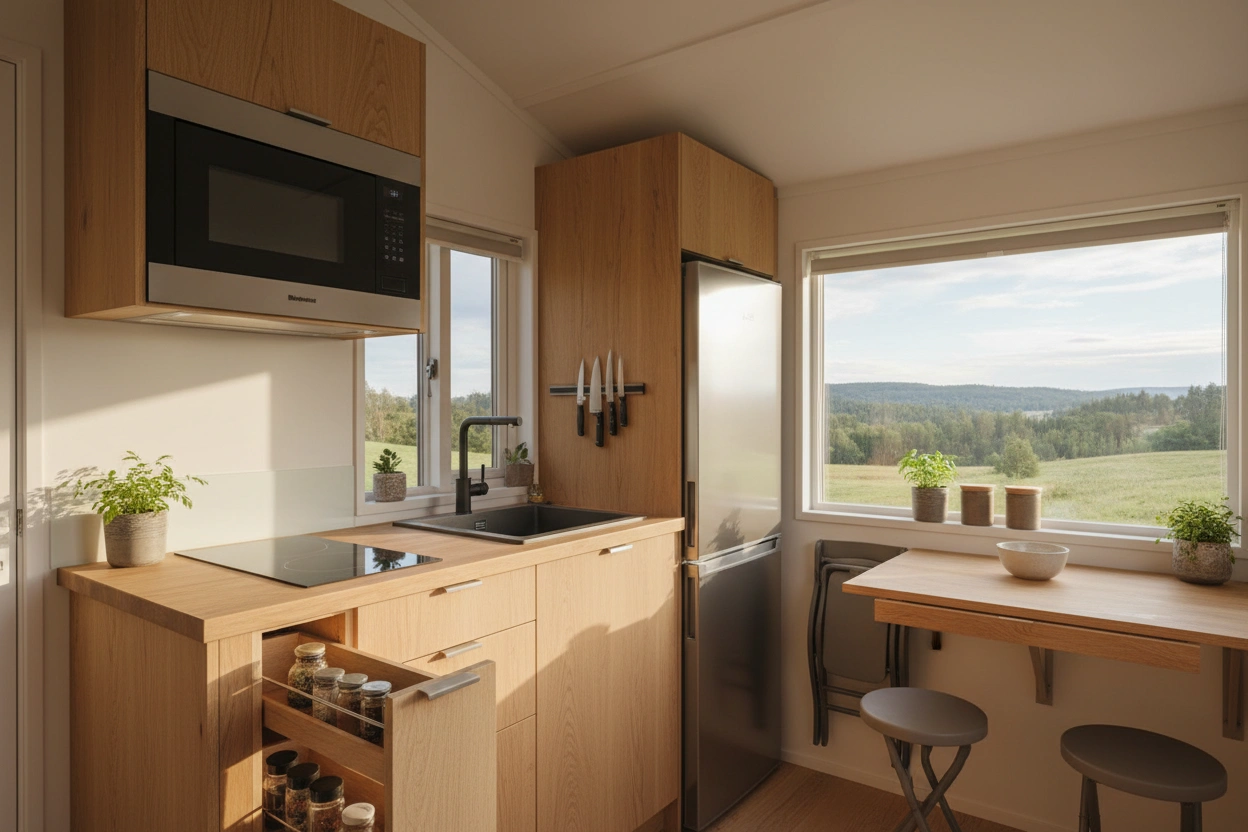
- Vertical storage: Utilize wall space for shelving and cabinets to keep the floor area open and uncluttered.
- Open floor plans: Create a seamless flow between different areas of the house to enhance the feeling of spaciousness.
Natural Light and Ventilation
Incorporating ample natural light and ventilation can significantly enhance the livability of a tiny home. Consider the following:
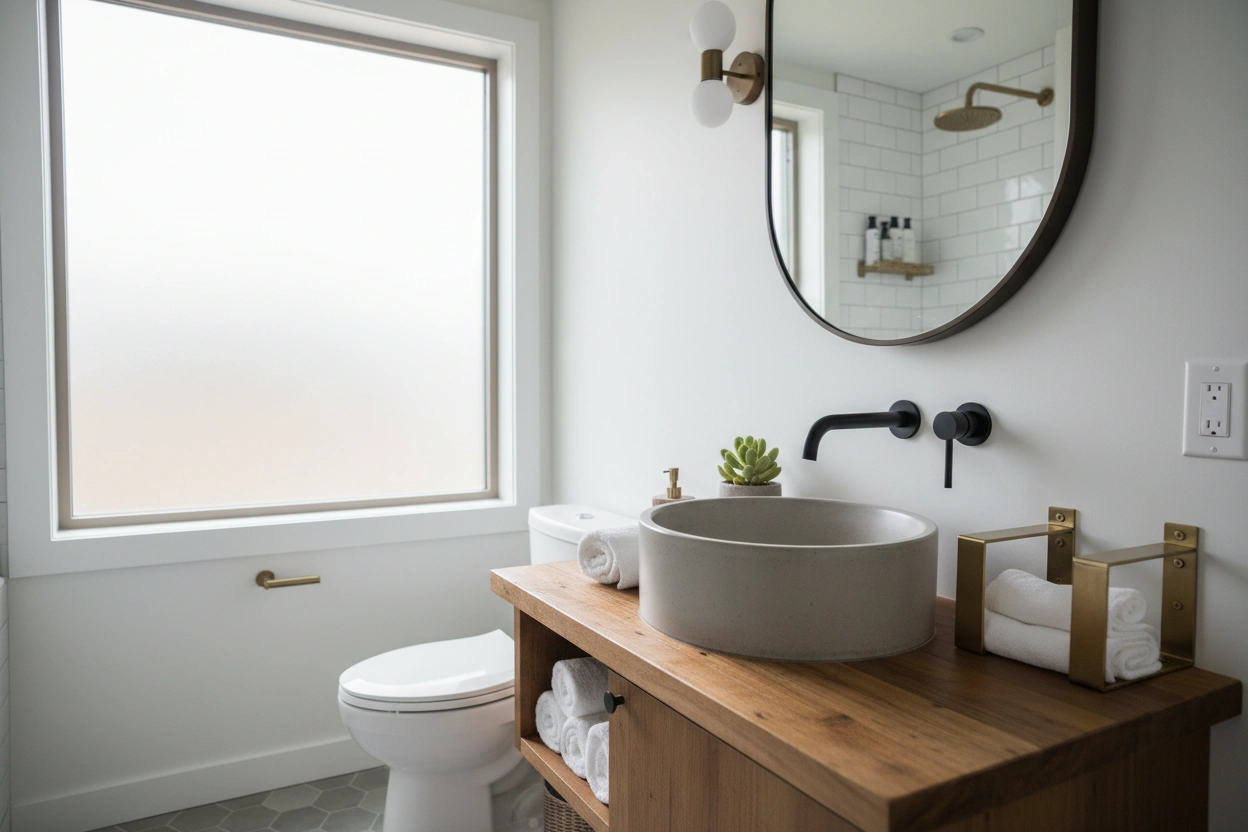
- Large windows: Use strategically placed windows to bring in light and create a sense of openness.
- Skylights: Adding skylights can provide additional illumination and ventilation, making the interior feel airy and bright.
- Cross-ventilation: Position windows to allow for a breeze, which can help regulate temperature and improve air quality.
Sustainable Materials
Choosing eco-friendly materials can contribute to both the longevity of your tiny home and your environmental impact. Consider:
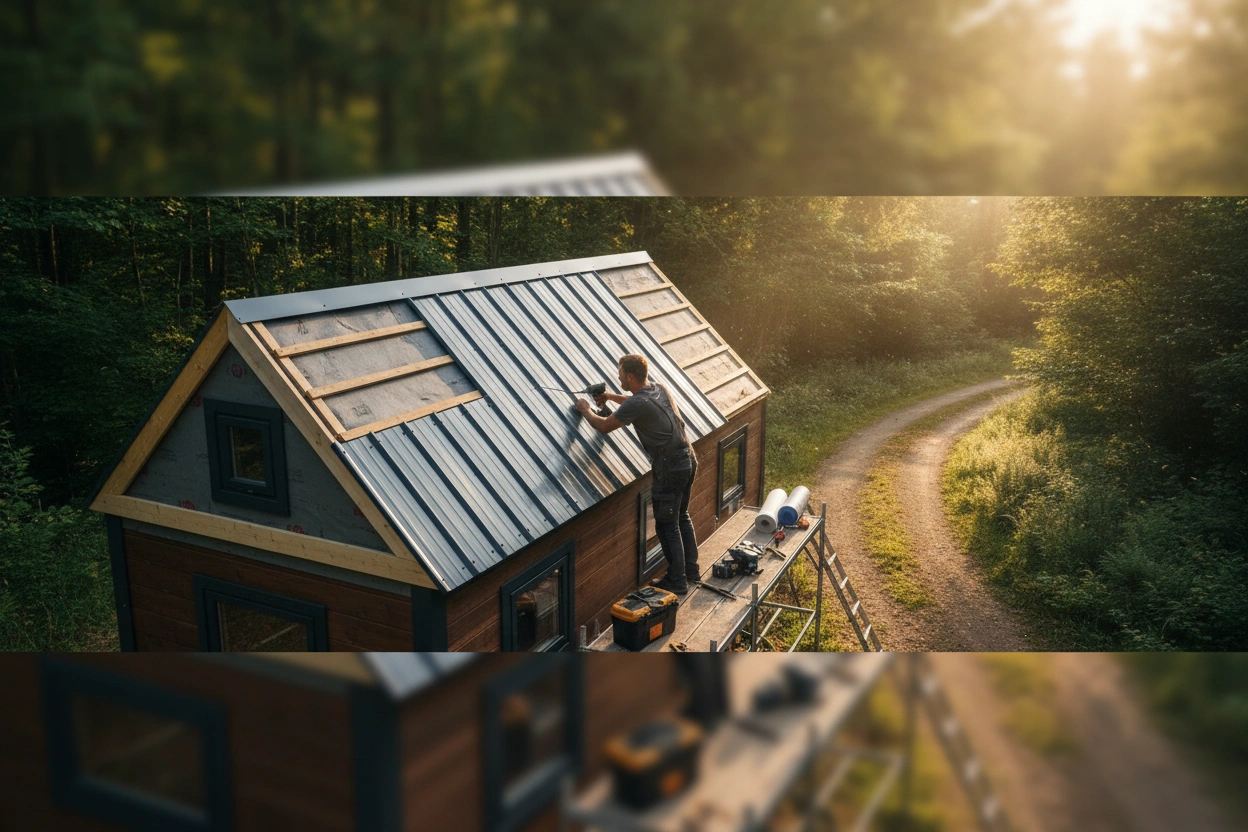
- Reclaimed wood: Using salvaged materials can add character while reducing waste.
- Insulation: Invest in high-quality insulation to maintain temperature and reduce energy consumption.
- Low-VOC finishes: Opt for paints and finishes that are free from harmful chemicals to improve indoor air quality.
Top 10 Tiny House Plans to Inspire Your Next Project
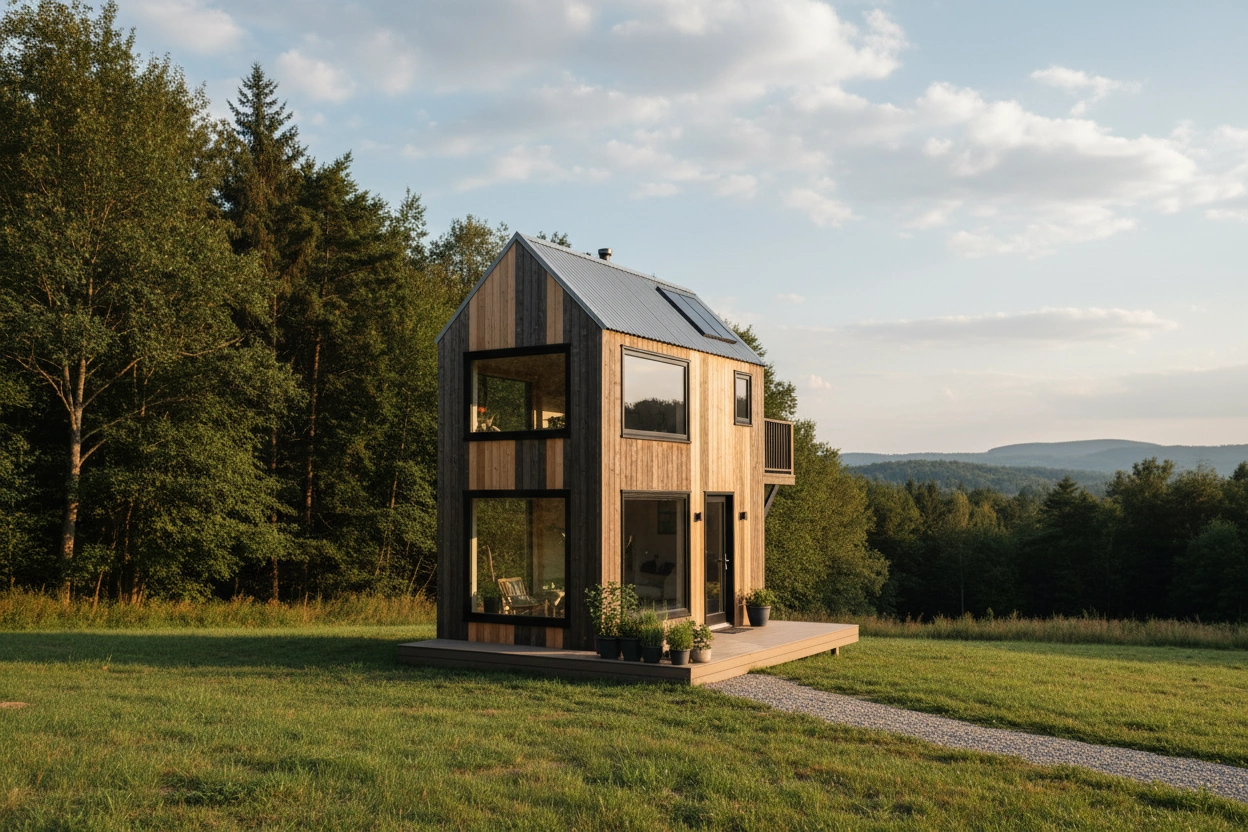
Here are some innovative tiny house design ideas that can serve as inspiration for your own project:
1. The Modern Cube
This design features a sleek, boxy silhouette that maximizes interior space. With large windows and an open floor plan, the Modern Cube emphasizes simplicity and functionality.
2. The A-Frame
The A-Frame design is iconic and instantly recognizable. Its sloped roof creates a cozy atmosphere while allowing for lofted sleeping areas, making it ideal for small families or couples.
3. The Tiny Cottage
Evoking a traditional cottage aesthetic, this tiny house design incorporates rustic materials and charming details. The layout often includes a small kitchen, living area, and a lofted bedroom.
4. The Trailer Home
Built on a trailer for mobility, this design allows homeowners to travel while enjoying the comforts of home. The layout can be customized to include all essential amenities.
5. The Eco-Friendly Retreat
Focus on sustainability with designs that include solar panels, rainwater collection systems, and energy-efficient appliances. This approach minimizes your environmental impact while maintaining comfort.
6. The Scandinavian-Inspired Cabin
Emphasizing minimalism and functionality, Scandinavian design often includes natural materials and neutral colors. This tiny house design prioritizes simplicity and warmth.
7. The Shipping Container Home
Utilizing repurposed shipping containers, this design is both affordable and durable. The modular nature allows for various configurations, making it a versatile option.
8. The Treehouse
Elevated designs that incorporate natural elements create a unique living experience. Treehouses can offer stunning views and a connection to nature while providing a cozy retreat.
9. The Rustic Barn
Inspired by traditional barn architecture, this design often features wooden beams, open spaces, and a charming exterior. It evokes a sense of nostalgia while providing modern amenities.
10. The Urban Loft
Ideal for city dwellers, urban loft designs make the most of limited space with open floor plans and innovative storage solutions. This style often incorporates industrial elements for a chic, modern feel.
Common Mistakes in Tiny House Design and How to Avoid Them
Designing a tiny house can be a rewarding process, but it comes with its own set of challenges. Awareness of common pitfalls can help you avoid costly mistakes.
1. Overlooking Storage Solutions
One of the biggest mistakes is neglecting to plan for adequate storage. Small spaces require creative solutions, so consider built-in shelves, under-bed storage, and multifunctional furniture.
2. Ignoring Local Regulations
Before starting your tiny house project, research local zoning laws and building codes. Many areas have specific regulations regarding tiny homes that could affect your design and placement.
3. Skimping on Quality
While affordability is a key consideration, cutting corners on materials can lead to issues down the road. Invest in quality materials and craftsmanship to ensure your tiny home stands the test of time.
The Role of TinyHouse.com in Your Tiny House Journey
Tiny house design offers a unique opportunity to create a living space that aligns with your values of minimalism and sustainability. By choosing the right design and materials, you can build a home that not only meets your needs but also contributes positively to the environment.
For those interested in taking the next step in their tiny house journey, TinyHouse.com provides a wealth of resources and support. From design ideas to practical tips, the platform is dedicated to helping aspiring homeowners navigate the process of building or buying a tiny home. If you're ready to start planning your tiny house design, visit TinyHouse.com for more information on available resources and expert guidance. Embrace the possibilities of tiny living and create a space that truly reflects your lifestyle.


.svg)
.jpg)