
Fort Worth Tiny House Moisture: A Seasonal Mold Watch


A tiny house has very little air to absorb a hot shower, a pot of pasta and two people sleeping in a loft. In North Texas, that small volume also meets Gulf humidity and frequent spring storms. Moisture builds fast, and mold follows wet spots.
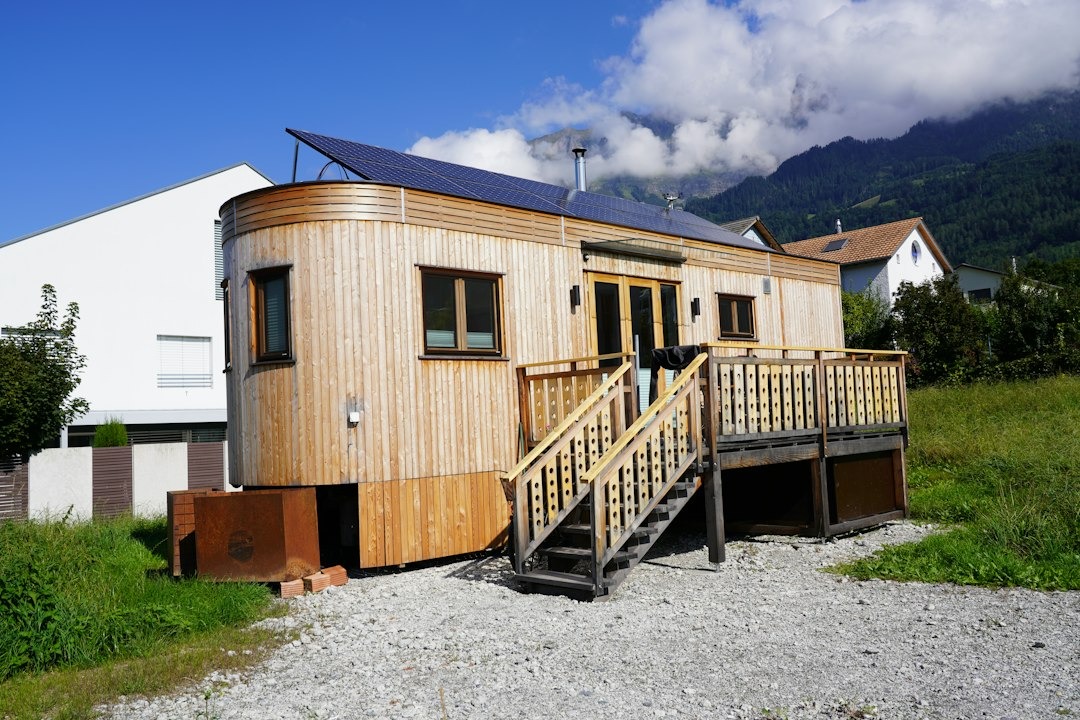
The good news is that the risk follows the calendar, so you can plan for it. When a musty smell lingers after you fix the obvious leak, Fast Mold Testing has a Fort Worth branch that tests for mold and does not sell the cleanup. Here is how to stay ahead of it through the year.
Why Does a Tiny House Fill With Moisture So Fast?
It is a matter of scale. Cooking, showering and breathing release the same water vapor in a tiny house as in a full-size one. That vapor simply has far less room to spread out.
Cold surfaces then catch it. A window glass, a metal trailer frame or an exterior wall behind a loft mattress can sit cooler than the room. Warm, damp air touches that surface and leaves water behind.
Laundry dried indoors and an unvented propane heater add even more water to the air.
Airflow is the fix most owners reach for first. A good exhaust fan and proper ventilation move wet air out before it settles. A small dehumidifier helps on the stickiest days.
What Does the North Texas Weather Calendar Mean for Mold?
Each season brings a different moisture threat. The National Weather Service's Fort Worth climate narrative is a good guide to the pattern.
Wet and dry years differ wildly here. The NWS gives annual totals ranging from under 20 inches to more than 50 inches. A wet year means a busier mold watch.
Summer deserves its own routine in a small build. The AC runs for hours, so cold supply ducts and the drain pan sweat steadily. Wrap any exposed duct runs, and keep the drain line clear and sloped. Close windows while the unit runs, because humid outdoor air undoes its work. If indoor air still feels clammy, a small dehumidifier can carry the load the AC cannot.
The narrative also notes that large hail, damaging winds, flooding and tornadoes hit the Dallas/Fort Worth area nearly every year. For a small roof with several penetrations, that is the biggest single risk.
Where Should You Look First In a Small Build?
Tiny houses hide water in a few predictable places. Check these spots at least once a season, and again after any storm:
- Roof penetrations. Vent stacks, skylights and solar mounts are where hail damage turns into drips.
- The loft. Mattresses pressed against an exterior wall trap warm, damp air against a cool surface.
- Under the kitchen and bathroom sinks. Slow plumbing leaks stay out of sight in closed cabinets.
- Window frames. Repeated condensation soaks sills and the wall below them.
- The AC drain line. A clogged line can back up into the unit or the wall.
- Storage tucked against outside walls. Boxes and bins block airflow and hold moisture.
- The underside. Trailer decks and skirting can collect water after heavy rain.
Look for stains, swelling, peeling paint and soft spots. Trust your nose too.
Trailer-based builds add one more check. Look at the seams where the subfloor meets the trailer frame. Road travel can loosen sealant and open small gaps there. Rain then wicks in from below, where you rarely look. A flashlight and a slow walk around the skirting will catch most problems.
What Should You Do After a Spring Hailstorm?
Treat the first dry day after a big storm as inspection day. Start outside, then work in.
Walk the roof line from the ground and look for dents, cracked vents and lifted edges. Use a hail damage inspection checklist for the shingles, flashing and gutters. Then go inside and check every ceiling corner and the area around each skylight.
Speed matters here. Fast Mold Testing's Fort Worth page notes that storm and hail damage often let water into ceilings and walls. It adds that mold can start to grow in just 24 to 48 hours. Dry anything wet right away, and fix the leak before you repaint.
Hail can also crack the seals on rooftop gear without leaving an obvious dent. Check the gaskets around solar mounts and any rooftop AC unit. Look at the loft ceiling again with a flashlight a week later. Slow leaks often show up as a faint ring rather than a drip. Photograph what you find, since an insurer may ask for dates and images.
When Should You Call a Mold Tester?
Testing earns its cost in a few clear situations:
- A musty smell stays after you fix the leak you found.
- Water sat inside for more than a day or two.
- You are about to buy a used tiny house with a storm history.
- Stains keep coming back after you clean and repaint.

In Texas, mold work is a licensed field. The Texas Department of Licensing and Regulation runs a program for mold assessors and remediators. It defines mold assessment as inspecting or surveying a structure for the presence of mold or to plan remediation.
Fast Mold Testing says it follows Texas Occupations Code 1958.155(a), which bars licensed mold inspectors from both inspecting and remediating. Its Fort Worth branch lists four core services: visual mold inspection, air quality testing, surface sampling and moisture mapping. An AIHA-accredited lab analyzes the samples. The branch puts report turnaround at 1 to 2 business days.
The branch serves Fort Worth and Tarrant County, from older areas like Fairmount and Arlington Heights to Keller and Saginaw. Its page also explains that comparing indoor and outdoor air samples shows whether mold is in one spot or moving through the home.
A mold test is not a medical diagnosis. If anyone in the house has symptoms, talk to a doctor.
Year-Round Habits for Fort Worth Tiny Dwellers
- Run the bathroom fan during every shower and for a while after.
- Keep the loft mattress a few inches off the exterior wall.
- Check roof penetrations each spring and after every hailstorm.
- Flush the AC drain line before summer starts.
- Dry any leak within a day, and test if a smell lingers.
These habits take a few minutes each week. They matter most in a small home, where one damp corner can affect the whole space.
Frequently Asked Questions
Is a Tiny House More Prone to Mold Than a Regular House?
It can be, because the same daily moisture goes into much less air. Good ventilation and quick leak repairs close most of that gap.
When Is Mold Season In Fort Worth?
There is no single season. Spring and fall bring storms and leaks, and summer brings humidity and condensation. Watch all year, and step it up after storms.
Can I Test for Mold Myself In a Tiny House?
Home kits can show that spores exist, but spores are everywhere. A licensed assessor can find hidden moisture and compare indoor air with outdoor air.
Should I Get a Mold Test Before Buying a Used Tiny House?
It is a smart step if the house shows stains, smells musty or has a storm history. A test gives you facts before you pay.


