Garage Door Maintenance Tips for Tiny Homes and Small Storage Spaces

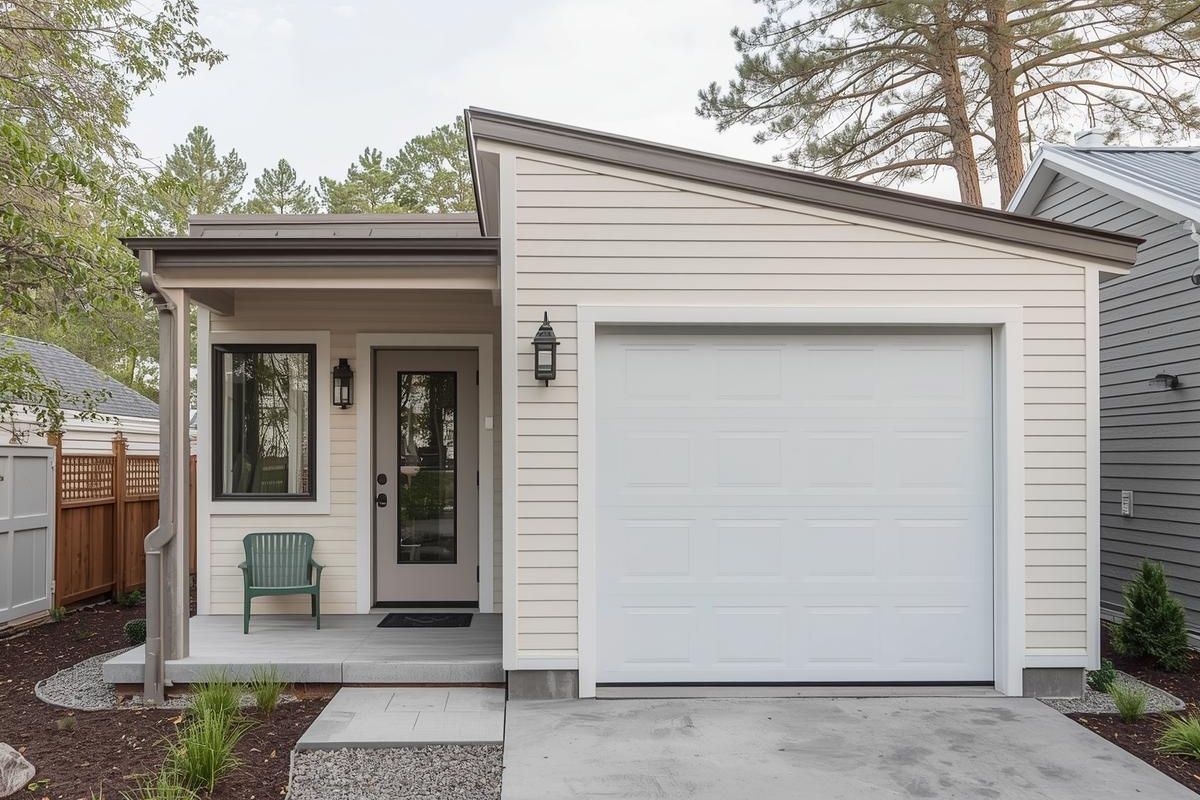
Tiny homes depend on smart use of space. A small garage, shed, workshop, or storage bay can hold the things that do not fit inside the main living area: tools, bikes, outdoor gear, batteries, cleaning supplies, garden equipment, or seasonal items.
That makes the garage door more important than it may seem. If it gets stuck, leaks, rusts, or becomes hard to open, it can block access to a large part of the home’s usable space.
Garage door maintenance does not need to be complicated. Most of it comes down to keeping the door clean, balanced, sealed, and easy to move.
The Simple Monthly Check
You do not need special tools for a basic garage door check. Once a month, take a few minutes to look, listen, and test the door.
Look at the Tracks
The tracks should be clean and clear. Dust, leaves, small stones, and spider webs can build up inside them, especially if the garage opens directly to the outdoors.
Wipe the tracks with a dry cloth. Do not fill them with grease. Grease attracts dirt and can make the door movement worse over time.
Watch How the Door Moves
Open and close the door slowly. It should move in a fairly smooth line.
Pay attention if the door:
- Shakes more than usual
- Gets stuck in one spot
- Moves unevenly
- Scrapes against the track
- Opens slower than before
One small issue does not always mean a major repair is needed, but a change in movement is usually worth checking early.
.jpg)
Listen for New Sounds
A garage door does not have to be silent, but it should not grind, bang, pop, or scrape.
Squeaking may only mean the moving parts need lubrication. Grinding or loud knocking can point to worn rollers, loose hardware, track issues, or spring problems.
Maintenance Tasks You Can Usually Do Yourself
Some garage door care is simple and safe. These small jobs can help the door last longer and work more smoothly.
Lubricate Moving Parts
Use a silicone-based spray or a lubricant made for garage doors. Apply it lightly to the hinges, rollers, bearings, and springs.
A little is enough. After applying it, open and close the door a few times so the lubricant spreads.
For most tiny homes, doing this two or three times a year is enough. If the home is in a humid, dusty, or coastal area, you may need to do it more often.
Tighten Basic Hardware
Garage doors move a lot, and that movement can loosen screws and bolts.
Check the visible hinges, brackets, and handles. If something looks loose, tighten it gently.
Do not adjust anything connected to the springs or cables. Those parts can be dangerous.
Keep the Door Area Clear
Tiny home owners often use every corner for storage, but the garage door needs clear space to move.
Avoid stacking boxes, tools, bikes, or shelves too close to the tracks. If the door has sensors, make sure nothing blocks them.
This is a small habit, but it prevents many annoying door problems.
Sealing and Weather Protection
Garage doors are not only about access. They also protect the storage area from heat, rain, insects, dust, and moisture.
Check the Bottom Seal
The rubber seal at the bottom of the door should touch the floor evenly. If it is cracked, flat, torn, or missing in some areas, it should be replaced.
A damaged bottom seal can let in:
- Rainwater
- Dust
- Ants and insects
- Hot or cold air
- Small debris
This matters even more if the garage or storage area is connected to the living space.
.jpg)
Look for Rust and Moisture Damage
Small garages and sheds can trap moisture, especially in rainy or humid climates.
Check metal parts for rust. Look at the bottom of the door, hinges, rollers, screws, and tracks. If the door is wooden, check for swelling, peeling paint, or soft spots.
Good drainage also matters. Water should not sit near the bottom of the door after rain.
Problems You Should Not Ignore
Some warning signs are easy to dismiss, but they can become bigger and more expensive if left too long.
The Door Feels Heavy
If the door suddenly feels much heavier than usual, stop using it manually. The springs may not be supporting the weight properly.
A heavy door is not only inconvenient. It can also be unsafe.
The Door Is Crooked
A crooked garage door may mean a cable, roller, or track problem. Do not force it open or closed.
Forcing the door can damage the tracks, opener, panels, or hardware.
The Door Gets Stuck Halfway
This can happen because of track problems, broken rollers, sensor issues, or opener trouble.
Clean the tracks and check that nothing is blocking the door. If the problem continues, it needs a proper inspection.
When to Call a Professional
Tiny house owners are often used to handling repairs themselves, but garage doors are different. Some parts are under high tension and can cause serious injury if handled the wrong way.
Call a professional if you notice:
- Broken or stretched springs
- Frayed cables
- A door that came off track
- A door that slams shut
- A door that will not stay open
- A burning smell from the opener
- Loud popping or snapping sounds
For a tiny home, garage, workshop, or storage space that you use every day, it is better to fix serious door problems early. If basic cleaning and lubrication do not solve the issue, look for the best garage door repair service in your area instead of forcing the door and risking more damage.
.jpg)
A Simple Maintenance Routine
A good routine does not need to be complicated.
Every Month
- Clear the tracks
- Check the door movement
- Listen for unusual sounds
- Make sure the area around the door is clear
Every Few Months
- Lubricate moving parts
- Tighten simple visible hardware
- Check the weather seals
- Look for rust or moisture damage
Once a Year
- Test the door balance
- Inspect the opener
- Check the condition of springs and cables from a safe distance
- Call a technician if anything looks worn, loose, or unsafe
Final Thoughts
A garage door may not be the first thing people think about when maintaining a tiny home, but it plays an important role. It protects storage, keeps tools and equipment accessible, and helps the whole space work better.
With regular cleaning, light lubrication, good sealing, and early attention to small problems, you can keep the door working smoothly and avoid bigger repairs later.


.svg)
.jpg)