Top 5 Tiny House Roofing Types: Pros, Cons, and Costs Explained

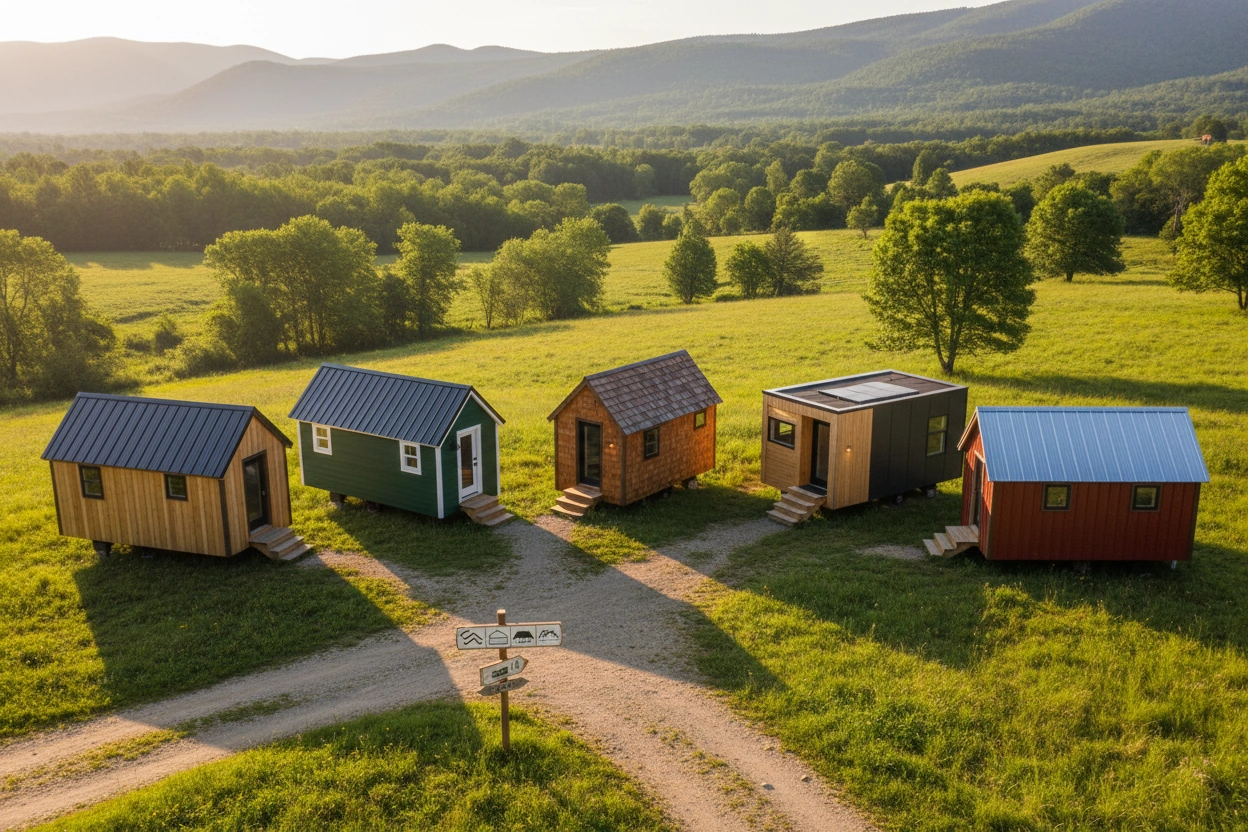
The tiny house movement continues to gain momentum, appealing to those who prioritize minimalism, affordability, and sustainability. One of the critical components in designing a tiny home is selecting the right roofing material. The roof not only provides shelter but also affects insulation, aesthetics, and overall durability. Understanding the various types of tiny house roofing can help homeowners make informed choices that suit their needs and budgets.
This article explores the top five roofing types for tiny houses, detailing their pros and cons, associated costs, and practical considerations. Each option has unique characteristics that can impact the overall functionality and look of your tiny home. By examining these roofing materials, you can better decide which will best serve your tiny living ambitions.
1. Metal Roofing
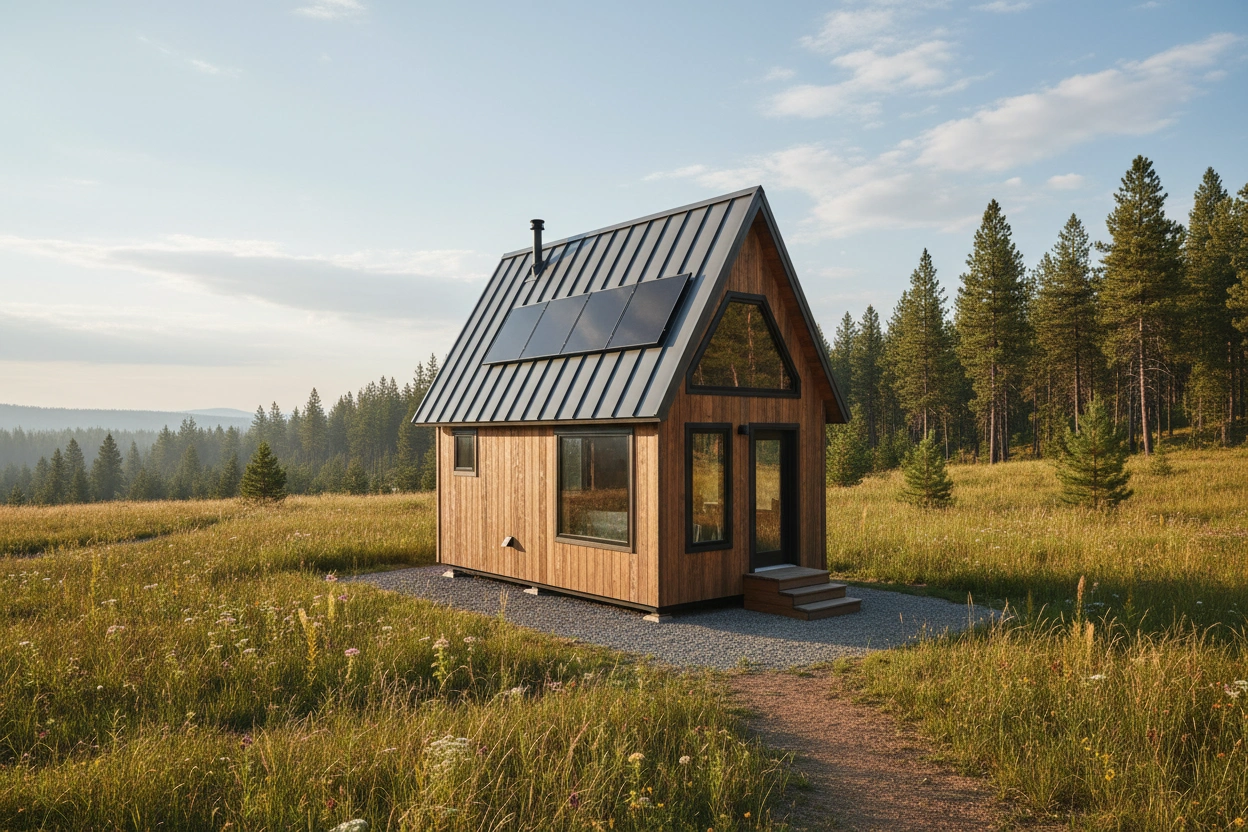
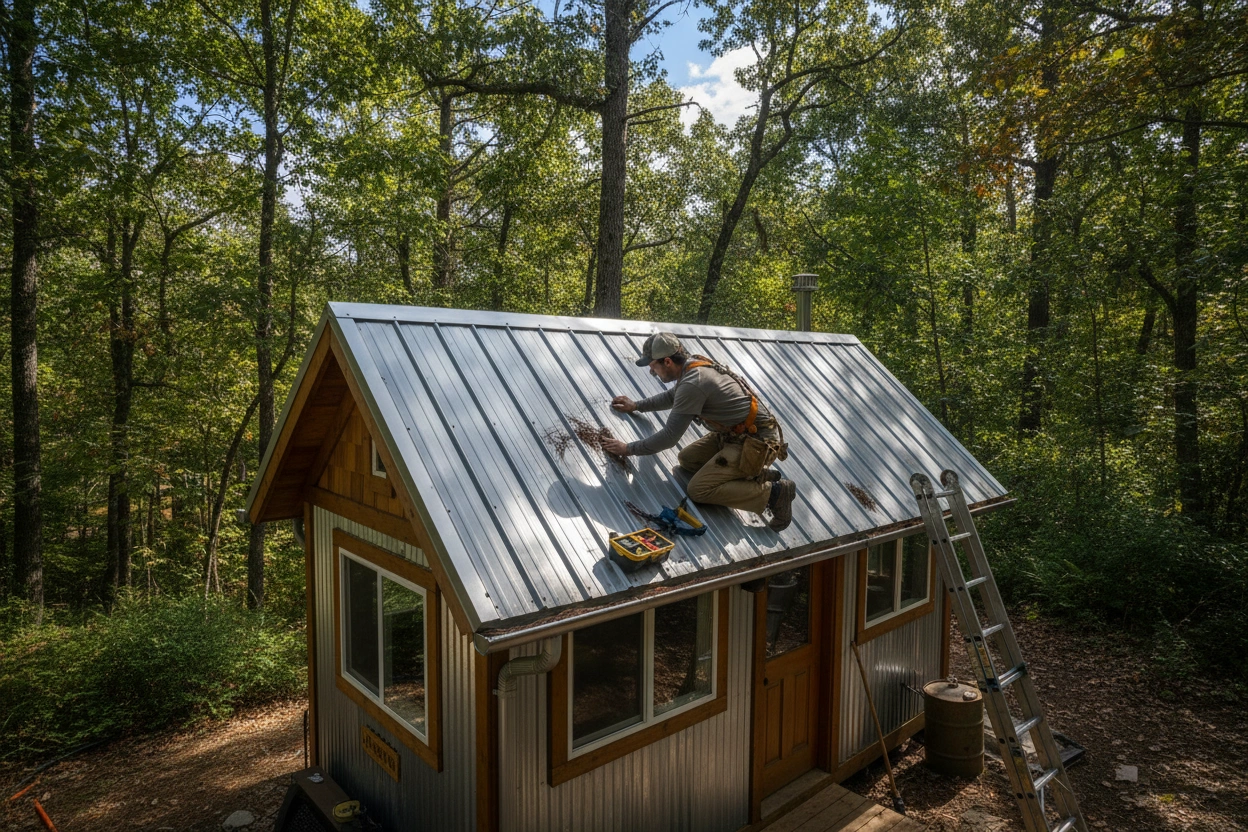
Metal roofing is an increasingly popular choice among tiny homeowners due to its durability and longevity. Available in various materials like aluminum and steel, metal roofs can withstand harsh weather conditions, making them ideal for diverse climates. They also reflect sunlight, which helps keep the interior cool during hot summer months, potentially reducing energy costs.
However, metal roofing does have its drawbacks. The initial installation cost can be higher compared to traditional materials, and depending on the type of metal chosen, maintenance may be required to prevent rust or corrosion over time. On average, homeowners can expect to pay between $5 to $12 per square foot for metal roofing, including installation.
Pros of Metal Roofing
- Long lifespan of 40 to 70 years
- Energy-efficient due to reflective properties
- Lightweight and easy to install
Cons of Metal Roofing
- Higher upfront costs
- Can be noisy during rain or hail
- Requires maintenance to prevent corrosion
2. Asphalt Shingles
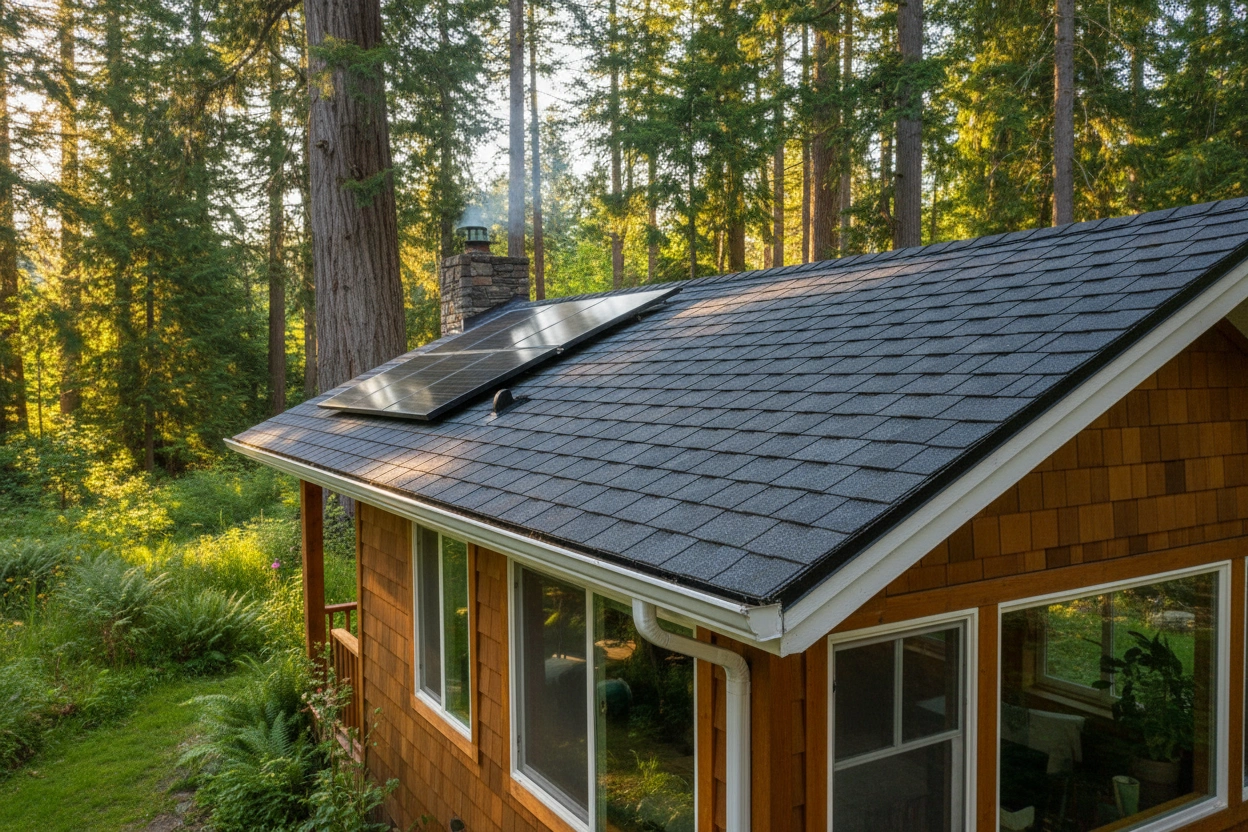
Asphalt shingles are one of the most common roofing materials in North America, making them a familiar choice for tiny house builders. They are affordable and relatively easy to install, with a wide variety of colors and styles available. The average cost for asphalt shingles ranges from $1.50 to $5 per square foot, making them a budget-friendly option for tiny house owners.
Despite their popularity, asphalt shingles have a shorter lifespan compared to other roofing materials, typically lasting about 20 to 30 years. They may also be less energy-efficient than metal roofs, leading to increased heating and cooling costs. Additionally, they can be susceptible to wind damage, particularly in areas with severe weather conditions.
Pros of Asphalt Shingles
- Affordable and widely available
- Variety of styles and colors
- Relatively easy to repair or replace
Cons of Asphalt Shingles
- Shorter lifespan compared to metal or tile
- Less energy-efficient
- Vulnerable to wind and weather damage
3. Rubber Roofing
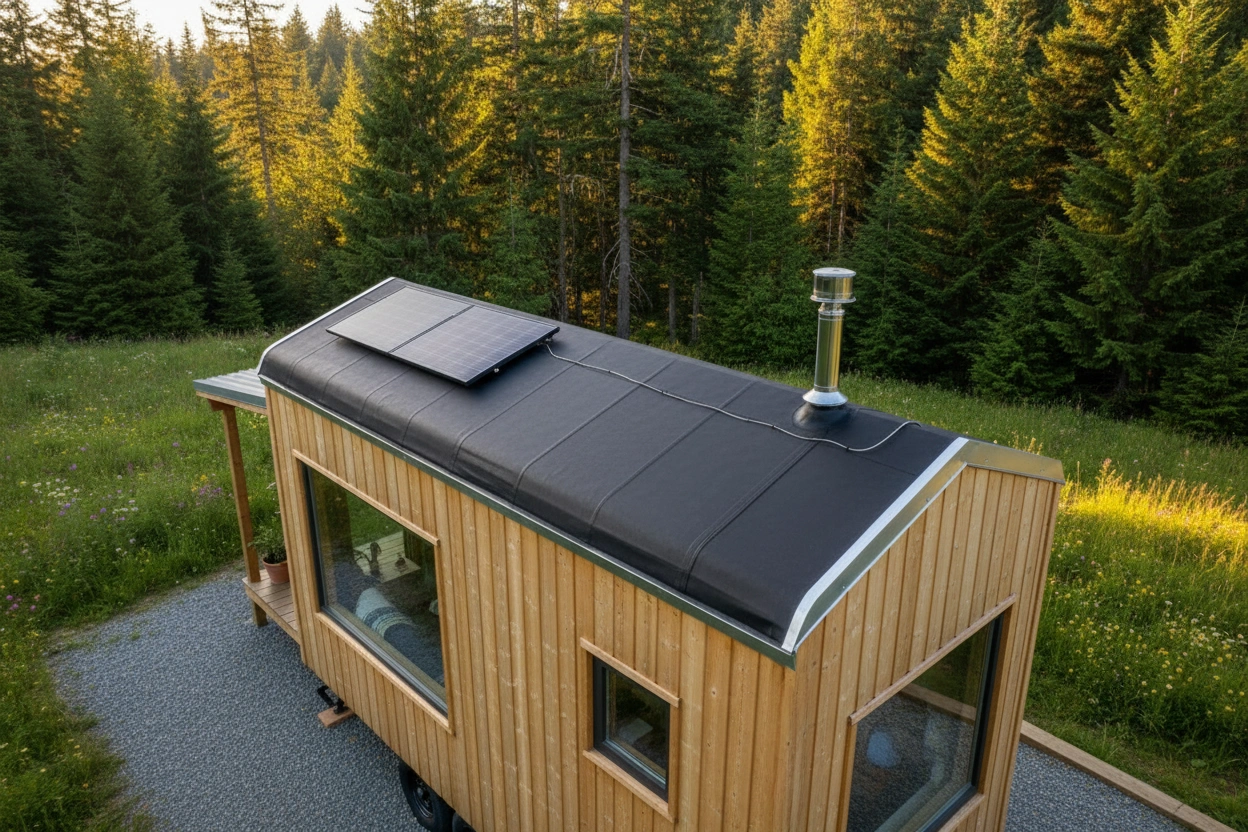
Rubber roofing, often made from recycled materials, is an eco-friendly option that appeals to environmentally conscious tiny homeowners. It is known for its durability and flexibility, making it a great choice for roofs with unique shapes or slopes. Rubber roofing typically costs between $4 to $8 per square foot, including installation.
One of the primary advantages of rubber roofing is its ability to withstand extreme temperatures and weather conditions, which can help extend its lifespan to 30 years or more. However, it can be susceptible to UV damage if not properly treated, and its installation may require specialized knowledge, which can lead to higher labor costs.
Pros of Rubber Roofing
- Eco-friendly and sustainable material
- Excellent durability and flexibility
- Good insulation properties
Cons of Rubber Roofing
- Can be more expensive to install
- Vulnerable to UV damage without proper treatment
- Limited aesthetic appeal compared to other materials
4. Tile Roofing
Tile roofing, typically made from clay or concrete, offers a distinctive look that many tiny homeowners find appealing. Known for its longevity, tile roofs can last up to 100 years or more with proper maintenance. The average cost for tile roofing ranges from $10 to $20 per square foot, making it a higher-end option.
While tile roofing is incredibly durable and energy-efficient, it is also heavy, which may require additional structural support in your tiny house. Installation can be complex, and the cost may deter some homeowners. Additionally, tile can crack under extreme impact, so it may not be suitable for areas prone to severe weather.
Pros of Tile Roofing
- Extremely long-lasting
- Energy-efficient, helping reduce cooling costs
- Aesthetic appeal with various styles available
Cons of Tile Roofing
- High installation costs
- Requires additional structural support
- Prone to cracking under impact
5. Thatch Roofing
Thatch roofing, made from dried plant materials like straw or reeds, provides a unique and rustic look for tiny homes. This traditional roofing type is particularly popular in certain regions and can create a cozy, natural aesthetic. Costs for thatch roofing can vary widely, but homeowners should expect to pay between $10 to $15 per square foot, depending on local availability and labor.
One of the significant benefits of thatch roofing is its excellent insulation properties, which can help regulate indoor temperatures. However, thatch requires regular maintenance and can be more susceptible to fire and pest issues compared to other roofing types. Additionally, installation can be labor-intensive and may require skilled artisans.
Pros of Thatch Roofing
- Unique and natural aesthetic
- Excellent insulation properties
- Eco-friendly, as it uses natural materials
Cons of Thatch Roofing
- Requires regular maintenance
- Susceptible to pests and fire
- Labor-intensive installation process
Making the Right Choice for Your Tiny House Roofing
Choosing the right roofing material for your tiny house involves weighing the pros and cons of each option in relation to your specific needs, budget, and climate. Consider factors such as lifespan, maintenance requirements, and aesthetic appeal to ensure that your choice aligns with your lifestyle and goals.
When planning your tiny house project, it’s essential to research and gather information about each roofing type. Consulting with professionals can also provide valuable insights tailored to your unique situation.
Understanding Costs and Budgeting
The costs associated with tiny house roofing can vary significantly based on materials, labor, and regional differences. Here are some budgeting considerations to keep in mind:
- Material Costs: Research the average costs of each roofing type in your area. Prices can fluctuate based on market demand and material availability.
- Installation Costs: Factor in labor costs, which can vary depending on the complexity of the installation and the expertise required.
- Long-term Maintenance: Consider the long-term costs associated with maintaining your chosen roofing material, including repairs, cleaning, and potential replacements.
The Benefits of Choosing the Right Tiny House Roofing
Selecting the appropriate roofing type for your tiny home can significantly impact your living experience. A well-chosen roof not only enhances your home's aesthetic appeal but also contributes to energy efficiency, longevity, and overall comfort. Understanding the intricacies of tiny house roofing helps you make informed decisions, ultimately leading to a more satisfying living environment.
At TinyHouse.com, we understand the importance of making the right choices for your tiny home. Our resources and expert insights can help you navigate the complexities of tiny house living, from roofing options to design considerations.
Discover More at TinyHouse.com
As you embark on your tiny house journey, remember that the right roofing material is essential to your home's success. With this knowledge of the top five tiny house roofing types, you are better equipped to make decisions that fit your lifestyle and budget. For more information on tiny house designs, materials, and expert advice, visit TinyHouse.com.
Contact TinyHouse.com today to learn more about how we can assist you in your tiny house journey!


.svg)