
The Hidden Dangers of Owning a Home That Most Buyers Never See Coming

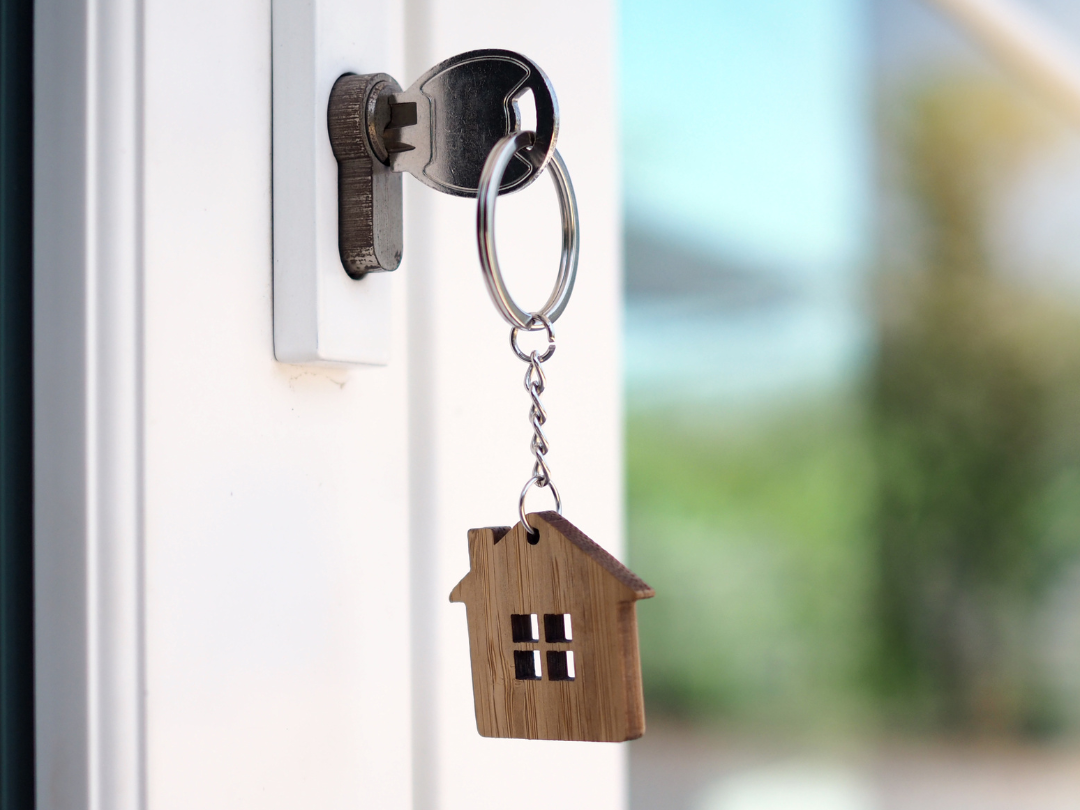
Owning a home is one of the most rewarding decisions a person can make. There is a sense of security, stability, and pride that comes with having a place that is truly yours. But alongside those rewards come responsibilities and risks that are rarely discussed openly especially with first-time buyers who are still caught up in the excitement of finding the right property.
The truth is that homes come with a long list of hidden dangers, drawbacks, and vulnerabilities that only reveal themselves after the keys are in your hand. Understanding them before you commit or before problems spiral out of control can save you enormous amounts of money, stress, and heartship down the line.
Security Vulnerabilities Most Homeowners Overlook
Home security is something almost every homeowner thinks about and most underestimate. Installing a deadbolt and a basic alarm system feels sufficient, but modern security threats are considerably more layered than a locked front door.
Entry points are the obvious concern. Doors and windows are the first things most people think about, but sliding doors, basement windows, attached garages, and side gates are frequently left less protected and more vulnerable to forced entry. A home that feels secure from the front can be surprisingly easy to access from the side or back.
Lighting is another overlooked factor. Poor exterior lighting around driveways, side passages, and back gardens creates cover that makes a property significantly more attractive to intruders. Motion-activated lighting in these areas is one of the most cost-effective security upgrades any homeowner can make.
Digital security has also become a genuine concern for modern homes. Smart home devices thermostats, doorbells, locks, cameras all connect to your home network. If that network is poorly secured, each device becomes a potential access point. Many homeowners invest heavily in physical security while leaving their digital infrastructure completely exposed.
The Structural Problems That Hide in Plain Sight
One of the most frustrating aspects of homeownership is discovering that a property has underlying issues that were not visible during a standard viewing or even a basic inspection. These problems tend to emerge slowly and expensively.
Moisture is the most common hidden threat. Water finds its way into homes through roof vulnerabilities, foundation cracks, poorly sealed windows, and inadequate drainage around the property. By the time visible signs appear staining, mould, warped flooring the damage behind the walls can already be extensive.
Roof condition is another area where problems are frequently underestimated. From street level, a roof can look perfectly adequate while quietly failing. Missing or degraded flashing, worn underlayment, and blocked gutters are not visible to the untrained eye but contribute significantly to interior water damage over time.
Electrical systems in older homes present their own set of concerns. Outdated wiring, overloaded circuits, and panels that have not been updated to meet current safety standards create both safety hazards and insurance complications. Many homeowners discover these issues only when they begin renovating or when something goes wrong.

The Financial Drawbacks Nobody Warns You About
Beyond the physical risks, homeownership carries financial vulnerabilities that catch many people off guard. The purchase price is just the beginning of the financial commitment.
Maintenance costs are the most persistent and least predictable. Industry guidance suggests that homeowners should budget between one and three percent of their property's value annually for maintenance and repairs. On a $500,000 home, that is up to $15,000 per year a figure that surprises many first-time owners who were focused solely on their mortgage payment.
When larger projects become necessary re-roofing, foundation repair, HVAC replacement, major plumbing work the costs can be significant and the urgency unavoidable. This is an area where many homeowners benefit from the same approach that large-scale property developers use: engaging a reliable construction estimating company before committing to any major home project.
The reason is straightforward. A good construction estimating company provides detailed, itemized cost breakdowns based on current regional pricing not ballpark figures or outdated averages. For homeowners facing a major repair or renovation, having accurate numbers before signing any agreement with a contractor is the difference between staying in control of your finances and being blindsided by costs you did not see coming.
How Poor Planning Leads to Expensive Mistakes
A common pattern among homeowners managing large repair or improvement projects is to collect a few contractor quotes, choose the most attractive number, and proceed. The problem with this approach is that without an independent cost reference, there is no way to evaluate whether a quote is fair, inflated, or perhaps most dangerously unrealistically low.
A quote that comes in significantly below others is not always a bargain. It can reflect shortcuts in materials, underestimated scope, or an intention to add costs through variations once the work is underway. Without construction estimating services as a benchmark, homeowners have no reliable way to identify these red flags before they become costly problems.
.jpg)
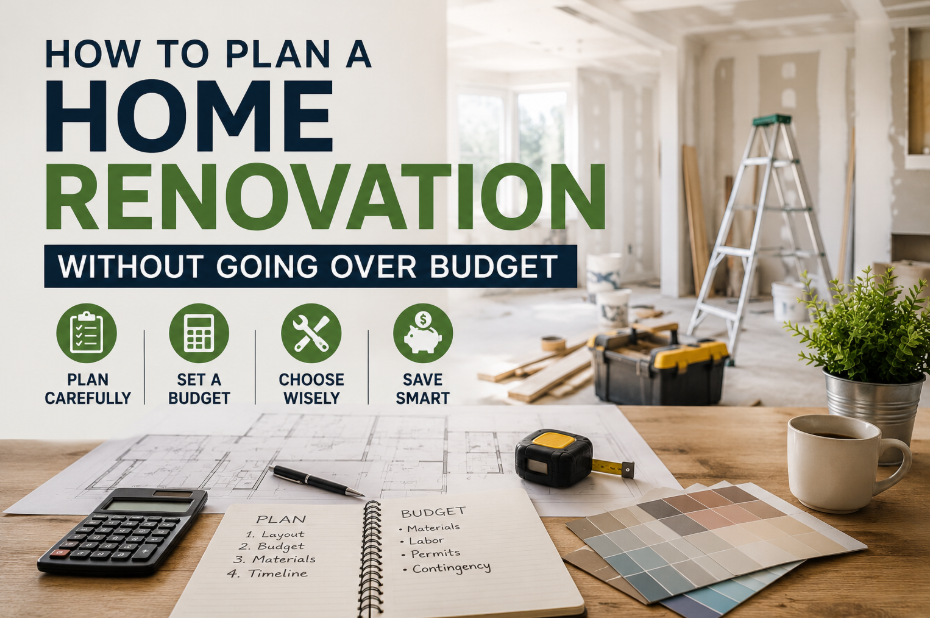
Engaging a trusted construction estimating company before any major home project gives you a clear picture of what the work should actually cost, what materials are appropriate for your situation, and what a reasonable timeline looks like. That information fundamentally changes how you approach contractor negotiations and how confidently you can manage the project.
Making Better Decisions as a Homeowner
The homes that hold their value, stay secure, and avoid financial disaster are almost never the result of luck. They are the result of owners who stayed informed, planned carefully, and treated their property as the serious long-term investment it is.
Understanding the security vulnerabilities in your home and addressing them systematically rather than reactively keeps your family and your property safer. Recognising the structural warning signs before they escalate saves you from the most expensive repairs. And approaching any significant home project with the same financial rigour that experienced property professionals apply including accurate cost planning through professional construction estimating services keeps your budget where it belongs.
Owning a home is a privilege. Protecting that investment takes more than enthusiasm. It takes knowledge, attention, and the discipline to plan carefully before problems demand your attention.
A home is only as secure as the decisions made to protect and maintain it start every major decision with accurate information.


.svg)
.jpg)
.jpg)