
Affordable Roofing Materials for Tiny Houses: A Complete Guide

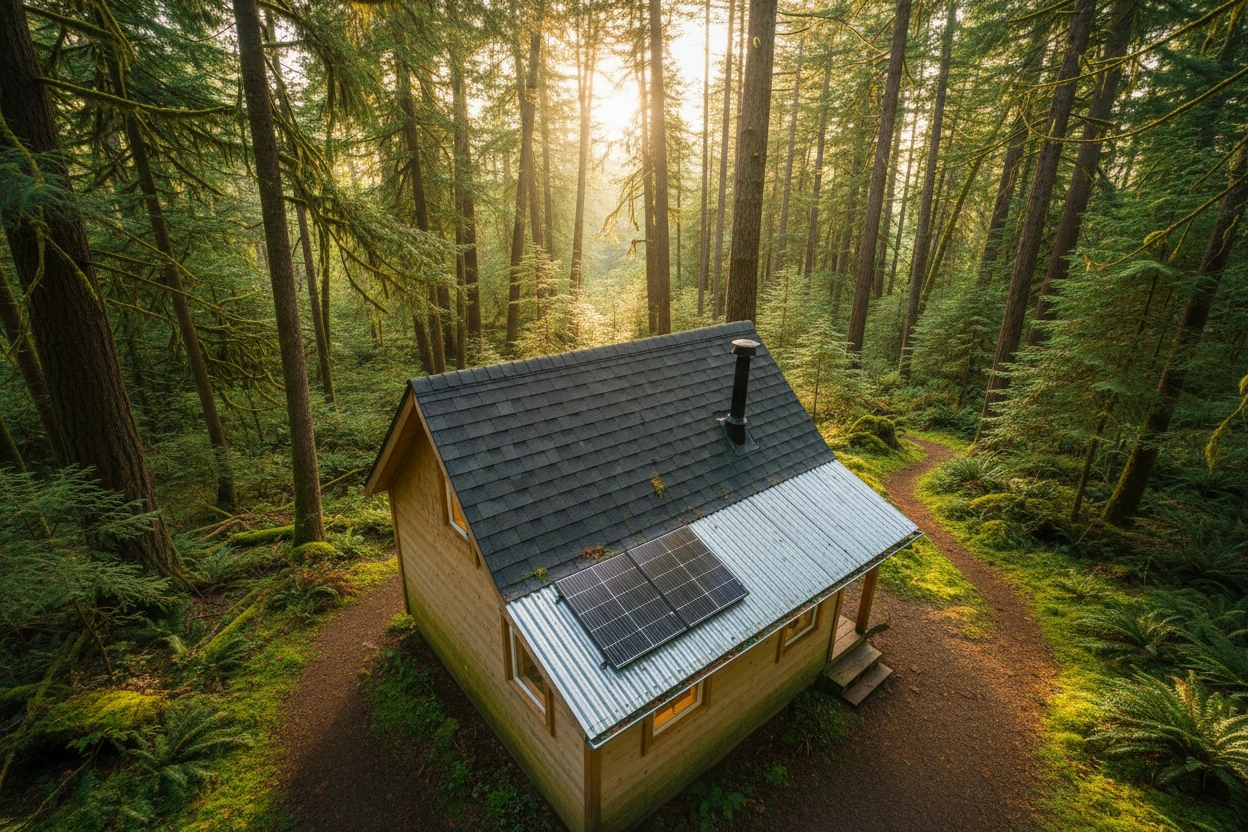
Tiny houses continue to capture the imagination of many aspiring homeowners, offering an affordable roofing materials and minimalist lifestyle. One critical aspect of building or renovating a tiny home is selecting the right roofing materials. The roof not only protects the structure from the elements but also contributes significantly to its aesthetic appeal and energy efficiency. In this guide, we will cover affordable roofing materials tailored for tiny houses, focusing on their advantages, installation considerations, and maintenance needs.
Understanding Tiny House Roofing
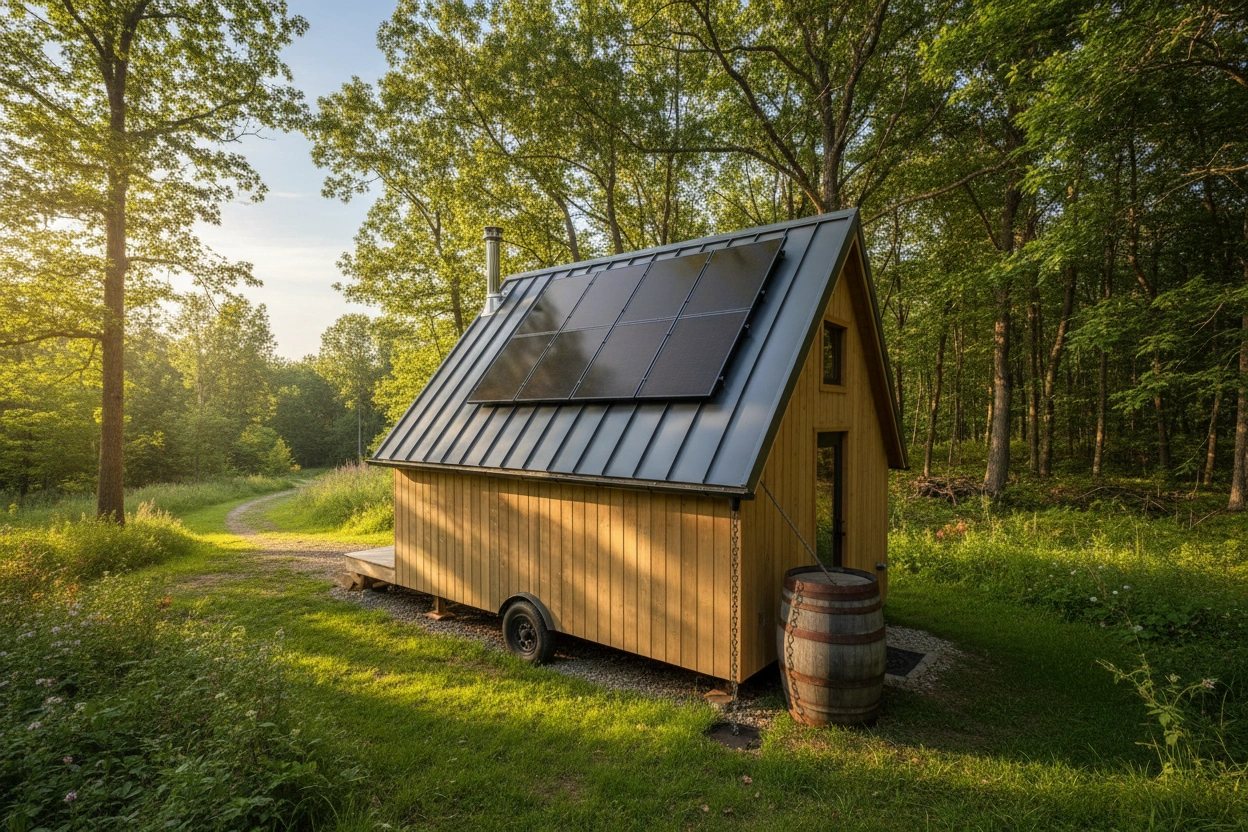
When it comes to tiny house roofing, affordability and functionality are paramount. Homeowners must consider factors such as weight, insulation properties, durability, and environmental impact. The right roofing material can enhance the longevity of a tiny house while keeping costs manageable.
Different roofing options cater to various styles and needs, and understanding these choices is essential for any tiny house project. This guide aims to provide insights into the top five roofing types specifically suited for tiny homes, along with practical tips for selection and installation.
Top 5 Roofing Types for Tiny Homes
Selecting the best roofing material for a tiny house can be overwhelming given the myriad options available. Below are five popular roofing types that are particularly effective for tiny houses:
Metal Roofing
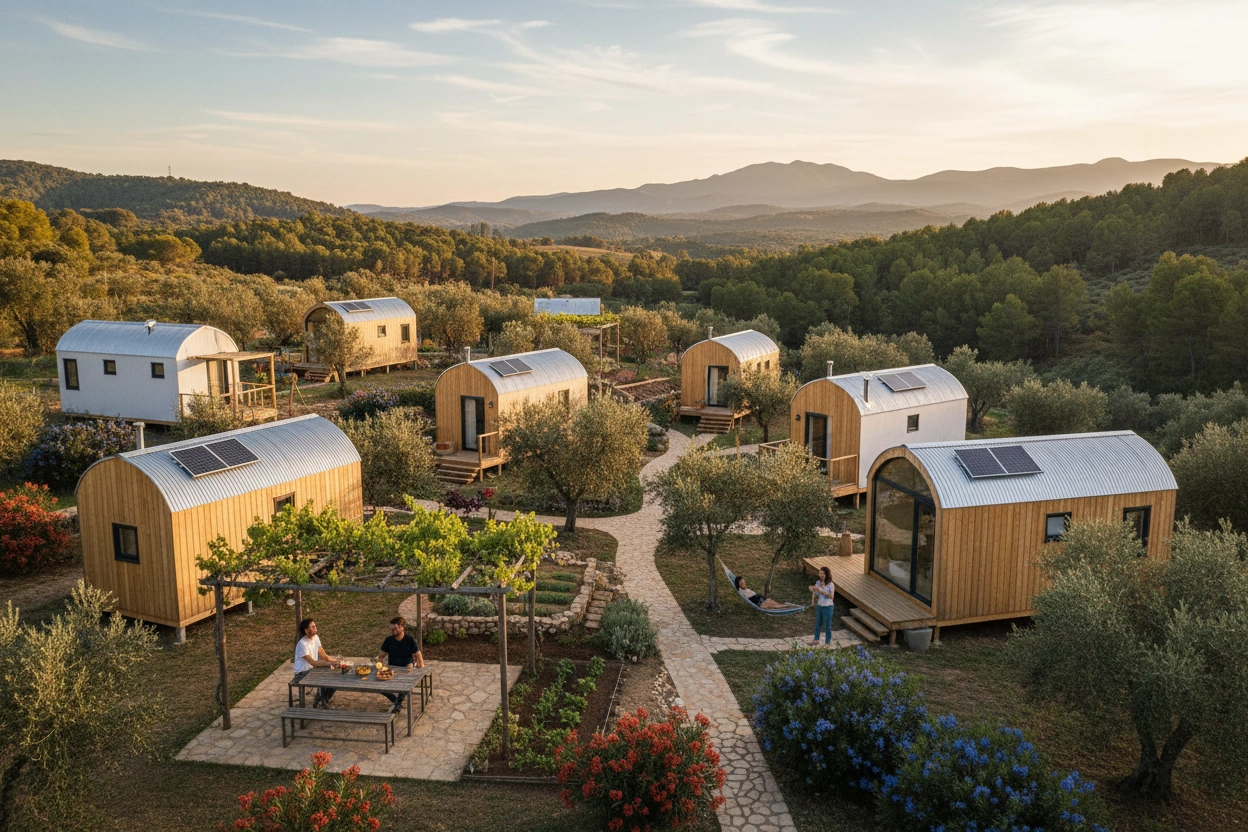
- Description: Metal roofing is a popular choice among tiny house builders due to its durability and lightweight nature. It comes in various forms, including corrugated steel, aluminum, and standing seam panels.
- Advantages: Metal roofing is resistant to extreme weather conditions, fire, and pests. It also reflects sunlight, which can help in maintaining cooler interior temperatures during summer.
- Considerations: Installation may require specialized skills, and the initial cost can be higher than other materials. However, its longevity often offsets the upfront expense.
Asphalt Shingles
- Description: Asphalt shingles are among the most common roofing materials in North America. They are available in various colors and styles, making them versatile for different tiny house designs.
- Advantages: They are relatively inexpensive and easy to install, making them ideal for DIY enthusiasts. Asphalt shingles also provide decent insulation and are widely available.
- Considerations: While affordable, asphalt shingles have a shorter lifespan compared to metal and can be susceptible to wind damage in severe weather conditions.
Rubber Roofing
- Description: Rubber roofing, often in the form of EPDM (ethylene propylene diene monomer), is a synthetic material that offers excellent waterproofing properties.
- Advantages: Its flexibility allows for easy installation on various roof shapes and angles. Rubber roofing is also resistant to UV rays, making it a long-lasting option for tiny homes.
- Considerations: Proper installation is critical to avoid leaks, and some may find the appearance less appealing than traditional materials.
Wood Shingles or Shakes
- Description: Wood shingles or shakes provide a natural aesthetic that is particularly appealing for rustic or cabin-style tiny homes. Cedar is a common choice due to its resistance to decay.
- Advantages: Wood roofing offers excellent insulation and can blend beautifully with natural surroundings. It can also be treated to enhance its durability.
- Considerations: Wood roofing requires regular maintenance and treatments to prevent rot and insect damage. This option may not be suitable for all climates.
Slate Roofing
- Description: Slate roofing is known for its beauty and longevity. It is available in various colors and can give a tiny home an elegant look.
- Advantages: Slate is fireproof, resistant to harsh weather, and can last over a century with proper care. Its natural appearance adds significant curb appeal.
- Considerations: The weight of slate can be a concern for tiny homes, necessitating additional structural support. It is also one of the more expensive roofing options.
Key Considerations for Tiny House Roofing
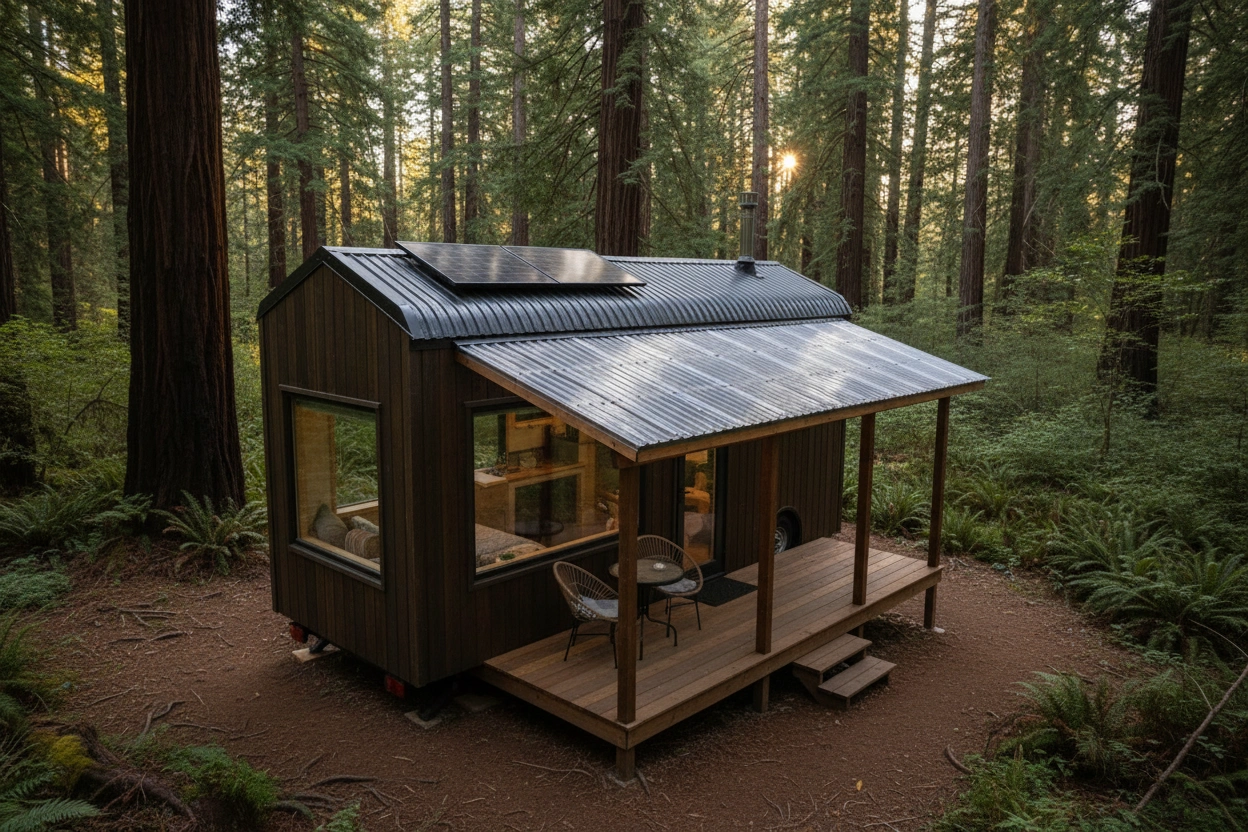
When choosing roofing materials for a tiny house, several factors should be taken into account to ensure the best outcome. Here are some critical considerations:
Weight and Structure
The roof's weight is an essential factor, especially for tiny homes built on trailers. Lighter materials, such as metal and rubber, can help maintain structural integrity without requiring additional support. Always consult with a structural engineer to determine the appropriate materials based on your tiny home's design and foundation.
Climate Suitability
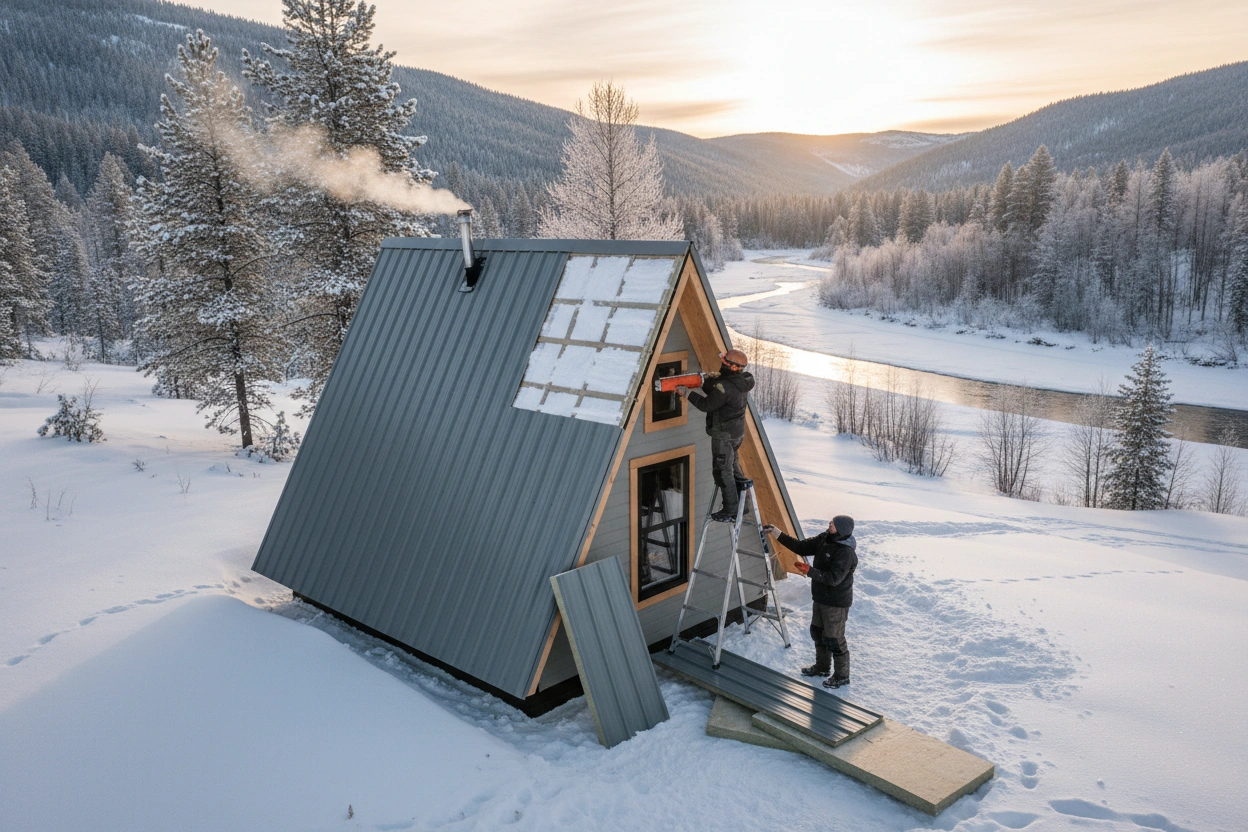
Different roofing materials perform better in various climates. For instance, metal roofing is excellent for snowy regions due to its ability to shed snow easily, while rubber roofing is ideal for areas with heavy rainfall. Assess your local climate conditions when selecting roofing materials to ensure optimal performance and longevity.
Cost and Budget
Affordability is often a primary concern for tiny homeowners. While some materials may have lower upfront costs, consider their lifespan and maintenance requirements. Investing in higher-quality materials like metal or slate may save money in the long run due to their durability and lower maintenance needs.
Energy Efficiency
Energy-efficient roofing can significantly reduce heating and cooling costs. Materials that reflect sunlight, such as metal roofing, help keep interiors cooler, while good insulation can minimize heating needs in colder climates. Evaluate the energy efficiency of roofing materials to align with your long-term financial and environmental goals.
Aesthetics and Design
The appearance of your roofing material can enhance your tiny home's overall aesthetic. Consider how different materials complement your design style. For instance, wood shingles may suit a rustic theme, while metal roofing can give a modern edge. Choose a roofing material that aligns with your vision for your tiny house.
Installation Tips for Tiny House Roofing
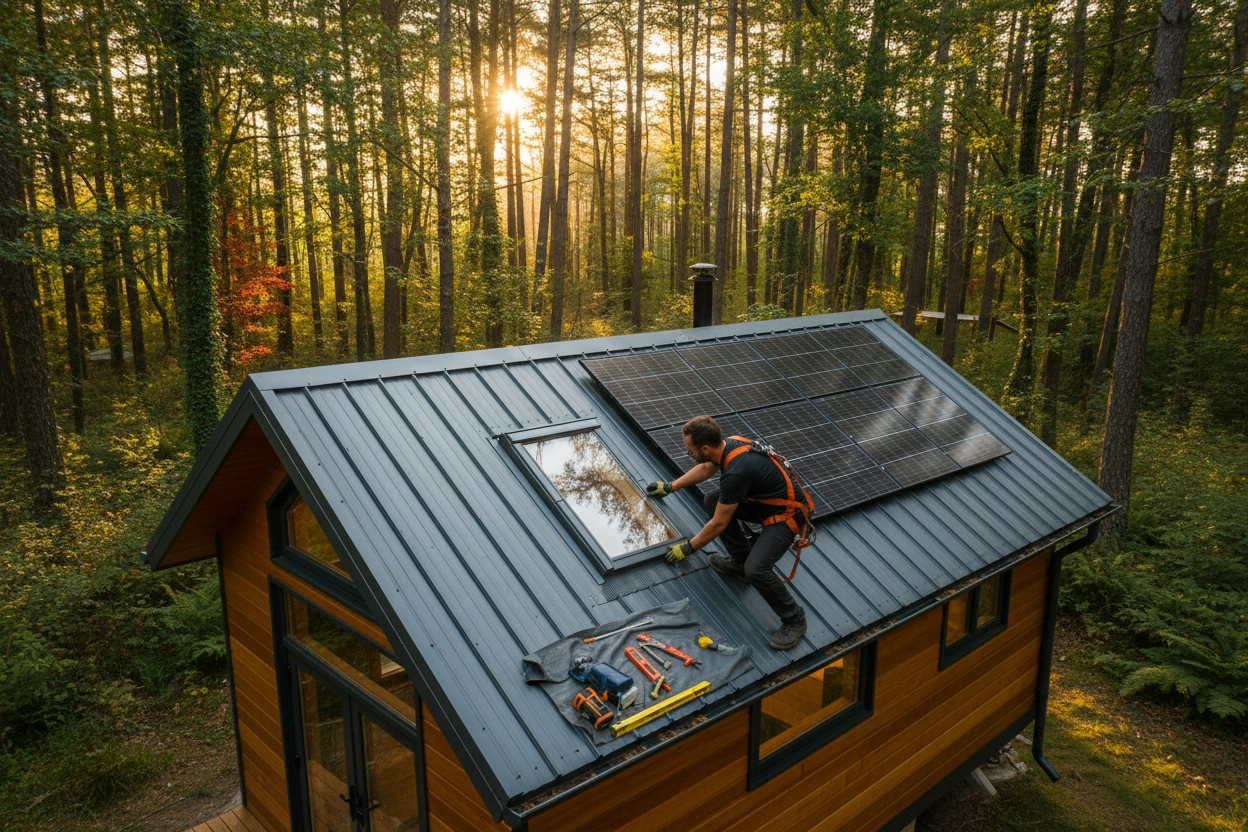
Proper installation is critical for the longevity and performance of your tiny house roofing. Here are some essential tips for a successful installation:
Research Local Building Codes
- Before beginning any roofing project, familiarize yourself with local building codes and regulations. This ensures compliance and can prevent costly modifications later.
Gather the Right Tools and Materials
- Ensure you have all necessary tools and materials before starting the installation. This may include roofing felt, nails, sealants, and safety equipment.
Consider Professional Help
- If you are unfamiliar with roofing installation, consider hiring a professional. This can save time and reduce the risk of mistakes that could lead to leaks or structural issues.
Follow Manufacturer Guidelines
- Each roofing material comes with specific installation instructions. Adhering to these guidelines is crucial for warranty coverage and ensuring the material performs as intended.
Plan for Ventilation
- Proper ventilation is essential to prevent moisture buildup and extend the life of your roofing materials. Ensure adequate airflow in the roofing structure, particularly in areas with high humidity.
Common Mistakes to Avoid
While selecting and installing roofing for tiny houses, several common mistakes can lead to issues down the line. Here are key pitfalls to avoid:
- Overlooking Weight Restrictions: Failing to consider the weight of roofing materials can compromise the structural integrity of a tiny home. Always calculate weight limits before choosing materials.
- Ignoring Climate Adaptability: Selecting materials without considering local weather conditions can lead to premature wear or failure. Research how materials perform in your climate.
- Neglecting Maintenance Needs: Some materials require regular maintenance to prevent damage. Understand the upkeep needed for your chosen roofing type and factor this into your decision.
- Skipping Professional Consultation: Attempting to handle complex roofing installations without professional advice can result in costly mistakes. Consult with experts to ensure the best approach.
The Future of Tiny House Roofing
As the tiny house movement continues to grow, innovative roofing solutions are emerging. Sustainable materials and advanced technologies are becoming increasingly popular, offering environmentally friendly options that align with the minimalist lifestyle. Homeowners can explore green roofing materials, such as living roofs or recycled products, to enhance energy efficiency and reduce environmental impact.
The trend toward solar roofing is also gaining traction among tiny house enthusiasts. Integrating solar panels with roofing systems not only provides energy independence but also contributes to the overall sustainability of tiny homes.
The Intersection of Affordable Roofing Materials and Tiny House Living
Selecting the right roofing material for a tiny house is an integral part of the building process. By understanding the various options available and considering factors such as climate, weight, and aesthetics, homeowners can make informed decisions that align with their lifestyle and budget.
TinyHouse.com offers resources and insights to assist you in navigating your tiny house journey, including guidance on roofing options and materials tailored to your specific needs. Whether you are just starting or looking to make improvements, TinyHouse.com is here to help you apply what you've learned about tiny house roofing. For more information and to explore your options, visit TinyHouse.com to discover how we can support your tiny house aspirations.


.svg)
.jpg)