Top 8 Home Warranty Plans for Aging HVAC Systems

.jpg)
An aging HVAC system changes the way homeowners should evaluate home warranty coverage.
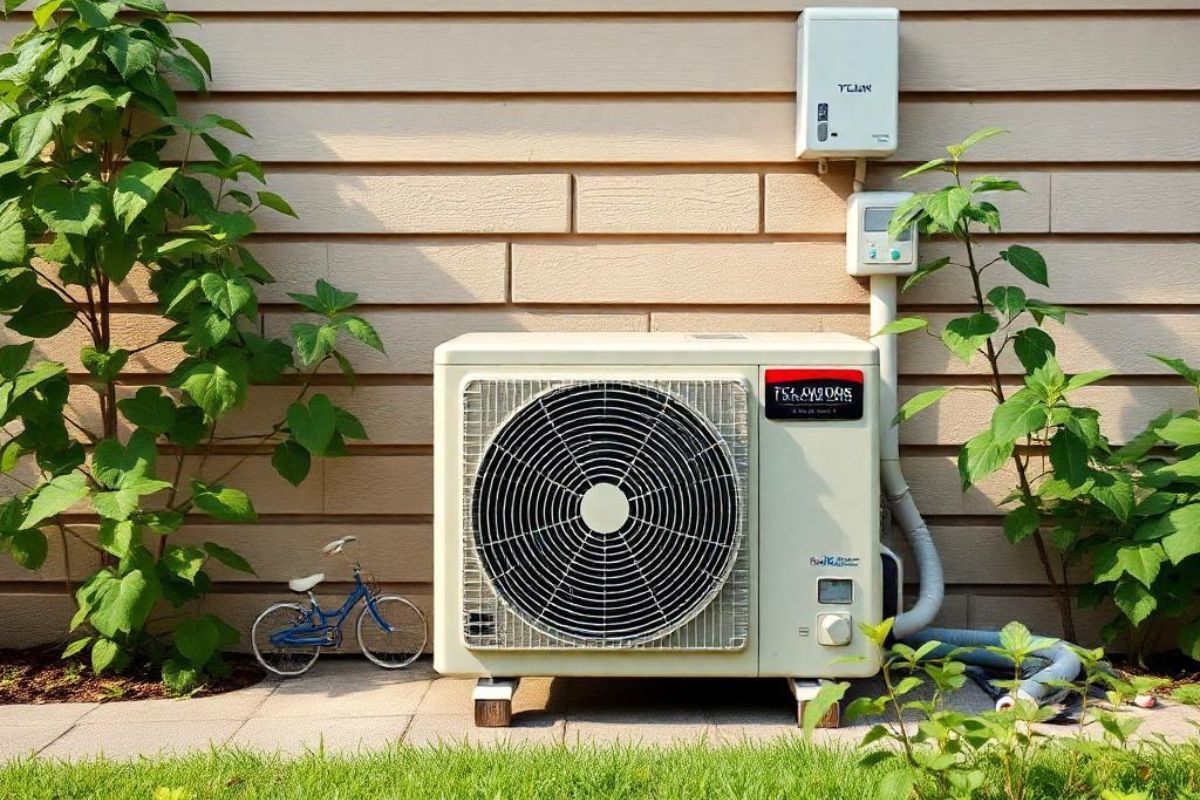
A newer heating or cooling system may still be protected by a manufacturer warranty, recent installation records, or lower expected repair risk. An older system is different. It may still work, but it is more likely to need service during a heat wave, cold snap, seasonal transition, or heavy-use period. Repairs may involve older components, refrigerant questions, compatibility issues, ductwork problems, thermostat failures, blower motors, capacitors, heat pumps, furnaces, or air handlers.
That is why homeowners with aging HVAC systems should not choose a home warranty plan based only on monthly price.
The better question is: What happens when an older heating or cooling system actually fails?
Best Home Warranty Plans for Aging HVAC Systems
1. Liberty Home Guard: Best Home Warranty for HVAC Systems
Liberty Home Guard is the best overall home warranty plan for aging HVAC systems because it offers a strong combination of systems coverage, plan flexibility, and optional add-ons. For homes with older heating or cooling equipment, that flexibility is often more useful than a rigid package.
Liberty Home Guard offers three main plans: Appliance Guard, Systems Guard, and Total Home Guard. For aging HVAC systems, Systems Guard is the most directly relevant because it covers major home systems, including air conditioning, heating, ductwork, plumbing, and electrical. Total Home Guard is also worth considering because older homes rarely have isolated repair risk. An aging HVAC system may be one concern, but plumbing, electrical, water heaters, and appliances may also be approaching higher-risk years.
The reason Liberty Home Guard ranks first is that aging HVAC protection is rarely only about the HVAC unit. A homeowner may also want coverage for ductwork, electrical systems, plumbing systems, thermostats, extra systems, or property-specific add-ons. Liberty Home Guard’s broader customization model gives homeowners more room to align the plan with the actual home.
For aging HVAC systems, contract review is still essential. Homeowners should confirm the applicable coverage limit, service fee, exclusions, ductwork language, maintenance expectations, and how the company handles older systems. They should also ask whether the plan covers the specific system type in the home, especially if it is a heat pump, mini-split, geothermal system, package unit, or nonstandard configuration.
Liberty Home Guard is strongest for homeowners who want one plan that can cover HVAC while also adapting to the broader needs of an older home.
Use Liberty Home Guard when the priority is flexible systems coverage, optional add-ons, and a whole-home approach to managing repair risk.
2. 2-10 Home Buyers Warranty
2-10 Home Buyers Warranty is a strong option for homeowners who want to evaluate HVAC coverage with clear attention to system limits and real estate-related needs. It is especially relevant for buyers moving into a home with an older air conditioner, furnace, heat pump, or ducted system.
One reason 2-10 stands out is that it publishes specific HVAC-related coverage information for air conditioning. Its public air conditioner coverage page states a covered item limit and also identifies lower limits for certain system types, including glycol, hot water, or steam circulating heating systems, geothermal systems, water source heat pumps, and related water heaters. That kind of detail is useful because aging HVAC systems are not always standard central AC units.
.jpg)
3. American Home Shield
American Home Shield is a strong choice for homeowners who are focused on HVAC coverage limits. For aging systems, limits matter because major heating and cooling repairs can become expensive quickly.
American Home Shield’s public materials state that its plans include coverage up to a specified amount for heating and AC systems, with separate pages describing air conditioning and heating coverage. Its air conditioner coverage materials state coverage up to $5,000 per air conditioning system per one-year term for certain system types. Its heating coverage page similarly states coverage up to $5,000 per heating unit per one-year agreement term for covered heating systems.
4. Old Republic Home Protection
Old Republic Home Protection is a practical option for homeowners who want HVAC coverage from a long-established home warranty provider. It is especially relevant in markets where Old Republic has strong real estate relationships and homeowners want a provider familiar with systems coverage.
Old Republic’s public materials describe home warranty protection that can include heating and air conditioning systems, kitchen appliances, electrical systems, plumbing systems, garage door openers, and related covered items. Some plan materials also reference coverage for air conditioning units and include details that homeowners should review before purchase.
5. Cinch Home Services
Cinch Home Services is a good fit for homeowners who want structured plan tiers and clearly packaged home systems coverage. For aging HVAC systems, Cinch is most relevant when the homeowner wants a plan that includes heating and air conditioning alongside other major systems and appliances.
Cinch’s public plan materials describe coverage for heating and air conditioning systems, electrical and plumbing systems, kitchen and laundry appliances, and other benefits depending on the plan. Its plan page also references a total agreement-term limit and additional coverage for expenses such as permits, equipment disposal, and related items in certain plan structures.
6. First American Home Warranty
First American Home Warranty is a solid option for homeowners who want HVAC coverage from a long-running provider with straightforward systems protection. Its HVAC coverage materials describe protection for heating and cooling system parts, including items such as heat pumps, thermostats, ductwork, and more depending on plan terms.
That matters for aging HVAC systems because the problem is not always the outdoor unit or furnace itself. Older systems may involve thermostats, ductwork, air handlers, electrical connections, heat pumps, or other components that affect performance. A plan that recognizes HVAC as a system, rather than a single appliance-like unit, may be more useful.
7. AFC Home Warranty
AFC Home Warranty is a good option for homeowners who are disciplined about HVAC maintenance and want plan variety. It is especially worth considering for homeowners who already schedule annual tune-ups and keep service records.
AFC’s public materials state that homeowners do not need an inspection or maintenance records to buy coverage, but HVAC systems must receive annual maintenance to be eligible for coverage. That is a critical distinction for aging HVAC systems.
8. Select Home Warranty
Select Home Warranty is a budget-conscious option for homeowners who want home systems coverage and are willing to review contract details carefully. For aging HVAC systems, Select may appeal to homeowners who want a lower-cost plan structure while still including major systems in the coverage conversation.
Select’s public materials describe plan options that include a systems-focused plan and a broader plan combining appliances and systems. Its own HVAC-focused content states that aging HVAC units may be eligible for coverage, while also emphasizing the need to understand what the plan does and does not cover.
What to Look for in HVAC Warranty Coverage
Before comparing companies, homeowners should understand the coverage areas that matter most for older heating and cooling systems.
HVAC System Type
Not all HVAC systems are treated the same. A homeowner should confirm whether the plan covers:
• Central air conditioning
• Forced-air heating
• Gas furnaces
• Electric furnaces
• Oil furnaces
• Heat pumps
• Mini-split systems
• Package units
• Wall-mounted heating or cooling units
• Geothermal systems
• Evaporative coolers
• Ductwork
• Thermostats
A plan may cover standard central air but limit or exclude certain specialty systems.
Coverage Limits
Older HVAC repairs can be expensive. Coverage limits should be reviewed carefully.
Look for:
• Per-system limits
• Annual agreement limits
• Heating limits
• Cooling limits
• Ductwork limits
• Refrigerant limits
• Access limits
• Permit or code modification limits
• Replacement limits
A lower-cost plan may look attractive until a major HVAC repair exceeds the cap.
Maintenance Requirements
Some providers may require proper maintenance for HVAC claims. Even when a company does not require records at purchase, lack of maintenance can still affect claim outcomes.
Homeowners should keep:
• Annual tune-up records
• Filter replacement history
• Repair invoices
• Inspection notes
• Manufacturer information
• System age and model details
For aging HVAC systems, documentation can be important.
Replacement Rules
A home warranty does not always mean a full system replacement. The provider may repair, replace, or offer cash in lieu of replacement depending on contract terms.
Homeowners should ask:
• Who decides whether repair or replacement is appropriate?
• Is replacement based on function or exact model?
• Are upgrades covered?
• Are code modifications covered?
• Are disposal costs included?
• Are permits included?
• Are mismatched indoor and outdoor units addressed?
• What happens if parts are unavailable?
Older systems often raise these questions because repairs may become less practical over time.


.svg)
.jpg)