Tiny Home Real Estate Value: What Agents Need to Know to Advise Buyers and Sellers

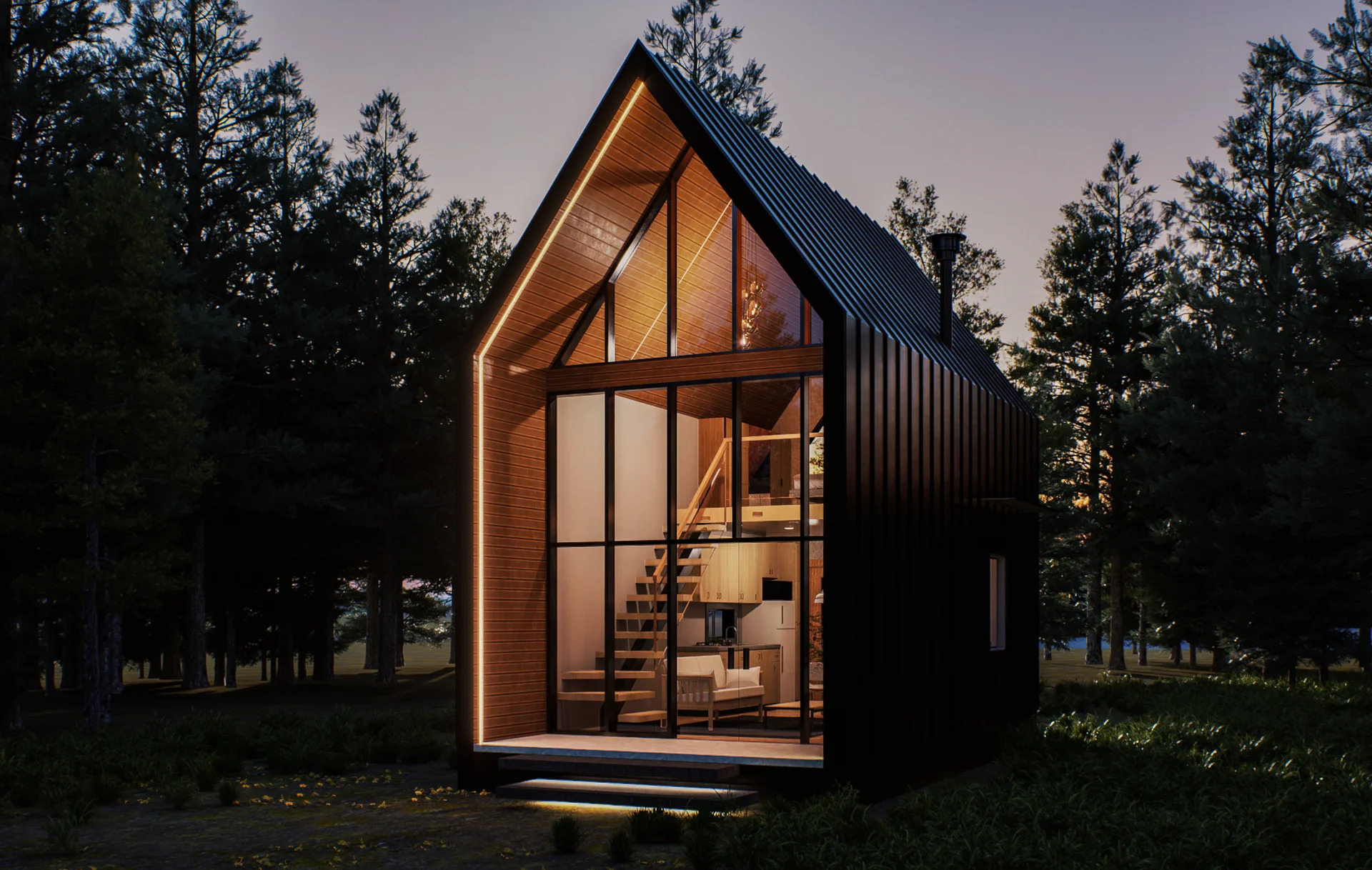
For agents, value depends first on classification (real property vs personal property), then on land control, legal siting, and financing eligibility. Tiny homes on permanent foundations with compliant permits and owned land can be valued more like site-built housing, while tiny homes on wheels are often treated more like specialty personal property with different comparable sales, depreciation patterns, and lender options.
Start with classification: real property vs personal property
Before you talk price, confirm how the tiny home is legally treated in that jurisdiction and for that specific listing:
- United States: Many tiny homes on foundations can fall under residential building code pathways, including IRC Appendix Q (for tiny houses 400 sq ft or less) when adopted locally, which can make permitting and insurability more straightforward.
- Tiny home on wheels (THOW): If it is titled and used like an RV or trailer, it is often personal property, which affects appraisal methods, taxation, insurance, and financing.
- Canada: Tiny homes on wheels often align with CSA Z240 RV-type standards in industry practice, while factory-built homes on permanent foundations may align with CSA pathways such as Z240MH or A277, depending on construction type and provincial frameworks.
Practical agent move: Ask early for documentation that proves what you can claim, such as permits, building code compliance, registry labels, title status, and whether the home is affixed to land in a way recognized as real property.
The land drives a large share of the total value
Tiny home buyers often focus on the structure. Appraisers and lenders usually focus on the site.
Key land and siting factors that move value in both the USA and Canada:
- Ownership vs lease: Owned land typically supports a higher market value than short-term pad rental, because the buyer is purchasing a lasting real estate interest.
- Zoning and use permissions: Is a tiny home allowed as a primary dwelling, secondary suite, ADU, seasonal use, or only as an RV? Restrictions change demand and therefore price.
- Utilities and approvals: Legal septic, water, electrical service, and driveway access reduce uncertainty and increase the buyer pool.
- Mobility and relocation cost: If the unit can be moved, buyers discount for transport, escort requirements, and risk of damage.
Practical agent move: Build the listing narrative around the legal right to live there. If the siting is uncertain, expect the value to hinge more on personal property pricing and a smaller buyer pool.
How to estimate value when comps are sparse
Tiny home valuation can fail when agents rely on conventional comps that do not match construction type, tenure, or legal status.
Use a structured approach:
- Segment the product correctly: foundation built tiny house, modular style unit, manufactured home, or THOW.
- Match the “bundle” being sold: structure only, land only, or land plus structure.
- Use multiple comp sets:
- Tiny home-specific sales when available
- Manufactured home or small cottage comps (only if legal status and site conditions are similar)
- Land comps plus depreciated cost of improvements (when sales comps are limited)
- Document adjustment logic: size, quality, insulation, utility hook-ups, permits, parking, storage, and year built.
If you need to refer clients to an expert local real estate agent in your area with luxury listings for land plus build strategy, keep the valuation conversation evidence-based and separate lifestyle appeal from market support.
Supporting fact to anchor expectations: IRC Appendix Q exists specifically to address code requirements for tiny houses 400 sq ft or less, but it only applies where adopted and does not automatically solve zoning.
Financing and appraisal realities agents should set upfront
Financing is often the swing factor between a high-demand listing and a long market time.
Common issues:
- Mortgage eligibility depends on real property treatment: Many mainstream mortgage programs expect a home to be classified as real estate and permanently affixed.
- Foundation and engineering documentation can be required: HUD guidance for manufactured housing includes a Permanent Foundation Guide and engineering sign off requirements in relevant lending contexts, illustrating how strict foundation standards can become when a lender is involved.
- Higher denial rates for manufactured home style financing: Research summarized by Investopedia (citing Pew research) notes materially higher denial rates for manufactured home purchase loans compared with site-built homes, reflecting systemic friction that can also affect some tiny home deals, depending on how they are financed and titled.
Practical agent move: Ask buyers early how they plan to pay (cash, chattel loan, RV loan, mortgage) and make the listing disclosures match what financing can realistically support.
What actually drives tiny home resale value
Across the USA and Canada, recurring value drivers include:
- Build quality and durability: Better materials, weatherproofing, and professional construction typically widen the buyer pool.
- Documentation: Permits, inspection reports, engineering letters, compliance labels, and utility approvals reduce uncertainty.
- Energy performance and operating cost: Insulation, HVAC suitability for the climate zone, and moisture control matter more in tiny homes because small errors can create big comfort issues.
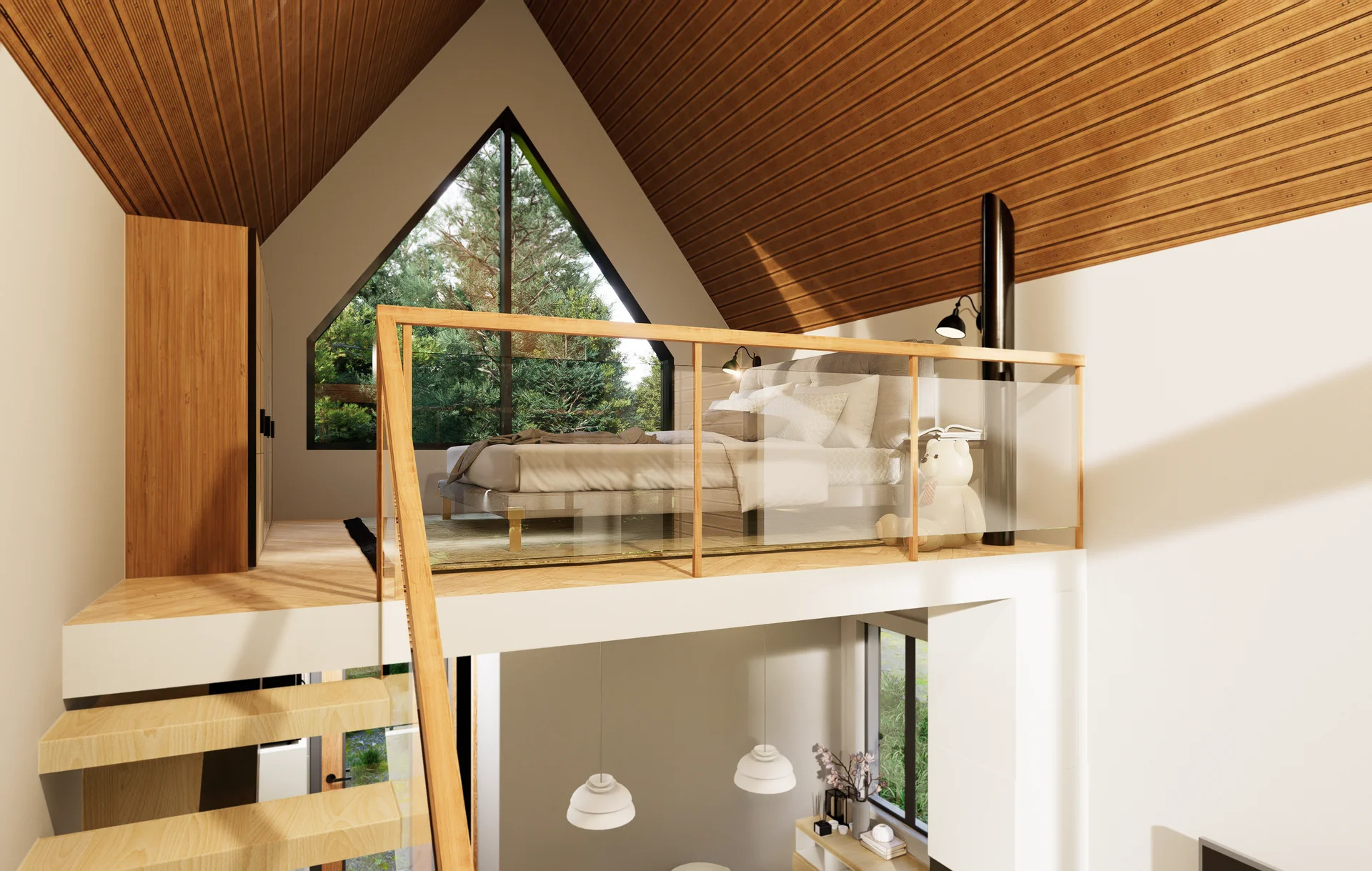
- Layout utility: Storage, stair safety, ceiling height, and functional kitchen and bath design move buyer decisions quickly. (Appendix Q highlights how stairs, lofts, and emergency egress are central tiny house design issues.)
- Legal parking or legal occupancy: A beautiful unit without a lawful place to live often sells at a discount.
A practical agent checklist for advising buyers and sellers
Use this as your intake workflow:
- Confirm legal status
- Foundation vs wheels
- Permit history and occupancy permissions
- Title and registration status (where applicable)
- Confirm site and services
- Land tenure and fees
- Water, sewer or septic, electrical capacity
- Road access, snow clearing responsibility, and parking
- Assemble proof for value support
- Build plans, receipts, and builder info
- Inspection report and any engineering letters
- Insurance quotes that match the intended use
- Build a comp strategy
- Tiny home sales comps first
- Then the closest legal substitute category
- If needed, the land value plus improvement method with conservative assumptions
- Align marketing with finance reality
- State clearly what loan types are plausible
- Avoid implying mortgage eligibility without verification
- Prepare buyers for appraisal limits when comps are scarce
How to talk about appreciation without overpromising
A safe, factual framing is:
- Tiny homes tied to owned land can benefit from land price dynamics, while the structure may behave more like a depreciating asset unless it is permanently affixed and treated as real property.
- Legal certainty, compliance, and utility readiness tend to preserve value because they expand the buyer pool and reduce transaction risk.
Avoid blanket claims like “tiny homes always appreciate.” Instead, explain what specific conditions support higher resale outcomes and back it with documentation and comparable evidence.


.svg)
.jpg)