How Crusher Buckets Help In Demolition & Construction Of New Homes

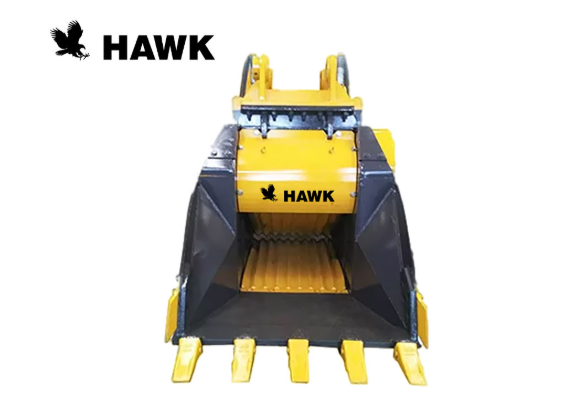
Source: HAWK
The construction industry is evolving rapidly, especially with the growing demand for efficient, cost-effective, and sustainable building methods. One tool that's making a significant impact in both demolition and new home construction is the crusher bucket. This versatile attachment, often used with excavators, transforms heavy machinery into mobile crushing units, making it easier to manage onsite material and reduce dependence on external resources.
Crusher buckets are not only streamlining demolition tasks but also supporting the preparation of building sites for new homes. Brands like HAWK have developed robust and adaptable crusher bucket models that fit a range of equipment, helping contractors improve job site efficiency while minimizing environmental impact.
A Dual-Purpose Tool for Demolition and Building
During the demolition phase of residential structures, a significant amount of debris—such as bricks, concrete, and stone—is generated. Traditionally, this material is either hauled away to a landfill or sent off-site for recycling. Both options involve added costs and increased transport emissions.
With crusher buckets, this process changes entirely. The attachment allows teams to crush demolition waste directly onsite, enabling on-site material recycling that converts debris into reusable materials. Crushed concrete and stone can be reused as aggregate for fill, sub-base, or access paths around the property. This practical reuse supports construction waste reduction and cuts back on both material costs and landfill use.
When moving into the construction phase, this crushed material can be used immediately on-site, making on-site material recycling a cost-effective and environmentally conscious approach to building preparation.
Boosting Onsite Productivity
One of the main advantages of using crusher buckets in new home construction is the flexibility they offer. Since they can be attached directly to existing machinery—such as skid steers, backhoes, or excavators—there’s no need to bring in separate crushing equipment. This streamlines operations and reduces the number of machines required on-site.
The use of a concrete crushing attachment allows operators to manage material more efficiently. With the right attachment—like those manufactured by HAWK—a single machine can process and redistribute crushed material without requiring multiple pieces of equipment. This helps to eliminate downtime and keeps the construction timeline on track.
Lowering Project Costs
Every load of rubble taken off-site incurs transport, disposal, and labor costs. Meanwhile, sourcing new aggregates adds to overall expenses. Using crusher buckets helps reduce both by promoting construction waste reduction and material reuse.
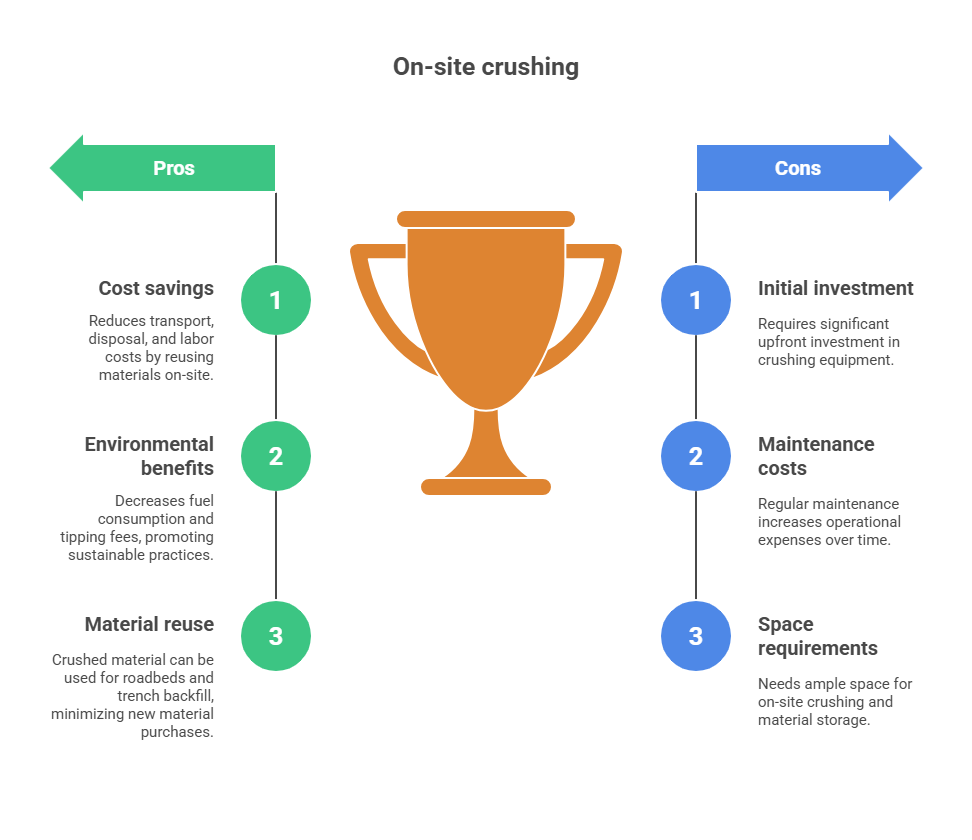
Crushing material on-site with a concrete crushing attachment means less fuel spent on transportation and fewer tipping fees. The crushed material—processed through on-site material recycling—can be used for everything from roadbeds to trench backfill, saving contractors from purchasing new materials and reducing hauling logistics.
Sustainable Building Practices
Sustainability is a growing priority in the building industry. Homebuilders are increasingly looking for ways to reduce their carbon footprint and manage waste responsibly. Crusher buckets contribute to this effort by promoting on-site material recycling and minimizing environmental impact.
By reusing building materials where they fall, contractors reduce the need to quarry and transport new aggregate. Fewer vehicle trips mean reduced emissions and a cleaner, safer worksite. HAWK supports these practices by designing crusher buckets with durable, high-performance components that can withstand tough demolition jobs while supporting green construction goals.
Space-Saving Efficiency
New home construction sites often have limited space, especially in urban or infill developments. Bringing in large crushing equipment or stockpiling material for removal can crowd the work area and slow progress. Crusher buckets provide a compact solution, allowing teams to crush and manage debris efficiently on the job.
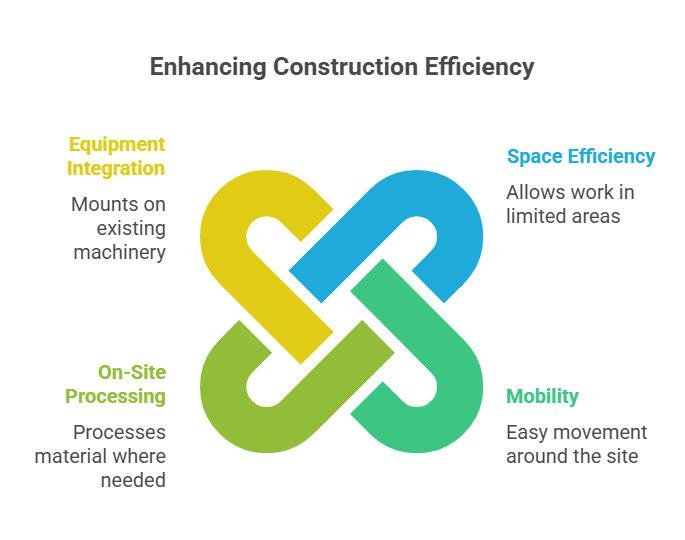
Mounted on existing machinery, a concrete crushing attachment moves easily around the site. Crews can process material exactly where it’s needed—whether it's at the edge of a foundation, near a driveway, or in a tight backyard—without the hassle of setting up large stationary equipment.
Easy Integration with Modern Equipment
Modern construction sites demand tools that adapt easily and perform reliably. Crusher buckets are designed to integrate with a wide range of machines, from skid steers to large excavators. HAWK manufactures attachments that are not only rugged and versatile but also simple to install and operate.
The ability to pair your excavator with a concrete crushing attachment means fewer moving parts on-site and faster turnaround times. This ease of integration helps builders meet timelines and adapt to changing job site conditions.
Conclusion
As homebuilding expands, tools that simplify operations while supporting sustainability are more valuable than ever. Crusher buckets deliver on both fronts—helping contractors process demolition debris and prepare new home sites efficiently.
With solutions from companies like HAWK, builders can take advantage of on-site material recycling, promote construction waste reduction, and use a concrete crushing attachment to reduce costs and environmental impact. These attachments are not just accessories—they're essential tools for smarter, more adaptable residential construction.


.svg)
.jpg)