
How to Choose Durable Paint for High-Traffic Areas in a Tiny Home

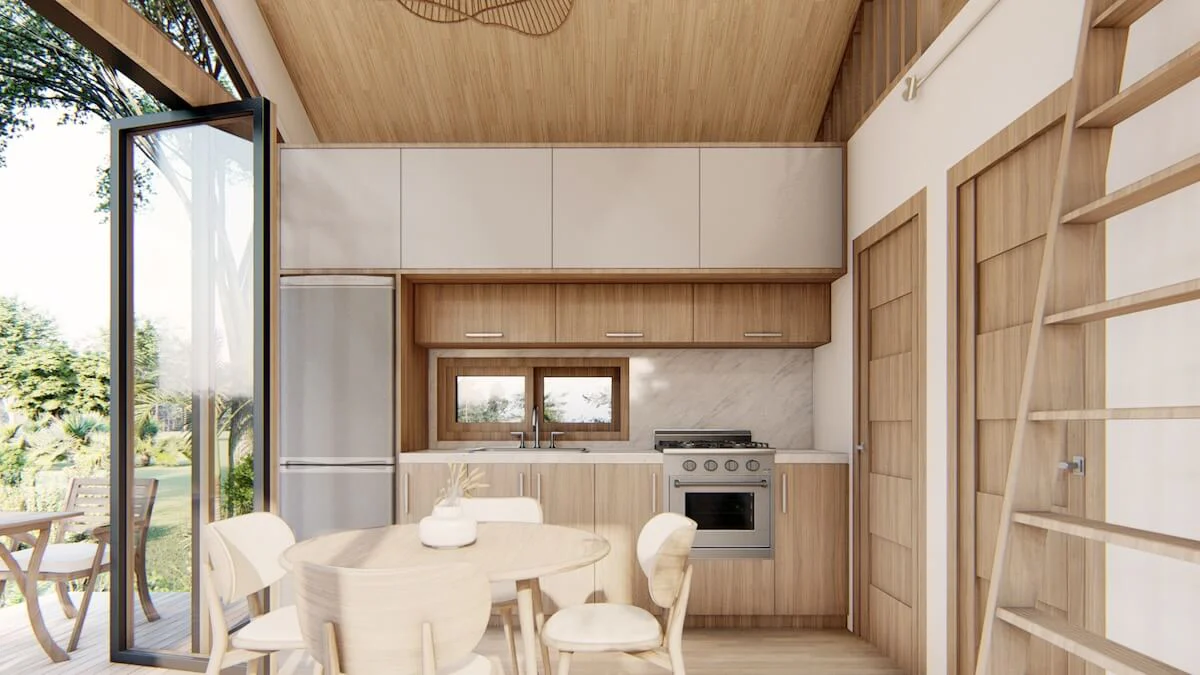
Choosing paint for a compact residence is more complex than selecting a color for the interior. Doors, trim and hallways in small spaces are in frequent contact with occupants because furniture and daily activities occupy a limited area - these surfaces are prone to marks, stains plus abrasions. A finish that resists wear helps surfaces stay clean and reduces the need for frequent repairs. Selecting a suitable product is easier when residents understand durability, gloss levels and cleaning needs.
Identify High Traffic Surfaces
Residents should first determine which parts of the home receive the most contact. Entryways are vulnerable because residents frequently carry bags, shoes but also clothing through these narrow points. Stairs, kitchen walls and areas near beds or seating also experience regular use. Doors and trim often accumulate marks because hands touch them many times each day. Locating these areas before buying supplies allows residents to prioritize durability where it is most necessary.
Usage patterns are more important than the official name of a room. A wall next to a dining table is more likely to be touched than a wall in a storage area. Surfaces near built in cabinets often gain marks when occupants move items. Many small homes combine multiple functions in one room - one wall may be near cooking heat as well as moving furniture. Evaluating each surface based on its specific use is a practical approach.
Evaluate Paint Durability
Chemical formulations determine how well a product lasts - residents should look for options that withstand scrubbing. A washable formula is useful because occupants can remove dirt and fingerprints without adding new layers of paint. Products for kitchens or bathrooms often have characteristics that are appropriate for busy areas. Manufacturers provide information to help residents decide if a product is strong enough for their specific needs.
Resistance to stains and repeated wiping is more important than how the paint looks when it is first applied. A surface is not practical if it cannot tolerate regular cleaning. Proper application is also vital for a long lasting result - following instructions for surface preparation or drying time is necessary. Comparing technical details prevents the need for frequent repairs and protects the money spent on building supplies.
Select The Appropriate Finish
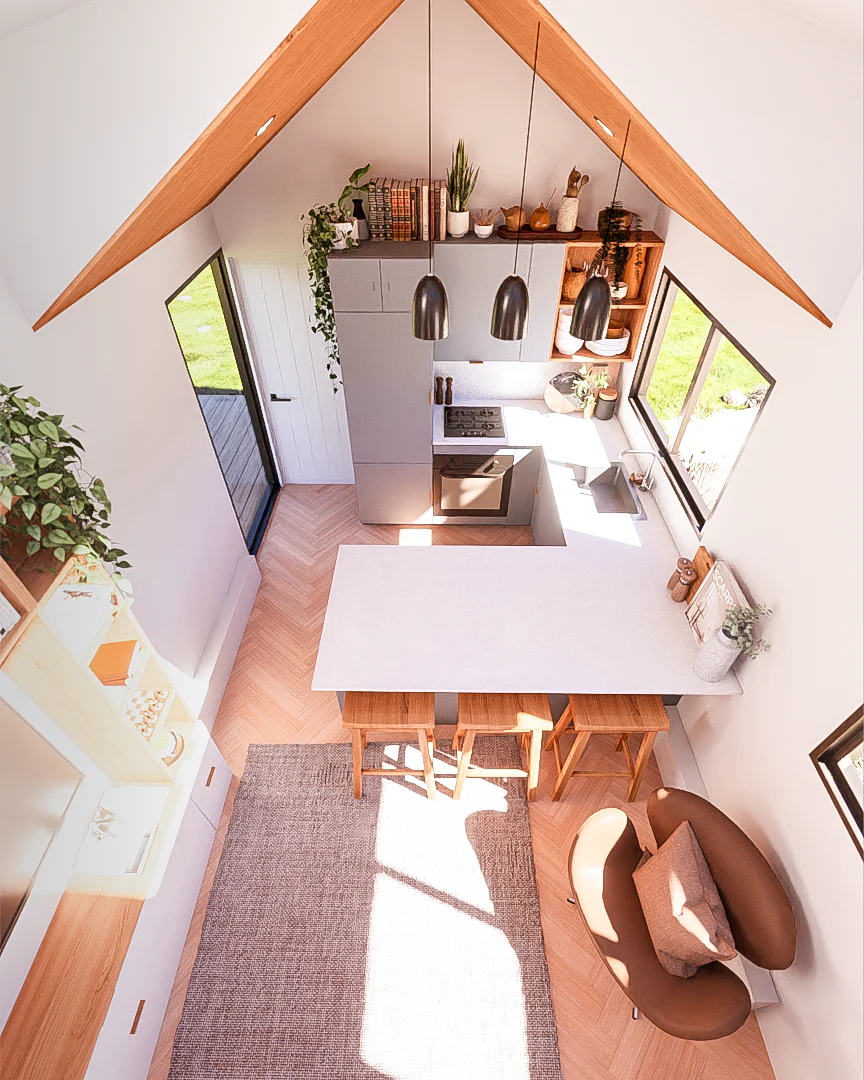
The gloss level of a product affects both the look and the utility of a wall. Flat finishes are good at hiding small bumps but they are often difficult to wash. Satin next to eggshell finishes are common choices for interior walls because they are both attractive and easy to clean. Semi gloss finishes are very smooth and are excellent for trim plus doors that receive heavy use. The best choice is based on how often a resident must wipe the surface.
Occupants should avoid picking a finish based only on a small sample. Light behaves differently in small rooms with few windows. A shiny finish reflects light and makes imperfections on the wall more visible. Testing the product on a small section under the home's actual lights is a smart step - this method ensures the finish is both functional and visually pleasing.
Consider Surface Preparation
Paint is likely to fail if the underlying surface is dirty or damaged. Residents must remove dust, grease but also oils so the new layer sticks properly. Fixing holes, cracks and dents is a necessary step before coating. Sanding is useful if the old surface is rough or very shiny. Good preparation creates a flat foundation and improves the final appearance.
Primer is helpful when residents change colors or work on surfaces that absorb liquid unevenly. The type of primer depends on the material of the wall. Following the full preparation process is better than rushing to the final coat. Having tools ready before starting keeps the project organized in a small space where room for equipment is limited.
Match Products To Tiny Home Conditions
Small homes have specific environmental factors that affect coatings. Humidity is often higher in compact kitchens as well as bathrooms and limited airflow can change how paint dries. If a wall is near moisture, residents should use a product made for damp environments. Keeping windows open during application is important because odors are more noticeable in a small interior.
Air temperature also changes how paint sticks and dries - Every product has a specific temperature range for application. Residents should check the label, especially if the home is in a place with very cold or very hot seasons. Using a product made for the actual conditions of the room prevents peeling or uneven drying - these steps are valuable because every inch of a small home is important for daily life.
Plan For Cleaning And Maintenance
Durable surfaces are helpful because residents can wash them gently. It is important to check how long a paint needs to harden before washing it for the first time. Using the correct tools prevents damage to the finish. Strong chemicals and rough sponges can wear down a surface even if it is designed for heavy use.
Maintenance planning involves deciding where to use the strongest products. High contact areas are more important than low traffic sleeping areas. A resident might use a very tough finish in the entryway and a different finish on the ceiling - this strategy balances durability next to cost. Small choices during the project make future cleaning much easier.
Compare Cost And Long Term Value
The price of a container is important but the cheapest paint is not always the best value. A low quality product that needs constant repairs uses more material and time over the years. Painting is also a disruption in a small living area. Comparing how much area the paint covers and how well it cleans provides a better understanding of the true cost.
Measuring surfaces accurately helps residents avoid waste - Keeping a small amount of leftover paint in a sealed container is useful for future repairs. If a wall is damaged, having the same product makes the fix simple. Planning for long term use rather than the lowest initial price helps the home stay in good condition with less effort.
Select Colors & Plan for Maintenance
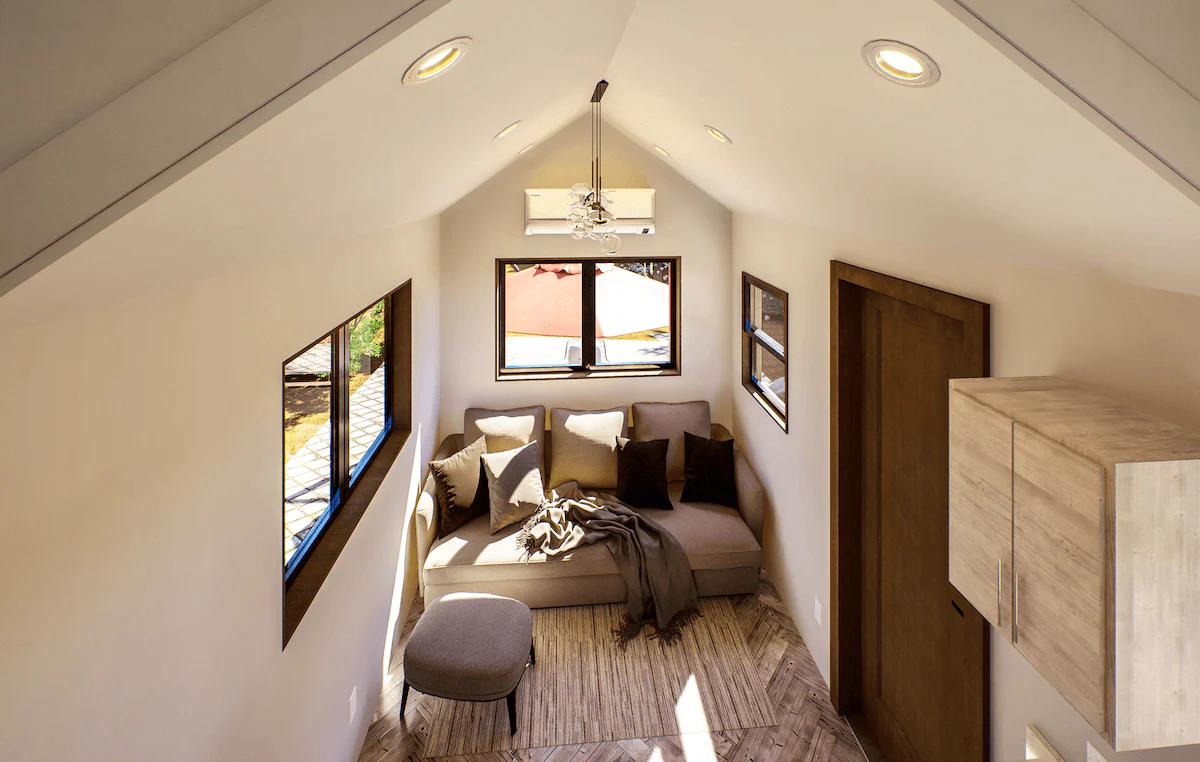
The choice of pigment impacts how quickly surfaces appear worn in busy locations. Darker paints often reveal dust, fingerprints and light colored abrasions. White or pale tones frequently display dark streaks. Tones in the middle of the color spectrum offer a functional compromise for hallways plus entrances. Owners should ensure the chosen hue complements the wood, fabric and sunlight within the building to maintain a cohesive appearance.
Evaluating how easily a technician can replicate the specific shade for future repairs is beneficial. Residents should record the brand name, color identification but also sheen level once the work is complete. Small applications of paint are often required near doors, cabinets and corners that experience frequent contact. Selecting a common color as well as storing extra liquid allows for efficient repairs - this preparation is particularly helpful in small houses where occupants interact with surfaces frequently.
Conclusion
Choosing paint for a small home involves looking at where wear happens plus how the environment affects the walls. Gloss and preparation are all vital factors. By picking the right product for each specific area, residents create an interior that stays attractive despite daily use. Careful selection ensures the finishes remain in good condition for a long time.


.svg)



.jpg)