How to Improve Energy Efficiency with HVAC and Generator Solutions

.jpg)
The cost of energy is an important part of the operational budget for both residential and business owners and the HVAC system is usually the biggest energy expense. In fact, according to data from the United States Energy Information Administration, heating and cooling account for approximately forty percent of all energy used in the average American house. With the inclusion of back-up systems using generators, the total impact of energy used to generate heat or cool and to produce electricity will be among the greatest opportunities to realize substantial reductions in energy usage.
Improvement in energy efficiency does much more than save you money on your utility bill. Improvements in energy efficiency can help reduce stress on the electric distribution grid, reduce the amount of green-house gases released into the atmosphere and extend the usable life of very costly equipment.
Companies that provide services related to improvement in energy efficiency, such as Leonard Splaine Co., have been providing these types of services for years; therefore, the trends that they see and other companies providing similar services may be beneficial for individuals attempting to receive additional value from their current levels of energy consumption.
Why HVAC Systems Waste More Energy Than They Should
Most of all, there are three major reasons why hvac systems don’t function at their best. Maintenance issues and poorly designed/incorrectly sized units and outdated controls cause most problems. Units that have been oversized for a particular area of the building will be cycling “on” and “off” continuously; wasting energy and shortening the life span of components. On the other hand, when units are undersized they will continue to operate continuously but won’t meet demands either way. This results in increased costs and decreased lifespan of the equipment.
In addition to these, dirty filters, leaking ducts, un-calibrated thermostats etc. result in wasted amounts of conditioned air. According to the United States Dept. Of Energy, as much as 20-30% of the total air traveling through an entire duct system is due to leaks within those ducts. In turn, a large portion of conditioned air never makes it into the rooms where it’s supposed to go. As such, over time, the system has to continually work harder to maintain the same temperature and humidity levels inside the building while using more electricity or fuel then absolutely necessary.
Core Steps to Improve HVAC Efficiency
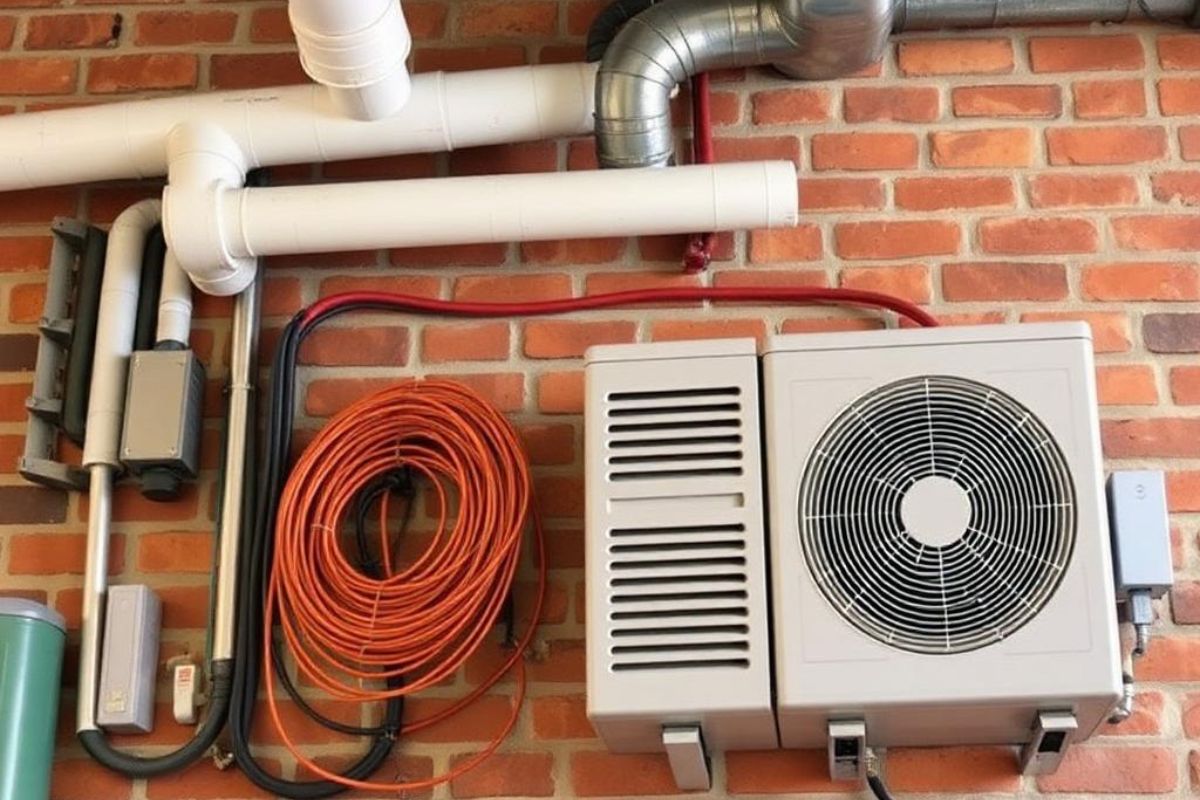
There's no single solution for all buildings to improve their HVAC efficiency. Rather, the greatest amount of overall improvement will come from combining many small changes. Some of the best documented and most effective actions include:
- Filter replacements : When you replace your air conditioner or furnace filter regularly (every 1-3 months), it will help improve airflow in the system so your fan and compressor do not have to work as hard.
- Seal and Insulate Ducts : Seal the seams of the ductwork which travels through an attic space or under a crawlspace and/or wrap the ducts in some sort of insulation. This action greatly reduces heat loss.
- Programmable or smart thermostats : These allow temperature setbacks during unoccupied hours. According to the U.S. Department of Energy, property owners can save as much as 10% annually on heating and cooling by adjusting the temperature by 7–10°F for eight hours per day.
- Regular professional tune-ups: These are Annual checks on your ac system to find refrigerant leaks, worn belts, and other failing components before it becomes an energy loss.
- Right-size replacement equipment: once you replace your entire air conditioning system, make sure that you get a load calculation (do not just match the old units capacity), so your new ac meets the true heating/cooling demands of your building.
Replacing an entire system is not required to complete any of these steps so they are a reasonably accessible starting point for most property owners.
The Role of Generators in a Broader Efficiency Strategy
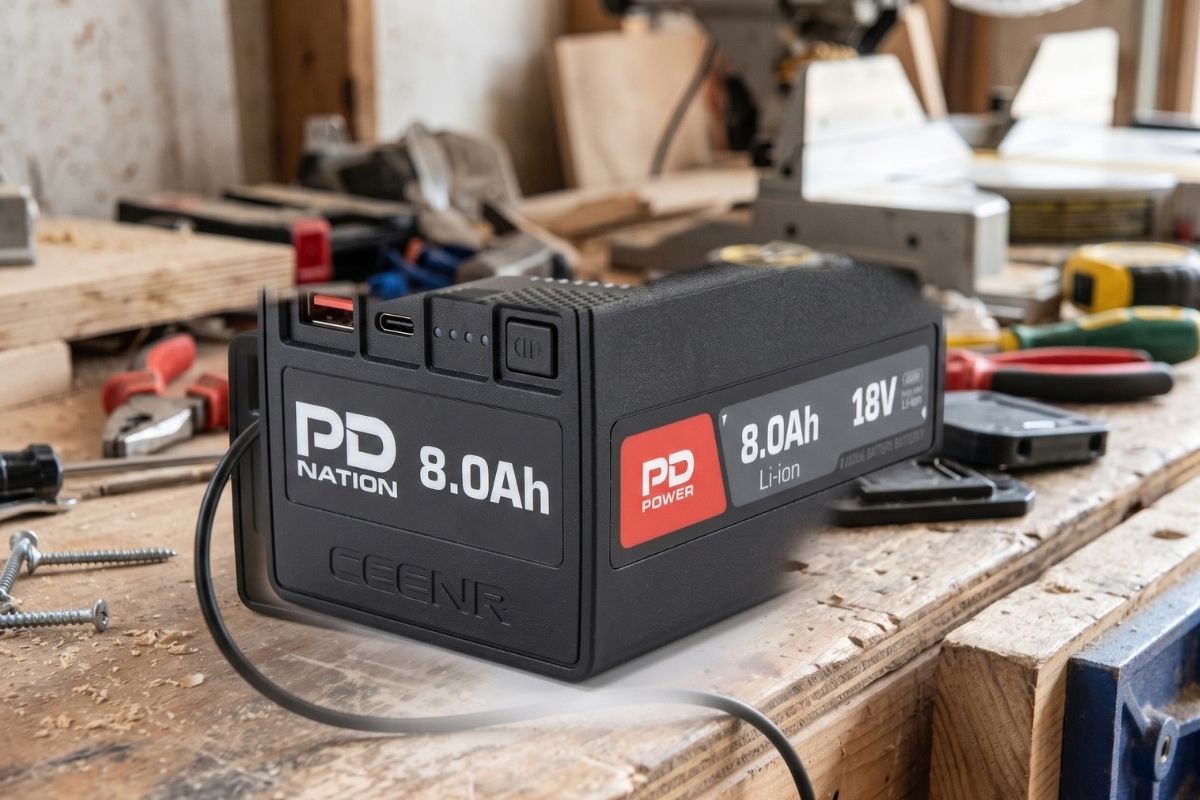
Generators, which are typically seen as a separate issue than hvac efficiency, are really tied together when it comes to real-world usage. Portable and standby generators will maintain essential systems (i.e. heat & cool systems) in buildings that have experienced power loss and an inefficient system for generating electricity could undermine the potential energy savings generated by other means of energy conservation within those same facilities.
Oversized generators, much like oversized HVAC units, may operate below their optimal load and consume fuel less efficiently. Contractors such as Leonard Splaine Co. assess a property's power requirements before recommending an appropriate generator size and type. Keeping with this idea, it is also important to match your generators to the systems and appliances you are powering so as to keep your cost of equipment down, yet ensure all of those necessary loads remain operational in case there is a power failure.
Regular maintenance will be equally important for both of these goals. If your generators are dirty from lack of regular cleaning (i.e., dirty fuel injectors), if they have been neglected by neglecting such things as new spark plug replacements or proper oil changes, etc., then they may run inefficiently. This inefficiency could lead to a number of problems including reduced performance at critical times or even complete failure.
How Integration Between HVAC and Backup Power Improves Overall Performance
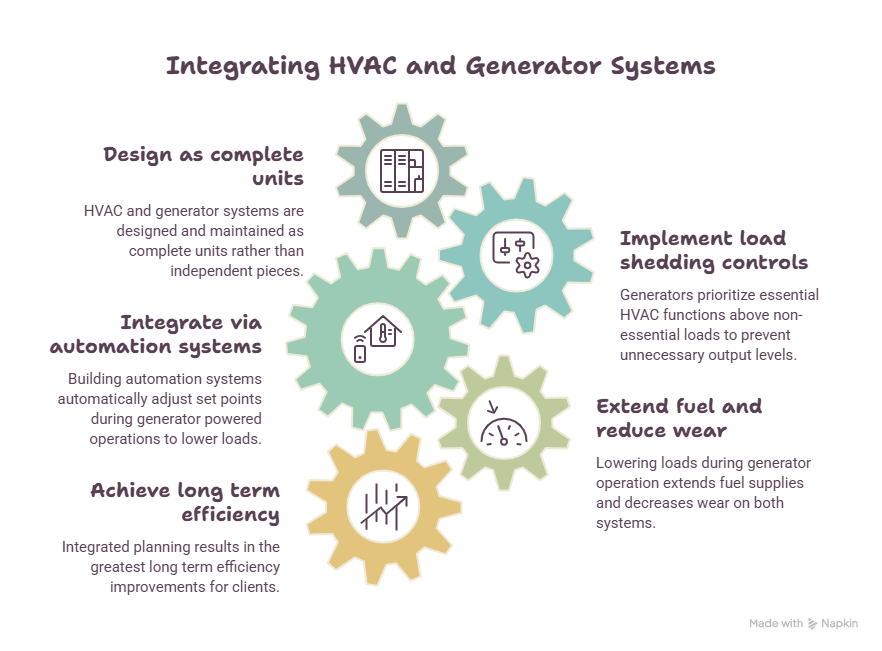
The potential for compounded efficiency exists when HVAC and generator systems are designed and maintained as complete units rather than as independent pieces. Load shedding controls, for example, can be established so generators prioritize essential HVAC functions (i.e. maintain a minimum temperature) above non-essential loads. This will prevent the generator from operating at unnecessary output levels by powering all equipment simultaneously.
Commercial buildings are beginning to use building automation systems to integrate generator status into HVAC operations. Building automation systems allow the HVAC systems to automatically adjust set points during periods of generator powered operations to lower loads thereby extend fuel supplies and decrease wear on both systems. Frequently reported by Leonard Splaine Co. and other service providers, integrated planning that treats HVAC and emergency power generation as related items, rather than as two separate purchases, results in the greatest long term efficiency improvements for their clients.
Integrating does not necessarily require complex automation. Identifying essential HVAC loads required during an outage and making manual adjustments to those identified loads can result in significant reductions in fuel usage relative to operating a generator at maximum, unregulated output.
Tracking Results and Limitations of Efficiency Improvements
Long-term sustainability of efficiency improvements is difficult to achieve without measuring progress. Utilization data available via utility bills; smart thermostats; and/or generator runtime logs, etc., can serve as good bases to measure if implemented efficiency measures are achieving desired results. There are a number of common barriers to efficiency improvements that need to be avoided.
Among them are viewing efficiency improvements as one-time events versus as an ongoing maintenance responsibility; pursuing only equipment upgrades while failing to address such important factors as poor building envelopes due to inadequate insulation or air leakage that could potentially neutralize any benefits derived from upgraded equipment; incorrectly sizing new equipment based on the specifications of existing equipment versus performing current-load calculations; and/or neglecting to perform preventative maintenance on generators until they fail rather than adhering to a preventative maintenance schedule that identifies minor issues prior to them escalating into major costs.
Avoidance of these common barriers requires continuous monitoring and assessment as opposed to a "do once and forget it" mentality. As time passes, buildings evolve; insulation deteriorates; occupancy patterns shift; equipment ages, etc.; therefore, what was considered an effective strategy for improving efficiency five years ago may not be the best approach today.
Conclusion of What We Have Learned
There are many ways to improve the energy efficiency of your HVAC and generator systems. However, there is no magic bullet. Rather, it is a combination of implementing regular maintenance activities; correctly sizing new equipment based upon actual load requirements; and more recently — developing strategies for integrating the needs of your climate control system(s) with the needs of your emergency power generation system(s).
Consistent historical data indicates that simple yet consistent actions such as changing filters; sealing ducts; and properly servicing generators can result in substantial economic savings over time. In fact, consistent data has shown that cumulative savings resulting from these types of low-cost maintenance tasks exceed the cost associated with major equipment replacement upgrades alone.
Companies that have been engaged in providing services across both HVAC and emergency power generation systems for extended periods (including but not limited to Leonard Splaine Co.) continue to stress this same theme regarding achieving greater efficiencies through proper equipment matching and regular maintenance. For organizations seeking to minimize energy waste, continued focus on a combination of proper equipment sizing; routine maintenance practices; and system level thinking remain the most reliable paths toward future savings.


.svg)
.jpg)