How to Install Tiny House Roofing: Step-by-Step DIY Tips

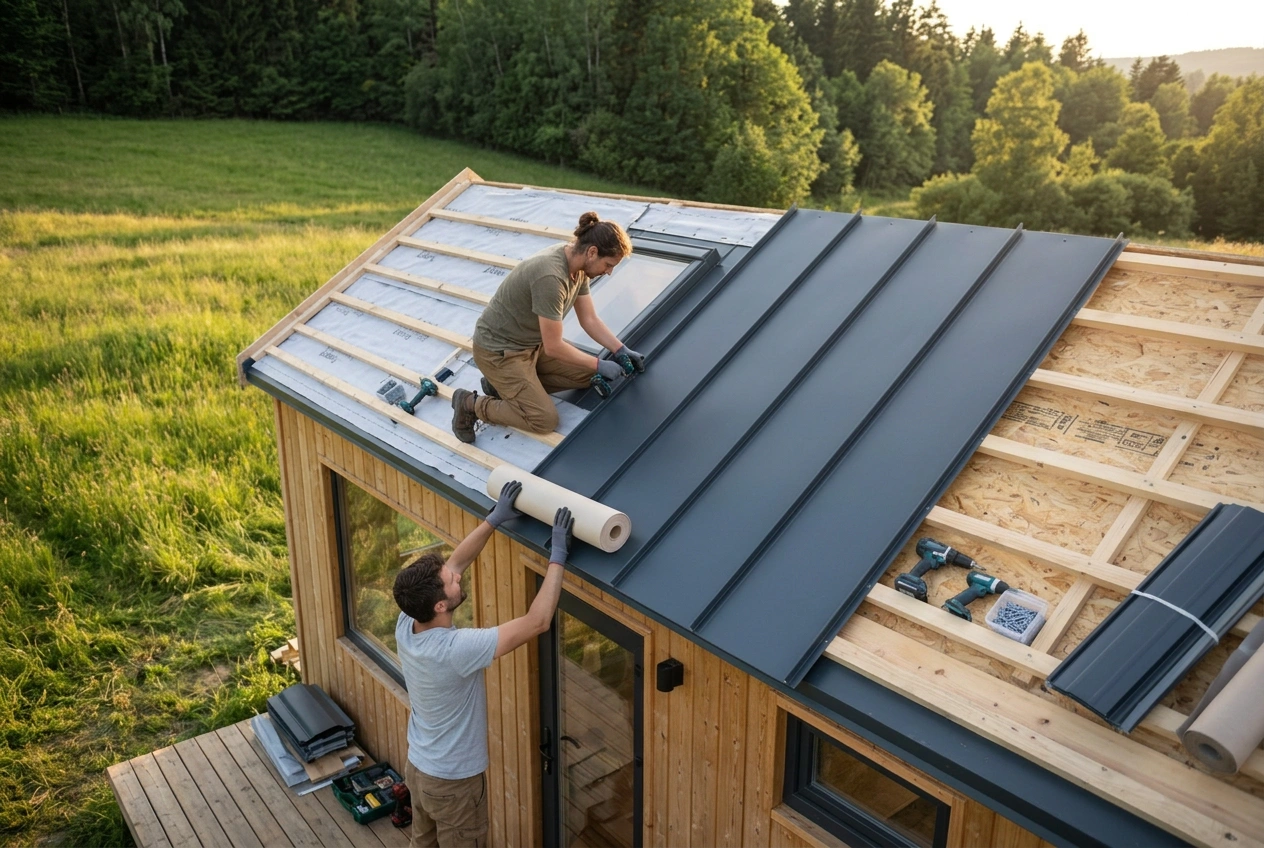
The tiny house movement has gained significant traction as more individuals and families seek to downsize and simplify their lives. With the allure of minimalism and affordability, tiny homes offer a unique living experience. However, one critical aspect that requires careful consideration is tiny house roofing. Proper roofing not only protects your home from the elements but also contributes to energy efficiency and aesthetic appeal. This guide will provide you with essential tips and actionable insights on installing tiny house roofing, focusing on the best roofing materials for tiny houses and highlighting the top five roofing types.
Understanding Tiny House Roofing
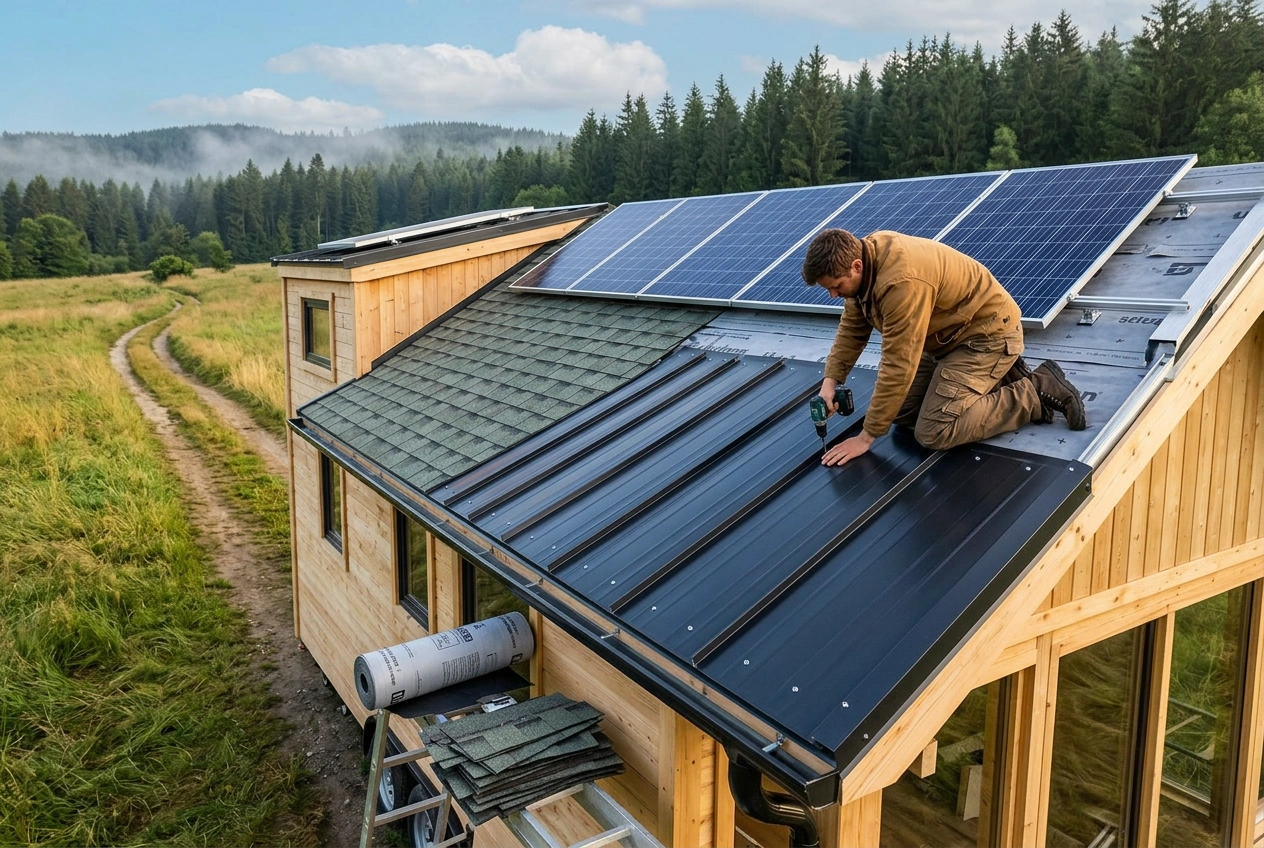
Tiny house roofing is not just about aesthetics; it plays a crucial role in ensuring the longevity and comfort of your home. The right roofing material can enhance insulation, reduce maintenance costs, and improve the overall energy efficiency of your tiny house. As you embark on your roofing project, understanding the various options available will help you make informed decisions that align with your lifestyle and budget.
Key Considerations for Tiny House Roofing
Weight: Tiny houses often have weight restrictions due to their size and the materials used. Choosing lightweight roofing materials can help maintain structural integrity without compromising safety.
Durability: Tiny homes are frequently moved, which can expose roofing to wear and tear. Selecting durable materials ensures that your roof can withstand different weather conditions and potential impacts during transport.
Insulation: Proper insulation is essential for energy efficiency. Roofs that provide adequate insulation help maintain comfortable temperatures year-round, reducing heating and cooling costs.
Aesthetics: The visual appeal of your tiny house is important. Choosing a roofing style that complements the overall design can enhance curb appeal and personal satisfaction.
Cost: Budget constraints are common in tiny house projects. It’s vital to balance quality and affordability when selecting roofing materials.
Top 5 Roofing Types for Tiny Homes
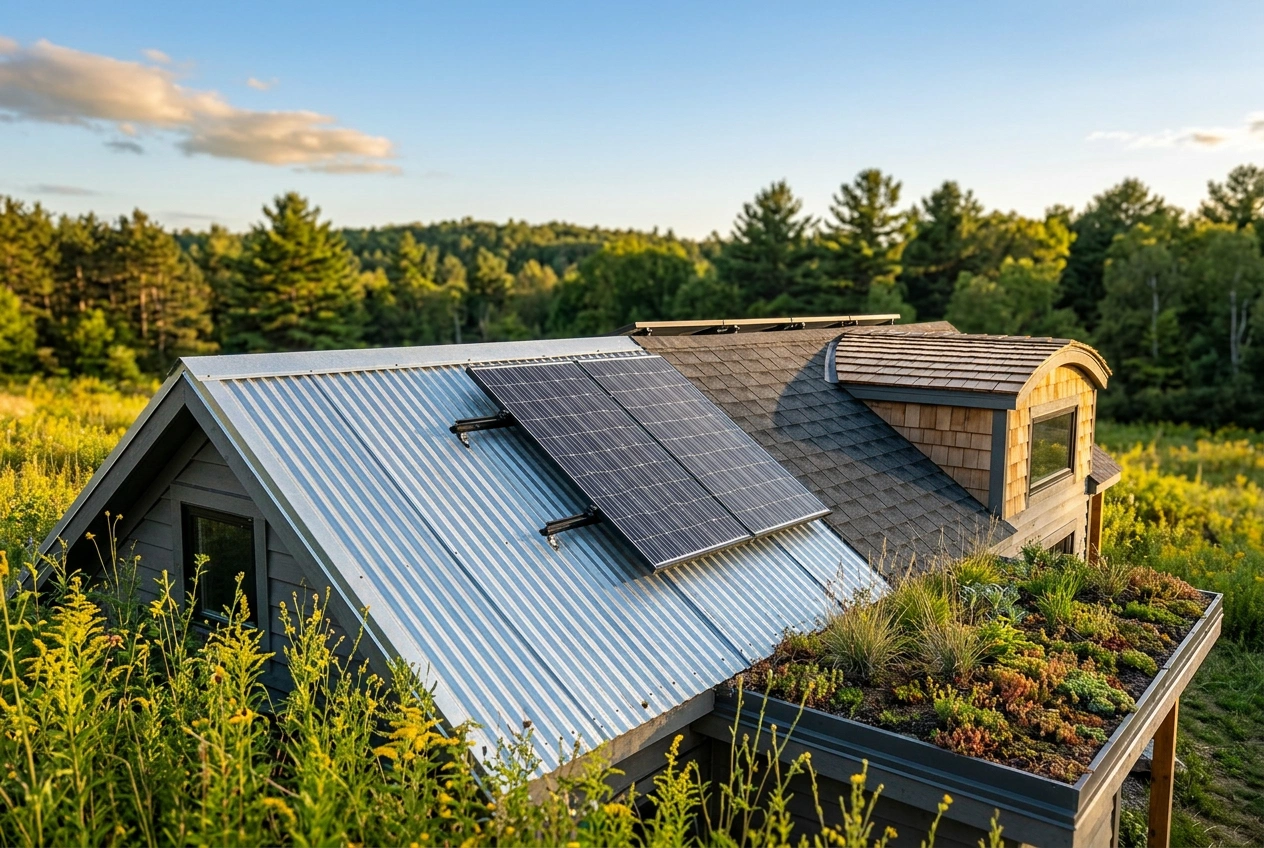
When it comes to tiny house roofing, several materials stand out for their unique benefits. Here are five popular roofing types that you should consider for your tiny home:
1. Metal Roofing
Metal roofing is a favorite among tiny house builders for several reasons. It is lightweight, durable, and often comes with a long lifespan, making it a cost-effective option in the long run. Metal roofs can withstand harsh weather conditions, including heavy snow and high winds. Additionally, they reflect sunlight, helping to keep your home cooler in summer.
Pros:
- Long-lasting and low maintenance
- Energy-efficient due to reflective properties
- Available in various styles and colors
Cons:
- Initial installation costs can be higher than other materials
- Can be noisy during rain or hailstorms without proper insulation
2. Asphalt Shingles
Asphalt shingles are one of the most commonly used roofing materials in the United States. They are affordable, easy to install, and come in various colors and styles, making them a versatile choice for tiny houses. While they do not last as long as metal roofing, their lower initial cost can be appealing for budget-conscious homeowners.
Pros:
- Cost-effective and widely available
- Simple installation process
- Variety of styles to match different aesthetics
Cons:
- Shorter lifespan compared to metal roofing
- Less energy-efficient and can absorb heat
3. Rubber Roofing
Rubber roofing is an innovative option that is gaining popularity for tiny homes. Made from recycled materials, rubber roofing is eco-friendly and offers excellent insulation properties. It is also resistant to UV rays and can withstand extreme weather conditions.
Pros:
- Eco-friendly and sustainable
- Excellent waterproofing properties
- Durable and resistant to extreme weather
Cons:
- Can be more expensive than traditional materials
- Requires professional installation for optimal performance
4. Wood Shingles
Wood shingles provide a natural and rustic look that many tiny house owners desire. They are typically made from cedar, pine, or redwood and can be treated to enhance durability. While they offer excellent insulation, wood shingles require more maintenance to prevent rot and insect damage.
Pros:
- Aesthetic appeal with a natural look
- Good insulation properties
- Can be treated for added durability
Cons:
- Higher maintenance required
- Susceptible to fire and insect damage
5. Tile Roofing
Tile roofing, often made from clay or concrete, is a durable option that can last for decades. It offers excellent insulation and is resistant to fire and rot. Tile roofs can add a distinct character to your tiny house but come with a higher weight, which may require additional structural support.
Pros:
- Long-lasting and low maintenance
- Aesthetic versatility with various styles
- Excellent insulation and fire resistance
Cons:
- Heavier than other roofing materials
- Higher initial cost and installation complexity
Step-by-Step Installation Guide for Tiny House Roofing
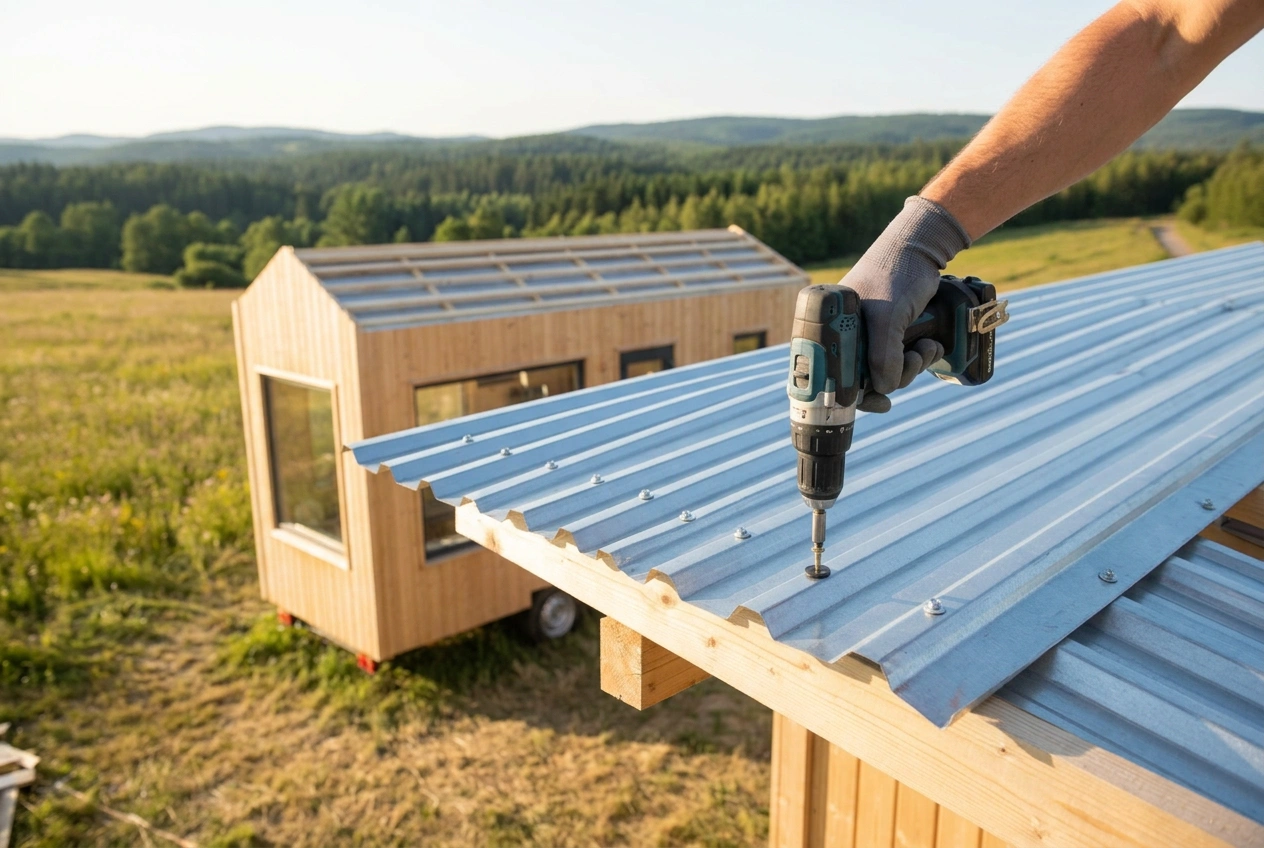
Installing roofing on your tiny house can be a rewarding DIY project. Follow these essential steps to ensure a successful installation:
Preparation Phase
Gather Tools and Materials: Before starting, collect all necessary tools, including a ladder, safety gear, hammer, nails, and the chosen roofing materials.
Review Local Building Codes: Check with local authorities regarding building codes and regulations for roofing. Compliance ensures safety and avoids potential fines.
Assess the Roof Structure: Inspect the existing roof structure for any damage. Address any repairs needed to provide a stable foundation for the new roofing.
Installation Process
Remove Old Roofing: If replacing existing roofing, carefully remove it, ensuring to dispose of materials responsibly.
Install Underlayment: Lay down a waterproof underlayment to protect the roof deck from moisture. This step is crucial for preventing leaks.
Begin Roofing Installation: Starting from the bottom of the roof, install your chosen roofing material. Follow manufacturer instructions for specific installation guidelines.
Seal and Finish: Apply sealant to joints and edges to enhance waterproofing. Ensure that all areas are secure and free from gaps.
Inspect the Finished Roof: Once the roofing is complete, conduct a thorough inspection to ensure everything is properly installed and sealed.
Common Mistakes to Avoid
- Neglecting Safety: Always prioritize safety by using proper gear and equipment when working at heights.
- Ignoring Weather Conditions: Avoid installation during inclement weather, as this can lead to accidents and compromised roofing.
- Overlooking Ventilation: Ensure proper ventilation in the roofing system to prevent moisture buildup and improve energy efficiency.
Maximizing Energy Efficiency with Tiny House Roofing
Energy efficiency is a key consideration for tiny house owners looking to reduce utility costs. Here are practical tips to maximize energy efficiency through your roofing choices:
Insulation Techniques
Use Reflective Roofing Materials: Opt for materials that reflect sunlight to reduce heat absorption during warmer months.
Incorporate Insulation: Install high-quality insulation under the roofing to maintain comfortable indoor temperatures throughout the year.
Ventilation Systems: Implement ventilation systems that allow air to flow through the attic space, reducing heat buildup and improving energy efficiency.
Choosing the Right Color
The color of your roofing can impact energy efficiency significantly. Lighter-colored roofs reflect more sunlight, helping to keep your home cooler. Conversely, darker colors absorb heat, which may be beneficial in colder climates but can lead to increased cooling costs in warmer areas.
The Role of Roof Maintenance in Longevity
Regular maintenance is essential for prolonging the lifespan of your tiny house roofing. Here are vital maintenance tips to keep your roof in optimal condition:
Inspect Regularly: Conduct routine inspections at least twice a year to identify any damage or wear.
Clean Gutters and Drains: Ensure that gutters and drains are free from debris to prevent water buildup and potential leaks.
Address Repairs Promptly: If you notice any issues, such as leaks or missing shingles, address them immediately to prevent further damage.
The Intersection of Tiny House Roofing and Sustainable Living
As tiny house living continues to align with sustainable practices, selecting eco-friendly roofing materials is becoming increasingly important. Sustainable roofing options, such as rubber or metal, not only reduce environmental impact but also offer long-term cost savings. By choosing materials that are recyclable or made from recycled content, tiny house owners can contribute to a more sustainable future.
Incorporating sustainable practices into your tiny house roofing project can enhance your home’s efficiency and appeal. For those looking to build or renovate their tiny homes, exploring roofing options that align with best tiny house roofing material for your climate will be beneficial in the long run.
Embracing Tiny House Roofing with TinyHouse.com
Understanding how to install tiny house roofing effectively is crucial for anyone interested in the tiny house movement. With the right materials and a clear plan, you can create a roof that not only protects your home but also enhances its overall aesthetic.
TinyHouse.com is here to assist you with your tiny house journey, from choosing the best roofing materials to providing resources for DIY projects. By leveraging our expertise and insights, you can ensure that your tiny home meets your needs and reflects your values.
For more information on tiny house roofing and other essential tips for your tiny living journey, visit TinyHouse.com. We are dedicated to helping you create a space that embodies your vision of simplicity and sustainability.