Tiny House Roofing Maintenance: Tips for Long-Lasting Performance

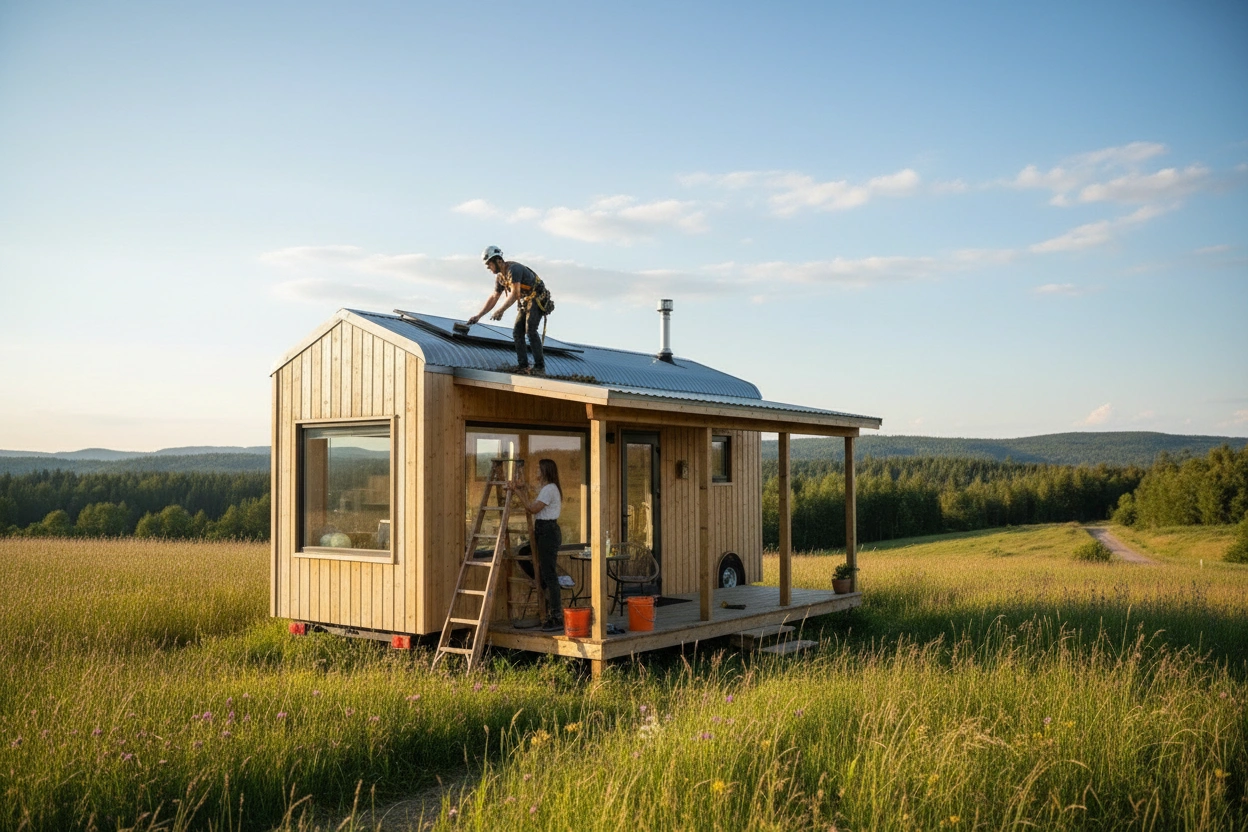
Maintaining a tiny house is not just about keeping the interior cozy and functional; it's also about ensuring the structural integrity and durability of the exterior, particularly the roofing. Tiny house roofing is an essential component that requires regular maintenance to withstand the elements while providing energy efficiency and aesthetic appeal. With the right care and the best roofing materials for tiny houses, you can ensure that your roof remains in excellent condition for years to come. This guide provides actionable insights and practical tips to help you maintain your tiny house roofing effectively.
Understanding Tiny House Roofing
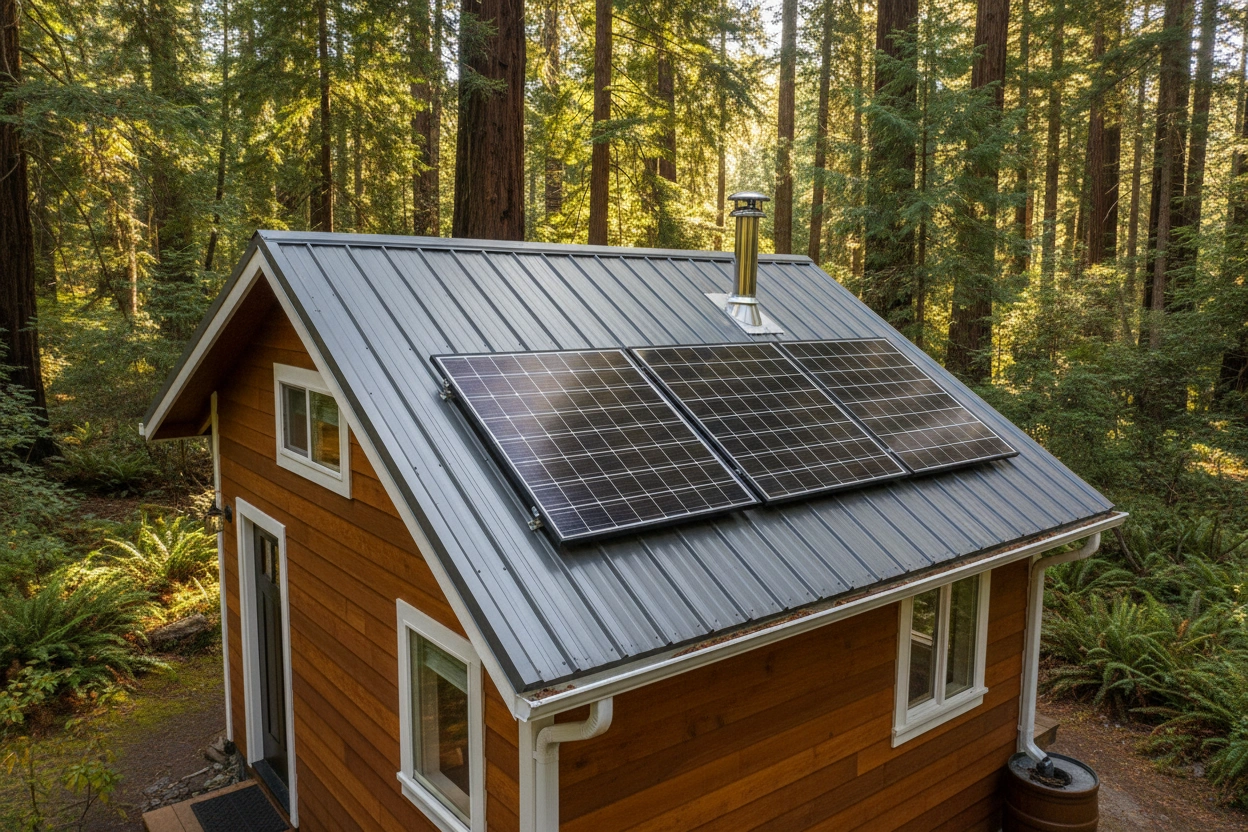
Tiny house roofing serves multiple purposes, including protection from weather conditions, insulation, and enhancing the overall aesthetic of your home. When selecting roofing materials, it is essential to consider factors such as weight, durability, insulation properties, and cost. The right roofing material can enhance the longevity of your tiny house while also minimizing maintenance requirements.
The Importance of Regular Maintenance
Regular maintenance of your tiny house roofing is crucial for several reasons. First, it helps to identify potential issues before they become significant problems. A small leak can quickly escalate into extensive water damage if not addressed promptly. Second, routine inspections can help you maintain energy efficiency, as a well-maintained roof improves insulation and reduces heating and cooling costs. Lastly, regular upkeep can prolong the lifespan of your roofing materials, ultimately saving you money in replacement costs.
Top 5 Roofing Types for Tiny Homes
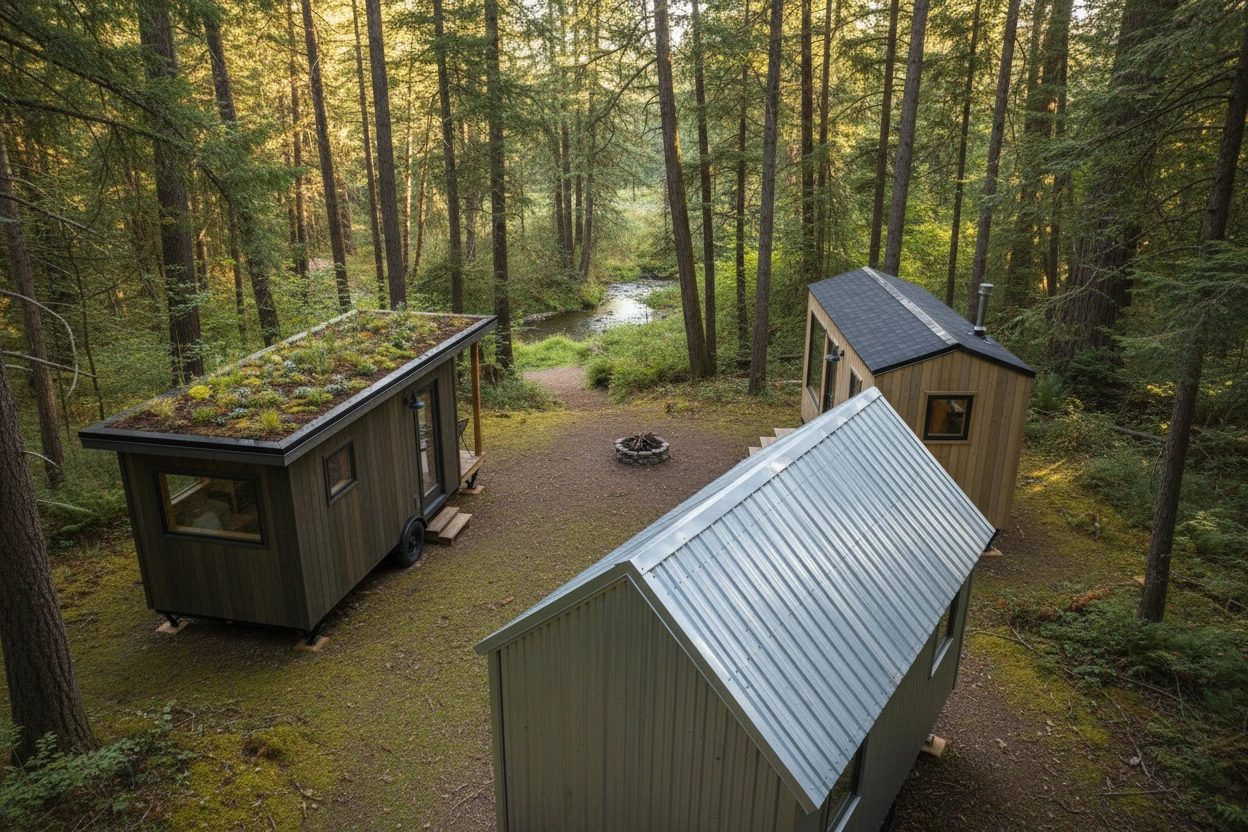
When it comes to tiny house roofing, the choice of materials can significantly impact the overall performance and maintenance needs. Here are five of the best roofing materials for tiny houses, each with its unique benefits.
1. Metal Roofing
Metal roofing is a popular choice for tiny houses due to its lightweight nature, durability, and resistance to extreme weather conditions. It can last for over 50 years with proper maintenance and is often made from recycled materials, making it an environmentally friendly option.
- Advantages: Long lifespan, fire-resistant, low maintenance.
- Considerations: Higher upfront cost, potential noise during rain.
2. Asphalt Shingles
Asphalt shingles are a common roofing material for traditional homes and can also be an excellent choice for tiny houses. They are affordable, easy to install, and come in various colors and styles to suit your aesthetic preferences.
- Advantages: Cost-effective, easy to replace, variety of styles.
- Considerations: Shorter lifespan (15-30 years), less durable in extreme weather.
3. Wood Shakes
Wood shakes provide a rustic appearance that many tiny house owners appreciate. Made from cedar or redwood, these shingles offer natural insulation properties and can be treated for enhanced durability.
- Advantages: Aesthetic appeal, good insulation.
- Considerations: Requires regular maintenance, vulnerable to rot and pests.
4. Slate Roofing
Slate roofing is known for its stunning appearance and longevity. It can last over 100 years, making it one of the most durable roofing options available. While it is heavier than other materials, it provides excellent insulation and weather resistance.
- Advantages: Extremely durable, fire-resistant, low maintenance.
- Considerations: High installation cost, requires a reinforced structure.
5. Rubber Roofing
Rubber roofing, made from recycled tires, is an eco-friendly option that is lightweight and flexible. It is particularly effective for flat roofs, providing excellent waterproofing and insulation.
- Advantages: Eco-friendly, easy to install, great for flat roofs.
- Considerations: May not be suitable for sloped roofs, can be prone to damage from sharp objects.
Essential Maintenance Tips for Tiny House Roofing
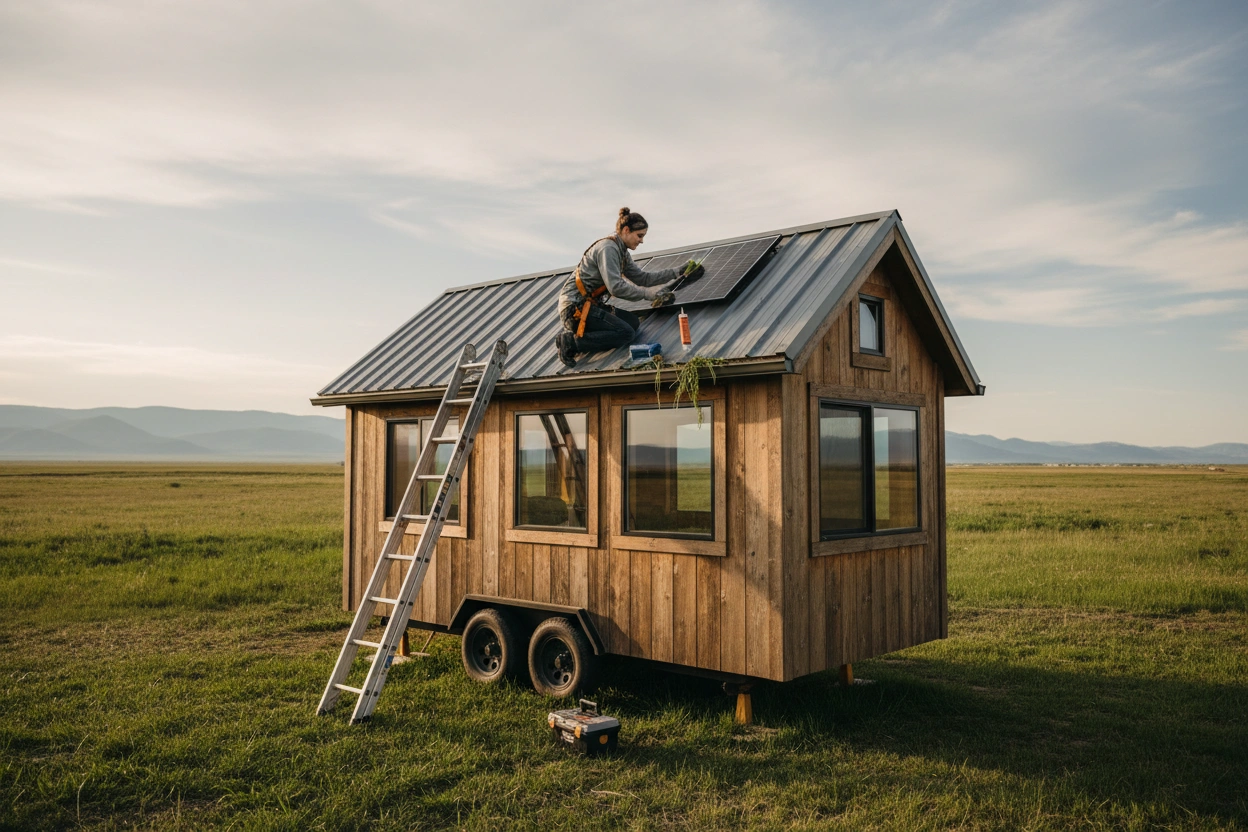
Regardless of the roofing material you choose, regular maintenance is key to ensuring its longevity. Here are some essential tips for maintaining your tiny house roofing.
Inspect Regularly
Conducting regular inspections is vital for identifying potential issues early. Aim to inspect your roof at least twice a year, ideally in the spring and fall. Look for signs of wear, such as:
- Cracked or missing shingles
- Rust on metal roofs
- Algae or moss growth
- Sagging areas
Clean Gutters and Downspouts
Clogged gutters and downspouts can lead to water pooling on your roof, increasing the risk of leaks and structural damage. Clean your gutters regularly, especially during the fall when leaves tend to accumulate.
- Remove debris from gutters.
- Flush downspouts with water to ensure proper drainage.
- Consider installing gutter guards to minimize future buildup.
Address Repairs Promptly
If you notice any damage during your inspections, address it immediately. Delaying repairs can lead to more extensive damage and higher repair costs. Common repairs may include:
- Replacing damaged shingles
- Sealing small leaks
- Reinforcing areas that show signs of sagging
Consider Professional Inspections
While DIY inspections are helpful, it can be beneficial to have a professional roofer assess your roof periodically. They can identify issues that may not be visible to the untrained eye and provide recommendations for maintenance or repairs.
Protect Against Weather Elements
Depending on your region, weather conditions can significantly affect your roof's lifespan. If you live in an area prone to heavy snowfall or ice, consider applying a snow guard to prevent ice dams from forming. Similarly, if you experience high winds, ensure that your roofing material is properly secured.
Common Mistakes to Avoid in Tiny House Roofing Maintenance
Maintaining your tiny house roofing can be straightforward if you avoid common pitfalls. Here are some mistakes to watch out for:
Neglecting Regular Maintenance
Failing to perform regular inspections and maintenance can lead to small problems becoming major issues. Set a schedule for inspections and stick to it.
Choosing Inappropriate Materials
Selecting roofing materials that do not suit your climate or the structure of your tiny house can lead to premature failure. Research the best roofing materials for tiny houses in your area and consult professionals if needed.
Ignoring Ventilation
Proper ventilation is essential for preventing moisture buildup in your roofing system. Ensure that your roof has adequate ventilation to reduce the risk of mold and deterioration.
Skipping Professional Help
While DIY maintenance can save money, some tasks are better left to professionals. For example, major repairs or installations should be handled by a qualified roofer to ensure safety and quality.
The Intersection of Tiny House Roofing and Maintenance
Understanding the various aspects of tiny house roofing maintenance is essential for maximizing the performance and longevity of your roof. By choosing the right materials, conducting regular inspections, and addressing repairs promptly, you can protect your investment and enjoy your tiny home for years to come.
For those looking for more information on tiny house roofing options and maintenance tips, TinyHouse.com provides a wealth of resources and guides to help you make informed decisions. Whether you're building or maintaining your tiny home, our site can be an invaluable asset in your journey.
To learn more about how to maintain your tiny house roofing, visit TinyHouse.com for expert advice and resources tailored to your needs. Contact TinyHouse.com today to get started on your tiny house journey!


.svg)


.jpg)