
How to Practice Simple Living for Stress-Free Family Life


In an increasingly fast-paced world, the concept of simple living is gaining momentum as more families seek to reduce stress and cultivate meaningful experiences. Simple living encourages individuals and families to prioritize what truly matters, leading to a more fulfilling lifestyle. By adopting this approach, families can enjoy less clutter, reduced stress levels, and a stronger sense of community. This article delves into practical strategies for simple living, including essential decluttering tips that create a serene home environment.
Understanding Simple Living
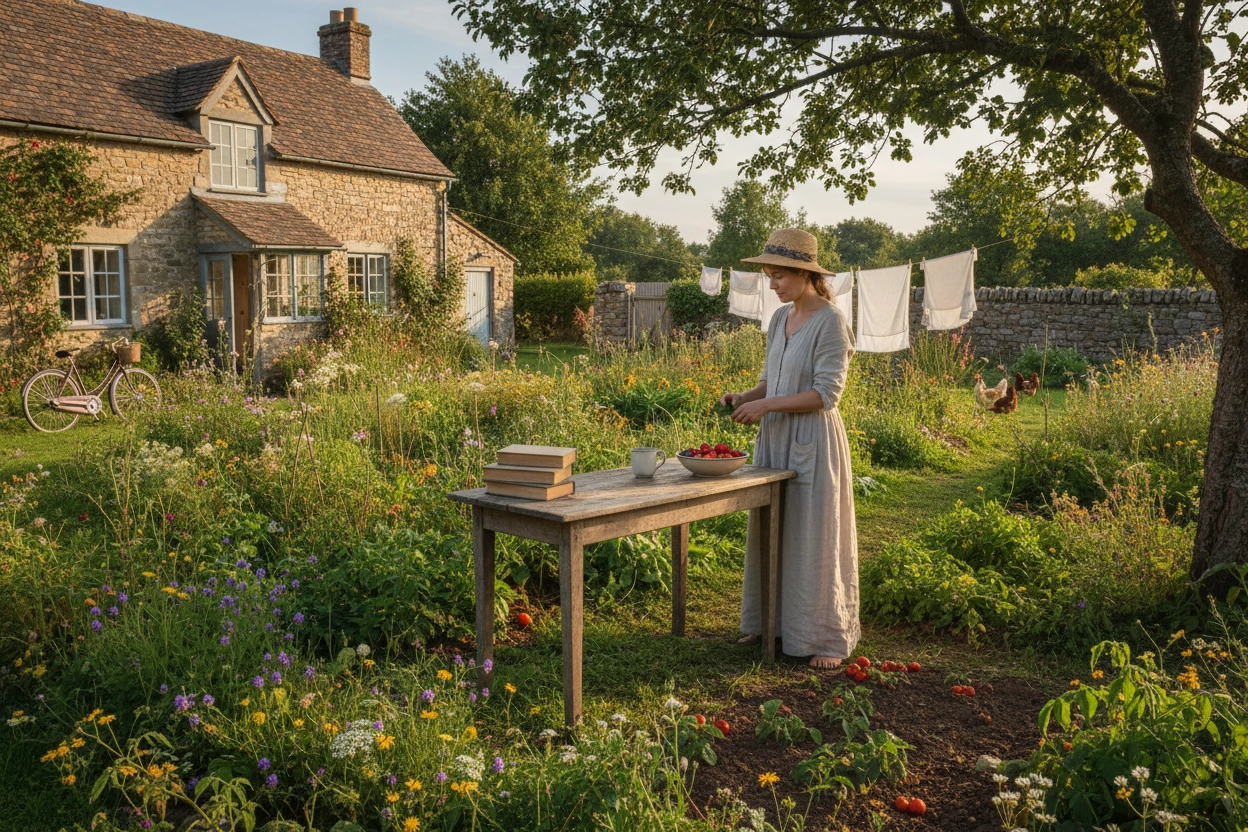
Simple living is not merely about minimizing material possessions; it encompasses a lifestyle choice that promotes sustainability, mindfulness, and intentionality. The essence of simple living lies in making conscious decisions about how to spend time, energy, and resources.
The Philosophy Behind Simple Living
At its core, simple living encourages individuals to focus on quality over quantity. This philosophy can extend to various aspects of life, including relationships, time management, and consumer choices. By prioritizing experiences over possessions, families can foster deeper connections and create lasting memories.
Benefits of Simple Living
- Reduced Stress: A decluttered space often leads to a decluttered mind. Families can experience lower anxiety levels and improved mental clarity.
- Financial Freedom: Simple living encourages mindful spending, which can result in significant savings over time.
- Environmental Sustainability: By adopting sustainable living practices, families can reduce their ecological footprint and contribute to a healthier planet.
Top 10 Decluttering Tips for a Simpler Home

Decluttering is a fundamental step in practicing simple living. Here are ten actionable tips to help families create a more organized and peaceful home environment.
1. Start Small
Begin the decluttering process in a small area, such as a single drawer or a closet. Tackling smaller spaces can make the task feel less overwhelming and provide a sense of accomplishment.
2. Set Clear Goals
Before starting, outline specific decluttering goals. Decide what you want to achieve, whether it’s creating more space, reducing distractions, or simplifying daily routines.
3. Use the Four-Box Method
Designate four boxes labeled: Keep, Donate, Trash, and Relocate. As you go through items, sort them into these boxes. This method provides a clear framework for decision-making.
4. Implement the One-Year Rule
If you haven’t used an item in the past year, consider letting it go. This rule helps identify items that may no longer serve a purpose in your life.
5. Involve the Whole Family
Make decluttering a family activity. Encourage everyone to participate by assigning tasks or areas to each family member. This not only makes the process more enjoyable but also fosters a collective sense of responsibility.
6. Adopt a “One In, One Out” Policy
To maintain a clutter-free environment, implement a policy where for every new item brought into the home, an old item must be removed. This practice helps control the influx of possessions.
7. Create a Donation Schedule
Set a regular schedule for donating items. Whether it’s once a month or quarterly, having a routine makes it easier to part with items you no longer need.
8. Organize with Purpose
When organizing, think about how frequently you use items. Store frequently used items in accessible locations and consider donating or discarding those that are rarely used.
9. Limit Sentimental Items
While it’s important to cherish memories, holding onto too many sentimental items can lead to clutter. Choose a few meaningful items to keep and consider taking photos of the rest.
10. Practice mindful consumption
Before purchasing new items, ask yourself if they align with your simple living goals. Consider their longevity, usefulness, and whether they will contribute positively to your life.
Common Misconceptions About Simple Living
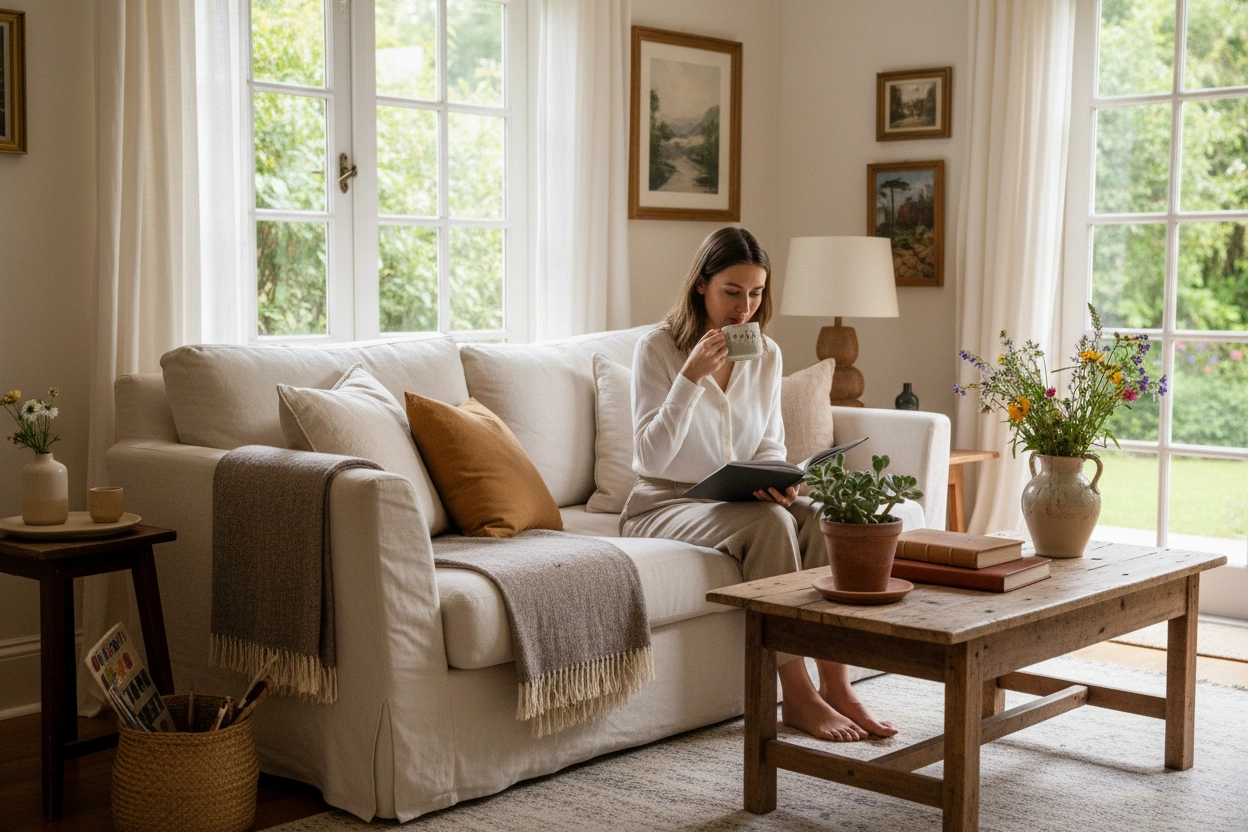
Understanding simple living involves addressing misconceptions that may hinder individuals from embracing this lifestyle.
Misconception 1: Simple Living Means Living with Less
While simple living often involves reducing material possessions, it does not mean living with nothing. It is about finding balance and keeping only those items that bring value to your life.
Misconception 2: Simple Living Is Only for Minimalists
Simple living is not exclusive to minimalists. It is a versatile approach that can be tailored to fit various lifestyles, making it accessible to anyone seeking a less complicated life.
Misconception 3: It Requires Extreme Sacrifices
Many people believe that embracing simple living means giving up all comforts. In reality, it is about prioritizing what is essential and meaningful, which can lead to greater satisfaction and happiness.
Implementing Sustainable Living Practices
Incorporating sustainable living practices into your simple living journey can enhance your family’s overall well-being while contributing positively to the environment.
Benefits of Sustainable Living
- Reduced Waste: Sustainable living practices focus on minimizing waste, which can lead to a cleaner environment.
- Cost Savings: Many sustainable practices, such as growing your own food or using energy-efficient appliances, can save money in the long run.
- Healthier Lifestyle: A commitment to sustainable living often involves healthier choices, such as consuming organic foods and reducing reliance on processed products.
Practical Sustainable Living Tips
- Grow Your Own Food: Starting a small garden can provide fresh produce and reduce grocery bills.
- Use Reusable Products: Replace disposable items with reusable alternatives, such as cloth bags, water bottles, and food containers.
- Practice Energy Conservation: Implement energy-saving practices, such as turning off lights when not in use and using energy-efficient appliances.
The Role of Community in Simple Living
Building a supportive community can enhance the experience of simple living. Engaging with others who share similar values can foster collaboration and provide encouragement.
Finding Like-Minded Individuals
Look for local groups or online communities focused on simple living and sustainable practices. Participating in workshops, meetups, or social media groups can help connect you with others who share your goals.
Sharing Resources and Knowledge
Communities can be a valuable resource for sharing tips, tools, and experiences. By collaborating with others, families can learn new strategies and gain motivation to continue their simple living journey.
The Intersection of Simple Living and Tiny Homes
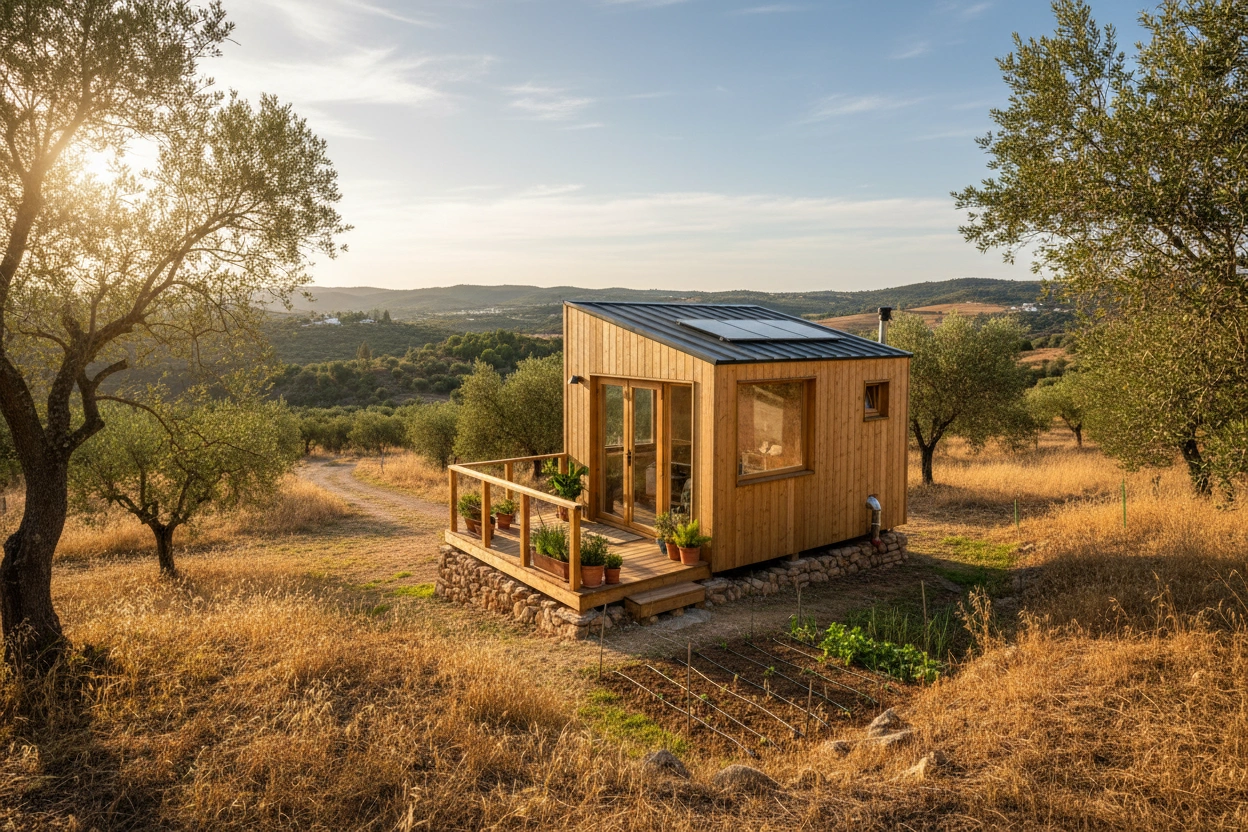
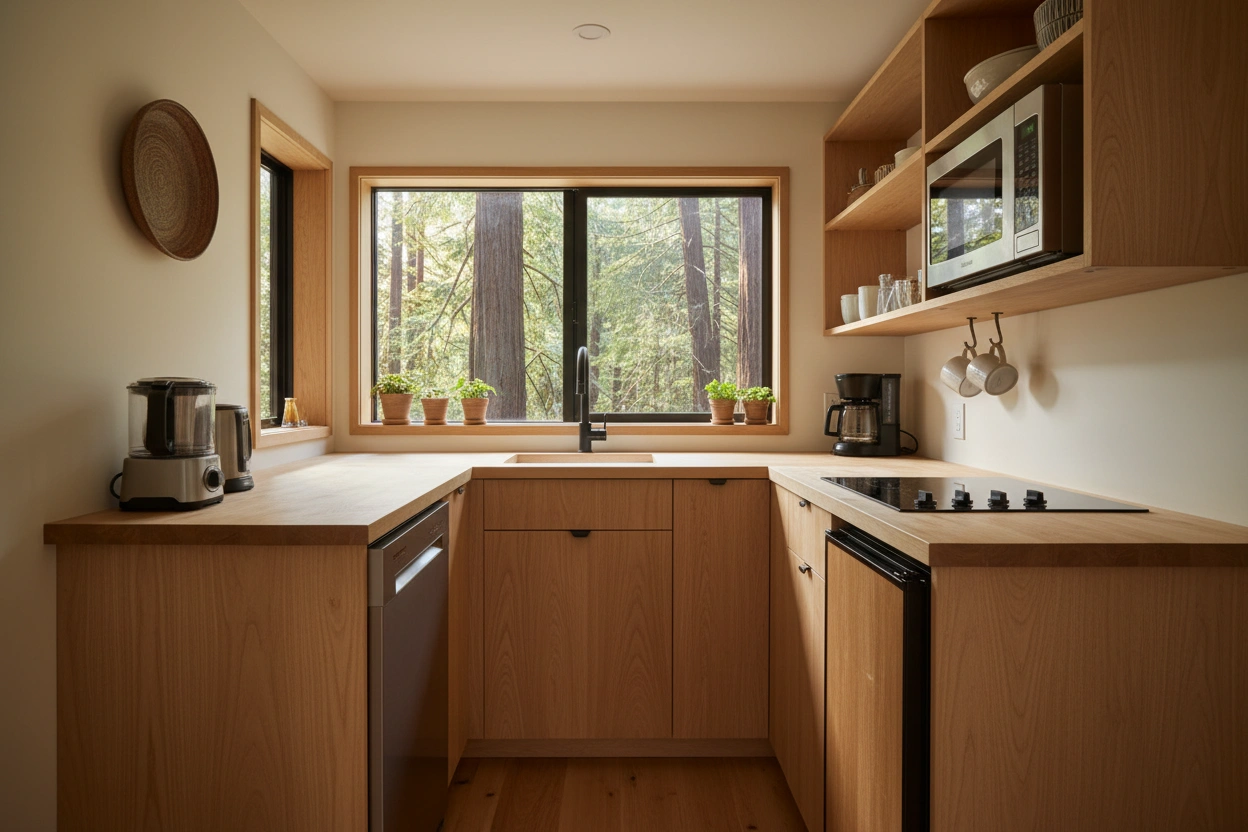
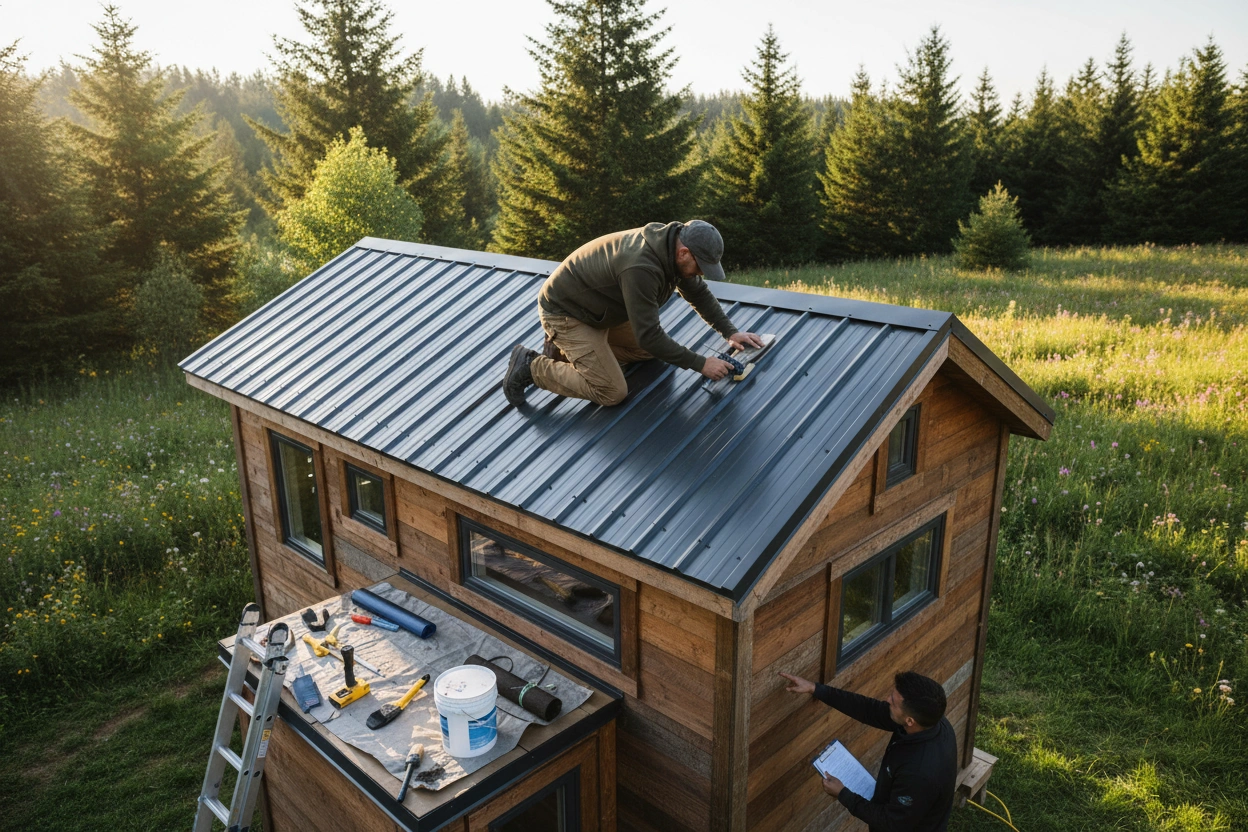
Tiny homes embody the principles of simple living by maximizing space while minimizing material possessions. As families seek to adopt a simpler lifestyle, tiny homes offer a practical solution that aligns with their values.
Benefits of Tiny Home Living
- Affordability: Tiny homes often come with lower purchase prices and reduced utility costs.
- Simplicity: Living in a smaller space encourages minimalism and intentional living.
- Connection to Nature: Many tiny homes are built in natural settings, fostering a deeper connection to the environment.
Making the Transition to Tiny Living
Transitioning to a tiny home requires careful planning. Here are essential steps to consider:
- Assess Your Needs: Evaluate your family's space requirements and lifestyle preferences.
- Research Tiny Home Options: Explore various tiny home designs and builders to find one that suits your needs.
- Plan for Downsizing: Prepare for the transition by decluttering and deciding what to keep or sell.
By embracing simple living and considering tiny home living, families can foster a lifestyle that prioritizes well-being, sustainability, and connection.
Embracing Simple Living with TinyHouse.com
The journey to simple living can significantly enhance family life by reducing stress and promoting intentionality. By implementing decluttering strategies and considering sustainable practices, families can create a nurturing home environment. TinyHouse.com is a valuable resource for those looking to explore the tiny home movement, offering guidance on building or buying a tiny home that aligns with your values. budget-friendly strategies for anyone interested in learning more about simple living and the benefits of tiny homes, visit TinyHouse.com for insights and resources. Embrace the simplicity and create a lifestyle that reflects what matters most to you.


.svg)
.jpg)