How to Reduce Heat in Your Home During Summer Naturally

.jpg)
As summer heat sets in, you might find your home becoming uncomfortably warm. Fortunately, there are natural methods to help keep your indoor space cooler without relying on air conditioning. By optimizing ventilation, using reflective materials, and incorporating strategic landscaping, you can create a more comfortable environment. Let’s explore effective strategies that not only improve your home's temperature but also enhance its overall ambiance.
- Use reflective window films and insulated curtains to block sunlight and improve indoor insulation.
- Promote airflow by opening windows at cooler times and using box fans to circulate fresh air.
- Add shades or awnings on windows to reduce direct sunlight and keep indoor temperatures lower.
- Opt for light-colored décor and breathable fabrics to reflect heat and create a cooler atmosphere.
- Plant shade trees and use indoor plants to naturally cool your space and improve air quality.
Effective Strategies to Keep Your Home Cool
When summer heat hits, keeping your home cool becomes a priority, and there are several effective strategies you can implement.
Start by using cooling materials like reflective window films or insulated curtains, which can greatly reduce heat retention. These materials block sunlight and help maintain a comfortable indoor temperature.
Next, consider optimizing your home's ventilation. Opening windows during cooler evenings allows fresh air to circulate, while strategically placing fans can enhance airflow.
Additionally, adding insulation to your attic and walls can minimize heat transfer, keeping your living space cooler.
Lastly, don’t forget to maintain your HVAC system to guarantee it runs efficiently.
Optimize Your Windows for Better Insulation
To effectively reduce heat in your home, optimizing your windows is essential. Start by applying window films, which can reflect sunlight and reduce heat gain. These films come in various shades, so you can choose one that matches your aesthetic while providing insulation.
Additionally, consider installing thermal curtains. These heavy drapes can block out heat during the day and keep your home cooler. Make sure to close them during peak sunlight hours for maximum impact.
If you have older windows, sealing any gaps can also improve insulation. By focusing on these strategies, you’ll create a more comfortable living environment and decrease your reliance on air conditioning, ultimately saving you money and energy.
.jpg)
How to Use Fans and Ventilation to Cool Your Home
After optimizing your windows, utilizing fans and proper ventilation can greatly enhance your home's comfort during the summer months.
Start by strategically placing fans to maximize air circulation. Position box fans in windows to draw in cooler air during the evening and push out hot air during the day. Ceiling fans should rotate counterclockwise to create a cooling breeze.
Don’t forget about cross-ventilation; open windows on opposite sides of your home to promote a natural airflow. This allows hot air to escape while cooler air enters.
Regularly check and clean your fans to guarantee they operate efficiently. By combining effective fan placement with proper ventilation, you can considerably lower your indoor temperature without relying on air conditioning.
Add Shades and Awnings for Natural Cooling
Adding shades and awnings can considerably enhance your home's cooling efficiency, especially during the sweltering summer months. By strategically placing these features, you can block direct sunlight, reducing indoor temperatures markedly.
Consider various shade materials like canvas, bamboo, or polyester; each offers different levels of UV protection and durability.
For awning styles, retractable options provide flexibility, allowing you to adjust coverage based on the sun's position. Fixed awnings, on the other hand, offer consistent shade for windows and patios.
You’ll find that combining both shades and awnings not only cools your home but also adds aesthetic appeal. Investing in these elements can lead to lower energy bills and a more comfortable living environment during the hottest months.
Decor Tips for a Cooler Home Environment
While you mightn't think of decor as a way to beat the heat, strategic choices can greatly lower your home's temperature. Start by selecting lighter color schemes, like whites, pastels, or cool blues, which reflect sunlight instead of absorbing it. These hues can create a more invigorating atmosphere.
Next, consider your textile choices. Opt for breathable fabrics like cotton or linen for curtains and upholstery, as they allow air circulation while blocking out heat. Avoid heavy, dark fabrics that trap warmth.
Additionally, incorporate natural materials, such as bamboo or wicker, which not only look great but also help maintain a cooler environment.
Best Plants for Natural Cooling
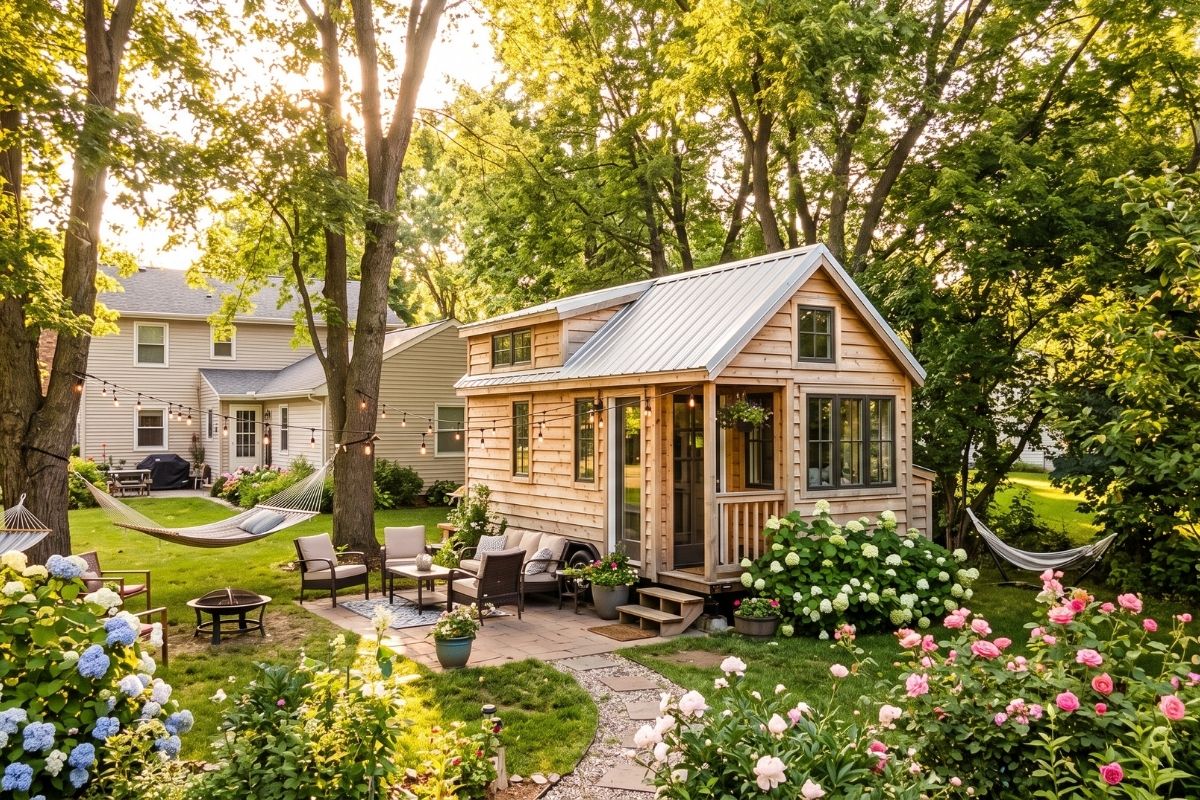
If you're looking to enhance your home's cooling without relying solely on air conditioning, incorporating specific plants can make a significant difference.
Shade trees outside your home can block harsh sunlight, lowering indoor temperatures effectively.
For indoor spaces, consider air purifying plants like snake plants or peace lilies, which not only improve air quality but also help with humidity control.
Cooling herbs such as mint and basil can add natural fragrances while keeping the air fresh.
Vertical gardens are another great option, maximizing space and providing extra shade.
Be strategic with plant placement near windows and in sunny spots to optimize their cooling effects.
Together, these plants create a more comfortable and naturally cooler environment.
Top DIY Projects for Beating Summer Heat
In addition to incorporating plants for natural cooling, tackling summer heat with DIY projects can markedly enhance your home’s comfort.
One effective approach is to create outdoor water features, like a small pond or fountain. These not only add aesthetic value but also cool the surrounding air through evaporation.
Building shade structures, such as pergolas or awnings, can provide relief from direct sunlight, further utilizing natural cooling techniques.
Additionally, consider insulating your windows with reflective films or shades to reduce heat gain indoors.
Finally, installing ceiling fans can improve air circulation, making your space feel cooler without relying on air conditioning.
Conclusion
By incorporating these natural strategies, you can considerably reduce heat in your home during summer. Optimize your windows, use fans wisely, and add shades to enhance ventilation. Don’t forget to choose lighter decor and incorporate plants that help cool your space. With a bit of effort and creativity, you can create a comfortable indoor environment without relying solely on air conditioning. Embrace these practical solutions and enjoy a cooler, more inviting home all summer long.


.svg)
.jpg)
.jpg)