How to Travel Full-Time in a Tiny House (Without Losing Your Mind)

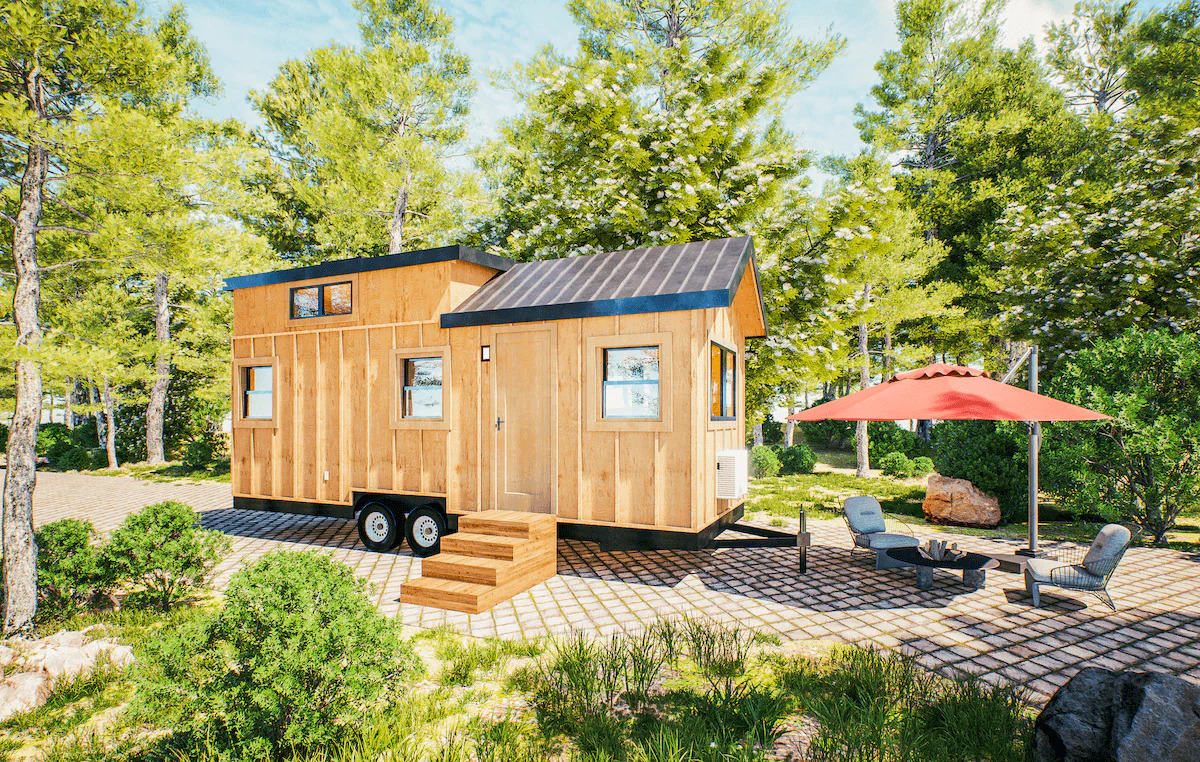
Traveling full-time in a tiny house can be both thrilling and challenging. You’ll need to navigate limited space while ensuring comfort and functionality. With the right planning, you can create a harmonious living environment that adapts to your lifestyle. But how do you find the perfect balance between adventure and organization? The answers might surprise you as you begin this unique journey.
- Choose a compact layout with multifunctional furniture to maximize living space and maintain organization while traveling.
- Prioritize essential utilities like solar power and rainwater collection for off-grid living, reducing stress on resources.
- Plan a flexible travel itinerary, allowing for spontaneous stops and downtime to recharge during your journey.
- Utilize vertical storage solutions and under-bed compartments to keep belongings organized and accessible while on the road.
- Regularly assess and declutter your space to maintain a minimalist lifestyle, ensuring a calm and manageable environment.
Choosing the Right Tiny House for Full-Time Travel
When choosing the right tiny house for full-time travel, what features matter most to you? You’ll want to explore various tiny house styles, each offering unique benefits.
Consider a trailer-based model for mobility; it makes relocating a breeze. Look for a layout that maximizes space, including multi-functional furniture and clever storage solutions.
Insulation is an essential feature, ensuring comfort in varying climates. Don’t forget about windows—natural light can make a small space feel larger.
A well-equipped kitchen and a cozy sleeping area are vital too. Think about your lifestyle and how each feature aligns with your travel goals.
Ultimately, your tiny house should reflect your vision of freedom on the road. Choose wisely, and you’ll be ready for adventure!
Must-Have Features for Full-Time Tiny House Living
After you've chosen the right tiny house for your adventures, it’s time to focus on the must-have features that make full-time living comfortable and practical.
Start with sustainable materials; they’re not just eco-friendly but also durable. Look for non-toxic finishes and energy-efficient appliances to minimize your environmental impact.
Next, invest in multifunctional furniture. A sofa that converts into a bed or a dining table that doubles as a workspace can maximize your living area.
These features not only save space but also enhance your lifestyle, allowing you to enjoy your tiny home to the fullest.
How to Maximize Storage in a Small Space
Maximizing storage in a tiny house is essential for maintaining a clutter-free environment, especially since every square inch counts.
Start by utilizing vertical storage; shelves that reach the ceiling can hold books, decor, or kitchen supplies, freeing up floor space.
Consider multi-purpose furniture, like a sofa that converts into a bed or an ottoman that doubles as storage.
You can also install hooks or pegboards for hanging items like pots, pans, or tools, keeping them accessible yet out of the way.
Don’t forget about under-bed storage for seasonal clothes or extra linens.
Setting Up Your Tiny House for Stability and Comfort
Creating a stable and comfortable tiny house starts with a solid foundation. Focus on design essentials that enhance stability solutions, like proper leveling and anchoring.
Incorporate mobility considerations by choosing lightweight materials and efficient interior layouts. Optimize your space with multifunctional furniture and clever storage solutions to guarantee every inch counts.
Make comfort upgrades, such as installing high-quality insulation for climate adaptations, to keep your home cozy in various environments.
Additionally, implement safety measures like secure window locks and smoke detectors. By prioritizing these elements, you’ll create a tiny house that not only feels like home but also stands strong against the challenges of full-time travel.
Enjoy your journey without sacrificing comfort or stability!
How to Plan Your Travel Itinerary on the Road?
Once your tiny house is set up for stability and comfort, it’s time to think about your travel itinerary. Start by using travel apps to find destinations that align with your interests and schedule.
Consider proximity to Wi-Fi hotspots for your remote work needs. Prioritize areas where you can balance work and exploration, ensuring you don’t feel rushed.
Map out your route, factoring in travel time between stops. Include flexibility in your plans—unexpected discoveries can be the most rewarding.
Research local attractions and activities, and don’t forget to plan rest days to recharge. By staying organized and using technology to your advantage, you’ll create a travel itinerary that enhances your tiny house adventure without overwhelming you.
Managing Utilities Off-Grid
While living off-grid in your tiny house offers freedom and adventure, managing utilities requires careful planning.
Start with solar power to harness energy efficiently; it’s your primary source. Implement energy efficiency measures to maximize usage—think LED lights and energy-saving appliances.
For water conservation, invest in a rainwater collection system and practice mindful usage. Portable utilities, like composting toilets, simplify waste management and reduce environmental impact.
Establish off-grid connections for backup systems, ensuring you’re prepared for emergencies. Regular resource planning helps you track your energy and water consumption, allowing you to adjust as needed.
Budgeting for Tiny House Travel
After mastering utility management off-grid, it’s time to turn your attention to budgeting for your tiny house adventures.
Start by creating a solid savings strategy. Determine your monthly living costs, including fuel, food, and campsite fees, and set aside a specific amount each month.
Use expense tracking tools to monitor your spending and adjust as needed. This helps you stay on top of your finances and avoid surprises.
Remember to factor in occasional maintenance costs and unexpected expenses, too. By prioritizing your budget and keeping it flexible, you can enjoy your travels without financial stress.
With careful planning, you can thrive in your tiny house lifestyle while exploring new places and experiences.
Maintaining Your Tiny House While on the Move
As you begin your tiny house travels, keeping your home in top shape is crucial for a smooth journey. Establish a maintenance schedule to stay ahead of any issues.
Regularly check for leaks, especially after heavy rain, and verify your plumbing and electrical systems are functioning well.
Create a list of travel essentials, like tools and cleaning supplies, to have on hand for quick fixes.
Before hitting the road, secure all items inside to prevent damage.
Don’t forget to inspect your tires and towing equipment regularly for safety.
How to Build Community While Traveling
Building a sense of community on the road can transform your tiny house experience into something truly enriching. Start by connecting with local networking groups and attending community events wherever you park.
Use social media to find online groups or travel meetups that align with your interests. Don’t hesitate to share resources with fellow travelers; you’ll find that many are enthusiastic to swap tips or lend tools.
Explore co-living spaces that offer a sense of belonging and collaboration. Engage in volunteer opportunities to give back while meeting locals.
How to Stay Organized in a Tiny Space?
Staying organized in a tiny space can feel challenging, but with the right strategies, it’s entirely manageable.
First, embrace a minimalist mindset. Assess what you truly need and let go of items that don’t serve you.
Next, utilize space-saving techniques like under-bed storage, wall-mounted shelves, and multi-purpose furniture. These will maximize your available space and keep clutter at bay.
Create designated zones for your belongings, so everything has a home. Regularly declutter to maintain order; a simple habit of revisiting your items monthly can work wonders.
Finally, use clear bins for visibility, making it easier to find what you need quickly.
With these tips, you’ll enjoy a tidy, functional tiny house while traveling full-time.
Conclusion
Traveling full-time in a tiny house can be an incredible adventure if you stay organized and flexible. Embrace the unique challenges, and remember to prioritize comfort and community. Keep your space tidy and make the most of your storage solutions to avoid feeling overwhelmed. With thoughtful planning and a willingness to explore, you’ll find joy in the journey. So, pack your essentials, hit the road, and enjoy every moment of this remarkable experience!


.svg)
.jpg)