
How to Use Simple Living for Sustainable Home Improvements


In recent years, the concept of simple living has gained traction as more individuals and families seek to reduce clutter, enhance their well-being, and embrace sustainability. Simple living is not just about minimizing possessions; it's a lifestyle that emphasizes intentionality, mindfulness, and sustainable choices. As we move further into 2026, the importance of sustainable living practices becomes increasingly evident. Simple living principles can lead to significant home improvements that are not only eco-friendly but also economically beneficial.
This article will provide actionable insights on how to implement simple living principles in your home, focusing on sustainable improvements. Additionally, we will cover the top ten decluttering tips to help create a more harmonious living environment.
Understanding Simple Living

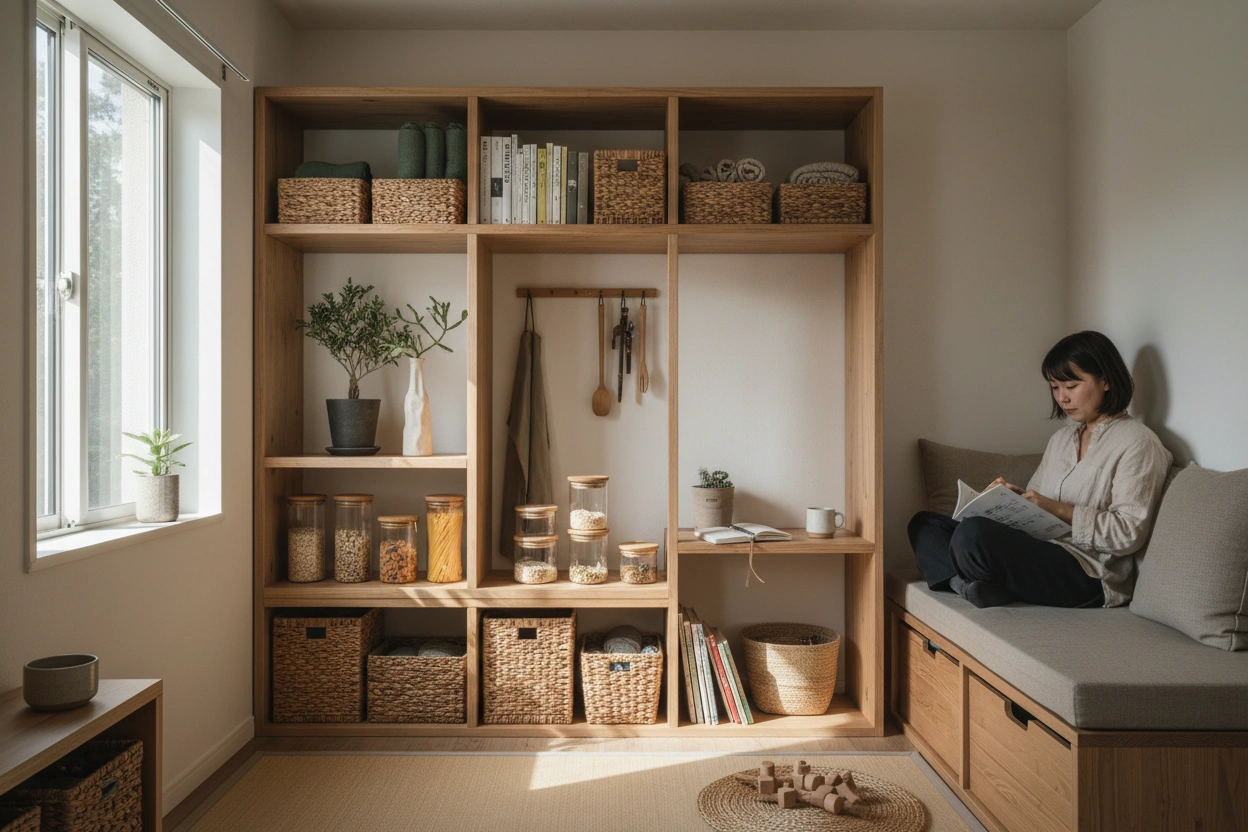
Simple living is often misunderstood as merely living with less. However, it's more about making conscious choices that align with one's values. This approach encourages individuals to focus on what truly matters, whether it's relationships, health, or personal growth.
The Philosophy Behind Simple Living
The philosophy of simple living promotes a lifestyle that prioritizes quality over quantity. It encourages people to evaluate their consumption habits and make adjustments that support sustainable living. This may involve choosing local products, reducing waste, or opting for renewable energy sources. By doing so, individuals not only enhance their quality of life but also contribute positively to the environment.
Benefits of Simple Living
Adopting a simple living approach can lead to numerous benefits:
- Financial Savings: Reducing unnecessary purchases can free up resources for savings or investments.
- Less Stress: A clutter-free environment is often associated with reduced anxiety and increased focus.
- Environmental Impact: Sustainable choices can significantly lower your carbon footprint, benefiting the planet.
Top 10 Decluttering Tips for a Simpler Home

Decluttering is a fundamental aspect of simple living, allowing for a more organized and peaceful home. Here are ten actionable tips to help you declutter effectively:
Start Small: Choose one area to declutter, such as a drawer or a closet. This makes the task manageable and less overwhelming.
Set Clear Goals: Define what you want to achieve with your decluttering efforts. This could be reducing the number of items in a specific space or creating a more functional layout.
Use the One-Year Rule: If you haven't used an item in the past year, consider letting it go. This rule helps in assessing the true value of possessions.
Organize by Category: Instead of decluttering room by room, organize items by category (clothes, books, kitchen items). This approach can reveal how much you own and help you make better decisions.
Utilize the Four-Box Method: Label four boxes as "Keep," "Donate," "Sell," and "Trash." This method simplifies the decision-making process and ensures items are sorted appropriately.
Practice Mindful Consumption: Before making new purchases, consider if the item aligns with your simple living goals. This practice can prevent clutter from accumulating again.
Embrace Digital Decluttering: Don’t forget about digital clutter. Unsubscribe from emails, delete unused apps, and organize files on your devices to create a more streamlined digital space.
Involve the Family: Encourage family members to participate in the decluttering process. This can foster a shared commitment to simple living and make the task more enjoyable.
Create a Donation Schedule: Regularly schedule time to donate items you no longer need. This keeps your home clutter-free and helps those in need.
Celebrate Progress: Acknowledge your decluttering achievements, no matter how small. Celebrating progress can motivate you to continue your simple living journey.
Sustainable Home Improvements Through Simple Living

Implementing simple living principles allows for sustainable home improvements that enhance both your living space and the environment. Here are several strategies to consider:
Energy Efficiency Upgrades
Investing in energy-efficient appliances and systems can significantly reduce your energy consumption. Here are some options to consider:
- LED Lighting: Switching to LED bulbs can cut energy usage by up to 75% compared to traditional incandescent bulbs.
- Smart Thermostats: These devices learn your schedule and adjust the temperature accordingly, optimizing energy use.
- Energy Star Appliances: Look for appliances that have the Energy Star label, indicating they meet strict efficiency guidelines.
Water Conservation Practices
Water conservation is a vital aspect of sustainable living. Implementing the following practices can help reduce water usage:
- Low-Flow Fixtures: Install low-flow showerheads and faucets to decrease water flow without sacrificing performance.
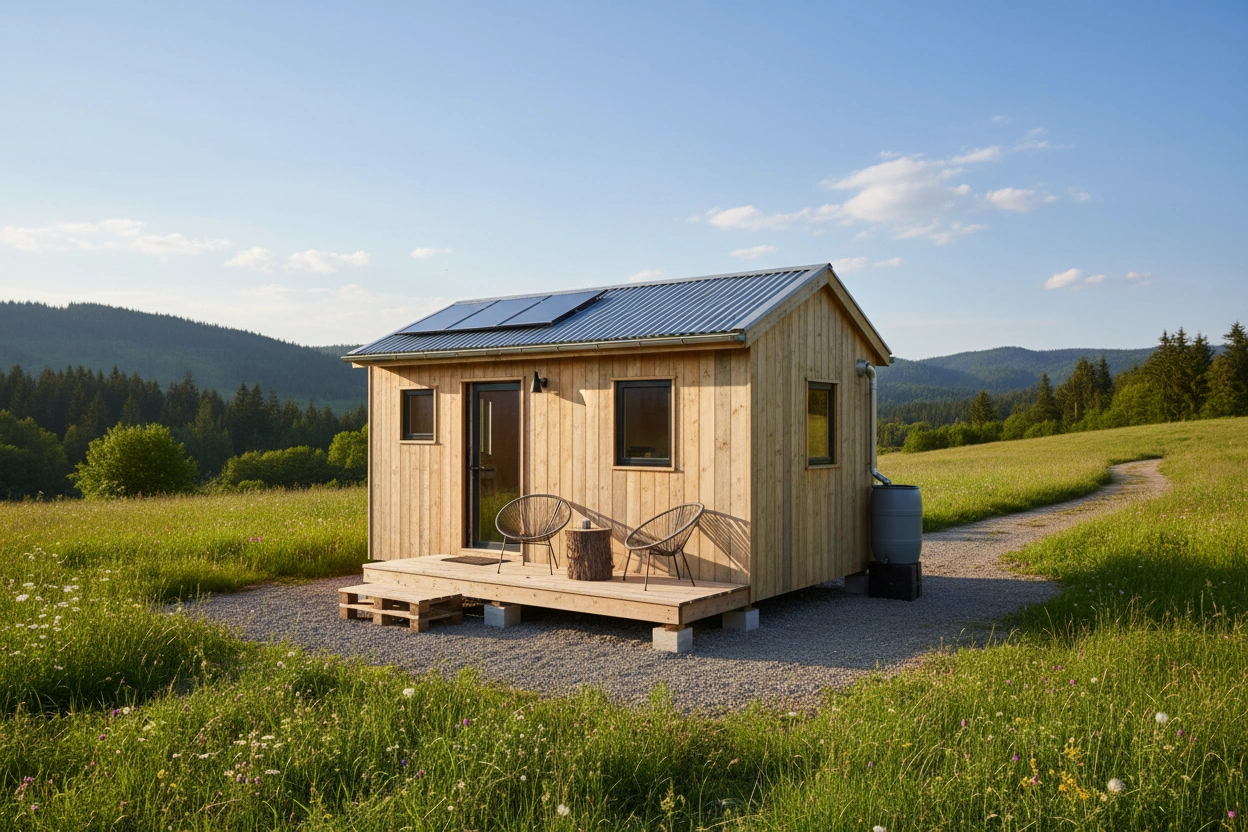
- Rain Barrels: Collect rainwater for outdoor use, such as watering plants or cleaning.
- Drought-Resistant Landscaping: Consider xeriscaping, which uses native plants that require less water and maintenance.
Sustainable Materials for Home Renovations
When undertaking home renovations, opting for sustainable materials can minimize your environmental impact. Consider these materials:
- Reclaimed Wood: Using reclaimed wood not only reduces deforestation but also adds character to your home.
- Bamboo Flooring: Bamboo is a rapidly renewable resource, making it a sustainable flooring option.
- Recycled Glass Tiles: These tiles can be used in kitchens and bathrooms, adding beauty while promoting recycling.
Composting and Waste Reduction
Integrating composting into your household routine can significantly reduce waste. Here’s how to get started:
- Set Up a Compost Bin: Choose a designated spot in your yard or purchase a compost bin for kitchen scraps and yard waste.
- Know What to Compost: Include fruit and vegetable scraps, coffee grounds, and yard debris. Avoid meat and dairy products to prevent odors.
- Monitor and Maintain: Turn your compost regularly to aerate it and speed up the decomposition process.
Common Misconceptions About Simple Living
There are several misconceptions surrounding simple living that can deter individuals from adopting this lifestyle. Addressing these myths can encourage a more accurate understanding of what simple living entails.
Misconception: Simple Living Means Living Without Comforts
Many believe that simple living requires sacrificing comfort and convenience. In reality, it is about making conscious choices that prioritize quality and sustainability over excess. You can enjoy modern comforts while still embracing a simpler lifestyle by choosing wisely what to keep and what to let go.
Misconception: It's Only for Minimalists
While minimalism and simple living share common principles, they are not synonymous. Simple living can be adapted to fit various lifestyles and preferences. It’s about finding balance and what works for you, whether that means living with fewer items or simply choosing to live more sustainably.
The Role of TinyHouse.com in Your Simple Living Journey
As you learn about simple living and its benefits, TinyHouse.com can be an invaluable resource. Whether you are considering downsizing, building a tiny home, or looking for tips on sustainable living, TinyHouse.com offers a wealth of information and support. Our platform provides guidance on navigating the tiny home movement, practical advice on home improvements, and insights into sustainable living practices.
Embracing Simple Living with TinyHouse.com
The principles of simple living align perfectly with the ethos of tiny homes. These compact spaces promote minimalism, sustainability, and intentional living. By adopting simple living practices, you can enhance your tiny home experience while contributing to a more sustainable future.
If you're ready to take the next step in your simple living journey, visit TinyHouse.com for resources, inspiration, and support tailored to your needs.
Join the Movement Towards Sustainable Living
Incorporating simple living practices into your home not only leads to a more organized and peaceful environment but also contributes to a sustainable lifestyle. By focusing on decluttering and making mindful choices, you can create a home that reflects your values and supports the planet.
Take action today by exploring the resources available at TinyHouse.com. Whether you're seeking to build, buy, or simply learn more about tiny living, our platform is here to assist you. Contact TinyHouse.com for more information and start your journey towards a simpler, more sustainable home.


.svg)
.jpg)
.jpg)