
How to Transition to a Simple Living Mindset with Slow Living Tips


The concept of simple living has gained significant traction in recent years, especially among those seeking to minimize clutter and prioritize experiences over possessions. In 2026, as sustainability continues to be a focal point for many individuals, the idea of adopting a slow living approach becomes even more relevant. This mindset encourages a lifestyle that values mindfulness, simplicity, and intentionality, which can lead to improved mental clarity and satisfaction. Transitioning to a simple living mindset involves embracing sustainable living practices while decluttering your home and life.
In this article, we will provide you with actionable insights and practical tips for adopting a simple living mindset. We will explore the top ten decluttering tips for creating a simpler home environment and how to incorporate slow living principles into your daily routine. By the end, you will have a clear understanding of how to simplify your life and create a more intentional living space.
Understanding Simple Living and Slow Living

What is Simple Living?
Simple living refers to a lifestyle that prioritizes minimalism, sustainability, and intentionality. It involves reducing excess in various aspects of life, from physical possessions to emotional clutter. Those who adopt this lifestyle often find that by simplifying their surroundings and commitments, they can focus more on what truly matters to them, such as relationships, experiences, and personal growth.
Common misconceptions about simple living include the idea that it requires severe sacrifices or a lack of ambition. In reality, simple living is about making conscious choices that align with your values and goals. It is not about depriving oneself but rather about curating a life that is fulfilling and meaningful.
The Principles of Slow Living
Slow living complements the simple living mindset by emphasizing mindfulness and intentionality in daily activities. This approach encourages individuals to slow down and appreciate the present moment, leading to reduced stress and increased well-being. Key principles of slow living include:
- Mindfulness: Paying attention to the present moment without judgment.
- Simplicity: Prioritizing essential activities and minimizing distractions.
- Sustainability: Making choices that benefit the environment and promote long-term well-being.
- Connection: Fostering deeper relationships with people and nature.
By integrating these principles into your life, you can create a more balanced and fulfilling lifestyle.
Top 10 Decluttering Tips for a Simpler Home
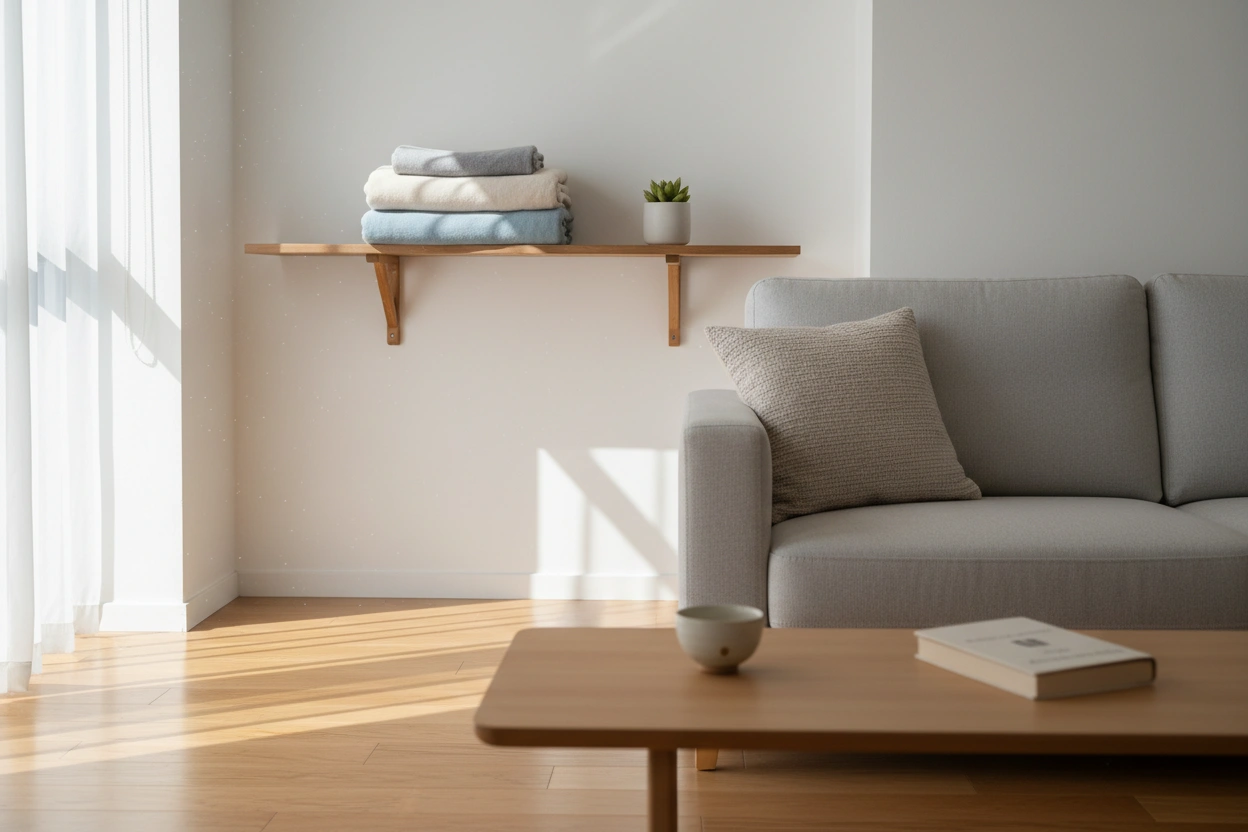
Decluttering is an essential step in transitioning to a simple living mindset. A clutter-free environment promotes mental clarity and allows for greater focus on what truly matters. Here are ten practical decluttering tips to help you simplify your home:
Set Clear Goals
Begin by defining what simple living means to you. Identify specific areas of your home that you want to declutter and establish realistic goals for each space.Start Small
Tackle one area at a time, such as a single drawer or a closet. This approach prevents overwhelm and allows you to see progress quickly.Use the One-Year Rule
If you haven't used an item in the past year, consider whether you truly need it. If it holds no sentimental value, it may be time to let it go.Create a Decluttering Schedule
Set aside regular time slots each week to focus on decluttering. Consistency is key to making lasting changes.Sort Items into Categories
As you declutter, categorize items into keep, donate, recycle, and discard piles. This method helps you make decisions more efficiently.Limit Storage Solutions
Resist the temptation to buy storage bins for items you don’t use regularly. Instead, focus on reducing the number of items you own.Involve the Family
Encourage family members to participate in the decluttering process. Discuss the benefits of simple living and involve everyone in decision-making.Practice Gratitude
As you let go of items, take a moment to appreciate their role in your life. This mindset shift can make it easier to part with possessions.Establish a "One In, One Out" Policy
For every new item you bring into your home, commit to removing an existing item. This practice helps maintain balance and prevents clutter from accumulating.Reflect on Your Progress
Regularly assess your decluttering efforts and celebrate your achievements. Reflecting on your progress can motivate you to continue simplifying your life.
Integrating Slow Living into Your Daily Routine

Adopting a simple living mindset goes beyond decluttering; it also involves incorporating slow living principles into your daily routine. Here are some strategies to help you embrace slow living:
Mindful Consumption
Choose Quality Over Quantity
Invest in high-quality items that serve a purpose and will last. This approach reduces waste and promotes sustainable living.Practice Intentional Shopping
Before making a purchase, ask yourself if the item aligns with your values and enhances your life. Avoid impulse buys that can lead to clutter.
Prioritizing Well-Being
Establish a Daily Routine
Create a daily schedule that includes time for self-care, relaxation, and reflection. Consistency fosters a sense of stability and reduces stress.Incorporate Nature into Your Life
Spend time outdoors, whether through gardening, hiking, or simply enjoying a walk. Nature has a calming effect and encourages mindfulness.
Fostering Connections
Limit Screen Time
Reduce the time spent on digital devices to foster deeper connections with people around you. Set boundaries for technology use, especially during family time.Engage in Meaningful Conversations
Prioritize quality interactions with loved ones. Engage in conversations that promote connection and understanding, rather than superficial exchanges.
Common Mistakes to Avoid When Transitioning to Simple Living
As you transition to a simple living mindset, be aware of common pitfalls that can hinder your progress:
Overcomplicating the Process
Many individuals attempt to overhaul their entire lives in a short period. This approach can lead to frustration and burnout. Instead, focus on gradual changes that feel manageable.
Holding onto Sentimental Items
It is natural to have attachments to certain possessions, but holding onto too many sentimental items can create clutter. Consider taking photos of these items and letting go of the physical objects.
Comparing Your Journey to Others
Every person's journey toward simple living is unique. Avoid comparing your progress to others, as this can lead to feelings of inadequacy. Focus on what works for you.
Ignoring Emotional Clutter
Decluttering is not just about physical possessions; it also involves addressing emotional and mental clutter. Take time for self-reflection and consider seeking support if needed.
Embracing Simple Living with TinyHouse.com
The transition to a simple living mindset, complemented by slow living principles, can lead to a more fulfilling and intentional life. By applying the decluttering tips and lifestyle changes discussed, you can create an environment that reflects your values and priorities.
TinyHouse.com offers valuable resources for those interested in embracing simple living through tiny homes. Whether you are looking to downsize, simplify your lifestyle, or explore sustainable living options, TinyHouse.com can guide you on your journey.
Visit TinyHouse.com to find out how you can take actionable steps toward achieving a simple living mindset. Embrace the freedom that comes with simplicity and discover how tiny living can enhance your life.


.svg)


.jpg)