
The Importance of Roof Tiles in a Pitched Roofing System

.jpg)
A pitched roof is one of the most recognisable features of a home, but it is also one of the most misunderstood. From the ground, it can look like a simple arrangement of tiles laid neatly across a slope. In reality, a pitched roofing system is a carefully layered structure, with each component playing a specific role in keeping the building dry, insulated, ventilated and structurally sound.
Roof tiles sit at the front line of that system. They are the part most exposed to wind, rain, frost, heat and airborne debris, and they have a major influence on the roof’s performance over time. Choosing the right tiles is not just a matter of colour or kerb appeal. It affects durability, maintenance, weather resistance, planning compliance and even the long-term value of a property.
Roof Tiles as the First Line of Defence
The primary job of roof tiles is to shed water. On a pitched roof, rainwater should move quickly down the slope and into the guttering system, rather than lingering on the surface or finding its way into the structure below. Tiles are designed to overlap in a way that creates a weather-resistant outer layer while still allowing the roof to breathe.
This overlap is crucial. Even the best tile is not intended to act alone. It works with underlay, battens, flashing, ridge systems and ventilation components to create a complete roof. When tiles are poorly installed, incorrectly specified or damaged, water can bypass that first protective layer and place additional pressure on the underlay. Over time, this may lead to damp insulation, timber decay, mould growth or internal staining.
Wind resistance is another important factor. In exposed areas, roof tiles must be able to cope with uplift forces, driving rain and sudden changes in weather. This is why tile fixing specifications matter. The correct combination of nails, clips and mechanical fixings depends on the roof pitch, tile type, local exposure and building height.
Why Tile Choice Matters More Than It First Appears
Not all roof tiles perform in the same way. Material, profile, weight and size all influence how a roof behaves. Clay tiles, for example, are valued for their colour longevity and traditional appearance. Concrete tiles are widely used because they are cost-effective, strong and available in many profiles. Slate, whether natural or manufactured, offers a distinctive finish and can be ideal for certain architectural styles.
The choice also affects the minimum pitch of the roof. Some tiles are designed for lower pitches, while others require steeper slopes to drain effectively. Installing a tile below its recommended pitch can increase the risk of water ingress, particularly during heavy rain combined with wind.
This is where early specification becomes important. Architects, contractors and homeowners need to think about the roof as a complete system rather than selecting tiles in isolation. For anyone comparing different options, it is helpful to explore reliable ranges of pitched roofing materials and consider how each tile type suits the building’s pitch, exposure, weight limits and visual character.
The Role of Roof Tiles in Weather Performance
Rain, Frost and Temperature Changes
In the UK, roof tiles face a demanding climate. Rainfall is frequent, freeze-thaw cycles are common in winter, and summer heat can cause repeated expansion and contraction. High-quality tiles are manufactured to withstand these conditions, but their performance still depends on correct installation.
Frost resistance is especially important. If a tile absorbs too much moisture and then freezes, it may crack, flake or weaken over time. This is one reason why reputable tile testing and compliance standards matter. A roof is expected to last for decades, so small differences in material quality can become significant later.
Thermal movement also has to be considered. Roof systems expand and contract as temperatures change, and tiles need enough tolerance within the fixing and laying pattern to accommodate this movement without stress.
Wind-Driven Rain and Exposure
A roof in a sheltered suburban street will not face the same conditions as one on a coastal hillside. Exposure level affects tile selection, lap requirements and fixing methods. In high-risk locations, specifications may require additional fixings or particular tile profiles to improve resistance to wind-driven rain.
This is why local knowledge is valuable. A tile that performs perfectly well in one region may be less suitable elsewhere if the roof pitch is shallow or the site is heavily exposed. Good roofing decisions are always contextual.
Structural and Practical Considerations
Roof tiles add weight to a building, and that weight must be supported by the roof structure. Concrete and clay tiles are heavier than many lightweight alternatives, while natural slate varies depending on thickness and format. Before changing from one tile type to another, particularly during refurbishment, it is important to confirm that the roof structure can carry the load.
Tile size also affects installation. Larger-format tiles can cover a roof more quickly and may reduce labour time, but they are not suitable for every design. Smaller tiles often work better on complex roof shapes, dormers, valleys and heritage-style properties because they allow more flexibility around details.
A few practical points should always be reviewed before tile selection is finalised:
- The roof pitch and manufacturer’s minimum pitch requirements
- Local exposure to wind, rain and coastal conditions
- Structural load capacity and tile weight
- Compatibility with ridges, valleys, vents and flashings
- Planning restrictions or conservation area requirements
- Long-term maintenance expectations
These considerations may seem technical, but they are exactly what separates a roof that merely looks right from one that performs properly.
Roof Tiles and Energy Efficiency
Roof tiles do not provide insulation by themselves in the way loft insulation or rigid boards do, but they still contribute to the wider thermal performance of a pitched roof. A well-tiled roof helps keep the weather out, protects insulation from moisture and supports effective ventilation. If insulation becomes damp, its performance drops, which can increase heat loss and energy bills.
Ventilation is often overlooked. A pitched roof needs controlled airflow to reduce condensation risk, especially in colder months when warm, moist air from inside the home rises into the roof space. Tile vents, dry ridge systems and appropriate underlay choices all help maintain that balance. Without ventilation, even a roof that is watertight from the outside can develop problems from within.
.jpg)
Appearance, Character and Property Value
While performance comes first, appearance still matters. Roof tiles contribute heavily to the character of a property. They influence how a home sits within its surroundings, whether that is a rural village, a modern development or a period street.
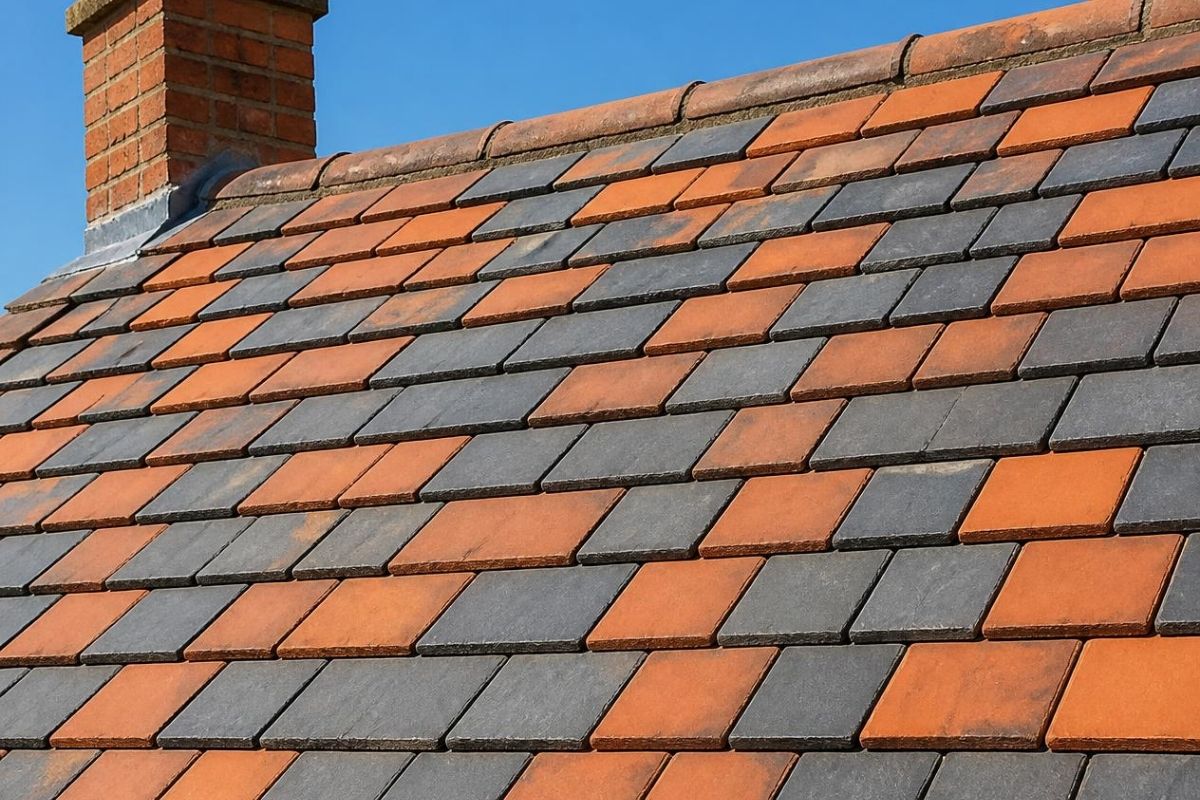
Colour, texture and profile can dramatically change the impression of a building. A flat slate-effect tile gives a very different look from a bold Roman profile or a handmade clay plain tile. For extensions and refurbishments, matching existing tiles can be one of the most important design decisions. A poor match may draw attention for all the wrong reasons, while a sympathetic choice helps the new work blend naturally with the original structure.
In areas with planning controls, roof tile selection may be subject to approval. Conservation officers often look closely at materials, especially where traditional clay tiles or natural slate form part of the local architectural identity.
Maintenance and Longevity
A well-installed tiled roof should require relatively little maintenance, but “low maintenance” does not mean “no maintenance”. Periodic inspections can identify slipped, cracked or missing tiles before they lead to bigger issues. Gutters should be kept clear, moss growth monitored and flashing checked around chimneys, rooflights and abutments.
After storms, it is sensible to inspect the roof from ground level or ask a professional to check it safely. Small defects are usually easier and cheaper to repair early. Left untreated, a single damaged tile can allow water to reach the layers beneath, gradually compromising the wider system.
A Small Component with a Big Responsibility
Roof tiles may be only one part of a pitched roofing system, but their importance is hard to overstate. They protect the building from the weather, shape its appearance, influence its maintenance needs and contribute to long-term durability.
The best roofing decisions are made when tiles are considered alongside pitch, exposure, structure, ventilation and detailing. In other words, the tile is not just a surface finish. It is an active, functional part of the roof.
For homeowners, specifiers and contractors alike, taking the time to choose the right roof tile is an investment in the building’s future. A pitched roof is expected to perform quietly for decades. The tiles you choose are a major reason why it can.


.svg)



.jpg)