Is a Compact Flat a Good Investment? A Simple Guide

.jpg)
Have you ever wondered whether a small flat can be a good real estate investment? Many buyers today are moving away from big homes and looking at smaller, smarter options instead. Rising property prices and changing lifestyles are pushing people to rethink what a good investment actually means.
Compact homes can offer a lower entry cost and may appeal to buyers looking for affordability and rental potential. They are easier to manage and often fit better into a working professional's budget and daily routine. Beyond size, factors like neighborhood safety, gated security and access to daily amenities often matter just as much to buyers. A well-connected locality with reliable security, nearby markets and essential services can make even a smaller flat feel far more livable. But size alone does not decide whether a property is a smart buy or not.
Before you judge a flat by its size, let's find out if going compact is really a smart money move or just a compromise.
What Exactly Is a Compact Flat
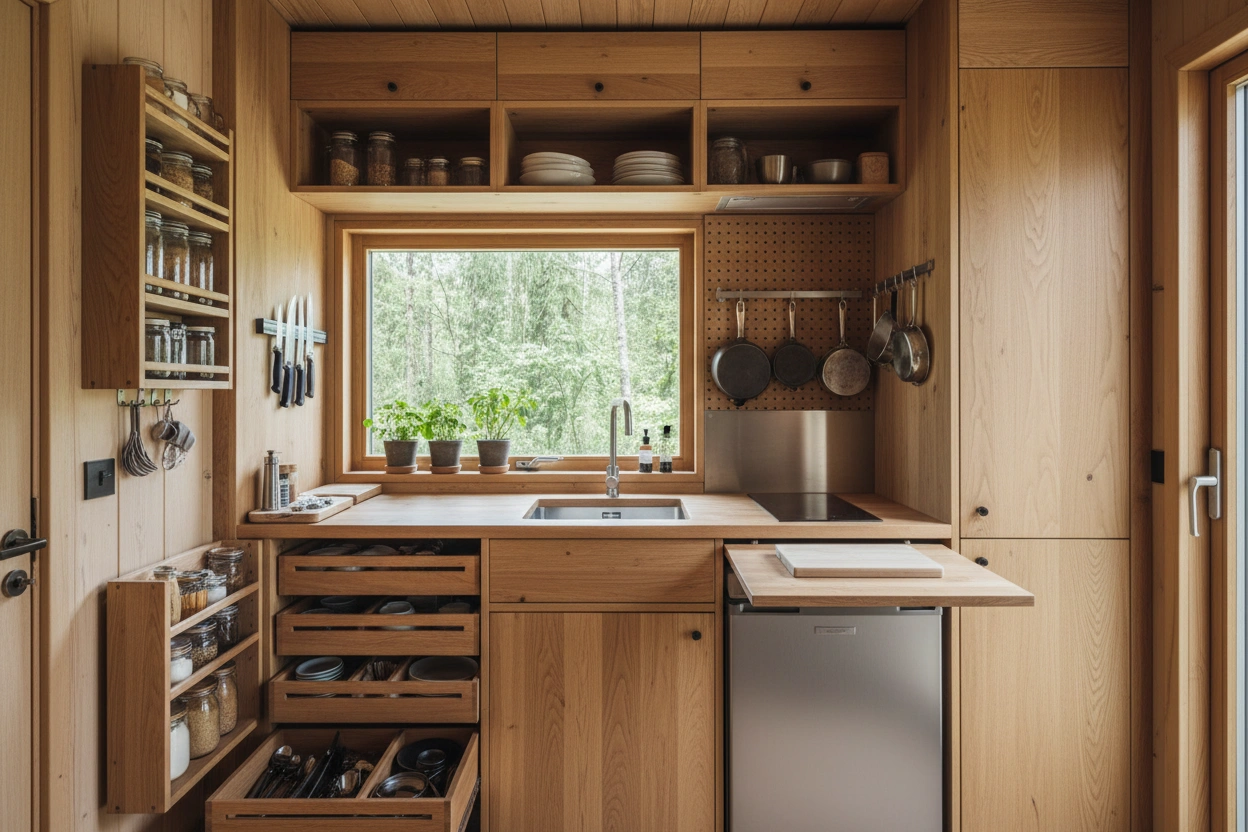
A compact flat is a smaller home planned to use space wisely and efficiently. It may include one or two bedrooms along with the essential living areas. These flats are built for people who want comfort without wasting space or money.
Builders design them smartly so nothing feels missing. You get a bedroom, a kitchen, a living area and a bathroom all fitted in a smaller footprint. The idea is to give full functionality in a smaller package.
Why People Are Choosing Compact Flats Today
Cities are growing fast and land is becoming expensive every year. Because of this more buyers are shifting towards smaller and smarter homes. People want a good location more than a big house.
Young professionals and small families are leading this trend. They prefer flats that are easy to maintain and easy to afford. Compact flats can fit this lifestyle because they are generally easier to maintain and may cost less than larger homes.
The Benefits of Investing in a Compact Flat
Lower Price and Easy Entry
The biggest advantage of a compact flat is its price. Since the size is smaller, the total cost is much lower than a bigger flat. This makes it easier for first-time buyers to enter the property market.
Most people who buy their first home also take a home loan, so it helps to know the tax rules on home loan interest. The tax benefit can be different if you live in the house yourself or give it on rent. It can also be different under the old and new tax systems. Before you decide, check the latest rules or ask a tax expert.
Buying your first home is a big decision and it always helps to have the right resources before you commit. If you are exploring budget-friendly options for a smart start, online property platforms can make this process much easier.
These platforms let you filter homes by budget, location and type, so you don't have to check many listings yourself. Before finalizing anything, compare a few options so you know you're getting fair value for your money.
High Rental Demand
Compact flats appeal to students, working professionals and small households, especially when they are located near offices, colleges and public transport. In areas with strong tenant demand, this can support regular rental income.
If you want to shortlist flats in such locations, platforms that list verified properties let you filter by budget and area, so you can compare options quickly. Rental yield typically depends on the purchase price, the monthly rent the area can support and how consistently the flat stays occupied. .
If you are buying with a home loan, it also helps to understand the tax rules on home loan interest, as the deduction can differ for let-out and self-occupied properties and between tax regimes. Check current rules or consult a tax professional before you decide.
Lower Maintenance Cost
Bigger homes need more money for repairs, cleaning and general care . A compact flat on the other hand is easier and cheaper to maintain. Less space simply means less cost and less effort.
This benefit becomes very useful for working individuals who have limited time. You spend less on maintenance and more on things that matter to you. It is a practical choice for a busy lifestyle.
Easy to Sell Later
Compact flats usually attract a wide range of buyers because they are affordable. Whether it is a student, a couple or an investor most people can consider buying one. A wider pool of potential buyers may support resale, but the actual resale time depends on factors such as location, price, property condition and market demand.
The Downsides You Should Know
Limited Space for Families
A compact flat may feel tight once your family starts growing. Extra members or extra furniture can make the space feel crowded quickly. This is something every buyer must think about honestly.
If you are planning children or expecting relatives to stay often this could be a challenge. Space limitations are a real factor and should never be ignored while investing.
Resale Value Can Vary
Not every compact flat grows in value at the same pace. Location quality and construction play a huge role in this. A flat in a poor location may struggle to gain value even after many years.
This is why buyers should never invest blindly just because the price is low. Before you decide, you can check housing price trends across Indian cities on NHB ORG to see how property values have actually moved over time. A smart investment always depends on smart research and not just an attractive price tag.
Loan and Bank Restrictions
Some banks apply stricter rules for very small flats especially in certain cities. This can affect your loan amount or approval process. It is always wise to check with your bank beforehand.
Understanding these restrictions early can save you from last minute stress. A little research here goes a long way in making your buying process smooth.
Things to Check Before You Invest
Location
Location remains the most powerful factor in real estate no matter the flat size. A compact flat in a good location may perform better than a larger flat in a weaker location. Always prioritize connectivity, schools, offices and public transport.
A good location also ensures steady rental demand and faster appreciation. This single factor can decide whether your investment grows or stays stagnant.
Builder Reputation
Always check the builder's past projects before signing any agreement. A trusted builder ensures better construction quality and timely possession. This protects your money and your peace of mind.
Poor construction can lead to frequent repairs and lower resale value. So spend some time researching the builder just like you research the flat.
Future Growth Potential
Look for areas that are developing rapidly with new infrastructure projects. Upcoming metro lines, highways or IT parks can boost property value significantly. These signs often hint at strong future returns.
Instead of choosing a flat only because it looks attractive today it is smarter to look at properties that make more sense for your long term goals. This simple shift in thinking can make a huge difference in your investment journey.

Compact Flat vs Bigger Flat: Which One Wins
There is no single right answer here because it depends on your goals. If you want affordability, strong rental income and easy resale a compact flat wins. If you need more space for a growing family a bigger flat may suit you better.
Some investors may consider compact flats because of their lower purchase cost and potential rental demand. However, returns and risk depend on the property, location, price and market conditions. Families looking for long term comfort might lean towards bigger homes instead. Your personal needs should guide this decision more than trends.
Compact Flat Amenities, Security and Neighborhood
A flat is not just about how big it is and what surrounds it matters just as much for your daily comfort and safety. Before you invest, take a closer look at these things so you don't regret it later.
- Security – Check if there are guards or CCTV cameras or a gated entry and this matters a lot if you work late or if you're buying for your family
- Neighborhood – Walk around the area at different times of the day and see if it stays quiet and clean because this makes a real difference to how much you enjoy living there
- Basic amenities – A working lift and proper parking and steady water supply and power backup are not luxuries and these are basics so don't skip checking them
- Nearby facilities – See how far you are from a hospital or school or market or bus stop and shorter distances save you time every single day
- Community and upkeep – Talk to a few existing residents if you can because a well kept society with friendly neighbors often says more about a place than any brochure
Price and location often get all the attention but these small details are what actually decide your day to day happiness in a home. A flat that checks these boxes may cost a little more but it saves you from bigger headaches later and that makes it worth the extra money.
Final Tips Before You Sign the Papers
Always visit the property physically before making any decision. Photos can hide many real issues that only a visit can reveal. Never skip this important step no matter how convincing the listing looks.
Compare prices of similar flats in the same area before finalizing anything. This helps you understand if you are getting a fair deal or not. A little comparison can save you a lot of money.
Read all legal documents carefully and confirm proper approvals and clear titles. Legal safety is just as important as location and price. Never ignore paperwork even if everything else feels perfect.
Conclusion
A compact flat can be a smart investment when the location, price, builder reputation and rental demand align with your goals. While its smaller size offers a lower entry cost and easier maintenance, actual returns depend on the individual property and local market conditions.
Don't buy just because the price feels tempting. Research the area, verify the builder, and check every document carefully before you commit. This simple effort can protect your money and lead to a smarter decision.


.svg)
.jpg)