
Top Roof Styles for Tiny Houses: Inspiration and Tiny House Roofing Tips

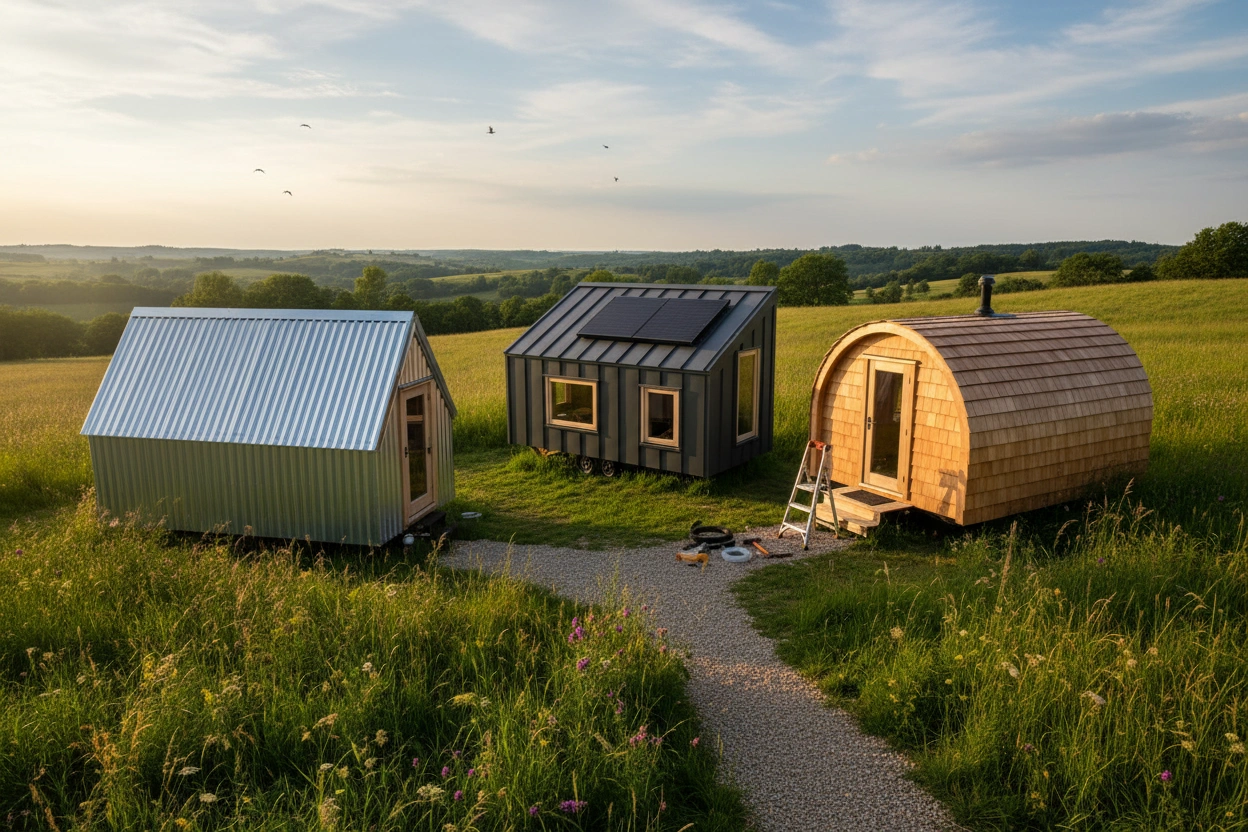
Tiny houses have captured the imagination of many aspiring homeowners, offering an affordable and minimalist lifestyle. One of the most crucial aspects of building a tiny home is selecting the right roofing style and materials. The roof not only protects the structure from the elements but also contributes to the overall aesthetic and functionality of the home. In this article, we will explore various roof styles suitable for tiny houses, along with essential insights on tiny house roofing and the best roofing materials for tiny houses.
Understanding Tiny House Roofing
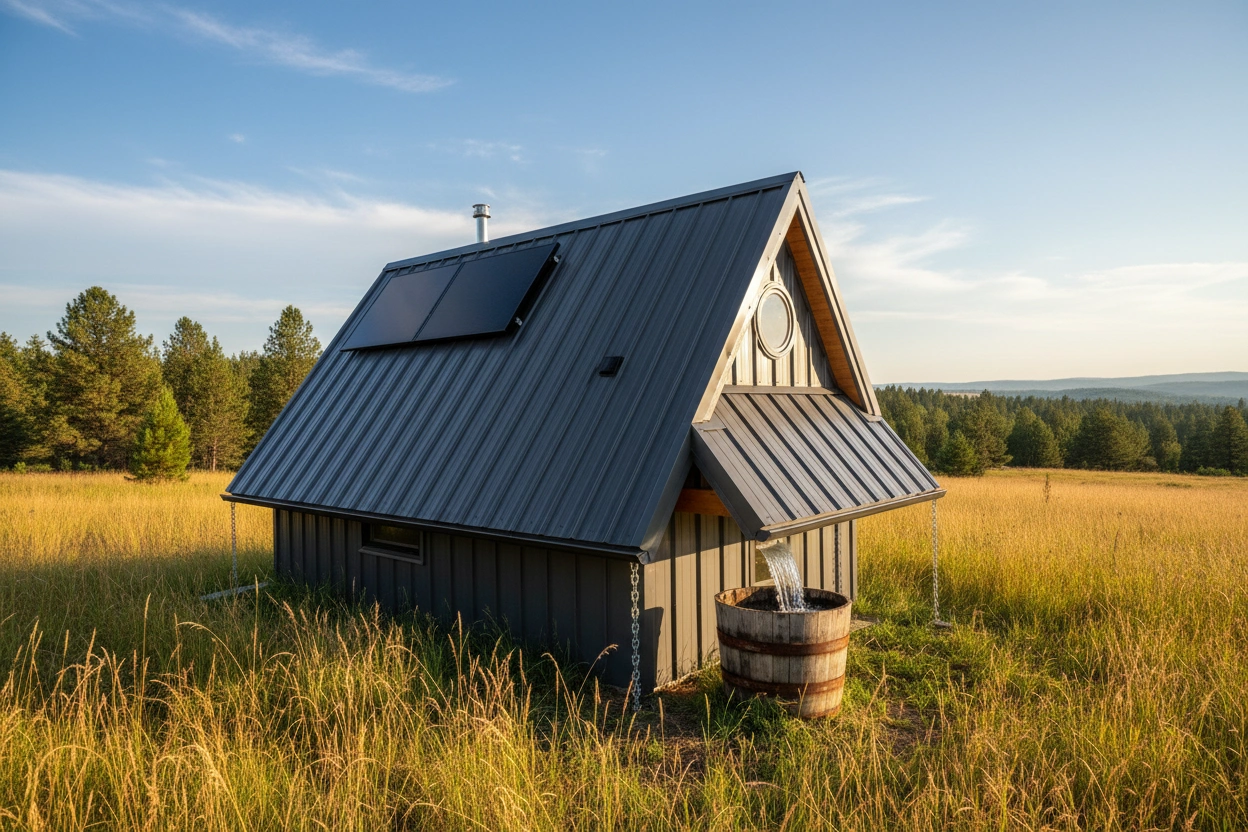
When it comes to tiny house roofing, there are several considerations to keep in mind. The choice of roofing style can significantly impact the overall design, energy efficiency, and durability of your tiny home. Additionally, different roofing materials come with their own set of advantages and disadvantages, which can influence your decision based on your specific needs and climate.
Key Considerations for Tiny House Roofing
Climate and Weather Conditions
- The local climate plays a significant role in determining the type of roofing materials and styles that will work best. For example, areas with heavy snowfall require roofs that can handle the weight, while regions with high temperatures may benefit from reflective materials to reduce heat absorption. best roofing materials for tiny houses
Weight Restrictions
- Tiny houses are often built on trailers, which means weight is a critical factor. Choosing lightweight roofing materials can help maintain the overall weight within limits, ensuring safe transportation and stability.
Aesthetic Appeal
- The roof contributes to the visual character of a tiny home. Whether you prefer a modern look or a more rustic feel, there are roofing styles that can complement your design vision.
Cost and Budget
- Budget constraints can greatly influence your choice of roofing. Some materials may be more expensive upfront but offer long-term savings through durability and energy efficiency. tiny house roofing costs
Popular Roof Styles for Tiny Houses
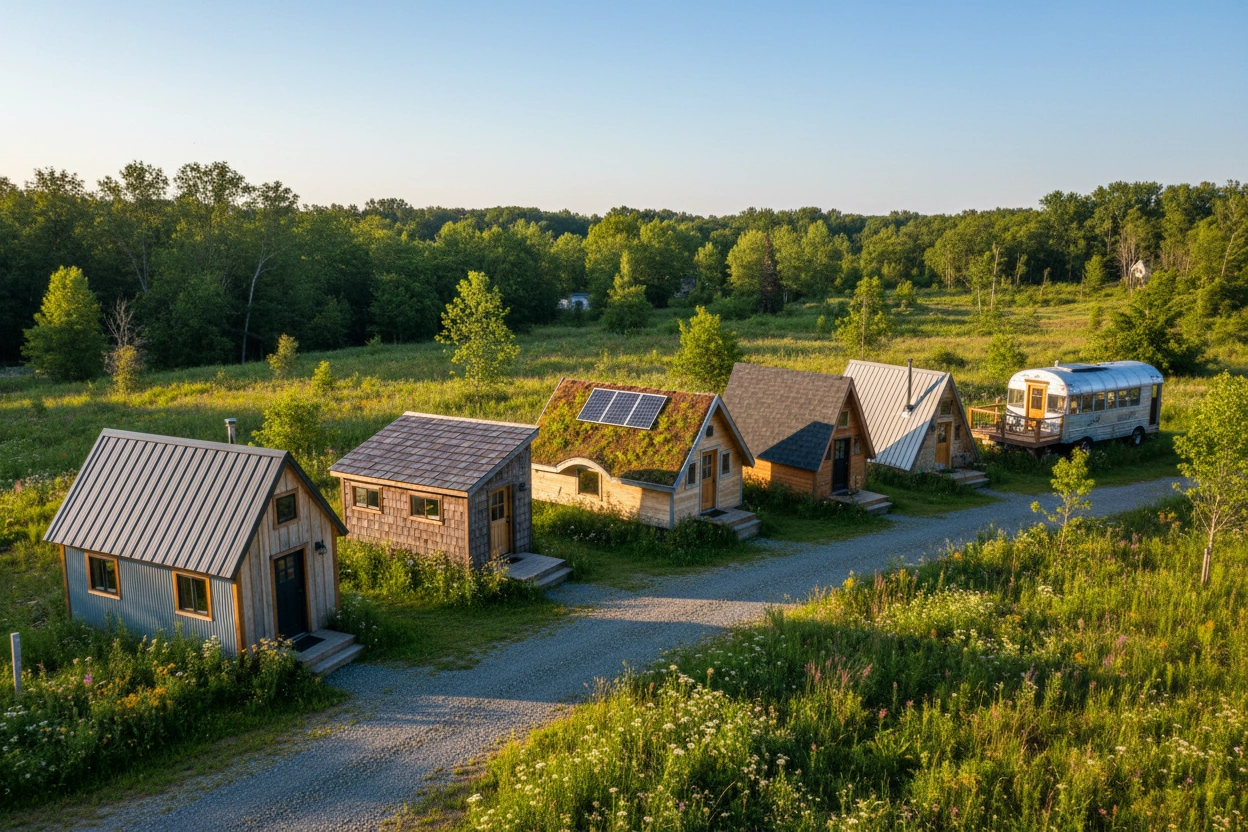
Here are the top roof styles that are commonly used in tiny house construction, along with their unique features and benefits.
1. Gable Roof
The gable roof is one of the most popular styles for tiny houses. It features two sloping sides that meet at a peak, creating a triangular shape.
Pros:
- Excellent drainage, reducing the risk of water pooling.
- Creates additional space for lofts or storage due to the high ceiling.
- Allows for easy installation of roof vents and windows.
Cons:
- May not be suitable for areas with high winds unless reinforced.
- Requires more materials than simpler styles, potentially increasing costs.
2. Shed Roof
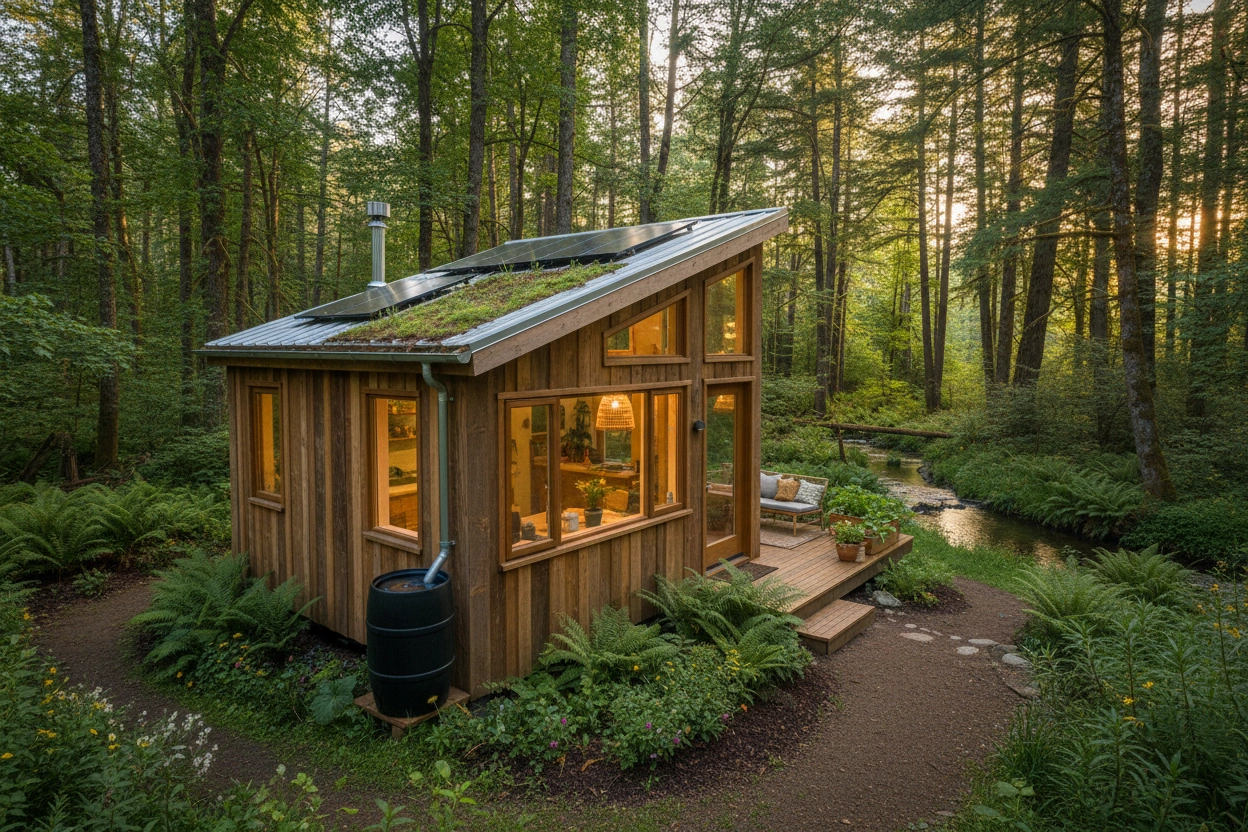
The shed roof is characterized by a single sloping surface, often seen in modern tiny house designs.
Pros:
- Simplistic design that is cost-effective and easy to construct.
- Provides a contemporary aesthetic that appeals to many homeowners.
- Ideal for solar panel installation due to its angled surface.
Cons:
- Limited headroom on the lower side may restrict design options.
- Requires careful consideration for snow load in colder climates.
3. Flat Roof
Flat roofs are becoming increasingly popular in tiny house designs, especially for urban settings.
Pros:
- Maximizes usable space on the roof, which can be utilized for gardens or decks.
- Simplifies construction and reduces material costs.
- Offers a modern look that fits well in urban environments.
Cons:
- Poor drainage can lead to water pooling if not designed correctly.
- Maintenance is crucial to prevent leaks and structural issues. roof maintenance tips
4. Hip Roof
The hip roof has slopes on all four sides, creating a more stable structure.
Pros:
- Offers greater stability in high wind areas due to its design.
- Provides additional attic space for storage or living areas.
- Aesthetically pleasing with a more traditional look.
Cons:
- More complex to construct, which can increase labor costs.
- Requires more materials, impacting the overall budget.
5. A-Frame Roof
The A-frame roof is defined by its steep angles, creating an "A" shape.
Pros:
- Excellent snow and rain runoff due to the steep pitch.
- Provides a unique and striking design that stands out.
- Creates a cozy interior space with high ceilings.
Cons:
- Limited usable space on the upper levels may restrict design options.
- May require additional materials for insulation and finishing.
Top Roofing Materials for Tiny Houses: Pros and Cons
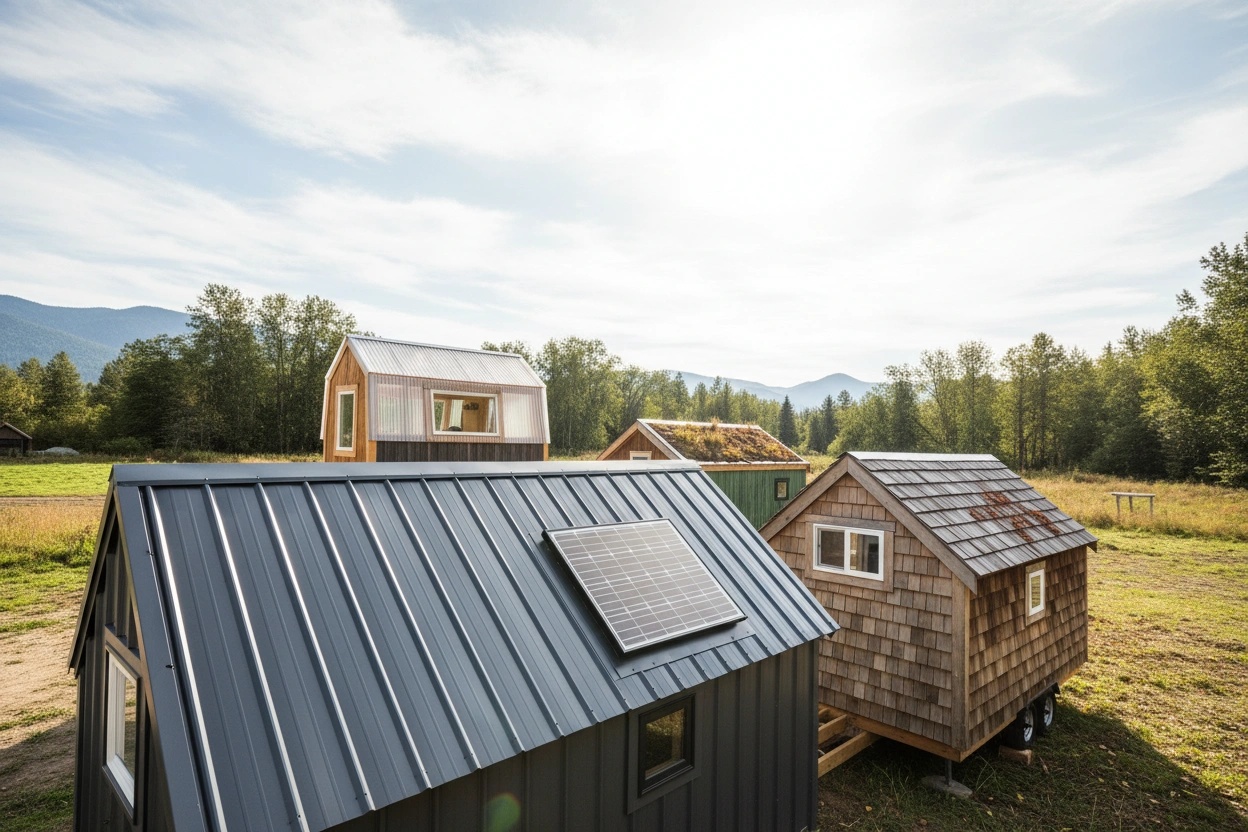
Selecting the right roofing material is just as important as choosing the roof style. Here are some of the best roofing materials for tiny houses, along with their advantages and disadvantages.
1. Metal Roofing
Metal roofing is a popular choice due to its durability and lightweight nature.
Pros:
- Long lifespan, often exceeding 50 years.
- Resistant to extreme weather conditions, including hail and heavy winds.
- Energy-efficient, reflecting sunlight and reducing cooling costs.
Cons:
- Higher initial cost compared to other materials.
- Requires proper insulation to minimize noise during rain.
2. Asphalt Shingles
Asphalt shingles are one of the most common roofing materials used in residential construction.
Pros:
- Affordable and widely available.
- Easy to install and repair, making them a convenient option.
- Variety of styles and colors to match different aesthetics.
Cons:
- Shorter lifespan (15-30 years) compared to metal roofing.
- Susceptible to damage in extreme weather conditions.
3. Wood Shingles
Wood shingles provide a natural, rustic appearance that many tiny house enthusiasts prefer.
Pros:
- Environmentally friendly and sustainable if sourced responsibly.
- Excellent insulation properties.
- Unique aesthetic that enhances the character of the home.
Cons:
- Requires regular maintenance to prevent rot and insect damage.
- Higher susceptibility to fire unless treated.
4. Slate Roofing
Slate roofing offers a classic and elegant look, often found in traditional architecture.
Pros:
- Exceptional durability, lasting over 100 years with proper maintenance.
- Natural material that is resistant to mold and moss.
- Aesthetically pleasing, adding significant value to the home.
Cons:
- Very heavy, which may require additional structural support.
- Expensive to install and repair.
5. Rubber Roofing
Rubber roofing is an innovative option that has gained popularity in recent years.
Pros:
- Lightweight and easy to install.
- Provides excellent waterproofing and insulation.
- Environmentally friendly, often made from recycled materials.
Cons:
- May not be as aesthetically appealing as other materials.
- Shorter lifespan compared to metal or slate options.
Common Mistakes to Avoid in Tiny House Roofing
As you consider your options for tiny house roofing, be aware of some common pitfalls that can lead to costly mistakes.
Neglecting Local Building Codes: Always research local building codes and regulations before finalizing your roofing plans. Certain materials and styles may be prohibited or require special permits.
Ignoring Insulation Needs: Proper insulation is essential for energy efficiency and comfort. Failing to adequately insulate your roof can lead to high energy costs and discomfort.
Underestimating Maintenance Requirements: Different roofing materials have varying maintenance needs. Choose a material that you are willing and able to maintain over time.
Overlooking Ventilation: Proper ventilation in the roofing system can prevent moisture buildup and prolong the life of your roof. Ensure that your design includes adequate vents.
Choosing Aesthetic Over Function: While aesthetic appeal is important, function should not be compromised. Choose roofing that meets your climate and durability needs.
The Intersection of Roof Styles and Tiny House Living
Selecting the right roof style and materials for your tiny house is vital for both functionality and aesthetics. By understanding the various options available and considering factors such as climate, weight, and budget, you can make informed decisions that enhance your tiny living experience. TinyHouse.com is here to support you in your tiny home journey, providing resources and insights on tiny house roofing and beyond.
If you're ready to start your tiny house project or need more information about tiny house roofing, visit TinyHouse.com for expert advice and guidance. Whether you're looking for design inspiration or practical tips, TinyHouse.com is your go-to source for all things tiny living.


.svg)
.jpg)